The Large Intestine in Traditional Chinese Medicine: Digestion, Emotions and ENT

In Traditional Chinese Medicine (TCM), the Large Intestine is not only associated with digestion. It is traditionally linked to elimination, the ability to let go, and certain ENT-related symptoms within the framework of Chinese medicine.

The Large Intestine is also paired with the Lung, forming a Yin-Yang relationship. This connection is taken into account during an acupuncture consultation as part of a holistic assessment.

What is the role of the Large Intestine in Chinese Medicine?

In Traditional Chinese Medicine, the Large Intestine is primarily associated with the function of elimination. It is involved in the final stage of the digestive process and the elimination of waste through the stool.

From an energetic perspective, this concept of elimination is also associated with the ability to let go of what is no longer needed.

These concepts belong to the traditional theoretical framework of Chinese medicine and do not directly correspond to the mechanisms described by Western medicine.

The Large Intestine and emotions: the concept of letting go

The Large Intestine is traditionally associated with the ability to “let go”.

Within this traditional framework, certain emotional experiences may be symbolically associated with this function of elimination: difficulty moving on, holding on to past situations, or feeling unable to release something.

This does not mean that an emotion directly causes a digestive disorder. Rather, these traditional correspondences may be considered as part of a broader acupuncture assessment.

The Large Intestine and ENT symptoms

The Large Intestine meridian travels through the upper limb and reaches the face. In Traditional Chinese Medicine, it is traditionally associated with certain areas of the ENT system, particularly the nose and face.

For this reason, specific acupuncture points along the Large Intestine meridian may be selected, depending on the individual assessment, when addressing symptoms such as nasal congestion or certain ENT discomforts.

Acupuncture does not treat an infection and does not replace a medical diagnosis or treatment.

The Large Intestine meridian

The Large Intestine meridian, known as the Hand Yangming meridian, begins at the index finger and travels along the arm before reaching the face.

During an acupuncture session, different points along this meridian may be selected according to the individual assessment and the person’s overall symptoms.

The aim is therefore not simply to “treat the Large Intestine”, but to consider the person as a whole and tailor the treatment accordingly.

Acupuncture, digestion and bowel function

Acupuncture may be considered as a complementary approach for certain functional digestive complaints, including constipation, bloating and some forms of digestive discomfort.

Treatment is individualised: two people with similar symptoms may receive different acupuncture points depending on their overall assessment and accompanying symptoms.

Persistent constipation, significant abdominal pain, blood in the stool, unexplained weight loss or a significant change in bowel habits should be discussed with a medical professional.

Acupuncture and Traditional Chinese Medicine in Aix-en-Provence

I practise acupuncture in Aix-en-Provence with an individualised approach, taking into account each person’s symptoms, circumstances and overall wellbeing.

Digestive and bowel complaints, certain ENT discomforts and issues related to stress may all be reasons for an acupuncture consultation.

Acupuncture is a complementary approach and does not replace a medical diagnosis or treatment when one is required.

Appointments are available by booking in Aix-en-Provence.

Acupuncture: what are the reasons to consult?

acupuncture Aix-en-Provence sleep

Are you wondering why have acupuncture, in which situations it may be worthwhile, or what acupuncture can support? Rooted in Traditional Chinese Medicine, acupuncture offers a holistic approach that considers the person as a whole.

It can be used on its own or alongside medical care, depending on the reason for the visit and each person’s needs.

What is acupuncture?

Acupuncture is a Traditional Chinese Medicine practice that involves stimulating specific points on the body, in particular with fine needles.

Traditional Chinese Medicine views the body as a whole in which the different functions are interdependent. During a consultation, the aim is therefore to look not only at the symptom, but also at the general context in which it appears.

A session begins with a conversation to better understand your request, your general health, your sleep, your digestion, your stress levels and, where relevant, your menstrual cycle.

The treatment is then tailored to you.

Why have acupuncture?

There are many reasons to consult. Some people come for a specific problem, while others would like support during a particular period of their life.

Acupuncture may be considered in particular to support:

It is important to remember that acupuncture does not replace a medical diagnosis or treatment when these are needed.

Acupuncture and stress

Stress can show itself in different ways: physical tension, difficulty falling asleep, fatigue, a feeling of not recovering enough, or digestive discomfort.

Acupuncture may be offered as a complementary approach during periods of stress or overload.

The session is also a chance to take some time for yourself and to receive holistic care, adapted to each person’s situation.

Acupuncture and sleep

Sleep difficulties can take different forms: trouble falling asleep, waking in the night or unrefreshing sleep.

In Traditional Chinese Medicine, sleep is taken into account in the overall assessment of the person.

An acupuncture consultation may therefore be considered to support sleep problems, particularly when they arise in a context of stress, fatigue or hormonal changes.

In the case of persistent or severe insomnia, it is also advisable to look for a possible medical cause with a healthcare professional.

Acupuncture and women’s health

Women’s health holds an important place in my practice.

Acupuncture and Traditional Chinese Medicine can support different stages of a woman’s life:

The menstrual cycle

Some women consult for period pain, premenstrual syndrome or various discomforts associated with the cycle.

Acupuncture can then be part of a holistic approach to care.

Endometriosis

Endometriosis can have a significant impact on quality of life.

Acupuncture can be used as a complementary approach to support certain symptoms, in particular pain or fatigue.

It does not make endometriosis lesions disappear and does not replace gynaecological follow-up.

Fertility and assisted reproduction

Some women would also like acupuncture support during a fertility journey or assisted reproduction (ART).

In this context, the aim is to offer complementary support, in coordination with the medical pathway and the professionals overseeing it.

Pregnancy and postpartum

Pregnancy brings many physical and emotional changes.

Acupuncture may be considered in certain situations during pregnancy, with care adapted to the stage of pregnancy and to each woman’s situation.

After the birth, it can also support the postpartum period.

What are the benefits of acupuncture?

People often search online for “acupuncture benefits” or “does acupuncture work?”.

The answer depends a great deal on the reason for the visit and on the person.

Acupuncture has been studied for many indications, with levels of evidence that vary from one condition to another. It should therefore not be presented as a universal solution.

Its value may lie in particular in an individualised and complementary approach, especially when several factors contribute to a discomfort.

The aim of a consultation is above all to understand your situation and to offer appropriate support.

What does acupuncture treat?

People often ask: “What does acupuncture treat?”

It is more accurate to talk about what acupuncture can support, because it does not replace medical treatment and should not be presented as able to cure every illness.

It can in particular be part of the support for certain types of pain, stress, sleep problems, certain functional disorders and various issues related to women’s health.

If symptoms are new, severe or persistent, medical advice is essential.

What happens during an acupuncture session?

The first part of the consultation is devoted to conversation.

I ask about the reason for your visit, but also about different aspects of your daily life: sleep, digestion, diet, stress levels, menstrual cycle where relevant, medical history and how your symptoms have changed.

This approach gives a more complete picture of your situation.

The acupuncture session is then adapted to your needs. The needles used are very fine and the points are stimulated in line with hygiene and safety rules.

The length and frequency of sessions depend on the reason for the visit and on your progress.

Acupuncture or osteopathy: which approach should you choose?

Acupuncture and osteopathy are two different approaches.

Osteopathy looks in particular at the mobility of the body’s different structures and at the tensions that may contribute to certain discomforts.

Acupuncture belongs to the approach of Traditional Chinese Medicine and uses the stimulation of specific points on the body.

In some cases, the two approaches can complement each other. The choice depends on the reason for your visit and on your needs.

Why consult for acupuncture in Aix-en-Provence?

If you are looking for acupuncture in Aix-en-Provence, I offer consultations with a personalised approach in Traditional Chinese Medicine.

My practice focuses particularly on women’s health, with support available around the menstrual cycle, endometriosis, fertility, pregnancy, the postpartum period and menopause.

Acupuncture can also be offered to support stress, sleep, certain types of pain and various functional disorders.

Each consultation is adapted to the person and their situation.

Book an appointment

Would you like to know whether acupuncture may suit your situation?

A first consultation is an opportunity to review your request and determine the most appropriate approach.

Acupuncture and Traditional Chinese Medicine consultations in Aix-en-Provence.


FAQ: Acupuncture

Does acupuncture work?

The effectiveness of acupuncture varies with the reason for the visit. The scientific data are more or less favourable depending on the indication. It can be used as a complementary approach and does not replace necessary medical treatment.

Does acupuncture hurt?

The needles used in acupuncture are very fine. The sensation varies from person to person and with the points stimulated. Some people feel a slight sensation when the needle is inserted.

How many acupuncture sessions are needed?

There is no number of sessions that is the same for everyone. The frequency depends on the reason for the visit, how long the problem has been present and the progress observed from one session to the next.

Can acupuncture be used for stress?

Yes, acupuncture may be offered as a complementary approach during periods of stress or tension, particularly when these come with sleep difficulties or other discomforts.

Can you have acupuncture during pregnancy?

Acupuncture may be considered in certain situations during pregnancy, with appropriately adapted care. It never replaces medical, obstetric or midwife follow-up.

Can acupuncture support endometriosis?

Yes, it can be used as a complementary approach to support certain symptoms of endometriosis, in particular pain. It does not treat the lesions and does not replace gynaecological follow-up.

Where can you have acupuncture in Aix-en-Provence?

I offer acupuncture and Traditional Chinese Medicine consultations in Aix-en-Provence, with an approach focused particularly on women’s health.

Ginger and digestion

ginger and digestion Chinese medicine


Ginger: a natural ally for better digestion

Ginger, the spicy root native to Asia, is not only a key ingredient in cooking. For centuries, it has been used in traditional medicine for its many health benefits, notably to improve digestion. Let us find out together how this plant may contribute to your digestive well-being.


1. The digestive properties of ginger

Ginger is reputed to stimulate digestion thanks to its active components, such as gingerols and shogaols. These substances:

  • Activate the production of digestive enzymes : they promote more efficient breakdown of food.
  • Soothe inflammation of the digestive tract : useful in cases of bloating or abdominal discomfort.
  • Reduce nausea : notably nausea caused by travel sickness or pregnancy.

2. The effects of ginger on common digestive problems

  • Bloating and wind : thanks to its carminative properties, ginger helps to expel gas built up in the intestine.
  • Indigestion : it stimulates gastric emptying, thereby relieving the feeling of heaviness after a large meal.
  • Acid reflux : in small amounts, ginger may calm irritation caused by stomach acid.

3. How should you take ginger for digestion?

  • As an infusion : Steep a few slices of fresh ginger in hot water for a soothing tea.
  • As a juice : Add a small amount of ginger juice to your smoothie or to lemon water.
  • In cooking : Add it grated to your dishes or soups for a spicy flavour and health benefits.
  • As a food supplement : in capsule or extract form, for more concentrated use.

4. Precautions for use

Although ginger is generally safe, a few precautions should be observed:

  • Limit your intake if you take anticoagulants, as it can thin the blood.
  • In case of allergy or severe gastric problems, consult a health professional before using it.

Conclusion: a root with many benefits

As well as adding a touch of flavour to your dishes, ginger is a real treasure for your digestion. Whether it is eaten fresh, powdered or as an infusion, it may be a natural aid for relieving everyday digestive complaints. So why not include this root in your routine? I recommend a small shot of ginger after lunch if you get energy slumps in the afternoon, or else some crystallised ginger. Enjoy.


Digestion and weight

weight regulation 
digestion

Digestion: digestive health and the microbiome

Digestion, and therefore the digestive system, is important in various biological and physiological processes. A healthy digestive and intestinal system is linked to the level of inflammation as well as to mental health.

In the event of inflammation or symptoms such as bloating, diarrhoea, constipation, cramps, etc., there may be inflammation throughout the body.

Our body works holistically, which means that one part of the body or mind will affect another part. In other words, the foundation of the immune system and of fertility depends on the gut working properly.

Signs that your microbiome and digestive health are not at their best:

  • Constipation
  • Diarrhoea
  • Alternating diarrhoea and constipation
  • Bloating, wind
  • Irritable bowel syndrome, colitis
  • Crohn’s disease
  • Lower abdominal pain
  • Gastritis, ulcers
  • Anxiety, difficulty concentrating
  • Skin problems: psoriasis, eczema, acne
  • Diabetes
  • High blood pressure
  • Unwanted weight gain or weight loss
  • Thyroid disorders
  • Food allergy or intolerance
  • Joint inflammation
  • Period pain, PMS
  • Vaginal infections
  • Cystitis
  • Insomnia
  • Infertility (unexplained, implantation failure, poor egg quality).

Weight control

Regulating your weight depends on your body’s ability to eliminate toxins, limit inflammation, balance hormones, maintain good lymphatic circulation and find the right balance around your healthy weight to optimise your vitality.

Chinese medicine is an approach that looks at the individual as a whole (body, mind, spirit and organs).

Signs that you are outside your ideal weight:

  • Unwanted weight gain
  • Unwanted weight loss
  • Fatigue
  • Feeling of heaviness
  • Digestive problems
  • No appetite or excessive appetite
  • Skin or hair problems
  • Water retention or oedema
  • Emotional eating
  • Infertility or lack of ovulation

Difficult digestion and acupuncture

difficult digestion, liver, stomach, acupuncture

Difficult digestion is a digestive disorder. It includes:

  • episodes of diarrhoea or constipation, or even alternating between the two,
  • haemorrhoids,
  • indigestion,
  • bloating,
  • gastritis or stomach ulcers,
  • irritable bowel syndrome,
  • nausea…

Both osteopathy and acupuncture may be of interest for the digestive system. Acupuncture may act on organs such as the stomach, the liver, the pancreas and the small intestine. In short, bowel movements may improve.

Fatigue, stress, headaches, back pain and heavy legs are other symptoms that are treated and may be linked to poor digestion.

During the session, dietary advice and breathing exercises for digestion are given, and certain herbal teas, teas or essential oils are recommended.

For example, in the case of diarrhoea, it is recommended to drink tea after each meal. You can also have a bowl of rice soup several times a day, adding chives and a little salt, or ginger, pepper or fennel. Conversely, in the case of constipation, you should limit cured meats, red meat, fried food, spices, strong condiments, chocolate, coffee, alcohol, dairy products and cheese.

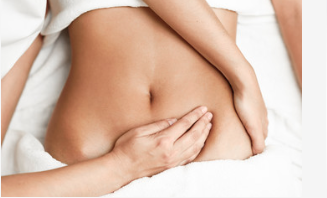
In Traditional Chinese Medicine, constipation corresponds to a stagnation of energy and toxins in the digestive tract. Physical activity such as Qi Gong, Tai Chi and breathing can help. Massaging the abdomen clockwise can help. It is also important to drink between meals in order to soften the stools and help bowel movements.

Osteopathy and acupuncture are complementary and are often used in the same session.