
Sciatica is a common pain that can have a significant impact on quality of life. It usually shows up as pain radiating from the lower back to the buttock, the thigh and sometimes down to the foot.
Faced with this pain, which can sometimes be disabling, many people look for complementary approaches to improve their day-to-day comfort. Acupuncture is one of the options frequently used in supporting lower back pain and sciatica.
But when should you book a session? What happens during a session? And what can acupuncture offer?
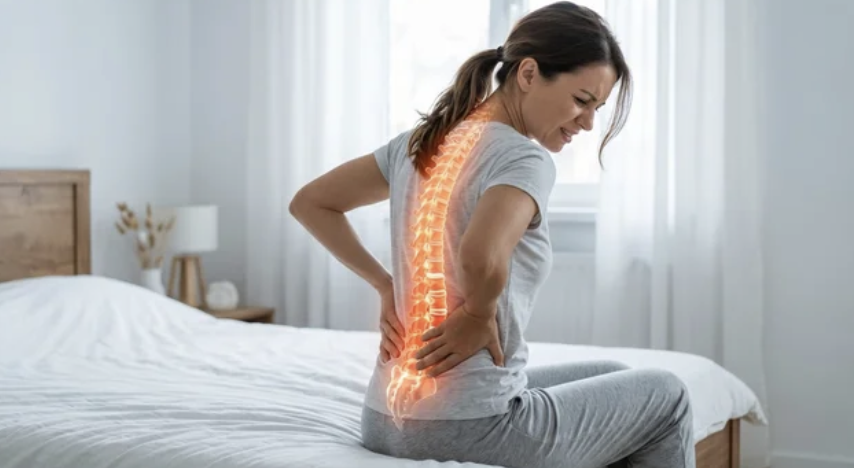
What is sciatica?
The term “sciatica” refers to pain linked to irritation or compression of the sciatic nerve.
Symptoms may include:
- Pain in the lower back
- Pain radiating into the buttock
- Burning or electric shock sensations in the leg
- Pins and needles
- Numbness
- Discomfort when walking or sitting for long periods
The intensity of symptoms varies from one person to another.
What causes sciatica?
Several factors may be involved:
- Herniated disc
- Lumbar joint impingement
- Significant muscle tension
- Piriformis syndrome
- Lumbar osteoarthritis
- Pregnancy
- Repeated postural strain
A medical diagnosis may be needed to identify the precise cause of the pain.
Why see an acupuncturist for sciatica?
In Traditional Chinese Medicine, pain is often associated with a disturbance in the circulation of energy and blood in certain areas of the body.
Acupuncture aims to stimulate specific points to support the body in its search for balance.
Patients frequently come for:
- Lower back pain
- Acute or chronic sciatica
- Associated muscle tension
- Pain radiating into the leg
- Pain that persists despite rest
Acupuncture is part of an overall approach to care and does not replace medical follow-up when this is needed.
What happens during a session?
The consultation begins with a full assessment.
The practitioner looks in particular at:
- How long the pain has been present
- Where it is located
- What makes it worse or better
- Medical history
- The patient’s general health
Following the principles of Traditional Chinese Medicine, the treatment is then personalised according to the person’s constitution and symptoms.
Acupuncture and sciatica during pregnancy
Pregnancy can make sciatic pain more likely because of postural and hormonal changes.
Some pregnant women see an acupuncturist to support these discomforts, particularly when treatment options are limited during this period.
The treatment is then adapted to the stage of pregnancy and to the situation of the mother-to-be.

How many sessions are needed?
The number of sessions depends on many factors:
- How long the sciatica has been present
- Its intensity
- Its cause
- The patient’s general state of health
Recent sciatica does not usually need the same support as pain that has been present for several months or years.
When should you see a doctor promptly?
Some situations require prompt medical attention:
- Marked weakness in the leg
- Difficulty walking
- Significant loss of sensation
- Associated bladder or bowel problems
- Very intense or unusual pain
Acupuncture must never delay a medical assessment when one is needed.
A complementary approach
Acupuncture can be combined with other approaches depending on the patient’s needs:
- Adapted physical activity
- Mobility exercises
- Physiotherapy
- Osteopathy
- Medical follow-up
An overall approach to care is often the most relevant way to support lower back pain and sciatica.
Conclusion
Sciatica can have a variety of causes and can greatly affect daily life. Acupuncture is frequently used to support lower back pain and pain radiating into the leg. Each treatment is personalised according to the patient’s situation and forms part of an overall approach to health.
FAQ: acupuncture and sciatica
Can acupuncture help with sciatica?
Acupuncture is frequently used to support lower back pain and sciatica. The treatment is adapted to each patient and to the cause of their symptoms.
How many acupuncture sessions are needed for sciatica?
The number of sessions depends on how long the pain has been present, its intensity and the individual response to treatment.
Can you book a session for chronic sciatica?
Yes. Many people come for pain that has been present for several months or years in order to receive personalised support.
Is acupuncture suitable for pregnant women with sciatica?
Yes. Acupuncture can be practised during pregnancy by a professional trained in supporting pregnant women.
When should you book a session for sciatica?
It is advisable to book a session when the pain persists, limits daily activities or comes with significant discomfort.
Should you choose acupuncture or osteopathy for sciatica?
These two approaches are often complementary. The choice depends on the context, the cause of the pain and the patient’s needs.
Can acupuncture be combined with physiotherapy for sciatica?
Yes. Acupuncture can be included in an overall approach to care that also involves physiotherapy, adapted physical activity or medical follow-up.