When should you have acupuncture to get pregnant?

fertility acupuncture Aix-en-Provence, planning a baby, conception, ART, IVF
acupuncture to get pregnant

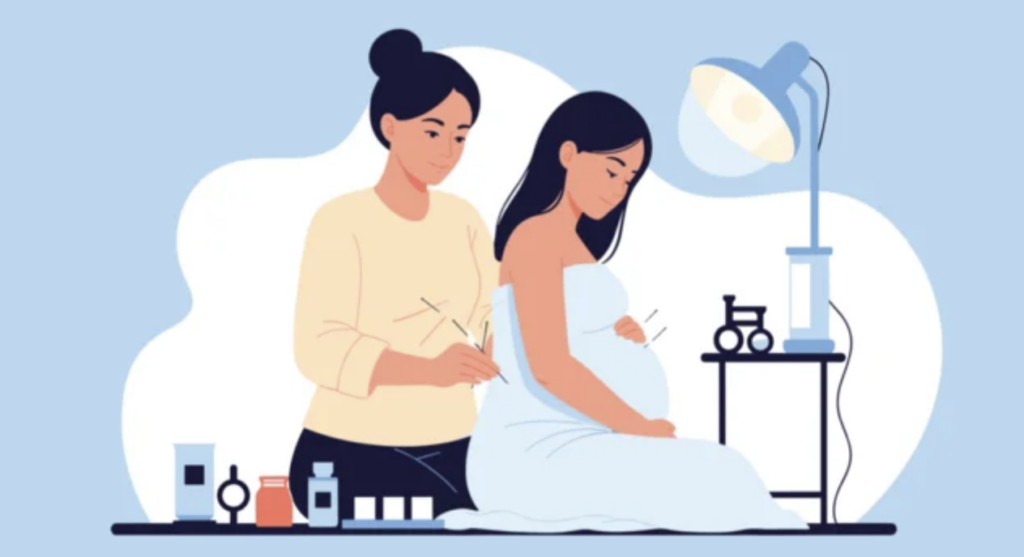
You are planning a pregnancy and wondering when to start acupuncture to support fertility? Acupuncture may be offered as a complementary approach when you wish to become pregnant, whether you hope to conceive naturally or are going through assisted reproduction (ART).

When a pregnancy is being considered, it can be worthwhile to start the support a few months before trying to conceive, ideally around 2 to 3 months ahead. This allows time to observe your cycle and to set up personalised support.

But there is absolutely no need to wait several months before booking: acupuncture can begin at any point in the cycle and at any stage of your pregnancy plans.

Why start acupuncture before trying to get pregnant?

In Traditional Chinese Medicine, fertility support does not necessarily begin the moment you stop contraception.

The consultation takes the whole person into account: the menstrual cycle, sleep, digestion, stress levels, fatigue, general health and any symptoms associated with the cycle.

Starting sessions a few months before trying to conceive can make it possible to observe several cycles and to adapt the support gradually.

Acupuncture may therefore be considered as part of a pregnancy plan to support, in particular:

Acupuncture does not guarantee a pregnancy and does not replace medical tests or medical care when these are needed.

Should acupuncture be done at the time of ovulation?

No. There is no need to come only at the time of ovulation.

An acupuncture session can take place at any point in the menstrual cycle. You do not need to know your exact ovulation date to start receiving support.

The timing of the session is adapted to your situation, your symptoms and the aim of the consultation.

Depending on your needs, sessions can therefore take place during your period, after menstruation, around the ovulatory phase or after ovulation.

The idea is to offer regular, personalised support throughout the cycle rather than systematically concentrating sessions around ovulation.

Acupuncture and the menstrual cycle

The cycle is an important element of an acupuncture consultation when planning a pregnancy.

I may take into account the regularity and length of your cycles, any pain, premenstrual syndrome, sleep quality, digestion, fatigue and stress levels.

The aim is to understand your situation as a whole in order to adapt the sessions.

You therefore do not need a perfectly regular cycle, or to know your exact ovulation date, to book a consultation.

Acupuncture and natural fertility

When a couple wishes to conceive naturally, acupuncture can be part of a complementary approach to the pregnancy plan.

Some women choose to start sessions 2 to 3 months before trying to conceive, so as to take time to observe their cycle and receive support over several cycles.

Others come when they have already started trying.

In both cases, there is no need to schedule sessions exclusively around ovulation.

Acupuncture cannot guarantee a pregnancy and should not be presented as a treatment for infertility.

If you are having difficulty conceiving, a medical assessment can look for possible causes and adapt the care accordingly.

Acupuncture and the ART journey

Acupuncture may also support some women going through ART, IVF or artificial insemination.

Support can begin before the protocol and continue through its different stages, according to your needs and the recommendations of the medical team.

Sessions are not necessarily scheduled solely around ovulation. They can be adapted to the protocol calendar, to the cycle and to each woman’s situation.

The aim is to offer complementary support alongside the medical pathway.

Acupuncture does not replace hormone treatments, tests or the recommendations of the fertility team.

What if I have endometriosis?

Endometriosis can affect daily life and sometimes plans for a pregnancy.

When endometriosis has been diagnosed, acupuncture may be offered alongside gynaecological follow-up and fertility care.

It may in particular support some of the pain or discomfort associated with the cycle.

Planning a pregnancy with endometriosis calls for individualised care with the health professionals who follow your situation.

When should you start acupuncture to get pregnant?

There is no universal medical time frame requiring acupuncture to start three months before trying to conceive.

However, starting 2 to 3 months ahead can be worthwhile as part of a support approach, as it allows time to observe several cycles and to adapt the sessions gradually.

But if you have already started trying for a baby, it is not too late to book a consultation.

You can book an appointment at any point in your cycle, without waiting for your next ovulation.

What happens during a fertility acupuncture session?

The consultation begins with an in-depth discussion about your pregnancy plans and your general health.

I look in particular at your menstrual cycle, sleep, digestion, stress levels, fatigue and any symptoms associated with the different phases of the cycle.

If you are going through ART, the medical protocol and its calendar are also taken into account.

The session is then adapted to your situation.

Follow-up can evolve from cycle to cycle and according to your needs.

Why choose fertility acupuncture in Aix-en-Provence?

I offer acupuncture consultations in Aix-en-Provence, with an approach particularly focused on women’s health and support for pregnancy plans.

Whether you wish to start sessions before trying to conceive, are already trying, or are going through ART, the support is personalised.

There is no need to wait for ovulation to book a consultation: a session can take place at any point in the cycle.

Acupuncture is a complementary approach and does not replace medical or gynaecological follow-up.

Book an appointment

Are you planning a pregnancy and would like support from acupuncture?

You can start sessions a few months before trying to conceive or book now, whatever point you are at in your cycle.

Fertility acupuncture consultations in Aix-en-Provence.


FAQ: acupuncture and fertility

When should you start acupuncture to get pregnant?

It can be worthwhile to start 2 to 3 months before trying to conceive so that several cycles can be observed. However, you can start at any time, including once you have already started trying.

Should acupuncture be done at the time of ovulation?

No. There is no need to schedule a session at the exact time of ovulation. Acupuncture can be carried out at any point in the cycle and the session calendar is adapted to your situation.

Can you start acupuncture during your period?

Yes. A consultation can take place during your period. The point in the cycle does not prevent you from starting support.

Do you need to know your ovulation date to have acupuncture?

No. You do not need to know your exact ovulation date to book a consultation. The cycle and how it changes can be taken into account over the sessions.

How long before a pregnancy should you have acupuncture?

There is no mandatory time frame. Starting 2 to 3 months before trying to conceive can allow support over several cycles, but you can book a consultation at any stage of your pregnancy plans.

Does acupuncture increase the chances of getting pregnant?

Acupuncture does not guarantee a pregnancy. It may be offered as a complementary approach when planning to conceive, but it does not replace medical tests or medical care if you are having difficulty conceiving.

Can you have acupuncture while trying for a baby?

Yes. Acupuncture can be offered while you are trying to conceive, with care adapted to your cycle and your situation.

Acupuncture and IVF: when to start?

Support can begin before an IVF protocol and may continue during it. Sessions are adapted to the protocol calendar and should remain complementary to the follow-up provided by the medical team.

Can acupuncture support endometriosis and the wish to become pregnant?

It may be offered as a complementary approach to support some manifestations of endometriosis, in particular pain and some kinds of discomfort. It does not treat endometriosis lesions and does not replace gynaecological care.

Where can you have fertility acupuncture in Aix-en-Provence?

I offer acupuncture and Traditional Chinese Medicine consultations in Aix-en-Provence, with an approach particularly focused on women’s health, fertility and support for pregnancy plans.
Acupuncture during pregnancy: when to book a session?

pregnancy and acupuncture

Pregnancy is a time of many physical, hormonal and emotional changes. Over the months, some women may experience various discomforts: nausea, fatigue, digestive problems, difficulty sleeping, tension or pain.

Acupuncture during pregnancy may be offered as a complementary approach to support some of these discomforts, always alongside medical and obstetric care.

Why see an acupuncturist during pregnancy?

In Traditional Chinese Medicine, pregnancy is considered a special period that calls for care adapted to each woman and to each stage of pregnancy.

An acupuncture consultation for pregnant women may be considered in particular to support:

  • pregnancy-related nausea and vomiting;
  • some digestive problems and bloating;
  • difficulty sleeping;
  • stress and tension;
  • fatigue;
  • some bodily aches and tension;
  • heavy legs;
  • some discomforts linked to changes in the body.

Care is adapted to how far along the pregnancy is and to your situation.

Acupuncture in the first trimester

The first trimester often brings significant changes: fatigue, nausea, heightened sensitivity, digestive changes or disturbed sleep.

Acupuncture may be considered as a complementary approach to support some of these symptoms.

This period does, however, require particular care. Any unusual pain, bleeding, fever, severe vomiting or worrying symptom should be checked by a doctor or obstetric team.

Acupuncture in the second trimester

The second trimester is often marked by new physical adjustments. The bump grows, posture gradually changes and some tension may appear.

Acupuncture may support some discomforts such as digestive problems, difficulty sleeping, stress or some bodily tension.

Each session is adapted to how the pregnancy is progressing.

Acupuncture in the third trimester

As the due date approaches, the baby’s weight and changes in posture may increase some discomforts: lower back pain, a feeling of heavy legs, sleep problems or fatigue.

Acupuncture may be offered in some situations to support the comfort of the mother-to-be.

In late pregnancy, sessions must remain adapted to the stage of pregnancy and the obstetric context.

Can you have acupuncture while pregnant?

Acupuncture can be practised during pregnancy by a trained professional, with care adapted to this special period.

The points used, the techniques and the indications are chosen according to the stage of pregnancy and the situation of the pregnant woman.

Acupuncture never replaces the care provided by your midwife, your doctor or your maternity unit, however.

If you have any doubt about a symptom during pregnancy, it is always best to seek medical advice before any complementary consultation.

Acupuncture and preparing for birth

Some women also wish to include acupuncture in their preparation for birth.

In this context, support may be considered in the last weeks of pregnancy, depending on the stage of pregnancy and the obstetric context.

The aim is to offer a complementary, personalised approach, without replacing the recommendations of the medical team or the maternity unit.

What happens during an acupuncture session in pregnancy?

The consultation begins with a discussion about your pregnancy, how far along you are, your reason for coming and your general health.

In particular, I take into account your sleep, your digestion, your level of fatigue, your emotional state and any discomforts you are experiencing.

The session is then adapted to your situation and to the stage of your pregnancy.

The aim is to offer you individual support, in a comfortable setting that respects your pregnancy.

Acupuncture and pregnancy in Aix-en-Provence

I offer acupuncture consultations in Aix-en-Provence, with an approach particularly focused on women’s health.

Support can cover different stages of life: menstrual cycle, endometriosis, fertility, pregnancy, postpartum and menopause.

Where relevant, acupuncture can also be combined with an osteopathic approach.

Book an appointment

Are you pregnant and would you like acupuncture support for some of the discomforts linked to your pregnancy?

A first consultation is an opportunity to review your situation and decide whether this complementary approach is suitable.

Acupuncture consultations for pregnant women in Aix-en-Provence.


FAQ: acupuncture and pregnancy

Can you have acupuncture while pregnant?

Yes, acupuncture can be offered during pregnancy with care adapted to the stage of pregnancy and to each woman’s situation. It complements medical and obstetric care.

When should you start acupuncture during pregnancy?

There is no single right time to start. A consultation may be considered depending on the reason and the needs of the mother-to-be, taking into account the stage and context of the pregnancy.

Can acupuncture help with pregnancy nausea?

Acupuncture may be considered as a complementary approach to support nausea and some digestive discomforts of pregnancy. In the event of severe vomiting or dehydration, medical advice is necessary.

Can you have acupuncture in the first trimester?

Care may be considered from the first trimester, with precautions and adaptation to the context of the pregnancy. If there is any unusual or worrying symptom, medical care remains the priority.

Can acupuncture support pain during pregnancy?

It may be offered as a complementary approach for some tension or pain, after taking the context of the pregnancy into account. Any severe or unusual pain must be assessed by a doctor.

Can acupuncture help prepare for birth?

Some women choose to include acupuncture in their preparation for birth. This approach must remain a complement to the care provided by the midwife, the doctor and the maternity unit.

Can you have acupuncture after giving birth?

Yes, acupuncture may also be considered during the postpartum period to support some discomforts and this time of transition.

Where can I have acupuncture during pregnancy in Aix-en-Provence?

I offer acupuncture consultations in Aix-en-Provence, with a specialised approach to supporting women’s health and the different stages of reproductive life.

Acupuncture and period pain: a complementary approach

Period pain, also known as dysmenorrhoea, is common and can sometimes have a significant impact on daily life. Pain in the lower abdomen or lower back, fatigue, digestive problems or a feeling of tension may accompany the menstrual period.

Acupuncture may be offered as a complementary approach to support menstrual pain and the various discomforts associated with the cycle.

Acupuncture and menstrual pain

In Traditional Chinese Medicine, symptoms linked to periods are considered as a whole. The consultation therefore looks not only at the intensity of the pain, but also at the cycle, sleep, digestion, stress levels and general health.

During an acupuncture session for period pain, a personalised assessment helps to understand your situation and adapt the care.

Acupuncture may in particular be considered alongside medical follow-up in cases of:

  • pain in the lower abdomen during periods;
  • lower back or pelvic pain;
  • tension before or during menstruation;
  • fatigue associated with the cycle;
  • digestive discomfort around periods;
  • periods that are particularly difficult to cope with day to day.

The aim is to offer individualised support and to help improve comfort around the menstrual period.

Acupuncture and premenstrual syndrome

Premenstrual syndrome (PMS) may appear in the days before a period. It can show itself in different ways: fatigue, irritability, tension, tender breasts, bloating, headaches or mood changes.

Acupuncture for premenstrual syndrome can form part of a holistic approach aimed at supporting these various symptoms.

Traditional Chinese Medicine takes into account all the symptoms and how they change over the cycle in order to adapt the session to each person.

Acupuncture and endometriosis

Very painful periods can sometimes be associated with a gynaecological condition, in particular endometriosis.

When menstrual pain is severe, has appeared recently or is getting worse, it is essential to look for the cause with a health professional.

When endometriosis has been diagnosed, acupuncture may be offered alongside medical and gynaecological follow-up, in particular to support certain pains or discomforts.

It does not remove endometriosis lesions and does not replace prescribed treatments.

What happens during an acupuncture session for period pain?

The session begins with a conversation to understand your cycle and your symptoms.

I look in particular at how regular your periods are, how long they last, the intensity of the pain, where it is felt, the symptoms that come before menstruation, as well as other factors such as sleep, digestion and stress.

This approach makes it possible to adapt the session to your situation rather than applying the same protocol to every woman.

Depending on your needs, acupuncture may be considered at different points in the cycle.

When should you seek advice for period pain?

Severe menstrual pain should not automatically be considered “normal”.

It is particularly advisable to see a health professional when the pain:

  • prevents you from working or carrying out your usual activities;
  • regularly requires painkillers;
  • gets worse over time;
  • appears after several years of periods with little pain;
  • comes with pain during intercourse, digestive problems or significant pelvic pain.

A gynaecological assessment may then be needed to rule out or look for a cause such as endometriosis or another condition.

Acupuncture can then, if you wish, become part of complementary care.

Why choose acupuncture in Aix-en-Provence?

I offer acupuncture consultations in Aix-en-Provence, with an approach particularly focused on women’s health.

Support may cover period pain, premenstrual syndrome, endometriosis, fertility, pregnancy, the postpartum period or the menopause.

Each consultation is tailored to your situation and your needs.

Book an appointment

Do you suffer from period pain or significant symptoms before your periods and would like to try acupuncture as a complementary approach?

A first consultation is an opportunity to review your situation and decide on the most suitable support.

Acupuncture consultations in Aix-en-Provence.


FAQ: acupuncture and period pain

Can acupuncture help with period pain?

Acupuncture can be used as a complementary approach to support menstrual pain. It does not replace looking for a possible medical cause when the pain is severe.

When should you have acupuncture for menstrual pain?

Sessions may be considered at different points in the cycle. The choice depends in particular on your symptoms, how they develop and your needs.

Can acupuncture help with premenstrual syndrome?

Acupuncture can support some of the symptoms associated with premenstrual syndrome, such as tension, fatigue, bloating or headaches, as part of holistic care.

Can acupuncture support endometriosis?

Yes, it can be used alongside medical follow-up to support some of the symptoms of endometriosis, in particular pain. It does not treat endometriosis lesions.

Is it normal to be in a lot of pain during your period?

Mild to moderate menstrual pain can be common, but very severe or disabling pain deserves a medical assessment. It may in particular be associated with endometriosis or other gynaecological causes.

How many acupuncture sessions are needed?

There is no set number of sessions. How often you come depends on your situation, how long you have had the symptoms and how they develop.

Can acupuncture and osteopathy be combined?

Acupuncture and osteopathy are based on different approaches and can, in some situations, complement each other. The approach offered depends on your reason for consulting and your needs.

Acupuncture: what are the reasons to consult?

acupuncture Aix-en-Provence sleep

Are you wondering why have acupuncture, in which situations it may be worthwhile, or what acupuncture can support? Rooted in Traditional Chinese Medicine, acupuncture offers a holistic approach that considers the person as a whole.

It can be used on its own or alongside medical care, depending on the reason for the visit and each person’s needs.

What is acupuncture?

Acupuncture is a Traditional Chinese Medicine practice that involves stimulating specific points on the body, in particular with fine needles.

Traditional Chinese Medicine views the body as a whole in which the different functions are interdependent. During a consultation, the aim is therefore to look not only at the symptom, but also at the general context in which it appears.

A session begins with a conversation to better understand your request, your general health, your sleep, your digestion, your stress levels and, where relevant, your menstrual cycle.

The treatment is then tailored to you.

Why have acupuncture?

There are many reasons to consult. Some people come for a specific problem, while others would like support during a particular period of their life.

Acupuncture may be considered in particular to support:

It is important to remember that acupuncture does not replace a medical diagnosis or treatment when these are needed.

Acupuncture and stress

Stress can show itself in different ways: physical tension, difficulty falling asleep, fatigue, a feeling of not recovering enough, or digestive discomfort.

Acupuncture may be offered as a complementary approach during periods of stress or overload.

The session is also a chance to take some time for yourself and to receive holistic care, adapted to each person’s situation.

Acupuncture and sleep

Sleep difficulties can take different forms: trouble falling asleep, waking in the night or unrefreshing sleep.

In Traditional Chinese Medicine, sleep is taken into account in the overall assessment of the person.

An acupuncture consultation may therefore be considered to support sleep problems, particularly when they arise in a context of stress, fatigue or hormonal changes.

In the case of persistent or severe insomnia, it is also advisable to look for a possible medical cause with a healthcare professional.

Acupuncture and women’s health

Women’s health holds an important place in my practice.

Acupuncture and Traditional Chinese Medicine can support different stages of a woman’s life:

The menstrual cycle

Some women consult for period pain, premenstrual syndrome or various discomforts associated with the cycle.

Acupuncture can then be part of a holistic approach to care.

Endometriosis

Endometriosis can have a significant impact on quality of life.

Acupuncture can be used as a complementary approach to support certain symptoms, in particular pain or fatigue.

It does not make endometriosis lesions disappear and does not replace gynaecological follow-up.

Fertility and assisted reproduction

Some women would also like acupuncture support during a fertility journey or assisted reproduction (ART).

In this context, the aim is to offer complementary support, in coordination with the medical pathway and the professionals overseeing it.

Pregnancy and postpartum

Pregnancy brings many physical and emotional changes.

Acupuncture may be considered in certain situations during pregnancy, with care adapted to the stage of pregnancy and to each woman’s situation.

After the birth, it can also support the postpartum period.

What are the benefits of acupuncture?

People often search online for “acupuncture benefits” or “does acupuncture work?”.

The answer depends a great deal on the reason for the visit and on the person.

Acupuncture has been studied for many indications, with levels of evidence that vary from one condition to another. It should therefore not be presented as a universal solution.

Its value may lie in particular in an individualised and complementary approach, especially when several factors contribute to a discomfort.

The aim of a consultation is above all to understand your situation and to offer appropriate support.

What does acupuncture treat?

People often ask: “What does acupuncture treat?”

It is more accurate to talk about what acupuncture can support, because it does not replace medical treatment and should not be presented as able to cure every illness.

It can in particular be part of the support for certain types of pain, stress, sleep problems, certain functional disorders and various issues related to women’s health.

If symptoms are new, severe or persistent, medical advice is essential.

What happens during an acupuncture session?

The first part of the consultation is devoted to conversation.

I ask about the reason for your visit, but also about different aspects of your daily life: sleep, digestion, diet, stress levels, menstrual cycle where relevant, medical history and how your symptoms have changed.

This approach gives a more complete picture of your situation.

The acupuncture session is then adapted to your needs. The needles used are very fine and the points are stimulated in line with hygiene and safety rules.

The length and frequency of sessions depend on the reason for the visit and on your progress.

Acupuncture or osteopathy: which approach should you choose?

Acupuncture and osteopathy are two different approaches.

Osteopathy looks in particular at the mobility of the body’s different structures and at the tensions that may contribute to certain discomforts.

Acupuncture belongs to the approach of Traditional Chinese Medicine and uses the stimulation of specific points on the body.

In some cases, the two approaches can complement each other. The choice depends on the reason for your visit and on your needs.

Why consult for acupuncture in Aix-en-Provence?

If you are looking for acupuncture in Aix-en-Provence, I offer consultations with a personalised approach in Traditional Chinese Medicine.

My practice focuses particularly on women’s health, with support available around the menstrual cycle, endometriosis, fertility, pregnancy, the postpartum period and menopause.

Acupuncture can also be offered to support stress, sleep, certain types of pain and various functional disorders.

Each consultation is adapted to the person and their situation.

Book an appointment

Would you like to know whether acupuncture may suit your situation?

A first consultation is an opportunity to review your request and determine the most appropriate approach.

Acupuncture and Traditional Chinese Medicine consultations in Aix-en-Provence.


FAQ: Acupuncture

Does acupuncture work?

The effectiveness of acupuncture varies with the reason for the visit. The scientific data are more or less favourable depending on the indication. It can be used as a complementary approach and does not replace necessary medical treatment.

Does acupuncture hurt?

The needles used in acupuncture are very fine. The sensation varies from person to person and with the points stimulated. Some people feel a slight sensation when the needle is inserted.

How many acupuncture sessions are needed?

There is no number of sessions that is the same for everyone. The frequency depends on the reason for the visit, how long the problem has been present and the progress observed from one session to the next.

Can acupuncture be used for stress?

Yes, acupuncture may be offered as a complementary approach during periods of stress or tension, particularly when these come with sleep difficulties or other discomforts.

Can you have acupuncture during pregnancy?

Acupuncture may be considered in certain situations during pregnancy, with appropriately adapted care. It never replaces medical, obstetric or midwife follow-up.

Can acupuncture support endometriosis?

Yes, it can be used as a complementary approach to support certain symptoms of endometriosis, in particular pain. It does not treat the lesions and does not replace gynaecological follow-up.

Where can you have acupuncture in Aix-en-Provence?

I offer acupuncture and Traditional Chinese Medicine consultations in Aix-en-Provence, with an approach focused particularly on women’s health.

Acupuncture and hot flushes: a natural approach to support the menopause

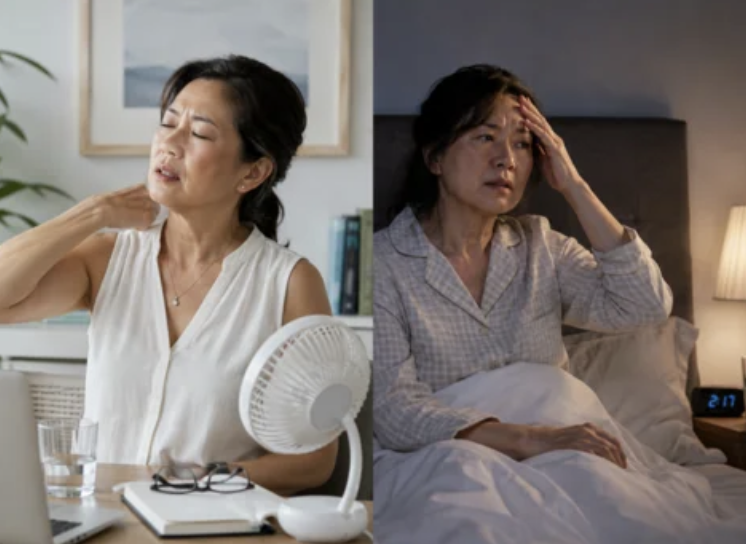
Hot flushes are among the most common symptoms of the perimenopause and the menopause. A sudden feeling of heat, flushing of the face, excessive sweating, waking at night… these symptoms can have a significant impact on quality of life.

Faced with this discomfort, many women look for complementary solutions to live through this hormonal transition more easily. Acupuncture is frequently used to support the menopause and its symptoms.

Why do hot flushes occur during the menopause?

Hot flushes are mainly linked to the hormonal changes that occur during the perimenopause and the menopause.

The gradual decline of certain hormones affects the mechanisms that regulate body temperature.

Symptoms can include:

Intensity and frequency vary considerably from one woman to another.

How does acupuncture view hot flushes?

In Traditional Chinese Medicine, hot flushes are not considered an isolated symptom.

The practitioner looks at all the symptoms present:

  • Sleep quality
  • Level of fatigue
  • Emotional state
  • Digestion
  • Menstrual cycle, if still present
  • Other menopause symptoms

The aim is to carry out an overall assessment in order to adapt the treatment to each woman.

Why consult an acupuncturist during the menopause?

Women frequently consult for:

  • Hot flushes
  • Night sweats
  • Sleep disorders
  • Irritability
  • Mood swings
  • Fatigue
  • Feeling hot at night
  • Discomfort linked to the perimenopause

Each treatment is individualised and takes into account each patient’s own symptoms.

Acupuncture and sleep: a frequent pairing

Night-time hot flushes are often responsible for repeated waking.

Many women report that it is above all the sleep disorders and accumulated fatigue that affect their daily lives.

Acupuncture is frequently included in a holistic approach aimed at supporting the various symptoms associated with the menopause.

When should you consult for hot flushes?

There is no need to wait until the symptoms become severe.

Some women consult from the first signs of the perimenopause:

  • Irregular cycles
  • First hot flushes
  • Sleep disorders
  • Unusual fatigue

Others consult several years after the symptoms began.

Support can be started at any stage of the menopausal transition.

How many sessions are needed?

The number of sessions depends on several factors:

  • How long the symptoms have been present
  • Their frequency
  • Their intensity
  • The patient’s general condition

Regular follow-up is often suggested at the start of treatment in order to adapt it to how the symptoms change.

A holistic approach to the menopause

The menopause is a natural physiological stage in a woman’s life.

Acupuncture looks not only at hot flushes but also at all the changes that may accompany this period:

  • Sleep
  • Energy
  • Stress
  • Mood
  • General comfort

This overall view is one of the fundamental principles of Traditional Chinese Medicine.

Conclusion

Hot flushes can have a significant impact on daily life, particularly when they come with sleep disorders and fatigue. Acupuncture is frequently used to support the menopause, offering a personalised approach that takes into account all the symptoms and each woman’s experience.

FAQ: acupuncture and hot flushes

Can acupuncture be used for hot flushes?

Yes. Many women consult an acupuncturist for support with hot flushes and the other symptoms associated with the menopause.

From what age can you consult for hot flushes?

The first hot flushes can appear as early as the perimenopause. You can consult as soon as the first symptoms appear.

How many acupuncture sessions are needed for hot flushes?

The number of sessions depends on each woman, on how long the symptoms have been present and on how they change.

Can you consult for night sweats?

Yes. Night sweats are among the common reasons for consulting during the perimenopause and the menopause.

Can acupuncture support sleep disorders linked to the menopause?

Many women consult for a set of symptoms that includes hot flushes, waking at night and fatigue.

Can you have acupuncture if you are taking hormone treatment?

Yes. Acupuncture is a complementary approach that can be included in the medical follow-up of the menopause.

When should you start acupuncture for the menopause?

You can consult from the first signs of the perimenopause or at any point in the menopausal transition.

Can acupuncture help you live through the perimenopause more easily?

Many women consult during this period for support with hormonal changes, sleep disorders, mood swings and hot flushes.

Acupuncture and sciatica: can you book a session to relieve the pain?

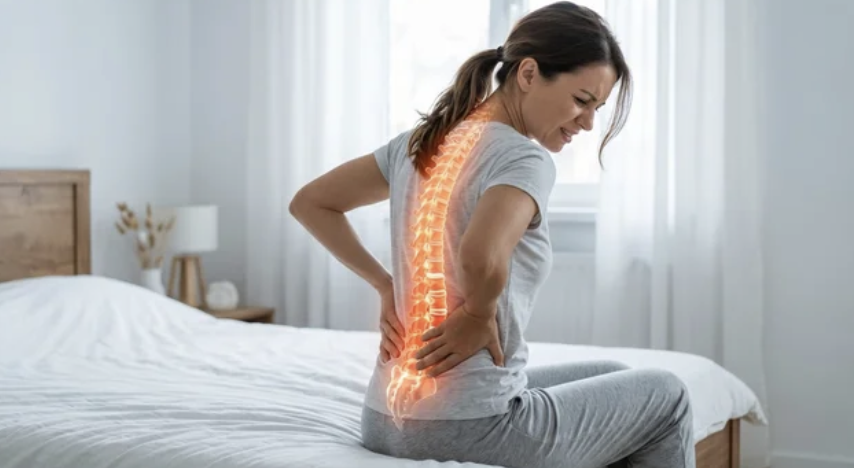
Sciatica is a common pain that can have a significant impact on quality of life. It usually shows up as pain radiating from the lower back to the buttock, the thigh and sometimes down to the foot.

Faced with this pain, which can sometimes be disabling, many people look for complementary approaches to improve their day-to-day comfort. Acupuncture is one of the options frequently used in supporting lower back pain and sciatica.

But when should you book a session? What happens during a session? And what can acupuncture offer?

What is sciatica?

The term “sciatica” refers to pain linked to irritation or compression of the sciatic nerve.

Symptoms may include:

  • Pain in the lower back
  • Pain radiating into the buttock
  • Burning or electric shock sensations in the leg
  • Pins and needles
  • Numbness
  • Discomfort when walking or sitting for long periods

The intensity of symptoms varies from one person to another.

What causes sciatica?

Several factors may be involved:

  • Herniated disc
  • Lumbar joint impingement
  • Significant muscle tension
  • Piriformis syndrome
  • Lumbar osteoarthritis
  • Pregnancy
  • Repeated postural strain

A medical diagnosis may be needed to identify the precise cause of the pain.

Why see an acupuncturist for sciatica?

In Traditional Chinese Medicine, pain is often associated with a disturbance in the circulation of energy and blood in certain areas of the body.

Acupuncture aims to stimulate specific points to support the body in its search for balance.

Patients frequently come for:

  • Lower back pain
  • Acute or chronic sciatica
  • Associated muscle tension
  • Pain radiating into the leg
  • Pain that persists despite rest

Acupuncture is part of an overall approach to care and does not replace medical follow-up when this is needed.

What happens during a session?

The consultation begins with a full assessment.

The practitioner looks in particular at:

  • How long the pain has been present
  • Where it is located
  • What makes it worse or better
  • Medical history
  • The patient’s general health

Following the principles of Traditional Chinese Medicine, the treatment is then personalised according to the person’s constitution and symptoms.

Acupuncture and sciatica during pregnancy

Pregnancy can make sciatic pain more likely because of postural and hormonal changes.

Some pregnant women see an acupuncturist to support these discomforts, particularly when treatment options are limited during this period.

The treatment is then adapted to the stage of pregnancy and to the situation of the mother-to-be.

How many sessions are needed?

The number of sessions depends on many factors:

  • How long the sciatica has been present
  • Its intensity
  • Its cause
  • The patient’s general state of health

Recent sciatica does not usually need the same support as pain that has been present for several months or years.

When should you see a doctor promptly?

Some situations require prompt medical attention:

  • Marked weakness in the leg
  • Difficulty walking
  • Significant loss of sensation
  • Associated bladder or bowel problems
  • Very intense or unusual pain

Acupuncture must never delay a medical assessment when one is needed.

A complementary approach

Acupuncture can be combined with other approaches depending on the patient’s needs:

  • Adapted physical activity
  • Mobility exercises
  • Physiotherapy
  • Osteopathy
  • Medical follow-up

An overall approach to care is often the most relevant way to support lower back pain and sciatica.

Conclusion

Sciatica can have a variety of causes and can greatly affect daily life. Acupuncture is frequently used to support lower back pain and pain radiating into the leg. Each treatment is personalised according to the patient’s situation and forms part of an overall approach to health.

FAQ: acupuncture and sciatica

Can acupuncture help with sciatica?

Acupuncture is frequently used to support lower back pain and sciatica. The treatment is adapted to each patient and to the cause of their symptoms.

How many acupuncture sessions are needed for sciatica?

The number of sessions depends on how long the pain has been present, its intensity and the individual response to treatment.

Can you book a session for chronic sciatica?

Yes. Many people come for pain that has been present for several months or years in order to receive personalised support.

Is acupuncture suitable for pregnant women with sciatica?

Yes. Acupuncture can be practised during pregnancy by a professional trained in supporting pregnant women.

When should you book a session for sciatica?

It is advisable to book a session when the pain persists, limits daily activities or comes with significant discomfort.

Should you choose acupuncture or osteopathy for sciatica?

These two approaches are often complementary. The choice depends on the context, the cause of the pain and the patient’s needs.

Can acupuncture be combined with physiotherapy for sciatica?

Yes. Acupuncture can be included in an overall approach to care that also involves physiotherapy, adapted physical activity or medical follow-up.

Acupuncture to induce labour: what role does acupuncture play at the end of pregnancy?

As their due date approaches, many mothers-to-be look for natural ways to prepare for birth. One of the most frequent questions is whether acupuncture can be used to induce labour.

In reality, acupuncture is used more as part of birth preparation than with the aim of bringing on labour by itself. So when should you come? What happens during the sessions? What are the aims of this support?

acupuncture Aix-en-Provence, pregnant woman doing yoga, fertility

Why have acupuncture at the end of pregnancy?

During the last weeks of pregnancy, the body gradually prepares for birth.

This period may come with:

  • Fatigue
  • Sleep problems
  • Stress or apprehension about the birth
  • Muscle tension
  • Lower back pain
  • Pelvic heaviness
  • Physical discomfort linked to late pregnancy

Acupuncture is frequently used to support these changes and to promote the mother-to-be’s well-being.

Can acupuncture induce labour?

Acupuncture cannot guarantee that labour will start.

The aim of sessions at the end of pregnancy is rather to support the body’s natural mechanisms as it prepares for birth.

In Traditional Chinese Medicine, treatment aims to support the overall balance of the mother-to-be and to accompany her through this transition phase.

Every woman responds differently, and how a pregnancy progresses depends on many factors.

When should birth preparation sessions begin?

Birth preparation sessions are generally offered from the last month of pregnancy.

Depending on the patient’s situation and the practitioner’s usual practice, several sessions may be scheduled in the weeks before the due date.

The aim is to gradually support the physiological changes that occur as the birth approaches.

What are the aims of acupuncture before birth?

End-of-pregnancy consultations may have several aims:

  • Promoting physical and emotional relaxation
  • Supporting sleep problems
  • Reducing some muscle tension
  • Supporting the mother-to-be’s comfort
  • Preparing the body for birth
  • Supporting the last weeks of pregnancy

Treatment is always tailored to each woman’s stage of pregnancy, symptoms and experience.

How many sessions are recommended?

There is no universal protocol.

Some women have one to three sessions before their due date, while others prefer more regular support during the last month of pregnancy.

The frequency depends in particular on:

  • The stage of pregnancy
  • The symptoms present
  • The patient’s needs
  • How the pregnancy is progressing

Is acupuncture compatible with maternity care?

Yes. Acupuncture is a complementary approach that fits in with the care provided by the midwife, gynaecologist or obstetrician.

It never replaces the medical monitoring of the pregnancy.

A holistic approach to the end of pregnancy

Preparing for birth is not only about the big day itself.

Sleep, stress management, physical comfort and the emotional state of the mother-to-be also play an important role during this period.

Acupuncture offers a personalised approach that takes all of these elements into account.

Conclusion

Acupuncture is often used at the end of pregnancy as part of birth preparation. Rather than seeking to bring on labour, the sessions aim to support the natural changes that take place as the due date approaches and to promote the mother-to-be’s well-being.

FAQ: Acupuncture and birth preparation

When should you have acupuncture before birth?

Sessions are generally offered during the last weeks of pregnancy, often from the last month (or from 37 weeks)

Can acupuncture induce labour naturally?

Acupuncture does not guarantee that labour will start. It is mainly used to support the body’s preparation for birth.

How many acupuncture sessions before the due date?

The number of sessions varies for each woman, according to her stage of pregnancy and her specific needs.

From how many weeks of pregnancy can you have acupuncture to prepare for birth?

Birth preparation is generally carried out during the last month of pregnancy or from 37 weeks, depending on the practitioner’s opinion and the patient’s obstetric follow-up.

Can you have acupuncture if you are overdue?

Some women come when their due date is approaching or has passed. Care is always adapted to the situation and provided alongside medical follow-up.

Does acupuncture replace the birth preparation provided by the midwife?

No. Acupuncture is a complementary approach that does not replace antenatal classes or obstetric follow-up.

Is acupuncture useful for managing stress before birth?

Many women come at the end of pregnancy for support with the stress, sleep problems and tension associated with the approaching birth.

Acupuncture during pregnancy: is it possible and when should you consult?

Pregnancy brings many physical, hormonal and emotional changes. Although this period is often associated with joy, it can also bring varying degrees of discomfort as the trimesters go by.

Many mothers-to-be therefore wonder whether acupuncture is compatible with pregnancy. The answer is yes: when it is practised by a professional trained in supporting pregnant women, acupuncture can be used throughout pregnancy, with the treatment adapted to each stage.

Can you have acupuncture during pregnancy?

Yes, acupuncture can be practised during pregnancy.

In Traditional Chinese Medicine, pregnancy is considered a particular period that requires suitable care. The treatment is personalised according to the stage of pregnancy, the symptoms present and the patient’s constitution.

Each consultation begins with an assessment so that the points used can be adapted to the specific situation of the mother-to-be.

Why see an acupuncturist during pregnancy?

There can be many reasons for a consultation.

Pregnant women frequently consult for:

  • Pregnancy nausea and vomiting
  • Fatigue
  • Sleep disorders
  • Stress and anxiety
  • Lower back pain
  • Ligament pain
  • Neck tension
  • Heavy legs
  • Functional digestive disorders
  • Acid reflux
  • Preparation for childbirth

Acupuncture is part of an overall approach to care and never replaces the follow-up provided by the midwife, gynaecologist or obstetrician.

Acupuncture and the first trimester

The first trimester is a period of significant adaptation for the body.

Some women consult for support with:

Pregnancy nausea

Nausea affects many women from the first weeks of pregnancy and can have a significant impact on daily life.

Fatigue

Hormonal changes can lead to significant fatigue, particularly during the first weeks.

Stress in early pregnancy

The news of the pregnancy, worries and the changes ahead can sometimes cause considerable stress.

Acupuncture and the second trimester

The second trimester is often experienced as a more comfortable period.

However, some women may consult for:

  • Back pain
  • Muscle tension
  • Digestive disorders
  • Difficulty sleeping
  • A feeling of heavy legs

The treatment is adapted to the progress of the pregnancy and to the needs of each patient.

Acupuncture and the third trimester

As the birth approaches, new issues may arise.

Consultations frequently concern:

  • Lower back pain
  • Pelvic pain
  • Sleep disorders
  • Fatigue
  • Tension related to the approaching birth

Acupuncture and preparation for childbirth

Some women choose to consult at the end of pregnancy as part of their preparation for childbirth.

In Traditional Chinese Medicine, sessions are adapted to this particular period in order to support the body during the final weeks of pregnancy.

Care is always personalised and provided alongside the usual obstetric follow-up.

How many acupuncture sessions during pregnancy?

There is no single protocol.

Some women consult occasionally for a specific symptom, while others prefer regular support throughout their pregnancy.

The frequency of sessions depends in particular on:

  • The stage of pregnancy
  • The symptoms present
  • The needs of the mother-to-be
  • The aims of the consultation

Is acupuncture safe during pregnancy?

When it is practised by a professional trained in caring for pregnant women, acupuncture is adapted to each stage of pregnancy.

Certain points are specifically avoided during pregnancy and the treatment is always adjusted according to the stage of pregnancy and the patient’s clinical situation.

If in doubt, or in the event of an obstetric complication, medical advice remains essential.

Conclusion

Acupuncture can support pregnant women throughout their pregnancy. Whether for nausea, fatigue, sleep disorders, pain or preparation for childbirth, each treatment is adapted to the mother-to-be and to the progress of her pregnancy.

Acupuncture is part of a complementary approach and never replaces medical or obstetric follow-up.

FAQ: Acupuncture and pregnancy

Can you have acupuncture during pregnancy?

Yes. Acupuncture can be practised during pregnancy by a professional trained in supporting pregnant women.

From when can you have acupuncture when pregnant?

You can consult from the start of pregnancy. The treatment will be adapted to the stage of pregnancy and to the patient’s needs.

Can acupuncture help with pregnancy nausea?

Many women consult for support with first-trimester nausea. The treatment is personalised according to each patient’s symptoms and constitution.

Can you have acupuncture in the first trimester?

Yes. Sessions can be carried out from the first weeks of pregnancy, with precautions suited to this period.

Can acupuncture support preparation for childbirth?

Some women choose to consult at the end of pregnancy as part of their preparation for childbirth, alongside the follow-up provided by their midwife or medical team.

How many acupuncture sessions are needed during pregnancy?

The number of sessions depends on each woman’s needs and on the progress of the pregnancy.

Does acupuncture replace pregnancy follow-up?

No. Acupuncture is a complementary approach that never replaces the medical follow-up provided by healthcare professionals.

Can acupuncture support migraines during pregnancy?

Some women notice migraines appearing or worsening during pregnancy, particularly because of hormonal changes, fatigue, stress or the physiological changes specific to this period.

Acupuncture is frequently used by pregnant women as part of an overall approach to headaches and migraines. The treatment is always adapted to the stage of pregnancy and to the characteristics of each patient.

However, in the case of unusual, intense or persistent headaches, or headaches associated with other symptoms (visual disturbances, high blood pressure, significant oedema, etc.), a prompt medical consultation is essential in order to rule out any complication requiring specific care.

Can you see an acupuncturist for headaches during pregnancy?

Yes. Headaches are among the common reasons for consultation during pregnancy. During the session, the practitioner carries out a full assessment in order to adapt the treatment to the situation of the mother-to-be and to the stage of pregnancy.

As with any headache occurring during pregnancy, medical advice is recommended when the symptoms are unusual or severe, or persist despite the usual measures.

Acupuncture in Aix-en-Provence: why consult?

Acupuncture is a practice that comes from Traditional Chinese Medicine and has been used for several thousand years. More and more people today consult an acupuncture practitioner in Aix-en-Provence to support various functional disorders and improve their everyday well-being.

But when should you consult? What happens in a session? What benefits can you expect? Here is what you need to know.

What is acupuncture?

Acupuncture involves stimulating specific points on the body with very fine single-use needles.

According to the principles of Traditional Chinese Medicine, this stimulation aims to encourage a harmonious flow of energy and to support the body’s capacity for self-regulation.

Acupuncture is part of a holistic approach that takes into account both the symptoms and the person’s general constitution.

Why consult an acupuncture practitioner in Aix-en-Provence?

The reasons for consulting are varied and differ from one person to another.

Patients frequently consult for:

  • Stress and emotional tension
  • Sleep disorders
  • Fatigue
  • Chronic pain
  • Migraines
  • Functional digestive disorders
  • Period pain
  • Symptoms linked to the menopause
  • Fertility support
  • Menstrual cycle imbalances

Acupuncture is generally part of an overall approach to health and does not replace medical follow-up when this is necessary.

What happens in an acupuncture session?

The first consultation begins with an in-depth discussion.

The practitioner looks in particular at:

  • Current symptoms
  • Medical history
  • Sleep
  • Digestion
  • Menstrual cycles in women
  • Level of stress
  • Lifestyle

This assessment makes it possible to establish a personalised treatment according to the principles of Traditional Chinese Medicine.

The needles used are extremely fine and most patients describe minimal or no sensation when they are inserted.

How many sessions are needed?

There is no single number of sessions that applies to all patients.

The frequency depends in particular on:

  • The reason for consulting
  • How long the symptoms have been present
  • The person’s constitution
  • The goals sought

Some situations require a few sessions, while others may benefit from more regular support.

Acupuncture and women’s health

Acupuncture is particularly valued for supporting the different stages of a woman’s life.

Consultations concern in particular:

  • Irregular cycles
  • Premenstrual syndrome
  • PCOS
  • Endometriosis
  • Wanting to become pregnant
  • Assisted reproduction (ART)
  • Pregnancy
  • The menopause

The approach is always individualised and adapted to each woman’s specific needs.

Why choose acupuncture in Aix-en-Provence?

Many residents of Aix-en-Provence are now looking for complementary approaches to support their health and quality of life.

Acupuncture offers individualised care that takes into account how the person functions as a whole, their lifestyle and their goals.

Conclusion

Whether to support stress, sleep disorders, chronic pain or women’s health issues, acupuncture is a holistic and personalised approach. A consultation makes it possible to carry out a full assessment in order to determine the most suitable treatment for each situation.

FAQ: acupuncture in Aix-en-Provence

Why consult an acupuncturist in Aix-en-Provence?

The most common reasons for consulting are stress, sleep disorders, chronic pain, functional digestive disorders, migraines, period pain and fertility support.

Does acupuncture hurt?

The needles used are very fine. Most patients feel little or no pain during the session.

How many acupuncture sessions are needed?

The number of sessions varies according to the problem, how long it has been present and the patient’s goals.

Can I consult if I am planning a pregnancy?

Yes. Many women consult because they want a child, for fertility support or during ART.

Do I need to come at a specific point in my menstrual cycle?

No. Support can begin at any point in the cycle. In Traditional Chinese Medicine, treatment is adapted to the imbalances observed across the whole cycle and not only to the phase the patient is in on the day of the consultation.

Is acupuncture compatible with medical follow-up?

Yes. Acupuncture is a complementary approach and never replaces the follow-up provided by your doctor or specialist.

Is acupuncture reimbursed?

Some French top-up health insurers (mutuelles) cover all or part of acupuncture consultations. It is advisable to check directly with your top-up insurer.

When should you have acupuncture to get pregnant?

fertility acupuncture Aix-en-Provence, trying for a baby, conception, assisted reproduction, IVF
acupuncture to get pregnant

More and more women are taking an interest in acupuncture when planning a pregnancy. Whether conception is natural or assisted reproduction (ART) is being considered, acupuncture is often used as a complementary approach to support patients.

But when should sessions begin? How long before a pregnancy? How often should you come? Here is what you need to know.

Why see an acupuncturist when trying for a baby?

According to the principles of Traditional Chinese Medicine, acupuncture aims to promote the overall balance of the body.

When planning a pregnancy, patients frequently come in order to:

  • Support the wish to become pregnant
  • Encourage a more regular menstrual cycle
  • Support women with PCOS
  • Reduce the stress of trying to conceive
  • Support an assisted reproduction journey
  • Support general well-being before a pregnancy

Acupuncture does not replace gynaecological or medical care and forms part of an overall approach to care.

When should you start acupuncture to encourage a pregnancy?

Ideally, it is often best to begin several months before trying to conceive.

In Chinese medicine, it is generally recommended to prepare the body over several menstrual cycles in order to support the various mechanisms involved in female fertility.

Many practitioners recommend support over a period of 3 to 6 months where possible.

This length of time makes it possible to follow several cycles and to adapt the sessions according to how they change.

Should you have an acupuncture session at the time of ovulation?

No. Contrary to a common belief, there is no need to come exactly at the time of ovulation in order to work on this phase of the cycle.

In Traditional Chinese Medicine, treatment is not limited to the phase of the cycle the patient is in on the day of the consultation. During the assessment, the practitioner analyses the whole menstrual cycle in order to identify any imbalances: quality of periods, follicular phase, ovulation, luteal phase or premenstrual syndrome.

A patient can therefore come during her luteal phase and receive treatment aimed at supporting ovulation in the following cycle. In the same way, a consultation during a period can make it possible to work on imbalances observed after ovulation or in the second half of the cycle.

Acupuncture looks at how the menstrual cycle works as a whole. Treatment is therefore adapted to the patient’s needs and not only to the phase of the cycle at the time of the session.

This approach offers a great deal of flexibility: support can begin at any point in the cycle, without waiting for a particular time.

Acupuncture and assisted reproduction

Acupuncture is frequently used alongside assisted reproduction (ART).

Some patients come:

  • Before ovarian stimulation
  • During IVF
  • During intrauterine insemination (IUI)
  • Before and after an embryo transfer

The aim is to support physical and emotional well-being throughout this often demanding journey.

How many sessions are needed?

The number of sessions varies according to:

  • The patient’s age
  • Her gynaecological history
  • How regular her cycles are
  • How long she has been trying to conceive
  • Whether PCOS or endometriosis is present
  • The assisted reproduction context

In general, regular follow-up over several cycles is often offered.

Can you continue acupuncture after a positive test?

Yes. Some women continue their sessions in early pregnancy.

Acupuncture is then adapted to this new period in order to support the physiological changes of pregnancy.

The importance of a holistic approach

Fertility depends on many factors.

Acupuncture ideally fits into a holistic approach that includes:

  • Appropriate medical follow-up
  • A balanced diet
  • Regular physical activity
  • Good stress management
  • Good-quality sleep

As every situation is unique, personalised support makes it possible to adapt the sessions to each patient’s needs.

Conclusion

If you would like to get pregnant, it is generally advisable to start acupuncture several months before conception in order to support the menstrual cycle and prepare the body. Whether for natural conception or an assisted reproduction journey, acupuncture can form part of an overall, personalised approach to care.

FAQ: Acupuncture and fertility

When should you start acupuncture to get pregnant?

It is often recommended to begin sessions around 3 to 6 months before trying for a pregnancy in order to support several menstrual cycles.

How many acupuncture sessions does it take to get pregnant?

The number of sessions depends on each situation. Regular follow-up over several cycles is frequently offered.

Can acupuncture help with PCOS?

Some women with PCOS consult an acupuncturist as part of an overall approach to their fertility, alongside their medical follow-up.

Can you have acupuncture during IVF?

Yes, many patients choose to include acupuncture in their assisted reproduction journey, alongside the care provided by their medical team.

Does acupuncture increase the chances of pregnancy?

Results vary from patient to patient and from one situation to another. Acupuncture does not guarantee a pregnancy but can form part of an overall approach to trying to conceive.

Can you continue acupuncture after becoming pregnant?

Yes, sessions can be continued during pregnancy, with care adapted to this period.