When should you have acupuncture to get pregnant?

fertility acupuncture Aix-en-Provence, planning a baby, conception, ART, IVF
acupuncture to get pregnant

You are planning a pregnancy and wondering when to start acupuncture to support fertility? Acupuncture may be offered as a complementary approach when you wish to become pregnant, whether you hope to conceive naturally or are going through assisted reproduction (ART).

When a pregnancy is being considered, it can be worthwhile to start the support a few months before trying to conceive, ideally around 2 to 3 months ahead. This allows time to observe your cycle and to set up personalised support.

But there is absolutely no need to wait several months before booking: acupuncture can begin at any point in the cycle and at any stage of your pregnancy plans.

Why start acupuncture before trying to get pregnant?

In Traditional Chinese Medicine, fertility support does not necessarily begin the moment you stop contraception.

The consultation takes the whole person into account: the menstrual cycle, sleep, digestion, stress levels, fatigue, general health and any symptoms associated with the cycle.

Starting sessions a few months before trying to conceive can make it possible to observe several cycles and to adapt the support gradually.

Acupuncture may therefore be considered as part of a pregnancy plan to support, in particular:

Acupuncture does not guarantee a pregnancy and does not replace medical tests or medical care when these are needed.

Should acupuncture be done at the time of ovulation?

No. There is no need to come only at the time of ovulation.

An acupuncture session can take place at any point in the menstrual cycle. You do not need to know your exact ovulation date to start receiving support.

The timing of the session is adapted to your situation, your symptoms and the aim of the consultation.

Depending on your needs, sessions can therefore take place during your period, after menstruation, around the ovulatory phase or after ovulation.

The idea is to offer regular, personalised support throughout the cycle rather than systematically concentrating sessions around ovulation.

Acupuncture and the menstrual cycle

The cycle is an important element of an acupuncture consultation when planning a pregnancy.

I may take into account the regularity and length of your cycles, any pain, premenstrual syndrome, sleep quality, digestion, fatigue and stress levels.

The aim is to understand your situation as a whole in order to adapt the sessions.

You therefore do not need a perfectly regular cycle, or to know your exact ovulation date, to book a consultation.

Acupuncture and natural fertility

When a couple wishes to conceive naturally, acupuncture can be part of a complementary approach to the pregnancy plan.

Some women choose to start sessions 2 to 3 months before trying to conceive, so as to take time to observe their cycle and receive support over several cycles.

Others come when they have already started trying.

In both cases, there is no need to schedule sessions exclusively around ovulation.

Acupuncture cannot guarantee a pregnancy and should not be presented as a treatment for infertility.

If you are having difficulty conceiving, a medical assessment can look for possible causes and adapt the care accordingly.

Acupuncture and the ART journey

Acupuncture may also support some women going through ART, IVF or artificial insemination.

Support can begin before the protocol and continue through its different stages, according to your needs and the recommendations of the medical team.

Sessions are not necessarily scheduled solely around ovulation. They can be adapted to the protocol calendar, to the cycle and to each woman’s situation.

The aim is to offer complementary support alongside the medical pathway.

Acupuncture does not replace hormone treatments, tests or the recommendations of the fertility team.

What if I have endometriosis?

Endometriosis can affect daily life and sometimes plans for a pregnancy.

When endometriosis has been diagnosed, acupuncture may be offered alongside gynaecological follow-up and fertility care.

It may in particular support some of the pain or discomfort associated with the cycle.

Planning a pregnancy with endometriosis calls for individualised care with the health professionals who follow your situation.

When should you start acupuncture to get pregnant?

There is no universal medical time frame requiring acupuncture to start three months before trying to conceive.

However, starting 2 to 3 months ahead can be worthwhile as part of a support approach, as it allows time to observe several cycles and to adapt the sessions gradually.

But if you have already started trying for a baby, it is not too late to book a consultation.

You can book an appointment at any point in your cycle, without waiting for your next ovulation.

What happens during a fertility acupuncture session?

The consultation begins with an in-depth discussion about your pregnancy plans and your general health.

I look in particular at your menstrual cycle, sleep, digestion, stress levels, fatigue and any symptoms associated with the different phases of the cycle.

If you are going through ART, the medical protocol and its calendar are also taken into account.

The session is then adapted to your situation.

Follow-up can evolve from cycle to cycle and according to your needs.

Why choose fertility acupuncture in Aix-en-Provence?

I offer acupuncture consultations in Aix-en-Provence, with an approach particularly focused on women’s health and support for pregnancy plans.

Whether you wish to start sessions before trying to conceive, are already trying, or are going through ART, the support is personalised.

There is no need to wait for ovulation to book a consultation: a session can take place at any point in the cycle.

Acupuncture is a complementary approach and does not replace medical or gynaecological follow-up.

Book an appointment

Are you planning a pregnancy and would like support from acupuncture?

You can start sessions a few months before trying to conceive or book now, whatever point you are at in your cycle.

Fertility acupuncture consultations in Aix-en-Provence.


FAQ: acupuncture and fertility

When should you start acupuncture to get pregnant?

It can be worthwhile to start 2 to 3 months before trying to conceive so that several cycles can be observed. However, you can start at any time, including once you have already started trying.

Should acupuncture be done at the time of ovulation?

No. There is no need to schedule a session at the exact time of ovulation. Acupuncture can be carried out at any point in the cycle and the session calendar is adapted to your situation.

Can you start acupuncture during your period?

Yes. A consultation can take place during your period. The point in the cycle does not prevent you from starting support.

Do you need to know your ovulation date to have acupuncture?

No. You do not need to know your exact ovulation date to book a consultation. The cycle and how it changes can be taken into account over the sessions.

How long before a pregnancy should you have acupuncture?

There is no mandatory time frame. Starting 2 to 3 months before trying to conceive can allow support over several cycles, but you can book a consultation at any stage of your pregnancy plans.

Does acupuncture increase the chances of getting pregnant?

Acupuncture does not guarantee a pregnancy. It may be offered as a complementary approach when planning to conceive, but it does not replace medical tests or medical care if you are having difficulty conceiving.

Can you have acupuncture while trying for a baby?

Yes. Acupuncture can be offered while you are trying to conceive, with care adapted to your cycle and your situation.

Acupuncture and IVF: when to start?

Support can begin before an IVF protocol and may continue during it. Sessions are adapted to the protocol calendar and should remain complementary to the follow-up provided by the medical team.

Can acupuncture support endometriosis and the wish to become pregnant?

It may be offered as a complementary approach to support some manifestations of endometriosis, in particular pain and some kinds of discomfort. It does not treat endometriosis lesions and does not replace gynaecological care.

Where can you have fertility acupuncture in Aix-en-Provence?

I offer acupuncture and Traditional Chinese Medicine consultations in Aix-en-Provence, with an approach particularly focused on women’s health, fertility and support for pregnancy plans.

Acupuncture: what are the reasons to consult?

acupuncture Aix-en-Provence sleep

Are you wondering why have acupuncture, in which situations it may be worthwhile, or what acupuncture can support? Rooted in Traditional Chinese Medicine, acupuncture offers a holistic approach that considers the person as a whole.

It can be used on its own or alongside medical care, depending on the reason for the visit and each person’s needs.

What is acupuncture?

Acupuncture is a Traditional Chinese Medicine practice that involves stimulating specific points on the body, in particular with fine needles.

Traditional Chinese Medicine views the body as a whole in which the different functions are interdependent. During a consultation, the aim is therefore to look not only at the symptom, but also at the general context in which it appears.

A session begins with a conversation to better understand your request, your general health, your sleep, your digestion, your stress levels and, where relevant, your menstrual cycle.

The treatment is then tailored to you.

Why have acupuncture?

There are many reasons to consult. Some people come for a specific problem, while others would like support during a particular period of their life.

Acupuncture may be considered in particular to support:

It is important to remember that acupuncture does not replace a medical diagnosis or treatment when these are needed.

Acupuncture and stress

Stress can show itself in different ways: physical tension, difficulty falling asleep, fatigue, a feeling of not recovering enough, or digestive discomfort.

Acupuncture may be offered as a complementary approach during periods of stress or overload.

The session is also a chance to take some time for yourself and to receive holistic care, adapted to each person’s situation.

Acupuncture and sleep

Sleep difficulties can take different forms: trouble falling asleep, waking in the night or unrefreshing sleep.

In Traditional Chinese Medicine, sleep is taken into account in the overall assessment of the person.

An acupuncture consultation may therefore be considered to support sleep problems, particularly when they arise in a context of stress, fatigue or hormonal changes.

In the case of persistent or severe insomnia, it is also advisable to look for a possible medical cause with a healthcare professional.

Acupuncture and women’s health

Women’s health holds an important place in my practice.

Acupuncture and Traditional Chinese Medicine can support different stages of a woman’s life:

The menstrual cycle

Some women consult for period pain, premenstrual syndrome or various discomforts associated with the cycle.

Acupuncture can then be part of a holistic approach to care.

Endometriosis

Endometriosis can have a significant impact on quality of life.

Acupuncture can be used as a complementary approach to support certain symptoms, in particular pain or fatigue.

It does not make endometriosis lesions disappear and does not replace gynaecological follow-up.

Fertility and assisted reproduction

Some women would also like acupuncture support during a fertility journey or assisted reproduction (ART).

In this context, the aim is to offer complementary support, in coordination with the medical pathway and the professionals overseeing it.

Pregnancy and postpartum

Pregnancy brings many physical and emotional changes.

Acupuncture may be considered in certain situations during pregnancy, with care adapted to the stage of pregnancy and to each woman’s situation.

After the birth, it can also support the postpartum period.

What are the benefits of acupuncture?

People often search online for “acupuncture benefits” or “does acupuncture work?”.

The answer depends a great deal on the reason for the visit and on the person.

Acupuncture has been studied for many indications, with levels of evidence that vary from one condition to another. It should therefore not be presented as a universal solution.

Its value may lie in particular in an individualised and complementary approach, especially when several factors contribute to a discomfort.

The aim of a consultation is above all to understand your situation and to offer appropriate support.

What does acupuncture treat?

People often ask: “What does acupuncture treat?”

It is more accurate to talk about what acupuncture can support, because it does not replace medical treatment and should not be presented as able to cure every illness.

It can in particular be part of the support for certain types of pain, stress, sleep problems, certain functional disorders and various issues related to women’s health.

If symptoms are new, severe or persistent, medical advice is essential.

What happens during an acupuncture session?

The first part of the consultation is devoted to conversation.

I ask about the reason for your visit, but also about different aspects of your daily life: sleep, digestion, diet, stress levels, menstrual cycle where relevant, medical history and how your symptoms have changed.

This approach gives a more complete picture of your situation.

The acupuncture session is then adapted to your needs. The needles used are very fine and the points are stimulated in line with hygiene and safety rules.

The length and frequency of sessions depend on the reason for the visit and on your progress.

Acupuncture or osteopathy: which approach should you choose?

Acupuncture and osteopathy are two different approaches.

Osteopathy looks in particular at the mobility of the body’s different structures and at the tensions that may contribute to certain discomforts.

Acupuncture belongs to the approach of Traditional Chinese Medicine and uses the stimulation of specific points on the body.

In some cases, the two approaches can complement each other. The choice depends on the reason for your visit and on your needs.

Why consult for acupuncture in Aix-en-Provence?

If you are looking for acupuncture in Aix-en-Provence, I offer consultations with a personalised approach in Traditional Chinese Medicine.

My practice focuses particularly on women’s health, with support available around the menstrual cycle, endometriosis, fertility, pregnancy, the postpartum period and menopause.

Acupuncture can also be offered to support stress, sleep, certain types of pain and various functional disorders.

Each consultation is adapted to the person and their situation.

Book an appointment

Would you like to know whether acupuncture may suit your situation?

A first consultation is an opportunity to review your request and determine the most appropriate approach.

Acupuncture and Traditional Chinese Medicine consultations in Aix-en-Provence.


FAQ: Acupuncture

Does acupuncture work?

The effectiveness of acupuncture varies with the reason for the visit. The scientific data are more or less favourable depending on the indication. It can be used as a complementary approach and does not replace necessary medical treatment.

Does acupuncture hurt?

The needles used in acupuncture are very fine. The sensation varies from person to person and with the points stimulated. Some people feel a slight sensation when the needle is inserted.

How many acupuncture sessions are needed?

There is no number of sessions that is the same for everyone. The frequency depends on the reason for the visit, how long the problem has been present and the progress observed from one session to the next.

Can acupuncture be used for stress?

Yes, acupuncture may be offered as a complementary approach during periods of stress or tension, particularly when these come with sleep difficulties or other discomforts.

Can you have acupuncture during pregnancy?

Acupuncture may be considered in certain situations during pregnancy, with appropriately adapted care. It never replaces medical, obstetric or midwife follow-up.

Can acupuncture support endometriosis?

Yes, it can be used as a complementary approach to support certain symptoms of endometriosis, in particular pain. It does not treat the lesions and does not replace gynaecological follow-up.

Where can you have acupuncture in Aix-en-Provence?

I offer acupuncture and Traditional Chinese Medicine consultations in Aix-en-Provence, with an approach focused particularly on women’s health.

Stress and fertility: an underestimated factor that can hold back your plans for a baby

When trying for a baby, attention is often focused on hormones, ovulation, ovarian reserve or the quality of the semen analysis.

But one essential element is still too often overlooked:  chronic stress.

Yet fertility does not depend only on the ovaries or the testes. It rests on a subtle balance between the hormonal system, the nervous system and blood circulation.

In this article, we will look at why stress can affect fertility and, above all, how to address it effectively.

How does stress affect fertility?

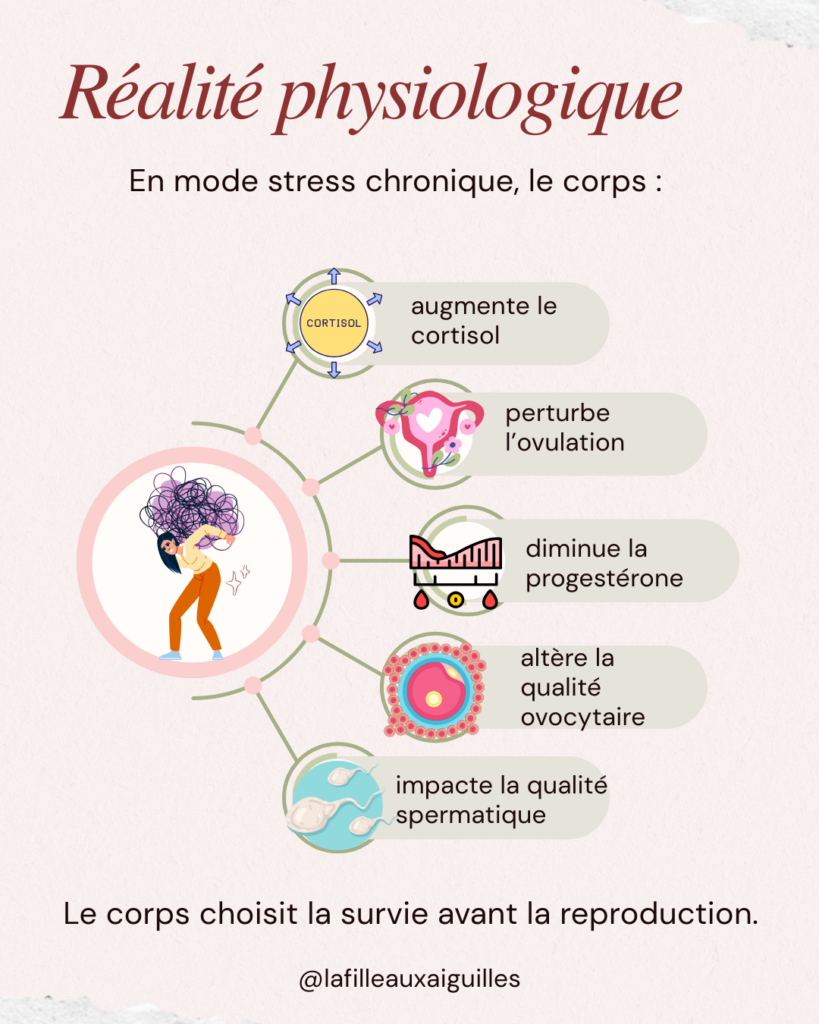
When stress becomes chronic, the body permanently activates the hypothalamic-pituitary-adrenal axis, which is responsible for producing cortisol.

This mechanism is useful in a one-off situation.
But in the long term, it can disrupt reproductive balance.

In women

Excess cortisol can:

  • Disrupt communication between the brain and the ovaries
  • Delay or block ovulation
  • Reduce progesterone production
  • Worsen premenstrual syndrome
  • Alter the quality of the luteal phase
  • Affect the blood supply to the uterus

When the body perceives a state of alert, it does not prioritise reproduction.

In men

Chronic stress can also:

  • Impair sperm quality
  • Reduce sperm motility
  • Influence sperm DNA fragmentation

Male fertility is also sensitive to emotional and nervous state.

Why is stress underestimated during assisted reproduction or when trying for a baby?

Because it is often played down.

People frequently hear:
“You just need to relax.”

But without practical support, this instruction can make people feel guilty.

The stress of the medical journey, the waiting times, the tests or repeated failures is real.
It deserves specific care.

Acupuncture and fertility: support for the nervous and hormonal systems

Acupuncture is now used alongside natural conception or assisted reproduction (ART).

In particular, it may act on:

  • The regulation of the autonomic nervous system
  • Lowering cortisol
  • Improving blood circulation to the uterus
  • The oestrogen / progesterone balance
  • Egg quality

Several studies suggest that acupuncture is of interest in supporting fertility problems, notably by reducing stress and improving the uterine environment.

As part of a holistic approach, it may help the body gradually leave “hypervigilance” mode, to encourage conditions more favourable to conception.

The value of osteopathy when trying for a baby

Osteopathy complements this care by working on:

  • Tension in the pelvis
  • Uterine mobility
  • The diaphragm (a key area for regulating stress)
  • Pelvic circulation

A more mobile pelvis and better circulation may support reproductive function.

Complementary techniques: breathing and yoga

Deep breathing and some yoga practices activate the parasympathetic system, which is responsible for rest and recovery.

They help to:

  • Improve heart rate variability
  • Reduce nervous overactivation
  • Regulate emotions better
  • Improve sleep quality

This work on the nervous system is often a major lever when trying for a baby takes a long time or is emotionally intense.


Fertility: a holistic and personalised view

Fertility is not only a biological question.
It is an overall balance.

Hormones, circulation, nervous system, emotional state: everything is interconnected.

Addressing stress does not mean that “it is all psychological”.
It means supporting the physiological terrain as a whole.


Are you trying for a baby in Aix-en-Provence or Cadenet?

I offer personalised support in acupuncture and osteopathy, adapted to your cycle and your situation (natural conception or assisted reproduction), in liaison with your doctor or medical team.

📍 Practice in Aix-en-Provence
📍 Practice in Cadenet

Holistic support can make a difference.

👉 Book an appointment online


Acupuncture and hormones

An acupuncture session in progress: a patient lying on a treatment table receives fine needles placed on strategic points of the body to rebalance her hormones and promote her well-being.

Acupuncture and hormonal balance: a natural approach

Hormonal balance plays a fundamental role in our general well-being. When our hormones are out of balance, this can lead to various problems such as fatigue, sleep disorders, weight problems, stress or menstrual imbalances. Acupuncture, a Traditional Chinese Medicine practised for thousands of years, offers a natural approach to support and rebalance the endocrine system.

How does acupuncture act on hormones?

Acupuncture involves inserting fine needles at precise points on the body in order to stimulate the flow of energy (Qi) and regulate physiological functions. Some studies suggest that this technique may help modulate hormones by acting on the central nervous system and influencing hormone secretion.

Some studies suggest that acupuncture may:

  • Regulate cortisol production, the stress hormone, thereby reducing the negative effects of chronic stress. Excessive cortisol secretion can lead to fatigue, sleep disorders, weight gain and immune imbalances. By stimulating certain acupuncture points, a relaxation response of the parasympathetic nervous system is encouraged, contributing to better management of stress and anxiety.
  • Stimulate the secretion of endorphins, the feel-good hormones that help reduce pain and improve mood. This can be particularly beneficial for people suffering from chronic pain or mild to moderate depression, alongside their medical care.
  • Act on the hypothalamic-pituitary-adrenal axis, which regulates many hormonal functions, including the management of metabolism, energy and the stress response. Acupuncture may help improve communication between these glands to encourage a more stable balance.
  • Modulate the production of sex hormones, such as oestrogen, progesterone and testosterone. These hormones are essential for regulating the menstrual cycle, fertility, libido and bone health. A good balance of these hormones is crucial for reproductive health and general well-being.

Acupuncture for different hormonal imbalances

1. Acupuncture and menstrual disorders

Hormonal imbalances can cause irregular periods, period pain or premenstrual syndrome (PMS). Acupuncture helps restore a harmonious hormonal cycle by acting on the meridians associated with the reproductive organs, in particular the liver, kidneys and spleen.

  • Improved blood circulation in the pelvic area, encouraging a better supply of nutrients to the uterus and ovaries.
  • Reduced inflammation and pain by releasing endorphins and regulating prostaglandins, which are involved in menstrual cramps.
  • Stabilised hormonal fluctuations, thereby reducing the irritability, bloating and fatigue linked to premenstrual syndrome.

2. Acupuncture and the menopause

Hot flushes, night sweats, insomnia and mood swings are common symptoms of the menopause linked to hormonal fluctuations. Some studies suggest that acupuncture may ease these symptoms by regulating oestrogen levels and stimulating the production of feel-good hormones.

  • Fewer hot flushes through its action on the autonomic nervous system and the regulation of body temperature.
  • Better sleep by balancing melatonin production and reducing the anxiety linked to hormonal imbalances.
  • Support for bone density by modulating oestrogen levels and stimulating blood circulation in the bones.

3. Acupuncture and fertility problems

Whether to support natural conception or to accompany assisted reproduction (ART), acupuncture can support fertility, in liaison with the medical team, by helping to balance the hormones involved in ovulation and to improve blood flow to the uterus.

  • Regulation of the menstrual cycle, encouraging regular ovulation and better egg quality.
  • Improved endometrial receptivity, which is essential for embryo implantation.
  • Reduced stress, which can have a negative impact on fertility by affecting the hypothalamic-pituitary axis.
  • Optimised FSH, LH and progesterone levels, key hormones in the reproductive process.

4. Acupuncture and thyroid disorders

Hypothyroidism and hyperthyroidism are often associated with hormonal imbalances affecting metabolism, mood and energy. Acupuncture helps regulate thyroid activity by stimulating the energy points corresponding to endocrine functions.

  • Support for thyroid hormone production, by improving communication between the hypothalamus, the pituitary gland and the thyroid gland.
  • Less fatigue and more energy by stimulating the kidney and spleen meridians, which are essential for healthy thyroid function.
  • Reduced inflammation, which can worsen autoimmune thyroid diseases such as Hashimoto’s or Graves’ disease.

Conclusion

Acupuncture is a natural solution, complementary to medical treatment, for supporting hormonal balance. By working on the body’s energy imbalances, it may encourage harmonious functioning of the endocrine system and so improve quality of life. Whether you suffer from menstrual disorders, the menopause, infertility or thyroid imbalances, acupuncture can be a valuable aid in restoring hormonal harmony. For personalised support, it is advisable to consult a qualified acupuncturist so that the treatment can be adapted to your specific needs.

Acupuncture and fertility: a natural approach to support conception

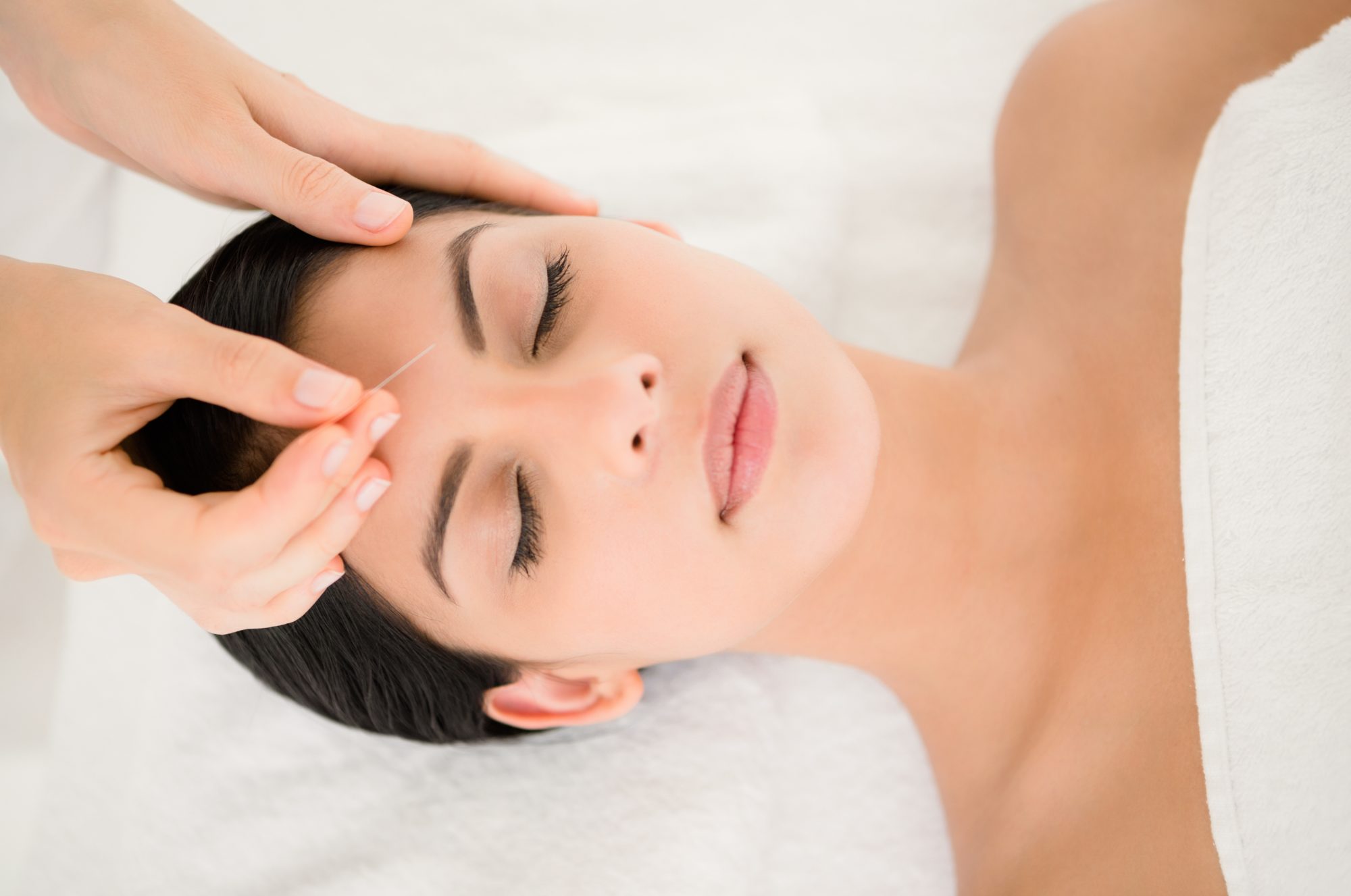
Acupuncture session to support fertility, with needles placed on strategic points of the body.

Acupuncture is increasingly used to support fertility, whether on a natural path or alongside assisted reproduction (ART). How does it work? What are its benefits? An explanation.

Acupuncture and fertility: how does it work?

Acupuncture, which comes from Traditional Chinese Medicine, is based on stimulating specific points on the body with fine needles. The aim is to restore energy balance and optimise physiological functions, particularly those involved in reproduction.

1. Improved blood circulation

Acupuncture may promote better blood circulation to the uterus and ovaries. This could contribute to the quality of the endometrium and thereby to implantation of the embryo.

2. Hormonal regulation and stimulation of ovulation

Hormonal disorders such as polycystic ovary syndrome (PCOS) or luteal insufficiency can impair fertility. Acupuncture may help regulate the menstrual cycle and support ovulation and egg quality.

3. Reducing stress and anxiety

Stress is a major factor in infertility. By stimulating the production of endorphins and reducing cortisol levels, acupuncture can contribute to better emotional balance, which is favourable to conception.

4. Improving male fertility

Acupuncture is not only for women. It can also improve sperm quality by acting on the concentration, motility and morphology of sperm.

Acupuncture and ART: an ally of in vitro fertilisation (IVF)

Acupuncture is often used alongside ART treatments, in liaison with the medical team. Some studies suggest that it may increase IVF success rates by improving the receptivity of the uterus and reducing the side effects of hormonal treatments.

A meta-analysis published in Fertility and Sterility observed an increase in the chances of pregnancy in women who received acupuncture sessions before and after embryo transfer.

When should you start acupuncture to support your fertility?

It is recommended to start acupuncture several months before trying to conceive, naturally or with assistance. An approach over 3 to 6 months helps support cycles, egg quality and the body’s general condition.

Conclusion

Acupuncture is a natural and complementary approach that may be helpful in supporting fertility. By helping to regulate the cycle, support egg quality and reduce stress, it can be a real asset, whether for natural conception or as part of ART.

Would you like to try acupuncture to support your fertility? Consult a specialised practitioner for personalised support.

Acupuncture before egg retrieval and embryo transfer: an asset for fertility

Acupuncture session to optimise fertility before IVF: a natural approach to improve endometrial receptivity and reduce stress

Acupuncture is increasingly used as support during assisted reproduction (ART). It can play a role before egg retrieval and embryo transfer by helping to optimise the conditions for in vitro fertilisation (IVF). Find out how this natural approach can support your journey, alongside your medical team.

Acupuncture and fertility: a complementary approach

Acupuncture, which comes from Traditional Chinese Medicine, acts on the body’s energy balance by stimulating specific points with fine needles. It may promote blood circulation, reduce stress and help regulate the hormonal system, three essential factors for successful assisted reproduction .

Some studies suggest that acupuncture may increase IVF success rates by improving endometrial receptivity and reducing uterine contractions after embryo transfer. It may also help to reduce the side effects of hormone treatments and to improve egg quality.

Acupuncture before egg retrieval: optimal preparation

Before egg retrieval, acupuncture may help to:

  • Improve blood supply to the ovaries : better blood circulation in the ovaries promotes egg maturation.
  • Reduce inflammation and pain : acupuncture may help to reduce the discomfort linked to hormonal stimulation and to the retrieval itself.
  • Regulate stress and anxiety : the period before egg retrieval is often a source of anxiety. Acupuncture may bring deep relaxation and promote a calmer emotional state.

Acupuncture before embryo transfer: encouraging implantation

Embryo transfer is a key stage in the IVF process. Acupuncture before this procedure may help to:

  • Promote endometrial receptivity : a thick, well-supplied uterine lining improves the chances of the embryo implanting.
  • Reduce uterine contractions : some women experience spasms after the transfer, which may compromise implantation. Acupuncture may help to relax the uterus.
  • Support hormonal balance : by stimulating the production of progesterone, which is essential for maintaining pregnancy.

What studies say about acupuncture in assisted reproduction

Several studies have looked at acupuncture in IVF protocols, with encouraging but still limited results. A meta-analysis published in Fertility and Sterility observed that acupuncture carried out around embryo transfer may increase pregnancy rates.

Another study carried out in Germany suggests that the embryo implantation rate may be higher in women who had acupuncture sessions before and after embryo transfer.

When should you start acupuncture for assisted reproduction?

Ideally, it is advisable to begin acupuncture several weeks before the start of the IVF protocol, with one session a week. Before egg retrieval and transfer, more frequent sessions may be recommended to maximise the effects.

Conclusion

Acupuncture is a valuable complementary approach for women undergoing assisted reproduction. By supporting egg quality, the preparation of the uterus for implantation and stress reduction, it can support IVF, alongside the medical team. If you are considering an assisted reproduction protocol, including acupuncture in your journey could be a real asset.

Would you like to try acupuncture to support your fertility? Consult a specialised practitioner for personalised support adapted to your situation.

Vitamin D and AMH

fertility, PCOS, endometriosis, IVF, AMH, ovarian reserve

Vitamin D and AMH: how are they linked in female fertility?

Female reproductive health depends on many factors, including the influence of vitamin D on anti-Müllerian hormone (AMH). These two elements play a central role in fertility, in particular by acting on ovarian reserve and egg quality. Let us look at how vitamin D may optimise AMH levels and support ovarian health.


What is AMH and why does it matter?

AMH is a hormone produced by the ovarian follicles and used as a key indicator of ovarian reserve. An adequate AMH level reflects a good number of follicles and a potential ability to conceive. However, many factors, including vitamin D, influence these levels.


The role of vitamin D in AMH

1. A direct action on the ovaries

Vitamin D acts through its receptors (VDR), which are present in the ovaries. It stimulates AMH production and improves the sensitivity of the follicles to this hormone. These biological effects strengthen egg maturation and support ovarian health.

2. A beneficial indirect impact

By reducing oxidative stress and supporting egg quality, vitamin D creates an environment favourable to fertility. These indirect mechanisms add to its hormonal effects.


What studies say about this link

Statistics and clinical studies

  • In vitro fertilisation (IVF): some studies suggest that women with an optimal vitamin D level during their IVF treatment may be more likely to conceive in summer than in winter.
  • Polycystic ovary syndrome (PCOS): in women with PCOS, some studies suggest that vitamin D supplementation may help normalise high AMH levels and thereby improve ovarian function.

How common vitamin D deficiency is

Vitamin D deficiency is common in women of childbearing age. In France, a significant proportion of women may have insufficient levels (<30 ng/ml), and some of them severe deficiency (<20 ng/ml). This deficit could impair AMH production and reduce fertility.


The benefits of vitamin D supplementation

Correcting a vitamin D deficiency can have significant effects:

  • Increased AMH: moderate supplementation may have beneficial effects, particularly in women with PCOS.
  • Better chances of pregnancy: during IVF, some studies suggest that an optimal vitamin D level may improve the chances of success.

However, these benefits need to be confirmed by further research. Supplementation should always be supervised by a health professional to avoid adverse effects linked to an overdose.


Conclusion: optimising vitamin D to support your fertility

Vitamin D plays an essential role in regulating AMH and, by extension, in female fertility. Maintaining adequate vitamin D levels through a rich diet (oily fish, dairy products, eggs), moderate sun exposure and, if necessary, supplementation can be a simple and worthwhile strategy for supporting reproductive health.

Tip: if you are affected by fertility problems or would like to check your vitamin D levels, consult a health professional for a personalised assessment.


Frequently asked questions about vitamin D and AMH

1. Which foods increase vitamin D levels?

Oily fish (salmon, mackerel), egg yolk and foods fortified with vitamin D are excellent sources.

2. What are the symptoms of vitamin D deficiency?

Fatigue, lowered immunity, and muscle or bone pain are the common signs. A blood test is needed to confirm a deficiency.

3. Can you take too much vitamin D?

Yes, hypervitaminosis D can lead to adverse effects such as kidney stones or heart problems. Medical follow-up is essential.


!

ACUPUNCTURE AND MALE INFERTILITY: A NATURAL APPROACH TO SUPPORTING FERTILITY

acupuncture 
sperm
motility
abnormal morphology

Acupuncture to support male fertility


ACUPUNCTURE AND MALE INFERTILITY: A NATURAL APPROACH TO SUPPORTING FERTILITY

Introduction

Male infertility is a problem that affects a significant proportion of infertile couples worldwide. Although conventional medical treatments are often effective, some men look for complementary approaches to improve their fertility. Acupuncture, an ancient practice from Traditional Chinese Medicine, is gaining popularity for its potential in this area. This article explores how acupuncture may help, alongside medical care, to improve sperm quality and optimise the chances of conception.

Understanding male infertility

Male infertility can be caused by various factors, including:

  • A low sperm concentration.
  • Reduced sperm motility.
  • Abnormal sperm morphology.
  • Oxidative stress, hormonal imbalances or infections.

Conventional medical approaches include hormone treatments, surgery or assisted reproduction techniques (ART). However, acupuncture is increasingly used as a complementary method.

How does acupuncture act on male fertility?

Acupuncture may act on different aspects related to fertility:

  1. Improved blood circulation: by stimulating certain points, acupuncture may help increase blood flow to the reproductive organs, supporting an optimal environment for sperm production.
  2. Stress reduction: stress can impair sperm quality. Acupuncture may help reduce anxiety and support hormonal balance.
  3. Reduced inflammation and oxidative stress: these factors, known to damage sperm, may be lessened by the regulating effect of acupuncture.

What studies say

Some studies suggest acupuncture may be of interest for male fertility, with encouraging but still limited results:

  • A 2022 study published in Fertility and Sterility observed a significant increase in sperm concentration and motility in 40% of men who received 10 acupuncture sessions.
  • A 2020 meta-analysis suggests that acupuncture may reduce levels of oxidative stress in seminal fluid and thereby improve overall sperm quality.
  • Some studies suggest an increase in natural pregnancies after 12 weeks of acupuncture combined with a healthy lifestyle.

Patient testimonials

Many men affected by infertility have found valuable support in acupuncture, not only during their fertility journey but also to cope better with this often emotionally difficult period.

What happens during acupuncture sessions

Each session begins with a discussion with the practitioner, who assesses the patient’s general health, lifestyle, eating habits and emotional state. Based on this information, specific points are selected to optimise the benefits.

  • Session length: each session generally lasts between 45 minutes and an hour.
  • Frequency: most programmes recommend sessions over a period of sometimes 2 to 3 months before assessing progress.
  • Techniques used: in addition to fine needles, some practitioners include complementary techniques such as moxibustion (heat applied to acupuncture points), electroacupuncture, etc.

Patient feedback shows that these sessions offer much more than a simple therapeutic intervention:

  1. Improved sperm quality
    Damien, 36, diagnosed with low sperm motility, says:
    “After a few months of acupuncture sessions combined with dietary supplements, I saw a significant improvement in my test results. We finally managed to conceive naturally after a year of follow-up.”
  2. Less stress and less feeling of helplessness
    Thomas, 40, describes how acupuncture helped him cope better with the stress of unsuccessful attempts to conceive:
    “The acupuncture sessions were like a pause in my busy schedule. They helped me refocus, release the pressure and keep hope.”
  3. Complementary support during medical treatment
    Jérôme, who went through in vitro fertilisation (IVF) with his partner, explains:
    “My doctor advised me to try acupuncture alongside the other treatments. The sessions not only helped me boost my fertility, they also allowed me to be more present and calm for my wife during IVF.”
  4. Impact on general well-being
    Maxime, 34, noticed positive effects beyond his fertility:
    “I felt more energetic, less tired, and I even slept better after a few sessions. The improvement in my sperm quality was only part of the benefits.”

An all-round experience

These testimonials suggest that acupuncture may act on several levels:

  • On a biological level, it may help improve sperm parameters.
  • On an emotional level, it brings a feeling of calm and control.
  • On an overall level, it supports greater well-being, which may indirectly help improve fertility.

For the best results, it is advisable to follow a structured programme with a qualified practitioner specialised in fertility issues.

Assisted reproduction (ART) and Acupuncture

Assisted reproduction 
IVF 
acupuncture session 
embryo transfer

When should you come for an acupuncture session during assisted reproduction?

Patients undergoing assisted reproduction often turn to acupuncture, alongside the care of their medical team. Some studies suggest that it may increase their chances of success.

Depending on the patient, preparatory work over several months is needed. Only a personalised assessment makes it possible to tailor the support. Patients who come for a consultation just before an egg retrieval or a transfer receive shorter support.

As I specialise in fertility, to optimise it naturally or during assisted reproduction, you can consult with complete confidence at the practice. Here are the issues and goals of the patients I support at my practice:

  • Maximising the chances before and after transfer during IVF
  • Repeated IVF failure
  • Implantation failure
  • Recurrent miscarriage
  • Egg donation
  • Endometrial thickness
  • Optimising the quality and quantity of eggs and sperm
  • Reducing the negative effects of medication during IVF
  • Restoring hormonal balance
  • Regulating the immune system
  • Improving blood flow to the uterus and ovaries
  • Increasing uterine receptivity and implantation
  • Reducing the negative effects of stress and negative emotions
  • Regulating inflammation
assisted reproduction, book an appointment, egg retrieval, transfer

There are then several options; you can have:

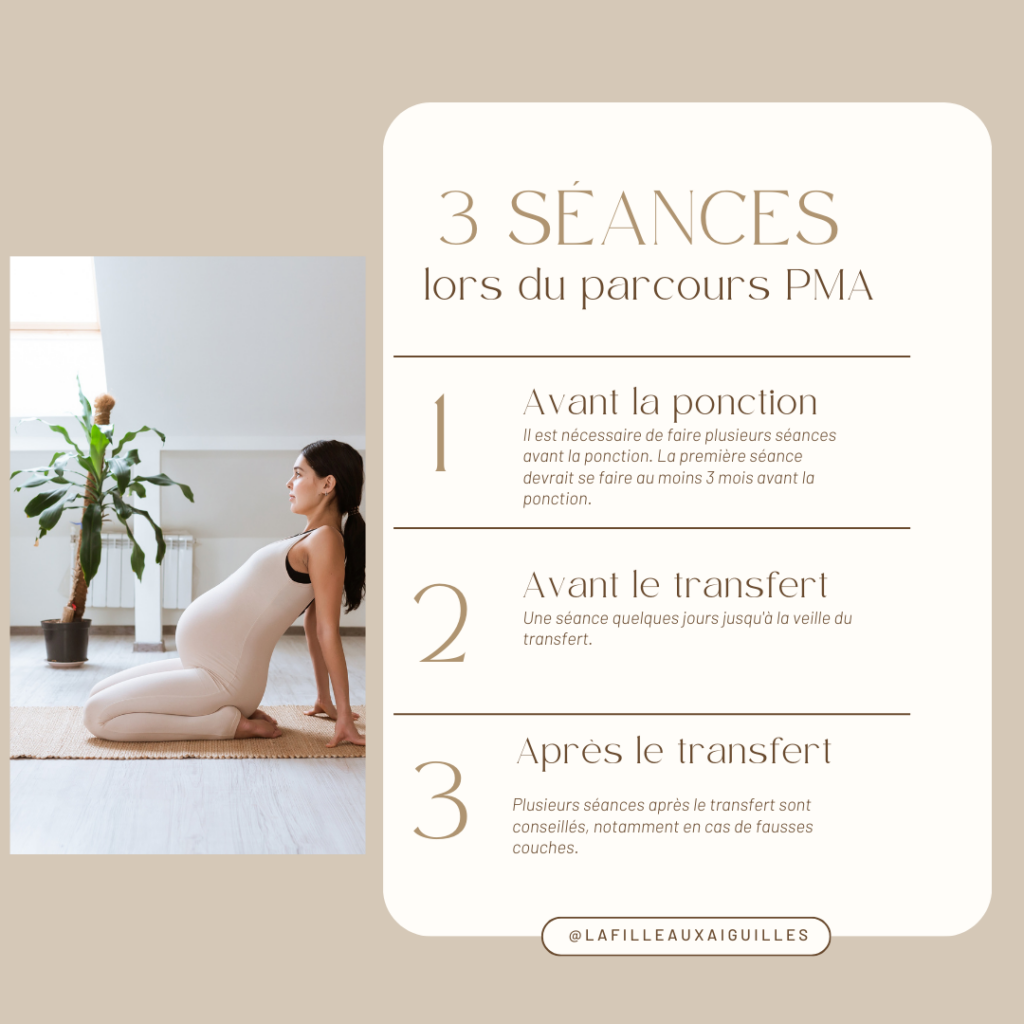
  • A session before: from a few days to 24 hours before egg retrieval and/or;
  • A session before: from a few days to 24 hours before the transfer and/or;
  • A session on the same day after the transfer or the following day and/or;
  • A session one week after the transfer.

Please note that acupuncture sessions can provide support in the first trimester of pregnancy, alongside medical care.

If a cycle fails, it is recommended to wait at least 2 months before a new attempt.

Fertility and acupuncture

Fertility and acupuncture
fertility acupuncture

According to Chinese medicine, conception depends on good balance in the woman but also in the man.

The role of acupuncture in fertility

  • -regulating periods;
  • -regulating hormones, sometimes specific blood tests are needed;
  • -support during ART, IVF, egg donation;
  • -nourishing and moving the “Blood” after stopping contraception ( 2 to 6 months);
  • -advice on lifestyle.
fertility acupuncture and apps

The patient should track her cycles and the length of her periods, using certain apps for example, as well as her temperature curve, which should drop slightly before ovulation and then peak during the 2 days of ovulation.

Some causes of female infertility

–Ovarian imbalance: polycystic ovary syndrome, excessively intense physical exercise, eating disorder, tumour

-Uterine malformations, damaged or blocked fallopian tubes, endometriosis

-Low ovarian reserve

-Adhesions following surgery: abdomen, appendicitis, uterus…

-Thyroid problems

-Cancer

-Other problems: amenorrhoea, coeliac disease, Cushing’s disease, kidney disease, diabetes.

-Certain medicines.

Some causes of male infertility

-abnormal sperm function or production

-malformed or slow sperm

-overexposure to chemicals or toxins

-damage linked to cancers or certain treatments.

Other causes of infertility

-overwork, excessive sporting activity

-diet

-physical trauma

-emotional imbalance (stress, fear, anxiety, frustration, anger): this can lead to infertility, irregular periods and miscarriages.

acupuncture migraine
acupuncture and fertility

Acupuncture sessions and fertility

it is important to determine the aim of the sessions: natural conception, ART support, IVF, egg donation, miscarriage prevention.

Depending on the aims, it takes on average 3 months, sometimes more, to obtain results.

To book an appointment on Doctolib

Keywords: acupuncture point, acupuncture session, acupuncture Aix-en-Provence, fertility acupuncture, stimulation, ovarian follicle, contraception, ovarian cyst, osteopathy, ovary, pregnant, fertility, woman, acupuncture.