acupuncture and polycystic ovary syndrome (PCOS)
The benefits of acupuncture for PCOS: how does it work?
Introduction
Polycystic ovary syndrome (PCOS) is a hormonal condition that affects between 8 and 13% of women of reproductive age. This complex disorder can cause irregular menstrual cycles, an excess of male hormones (androgens), difficulty conceiving and other symptoms that deeply affect quality of life.
Faced with the limits of conventional treatments, such as hormonal medication or fertility treatments, many women turn to complementary approaches. Among them, acupuncture is the subject of research, both for hormonal balance and for reducing stress. But how can this ancient practice really help women live better with PCOS?
1. PCOS: understanding what is at stake
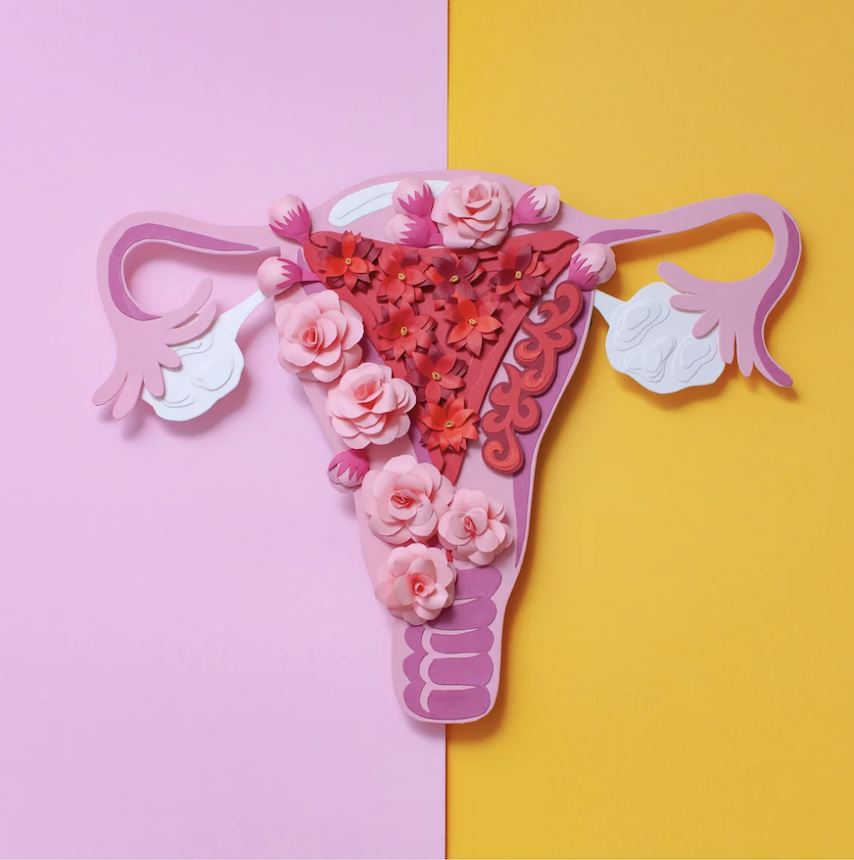
PCOS shows up as a hormonal imbalance that interferes with how the ovaries work. As well as irregular cycles and infrequent ovulation, it is often associated with insulin resistance, weight gain, acne or hair loss.
According to the Rotterdam criteria (2003), it is the most common hormonal disorder in women of reproductive age.
Traditional treatments, although effective, do not always suit every patient. Acupuncture can be offered alongside them, with a holistic approach that looks at several aspects of PCOS.
2. Acupuncture: a natural and complementary approach
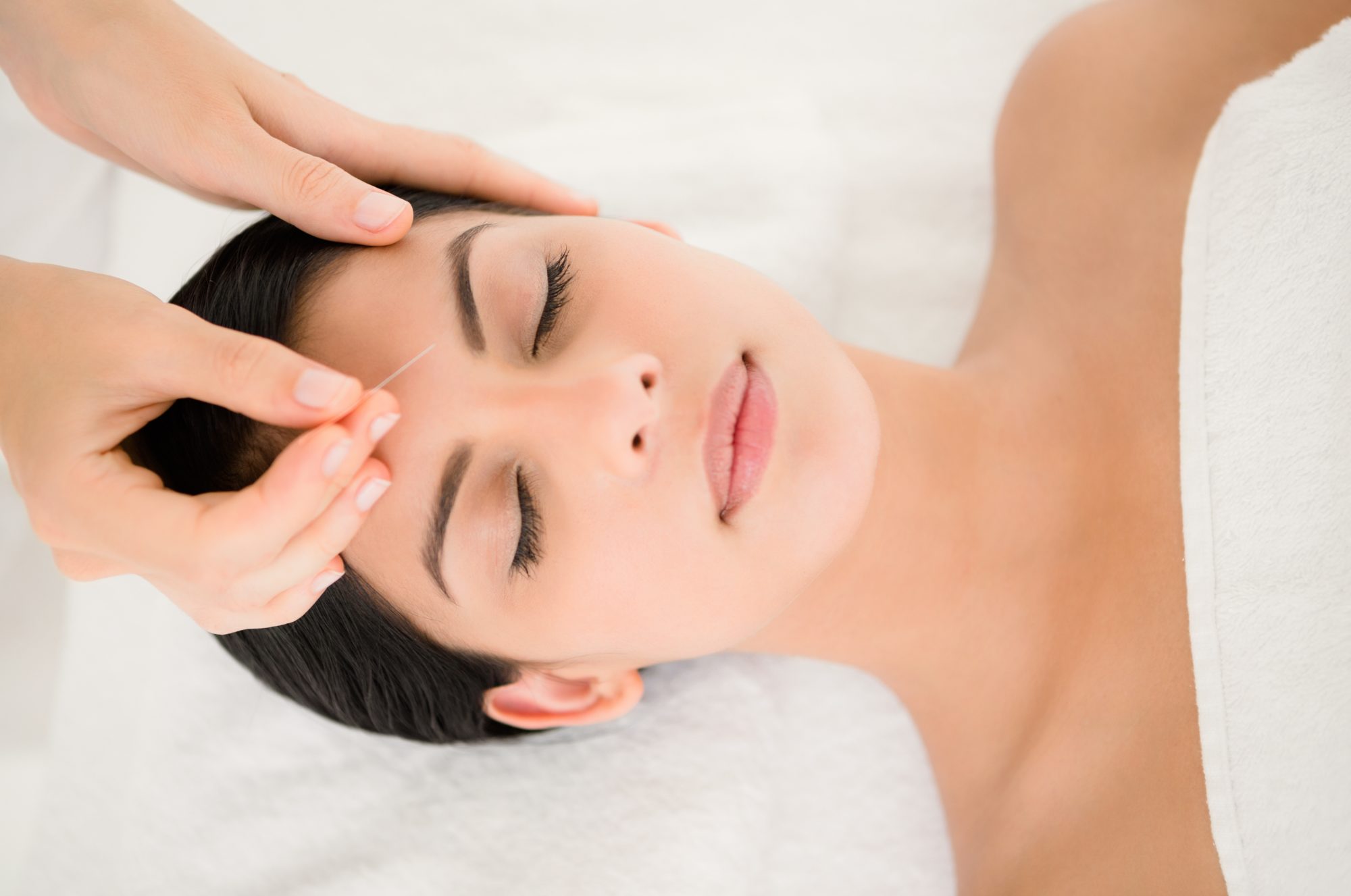
Acupuncture is a Traditional Chinese Medicine practice that involves inserting fine needles at strategic points on the body. The aim is to restore the balance of Qi (vital energy) and to stimulate the body’s self-regulating mechanisms.
In modern medicine, some studies suggest positive effects of acupuncture on:
- The hormonal system (by influencing the hypothalamic-pituitary-ovarian axis).
- Stress management (lower cortisol levels).
- Blood circulation (particularly in the pelvic area).
3. What studies suggest about acupuncture and PCOS
Scientific studies have looked at acupuncture in women with PCOS, with encouraging but still limited results:
- Regulation of menstrual cycles and ovulation:
A 2011 study (Stener-Victorin et al.) observed that electro-acupuncture might help regulate menstrual cycles. After 3 months of treatment, 40% of women reportedly saw a return to regular ovulation. - Improved hormone levels:
A 2020 systematic review (Journal of Clinical Medicine) observed that acupuncture might reduce testosterone levels and improve insulin sensitivity, two crucial aspects of PCOS. - Reduced stress:
A 2017 study (PLOS One) observed that 83% of patients reported a noticeable reduction in stress and an improvement in their overall wellbeing after several acupuncture sessions. - Fertility support:
A 2015 study observed that acupuncture, combined with fertility treatments, might increase the chances of ovulation and conception. Some studies suggest that women who used acupuncture to prepare for IVF might see their chances of success increase.
4. What to expect during an acupuncture session?
An acupuncture session begins with an overall assessment of your symptoms and medical history. The needles are inserted at specific points, often on the arms, legs or abdomen, and left in place for 20 to 30 minutes.
For PCOS, regular sessions are advised, usually over several months, for support over time. For most patients the practice is painless and relaxing.
Conclusion
Acupuncture is a promising natural and complementary approach for women with PCOS. By helping to balance hormones, reduce stress and support fertility, it may help to improve patients’ quality of life.
If you are considering trying acupuncture, consult a qualified practitioner for treatment adapted to your specific needs.