
When should you have acupuncture to get pregnant?

fertility acupuncture Aix-en-Provence, planning a baby, conception, ART, IVF
acupuncture to get pregnant

You are planning a pregnancy and wondering when to start acupuncture to support fertility? Acupuncture may be offered as a complementary approach when you wish to become pregnant, whether you hope to conceive naturally or are going through assisted reproduction (ART).

When a pregnancy is being considered, it can be worthwhile to start the support a few months before trying to conceive, ideally around 2 to 3 months ahead. This allows time to observe your cycle and to set up personalised support.

But there is absolutely no need to wait several months before booking: acupuncture can begin at any point in the cycle and at any stage of your pregnancy plans.

Why start acupuncture before trying to get pregnant?

In Traditional Chinese Medicine, fertility support does not necessarily begin the moment you stop contraception.

The consultation takes the whole person into account: the menstrual cycle, sleep, digestion, stress levels, fatigue, general health and any symptoms associated with the cycle.

Starting sessions a few months before trying to conceive can make it possible to observe several cycles and to adapt the support gradually.

Acupuncture may therefore be considered as part of a pregnancy plan to support, in particular:

Acupuncture does not guarantee a pregnancy and does not replace medical tests or medical care when these are needed.

Should acupuncture be done at the time of ovulation?

No. There is no need to come only at the time of ovulation.

An acupuncture session can take place at any point in the menstrual cycle. You do not need to know your exact ovulation date to start receiving support.

The timing of the session is adapted to your situation, your symptoms and the aim of the consultation.

Depending on your needs, sessions can therefore take place during your period, after menstruation, around the ovulatory phase or after ovulation.

The idea is to offer regular, personalised support throughout the cycle rather than systematically concentrating sessions around ovulation.

Acupuncture and the menstrual cycle

The cycle is an important element of an acupuncture consultation when planning a pregnancy.

I may take into account the regularity and length of your cycles, any pain, premenstrual syndrome, sleep quality, digestion, fatigue and stress levels.

The aim is to understand your situation as a whole in order to adapt the sessions.

You therefore do not need a perfectly regular cycle, or to know your exact ovulation date, to book a consultation.

Acupuncture and natural fertility

When a couple wishes to conceive naturally, acupuncture can be part of a complementary approach to the pregnancy plan.

Some women choose to start sessions 2 to 3 months before trying to conceive, so as to take time to observe their cycle and receive support over several cycles.

Others come when they have already started trying.

In both cases, there is no need to schedule sessions exclusively around ovulation.

Acupuncture cannot guarantee a pregnancy and should not be presented as a treatment for infertility.

If you are having difficulty conceiving, a medical assessment can look for possible causes and adapt the care accordingly.

Acupuncture and the ART journey

Acupuncture may also support some women going through ART, IVF or artificial insemination.

Support can begin before the protocol and continue through its different stages, according to your needs and the recommendations of the medical team.

Sessions are not necessarily scheduled solely around ovulation. They can be adapted to the protocol calendar, to the cycle and to each woman’s situation.

The aim is to offer complementary support alongside the medical pathway.

Acupuncture does not replace hormone treatments, tests or the recommendations of the fertility team.

What if I have endometriosis?

Endometriosis can affect daily life and sometimes plans for a pregnancy.

When endometriosis has been diagnosed, acupuncture may be offered alongside gynaecological follow-up and fertility care.

It may in particular support some of the pain or discomfort associated with the cycle.

Planning a pregnancy with endometriosis calls for individualised care with the health professionals who follow your situation.

When should you start acupuncture to get pregnant?

There is no universal medical time frame requiring acupuncture to start three months before trying to conceive.

However, starting 2 to 3 months ahead can be worthwhile as part of a support approach, as it allows time to observe several cycles and to adapt the sessions gradually.

But if you have already started trying for a baby, it is not too late to book a consultation.

You can book an appointment at any point in your cycle, without waiting for your next ovulation.

What happens during a fertility acupuncture session?

The consultation begins with an in-depth discussion about your pregnancy plans and your general health.

I look in particular at your menstrual cycle, sleep, digestion, stress levels, fatigue and any symptoms associated with the different phases of the cycle.

If you are going through ART, the medical protocol and its calendar are also taken into account.

The session is then adapted to your situation.

Follow-up can evolve from cycle to cycle and according to your needs.

Why choose fertility acupuncture in Aix-en-Provence?

I offer acupuncture consultations in Aix-en-Provence, with an approach particularly focused on women’s health and support for pregnancy plans.

Whether you wish to start sessions before trying to conceive, are already trying, or are going through ART, the support is personalised.

There is no need to wait for ovulation to book a consultation: a session can take place at any point in the cycle.

Acupuncture is a complementary approach and does not replace medical or gynaecological follow-up.

Book an appointment

Are you planning a pregnancy and would like support from acupuncture?

You can start sessions a few months before trying to conceive or book now, whatever point you are at in your cycle.

Fertility acupuncture consultations in Aix-en-Provence.


FAQ: acupuncture and fertility

When should you start acupuncture to get pregnant?

It can be worthwhile to start 2 to 3 months before trying to conceive so that several cycles can be observed. However, you can start at any time, including once you have already started trying.

Should acupuncture be done at the time of ovulation?

No. There is no need to schedule a session at the exact time of ovulation. Acupuncture can be carried out at any point in the cycle and the session calendar is adapted to your situation.

Can you start acupuncture during your period?

Yes. A consultation can take place during your period. The point in the cycle does not prevent you from starting support.

Do you need to know your ovulation date to have acupuncture?

No. You do not need to know your exact ovulation date to book a consultation. The cycle and how it changes can be taken into account over the sessions.

How long before a pregnancy should you have acupuncture?

There is no mandatory time frame. Starting 2 to 3 months before trying to conceive can allow support over several cycles, but you can book a consultation at any stage of your pregnancy plans.

Does acupuncture increase the chances of getting pregnant?

Acupuncture does not guarantee a pregnancy. It may be offered as a complementary approach when planning to conceive, but it does not replace medical tests or medical care if you are having difficulty conceiving.

Can you have acupuncture while trying for a baby?

Yes. Acupuncture can be offered while you are trying to conceive, with care adapted to your cycle and your situation.

Acupuncture and IVF: when to start?

Support can begin before an IVF protocol and may continue during it. Sessions are adapted to the protocol calendar and should remain complementary to the follow-up provided by the medical team.

Can acupuncture support endometriosis and the wish to become pregnant?

It may be offered as a complementary approach to support some manifestations of endometriosis, in particular pain and some kinds of discomfort. It does not treat endometriosis lesions and does not replace gynaecological care.

Where can you have fertility acupuncture in Aix-en-Provence?

I offer acupuncture and Traditional Chinese Medicine consultations in Aix-en-Provence, with an approach particularly focused on women’s health, fertility and support for pregnancy plans.

The Zen Baby Point in Acupuncture: Benefits and Explanations

zen baby point acupuncture, beautiful baby point, kidney 9

Zen Baby Point

Acupuncture is an ancient practice that comes from Traditional Chinese Medicine (TCM) and helps to balance the body’s vital energy, known as Qi. Among the many acupuncture points, there is one that is particularly well known for promoting the well-being of pregnant women and their babies: the Zen Baby Point. This point is often used to help create a soothing, balanced environment in the womb.

What is the Zen Baby Point?

The Zen Baby Point corresponds to Kidney 9 (KI9, Zhubin), located on the inner side of the leg, about 7 cm above the inner ankle bone. It is recognised in Chinese medicine for its calming and harmonising effects, for both the mother and the baby in utero.

What are the benefits of the Zen Baby Point during pregnancy?

Kidney 9 (KI9) is used in acupuncture during pregnancy for several benefits:

1. Easing stress and anxiety in pregnant women

This point helps to calm the nervous system, reducing the mother-to-be’s stress and anxiety. A calm state in the mother contributes directly to the baby’s well-being.

2. Balancing the emotions

Pregnancy can bring intense emotional fluctuations. This point helps to stabilise the emotional state, bringing a feeling of calm and balance.

3. Preventing premature contractions

KI9 is often used to prevent premature contractions and to support a smooth pregnancy.

4. A stronger bond between mother and baby

By helping the mother to relax, this point helps to create a peaceful environment in the womb, supporting the baby’s healthy development.

How do you stimulate the Zen Baby Point?

This point can be activated gently and naturally, without needles:

  • Gentle massage : use your thumb to apply circular pressure to KI9 for about 30 seconds to 1 minute.
  • Light pressure : apply light pressure with your fingertip several times a day.
  • Using essential oils : a drop of lavender essential oil (diluted and suitable for pregnancy) can be applied to enhance the relaxing effect.

When should you see an acupuncturist?

If you are pregnant and experiencing stress, premature contractions or emotional tension, seeing an acupuncturist who specialises in perinatal care can be an excellent option. Acupuncture sessions can be done at any stage of pregnancy, including the first trimester. An acupuncturist can also adapt the treatment as the pregnancy progresses and to each woman’s specific needs.

FAQ: Frequently Asked Questions about the Zen Baby Point

➤ Is the Zen Baby Point safe throughout pregnancy?

Yes, this point is safe, but it is recommended that you see a qualified acupuncturist to use it correctly as the pregnancy progresses.

➤ Can Kidney 9 help to prepare for birth?

This point is used more to promote relaxation and emotional stability. Other acupuncture points are more specific for preparing for birth at the end of pregnancy.

➤ Can I activate this point myself at home?

Yes, massage and gentle pressure can be done daily. However, for the best effect, an acupuncture consultation is recommended.

Conclusion

The Zen Baby Point, or Kidney 9 (KI9), is a key acupuncture point for promoting the well-being of pregnant women and their babies. Activating it through massage or an acupuncture session can bring many benefits in terms of relaxation, stress management and the prevention of contractions. For a calm and harmonious pregnancy, consult an acupuncturisthttps://www.doctolib.fr/osteopathe/aix-en-provence/alexandra-vives who specialises in perinatal care, and consider adding this point to your well-being routine!

Acupuncture and hormones

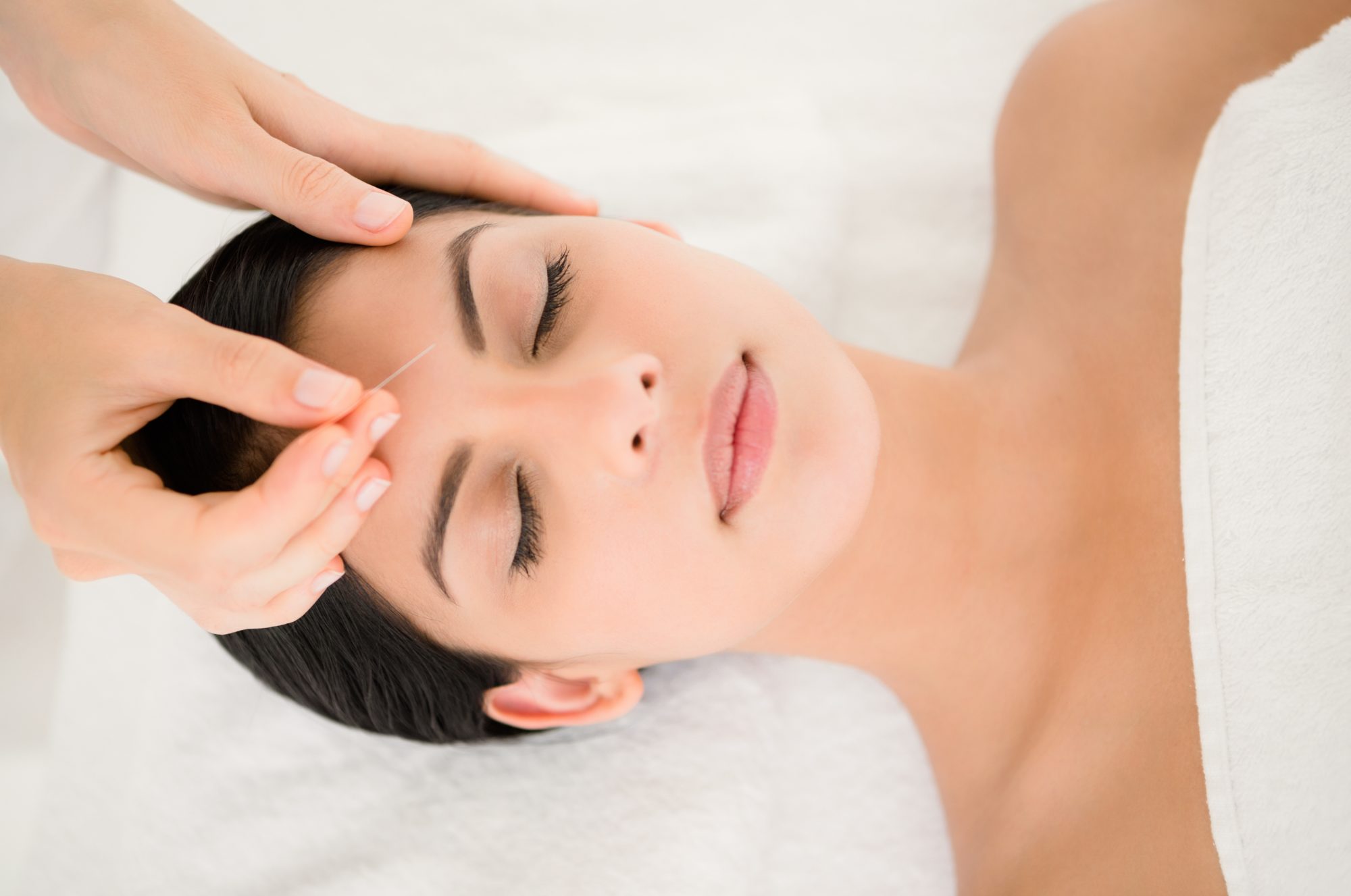
An acupuncture session in progress: a patient lying on a treatment table receives fine needles placed on strategic points of the body to rebalance her hormones and promote her well-being.

Acupuncture and hormonal balance: a natural approach

Hormonal balance plays a fundamental role in our general well-being. When our hormones are out of balance, this can lead to various problems such as fatigue, sleep disorders, weight problems, stress or menstrual imbalances. Acupuncture, a Traditional Chinese Medicine practised for thousands of years, offers a natural approach to support and rebalance the endocrine system.

How does acupuncture act on hormones?

Acupuncture involves inserting fine needles at precise points on the body in order to stimulate the flow of energy (Qi) and regulate physiological functions. Some studies suggest that this technique may help modulate hormones by acting on the central nervous system and influencing hormone secretion.

Some studies suggest that acupuncture may:

  • Regulate cortisol production, the stress hormone, thereby reducing the negative effects of chronic stress. Excessive cortisol secretion can lead to fatigue, sleep disorders, weight gain and immune imbalances. By stimulating certain acupuncture points, a relaxation response of the parasympathetic nervous system is encouraged, contributing to better management of stress and anxiety.
  • Stimulate the secretion of endorphins, the feel-good hormones that help reduce pain and improve mood. This can be particularly beneficial for people suffering from chronic pain or mild to moderate depression, alongside their medical care.
  • Act on the hypothalamic-pituitary-adrenal axis, which regulates many hormonal functions, including the management of metabolism, energy and the stress response. Acupuncture may help improve communication between these glands to encourage a more stable balance.
  • Modulate the production of sex hormones, such as oestrogen, progesterone and testosterone. These hormones are essential for regulating the menstrual cycle, fertility, libido and bone health. A good balance of these hormones is crucial for reproductive health and general well-being.

Acupuncture for different hormonal imbalances

1. Acupuncture and menstrual disorders

Hormonal imbalances can cause irregular periods, period pain or premenstrual syndrome (PMS). Acupuncture helps restore a harmonious hormonal cycle by acting on the meridians associated with the reproductive organs, in particular the liver, kidneys and spleen.

  • Improved blood circulation in the pelvic area, encouraging a better supply of nutrients to the uterus and ovaries.
  • Reduced inflammation and pain by releasing endorphins and regulating prostaglandins, which are involved in menstrual cramps.
  • Stabilised hormonal fluctuations, thereby reducing the irritability, bloating and fatigue linked to premenstrual syndrome.

2. Acupuncture and the menopause

Hot flushes, night sweats, insomnia and mood swings are common symptoms of the menopause linked to hormonal fluctuations. Some studies suggest that acupuncture may ease these symptoms by regulating oestrogen levels and stimulating the production of feel-good hormones.

  • Fewer hot flushes through its action on the autonomic nervous system and the regulation of body temperature.
  • Better sleep by balancing melatonin production and reducing the anxiety linked to hormonal imbalances.
  • Support for bone density by modulating oestrogen levels and stimulating blood circulation in the bones.

3. Acupuncture and fertility problems

Whether to support natural conception or to accompany assisted reproduction (ART), acupuncture can support fertility, in liaison with the medical team, by helping to balance the hormones involved in ovulation and to improve blood flow to the uterus.

  • Regulation of the menstrual cycle, encouraging regular ovulation and better egg quality.
  • Improved endometrial receptivity, which is essential for embryo implantation.
  • Reduced stress, which can have a negative impact on fertility by affecting the hypothalamic-pituitary axis.
  • Optimised FSH, LH and progesterone levels, key hormones in the reproductive process.

4. Acupuncture and thyroid disorders

Hypothyroidism and hyperthyroidism are often associated with hormonal imbalances affecting metabolism, mood and energy. Acupuncture helps regulate thyroid activity by stimulating the energy points corresponding to endocrine functions.

  • Support for thyroid hormone production, by improving communication between the hypothalamus, the pituitary gland and the thyroid gland.
  • Less fatigue and more energy by stimulating the kidney and spleen meridians, which are essential for healthy thyroid function.
  • Reduced inflammation, which can worsen autoimmune thyroid diseases such as Hashimoto’s or Graves’ disease.

Conclusion

Acupuncture is a natural solution, complementary to medical treatment, for supporting hormonal balance. By working on the body’s energy imbalances, it may encourage harmonious functioning of the endocrine system and so improve quality of life. Whether you suffer from menstrual disorders, the menopause, infertility or thyroid imbalances, acupuncture can be a valuable aid in restoring hormonal harmony. For personalised support, it is advisable to consult a qualified acupuncturist so that the treatment can be adapted to your specific needs.

Acupuncture and fertility: a natural approach to support conception

Acupuncture session to support fertility, with needles placed on strategic points of the body.

Acupuncture is increasingly used to support fertility, whether on a natural path or alongside assisted reproduction (ART). How does it work? What are its benefits? An explanation.

Acupuncture and fertility: how does it work?

Acupuncture, which comes from Traditional Chinese Medicine, is based on stimulating specific points on the body with fine needles. The aim is to restore energy balance and optimise physiological functions, particularly those involved in reproduction.

1. Improved blood circulation

Acupuncture may promote better blood circulation to the uterus and ovaries. This could contribute to the quality of the endometrium and thereby to implantation of the embryo.

2. Hormonal regulation and stimulation of ovulation

Hormonal disorders such as polycystic ovary syndrome (PCOS) or luteal insufficiency can impair fertility. Acupuncture may help regulate the menstrual cycle and support ovulation and egg quality.

3. Reducing stress and anxiety

Stress is a major factor in infertility. By stimulating the production of endorphins and reducing cortisol levels, acupuncture can contribute to better emotional balance, which is favourable to conception.

4. Improving male fertility

Acupuncture is not only for women. It can also improve sperm quality by acting on the concentration, motility and morphology of sperm.

Acupuncture and ART: an ally of in vitro fertilisation (IVF)

Acupuncture is often used alongside ART treatments, in liaison with the medical team. Some studies suggest that it may increase IVF success rates by improving the receptivity of the uterus and reducing the side effects of hormonal treatments.

A meta-analysis published in Fertility and Sterility observed an increase in the chances of pregnancy in women who received acupuncture sessions before and after embryo transfer.

When should you start acupuncture to support your fertility?

It is recommended to start acupuncture several months before trying to conceive, naturally or with assistance. An approach over 3 to 6 months helps support cycles, egg quality and the body’s general condition.

Conclusion

Acupuncture is a natural and complementary approach that may be helpful in supporting fertility. By helping to regulate the cycle, support egg quality and reduce stress, it can be a real asset, whether for natural conception or as part of ART.

Would you like to try acupuncture to support your fertility? Consult a specialised practitioner for personalised support.

The benefits of acupuncture for PCOS: how does it work?

pcos 
polycystic ovary

acupuncture and polycystic ovary syndrome (PCOS)

The benefits of acupuncture for PCOS: how does it work?

Introduction

Polycystic ovary syndrome (PCOS) is a hormonal condition that affects between 8 and 13% of women of reproductive age. This complex disorder can cause irregular menstrual cycles, an excess of male hormones (androgens), difficulty conceiving and other symptoms that deeply affect quality of life.

Faced with the limits of conventional treatments, such as hormonal medication or fertility treatments, many women turn to complementary approaches. Among them, acupuncture is the subject of research, both for hormonal balance and for reducing stress. But how can this ancient practice really help women live better with PCOS?

1. PCOS: understanding what is at stake

PCOS shows up as a hormonal imbalance that interferes with how the ovaries work. As well as irregular cycles and infrequent ovulation, it is often associated with insulin resistance, weight gain, acne or hair loss.
According to the Rotterdam criteria (2003), it is the most common hormonal disorder in women of reproductive age.

Traditional treatments, although effective, do not always suit every patient. Acupuncture can be offered alongside them, with a holistic approach that looks at several aspects of PCOS.

2. Acupuncture: a natural and complementary approach

Acupuncture is a Traditional Chinese Medicine practice that involves inserting fine needles at strategic points on the body. The aim is to restore the balance of Qi (vital energy) and to stimulate the body’s self-regulating mechanisms.

In modern medicine, some studies suggest positive effects of acupuncture on:

  • The hormonal system (by influencing the hypothalamic-pituitary-ovarian axis).
  • Stress management (lower cortisol levels).
  • Blood circulation (particularly in the pelvic area).

3. What studies suggest about acupuncture and PCOS

Scientific studies have looked at acupuncture in women with PCOS, with encouraging but still limited results:

  1. Regulation of menstrual cycles and ovulation:
    A 2011 study (Stener-Victorin et al.) observed that electro-acupuncture might help regulate menstrual cycles. After 3 months of treatment, 40% of women reportedly saw a return to regular ovulation.
  2. Improved hormone levels:
    A 2020 systematic review (Journal of Clinical Medicine) observed that acupuncture might reduce testosterone levels and improve insulin sensitivity, two crucial aspects of PCOS.
  3. Reduced stress:
    A 2017 study (PLOS One) observed that 83% of patients reported a noticeable reduction in stress and an improvement in their overall wellbeing after several acupuncture sessions.
  4. Fertility support:
    A 2015 study observed that acupuncture, combined with fertility treatments, might increase the chances of ovulation and conception. Some studies suggest that women who used acupuncture to prepare for IVF might see their chances of success increase.

4. What to expect during an acupuncture session?

An acupuncture session begins with an overall assessment of your symptoms and medical history. The needles are inserted at specific points, often on the arms, legs or abdomen, and left in place for 20 to 30 minutes.

For PCOS, regular sessions are advised, usually over several months, for support over time. For most patients the practice is painless and relaxing.

Conclusion

Acupuncture is a promising natural and complementary approach for women with PCOS. By helping to balance hormones, reduce stress and support fertility, it may help to improve patients’ quality of life.

If you are considering trying acupuncture, consult a qualified practitioner for treatment adapted to your specific needs.

Acupuncture and premenstrual syndrome

PMS

acupuncture and PMS

Effects of acupuncture on premenstrual syndrome: a scientific approach

Introduction

Premenstrual syndrome (PMS) affects a majority of women of childbearing age, with a wide range of symptoms, from abdominal pain, migraines and fatigue to emotional symptoms such as irritability and anxiety. These symptoms, which appear in the days before menstruation, can significantly affect quality of life.

Despite the range of conventional treatments, from anti-inflammatories to hormonal therapies, their effectiveness is often limited by unwanted side effects. In this context, acupuncture, which comes from Traditional Chinese Medicine, is attracting growing interest as a complementary therapy. This article looks at the effect of this practice on PMS, drawing on recent scientific studies to assess its effectiveness and its mechanism of action.

Here is, in detail, how acupuncture works in the context of PMS, from both a traditional and a scientific point of view:


How does acupuncture work for PMS?

According to Traditional Chinese Medicine (TCM)

In TCM, premenstrual syndrome is seen as an energy imbalance linked to the liver, spleen and kidney organs. These imbalances can cause stagnation of Qi (vital energy) and blood, which is often responsible for pain and irritability.

Acupuncture works by:

  1. Freeing the Qi: by stimulating points such as LR3 (Liver 3) or SP6 (Spleen 6), it helps to restore the flow of energy, relieving the blockages responsible for pain and tension.
  2. Balancing the emotions: points linked to the liver are often stimulated to calm irritability and regulate the emotions, as this organ is associated with managing stress in TCM.

According to modern science

Scientific research has identified several physiological mechanisms that explain the beneficial effects of acupuncture on PMS:

  1. Modulation of the nervous system
    • Acupuncture stimulates the peripheral nerves, sending signals to the brain and spinal cord.
    • This activation leads to the release of endorphins and enkephalins, natural substances that reduce pain and create a feeling of well-being.
  2. Effect on neurotransmitters
    • Some studies suggest that acupuncture influences levels of serotonin and dopamine, two neurotransmitters that are essential to mood regulation.
    • This may explain why it may help to reduce the emotional symptoms of PMS, such as anxiety, depression and irritability.
  3. Hormonal regulation
    • Acupuncture acts on the hypothalamic-pituitary-ovarian axis, regulating the production of key hormones such as oestrogen and progesterone.
    • This helps to stabilise menstrual cycles and ease the symptoms linked to hormonal variations.
  4. Reduction of inflammation
    • Acupuncture points stimulate the release of anti-inflammatory molecules while decreasing the production of pro-inflammatory cytokines such as TNF-alpha.
    • This modulation of inflammatory responses helps to reduce the abdominal and muscular pain often associated with PMS.
  5. Improved blood circulation
    • Menstrual cramps can be made worse by poor circulation in the pelvic area. Acupuncture dilates the blood vessels and improves local blood flow, which may help to relieve pain.

Physiological explanations

The potential benefit of acupuncture in supporting premenstrual syndrome is thought to rest on several identified physiological mechanisms:

  1. Hormonal regulation
    PMS is often associated with a hormonal imbalance, in particular excessive fluctuation of oestrogen and insufficient progesterone. Some studies suggest that acupuncture can influence the hypothalamic-pituitary-ovarian axis, regulating the production of sex hormones. This helps to stabilise menstrual cycles and ease the symptoms of PMS.
  2. Effect on the nervous system
    Acupuncture activates the parasympathetic nervous system, promoting a state of relaxation. It also modulates the release of neurotransmitters such as serotonin and endorphins, which may explain its positive impact on the emotional symptoms linked to PMS, such as anxiety and irritability.
  3. Reduction of inflammation
    Chronic inflammation plays a role in menstrual pain and in some symptoms of PMS. By stimulating certain specific points, acupuncture can reduce the production of pro-inflammatory cytokines, which helps to relieve pain and muscle tension.
  4. Improved blood circulation
    The cramps and pain associated with PMS can be linked to poor blood circulation in the pelvic area. Acupuncture may improve local blood flow by dilating the vessels, which may help to reduce pain and spasms.

Benefits
  • Non-invasive treatment: unlike medication or surgery, acupuncture carries no major health risks.Minimal side effects: complications are rare and are generally limited to slight pain or redness where the needles were placed.Holistic approach: acupuncture takes all of the body’s imbalances into account, making it possible to support both physical and emotional symptoms.

Review of scientific studies with detailed references

  1. Randomised clinical trial (2018)
    A randomised controlled study published in PLOS ONE compared the effectiveness of real and sham acupuncture in 141 women with PMS. The authors observed a significant reduction in the intensity of abdominal pain and emotional symptoms, with a more marked improvement in the group that received real acupuncture.
    • Reference: Armour M, Ee C, Hao J, Wilson TM, Yao SS, Smith CA. Acupuncture for premenstrual syndrome (PMS): A randomized controlled trial. PLoS One. 2018;13(2):e0191517. doi:10.1371/journal.pone.0191517.
  2. Meta-analysis (2020)
    A meta-analysis of 11 clinical trials, published in Complementary Therapies in Medicine, observed that acupuncture may significantly reduce the physical symptoms (pain, cramps) and psychological symptoms (anxiety, irritability) of PMS. The authors noted, however, that the heterogeneity of the protocols limited how far the results could be generalised.
    • Reference: Liu J, Liu S, Yin F. Efficacy of acupuncture in the management of premenstrual syndrome: A systematic review and meta-analysis. Complement Ther Med. 2020;49:102352. doi:10.1016/j.ctim.2020.102352.
  3. Pilot study (2022)
    A trial published in the Journal of Women’s Health examined the effects of acupuncture on cortisol levels, which are often high in women with PMS. After 8 sessions, participants reported a significant improvement in their mood, correlated with a decrease in cortisol levels.
    • Reference: Zhang X, Huang L, Wang S. Acupuncture and stress regulation in women with premenstrual syndrome: A pilot study. J Women’s Health. 2022;31(5):453-459. doi:10.1089/jwh.2021.0458.

Physiological explanations supported by research

Reference: Li F, Wu J, Song H. The anti-inflammatory effects of acupuncture on cytokine modulation in menstrual pain and PMS. Pain Med. 2021;22(6):815-823. doi:10.1093/pm/pnz126.

Hormonal regulation
Some studies suggest that acupuncture may stabilise oestrogen and progesterone levels by modulating the hypothalamic-pituitary-ovarian axis. Research published in Endocrinology Letters (2019) found a correlation between acupuncture and hormonal balance in women with PMS.

Reference: Kim YJ, Park H. Effect of acupuncture on endocrine and hormonal changes in women with PMS. Endocrinol Lett. 2019;40(3):281-286.

Reduction of inflammation
By stimulating certain specific points, such as SP6 and LR3, acupuncture may reduce pro-inflammatory cytokines. A study published in Pain Medicine (2021) observed that this practice may lower levels of TNF-alpha, which is involved in menstrual pain.

Conclusion

Acupuncture presents itself as an innovative approach, studied with encouraging but still limited results, to managing premenstrual syndrome. Although it does not replace conventional medical treatment, it can offer noticeable relief, especially for women looking for natural, minimally invasive solutions.

However, to confirm these benefits on a large scale, rigorous, well-controlled clinical trials with standardised protocols are still needed. Alongside traditional treatments, acupuncture is a promising avenue in the overall support of PMS.

Acupuncture and uterine fibroids

acupuncture and uterine fibroids
benefits of acupuncture for uterine fibroids

Acupuncture and uterine fibroids: benefits and how it works

Uterine fibroids, also called myomas, are benign tumours that develop in or around the uterus. Although they often cause no symptoms, they can cause pelvic pain, heavy bleeding, irregular periods or difficulty conceiving. Faced with these symptoms, many women look for complementary solutions to relieve their discomfort, and acupuncture is emerging as a natural option, alongside medical care.

What is acupuncture?

Acupuncture is a practice from Traditional Chinese Medicine (TCM) that involves inserting fine needles at specific points on the body. According to TCM, this technique aims to restore the balance of vital energy, called Qi(pronounced “chee”), which flows through the body via energy channels or meridians. When the flow of this energy is disrupted, this can lead to imbalances and illness.

In the case of fibroids, acupuncture may help restore this energy balance and reduce the symptoms linked to the condition.

The benefits of acupuncture for uterine fibroids

  1. Reducing pelvic pain
    Fibroids can cause cramps or a feeling of pressure in the pelvic area. Acupuncture stimulates the release of endorphins, the body’s natural painkilling hormones, which may help to relieve discomfort.
  2. Improving blood circulation
    Poor blood circulation in the uterine area is sometimes associated with the development of fibroids. Acupuncture may encourage better blood supply to the uterus, which may help to reduce inflammation.
  3. Regulating hormones
    Hormonal imbalances, in particular high oestrogen levels, play a key role in the formation of fibroids. By targeting certain specific points, acupuncture may help to harmonise hormone levels and support optimal functioning of the endocrine system.
  4. Reducing stress and anxiety
    Chronic stress can make fibroid symptoms worse. Acupuncture may encourage deep relaxation and lower the level of cortisol, the stress hormone, thereby helping to minimise flare-ups of symptoms.
  5. Reducing heavy bleeding
    Acupuncture may help balance menstrual flow by strengthening the energy functions of the spleen and liver, according to the principles of TCM, which helps reduce heavy or prolonged periods.

How does it work?

During an acupuncture session for fibroids, the practitioner begins by carrying out a personalised energy assessment. This involves a discussion of the symptoms, an examination of the tongue and taking the pulse to assess the imbalances. The practitioner then inserts needles at specific points, often located on the abdomen, legs, arms or back. These points may be linked to the uterus, to hormones or to stress management.

The effects are generally not instant; several sessions are often needed to see significant improvements. Each treatment is adapted to the patient’s unique needs.

The limits of acupuncture

Although acupuncture offers many benefits, it does not replace conventional medical treatment. If fibroids are very large or cause serious complications (such as severe anaemia or intense pain), surgery or other medical treatments may be necessary. Acupuncture should be used as a complement to improve overall well-being.

Key points

Acupuncture offers a gentle and natural approach that may help to relieve the symptoms of uterine fibroids. It may act on pain, hormonal imbalances and stress, and so help to improve the quality of life of the women affected. If you are considering this practice, it is essential to consult a qualified practitioner and to discuss it with your doctor for complete medical follow-up.

By combining traditional and modern approaches, it is possible to live better with fibroids and regain a better balance of body and mind.

menstrual cycle

Menstrual cycle, periods, amenorrhoea, endometriosis, PCOS, menstruation

Pain-free, regular periods are a sign of good health and good hormonal balance, and therefore of a healthy menstrual cycle.

In this quiz*, find out what your symptoms say about your general health. You will understand your symptoms and find advice or solutions to improve your quality of life. Experiencing mild symptoms is normal; however, some signs point to an imbalance or a condition that needs to be investigated and treated.

After the quiz, remember to display your score to see the results.

*This quiz is for information only and is in no way a medical diagnosis, nor does it treat any condition. Always consult your GP or specialist if you have questions about a treatment or a diagnosis. Click on the link below

https://forms.gle/QrQYFqzDunfF2ivG9

The menstrual cycle is shaped by several factors, such as its length, the flow during periods (heavy, haemorrhagic, presence of clots, red, pink or black colour), mood changes (low mood, irritability, crying), sleep disorders, digestive disorders (bloating, diarrhoea, constipation), hot flushes, sweating, etc.

Chinese medicine places great importance on female balance. Good physical and mental health flows from this balance. From period disorders, through infertility, to menopause, acupuncture supports women throughout their lives. It can also support fatigue, insomnia, abdominal pain, and the management of emotions and stress

Keywords: periods, menstruation, period disorders, endometriosis, menopause, PCOS, Chinese medicine, acupuncture, acupuncturist.