
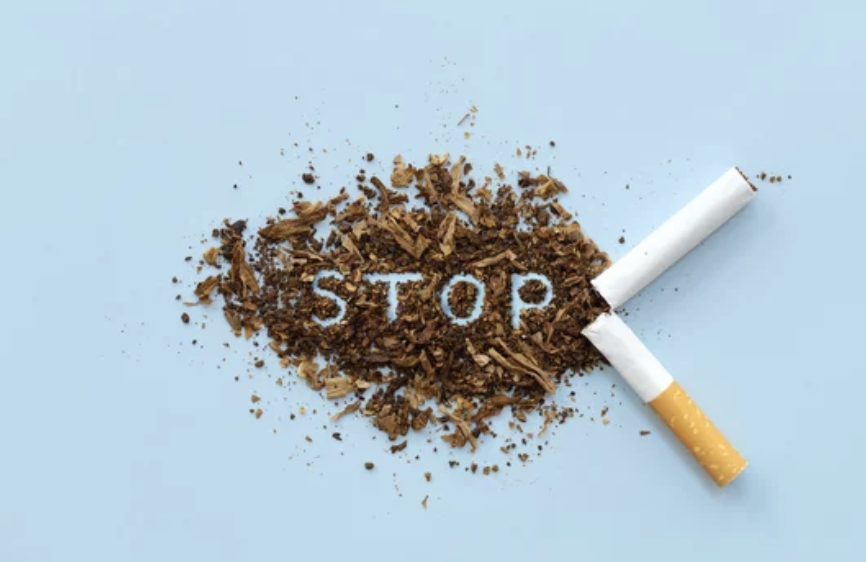
Stopping smoking is a difficult process, often marked by withdrawal symptoms, stress and relapses. More and more patients are turning to acupuncture as a natural option to support them.
But does it really work? And above all, what can you realistically expect from it?
This article gives you a clear, honest and realistic picture.
🔎 Can acupuncture help you stop smoking?
Yes, acupuncture can be a valuable aid when giving up smoking.
It acts mainly on the nervous and emotional system, which makes stopping easier to live with.
However, it is important to understand that it does not replace personal motivation.
👉 Acupuncture is a support tool, not a miracle cure.
✅ The real effects of acupuncture
1. Reduced withdrawal symptoms
When you stop smoking, the body reacts to the absence of nicotine. This can cause:
- irritability
- nervousness
- sleep problems
- cravings
Acupuncture may help to ease these symptoms by regulating the nervous system.
2. Fewer cravings
Some patients experience:
- a reduced urge to smoke
- a feeling of “distance” from cigarettes
- sometimes even a feeling of distaste
⚠️ This effect varies from person to person and depends heavily on motivation.
3. Managing stress and emotions
Stress is one of the main causes of relapse.
Acupuncture may help to:
- reduce anxiety
- improve relaxation
- avoid compensating behaviours (snacking, nervousness)
4. Limiting weight gain
In some patients, it helps to:
- regulate appetite
- limit sugar cravings
❗ The limits you should know about (essential)
To avoid any disappointment, it is important to be transparent:
- Acupuncture does not completely eliminate withdrawal
- It does not make you “stop effortlessly”
- It does not guarantee that you will stop for good
👉 The deciding factor remains: your decision to stop
A patient who is not ready will see few results, even with several sessions.
📊 What do the studies say?
Scientific studies show variable results:
- improved comfort during withdrawal
- interesting short-term results
- but more worthwhile results when it is combined with other methods
👉 Conclusion:
Acupuncture is more worthwhile as a complement to overall support.
💡 What does the support involve?
A typical programme includes:
- 1 to 2 sessions a week at the start
- then sessions gradually spaced out
- work on:
- stress management
- cravings
- the overall balance of the body
Techniques such as auriculotherapy can be used to extend the effects between sessions.
🔁 How can you maximise your chances of success?
For better results, it is advisable to combine acupuncture with:
- behavioural support
- nicotine replacement therapy if needed
- good stress management (breathing, physical activity)
⚠️ Acupuncture, laser or “pointer”: beware of confusion. Many patients confuse traditional acupuncture with techniques that use a laser or a needle-free stimulation “pen”. 👉 It is important to know that these methods have not shown greater effectiveness in stopping smoking. Some may bring a temporary relaxing effect, but they do not reproduce the full effects of a traditional acupuncture session, particularly on regulating the nervous system and managing withdrawal symptoms. 👉 Result: the effects are often short-lived, with a higher risk of relapse if they are used on their own.
This is why acupuncture support, as part of an overall approach, remains today the most consistent strategy for maximising your chances of stopping.🧠 In summary
Acupuncture can:
✔️ make stopping smoking more comfortable
✔️ reduce cravings
✔️ reduce stress
But it requires:
✔️ real motivation
✔️ an overall approach
🎯 The right frame of mind
Think of acupuncture as support that helps you get through a difficult stage, not as a magic solution.
👉 It is the combination of your commitment + suitable support that will make the difference.
Would you like support to stop smoking?
Personalised follow-up means sessions can be adapted to your profile to maximise your chances of success.