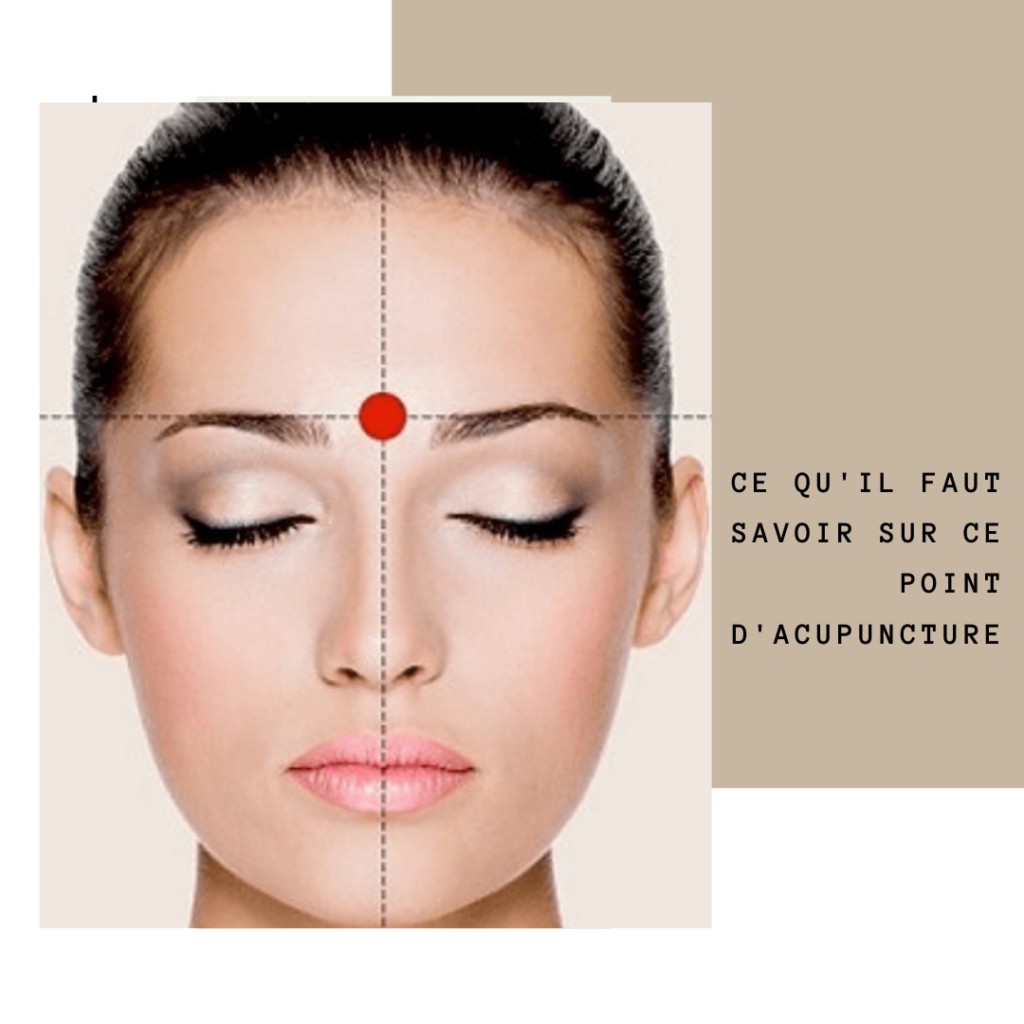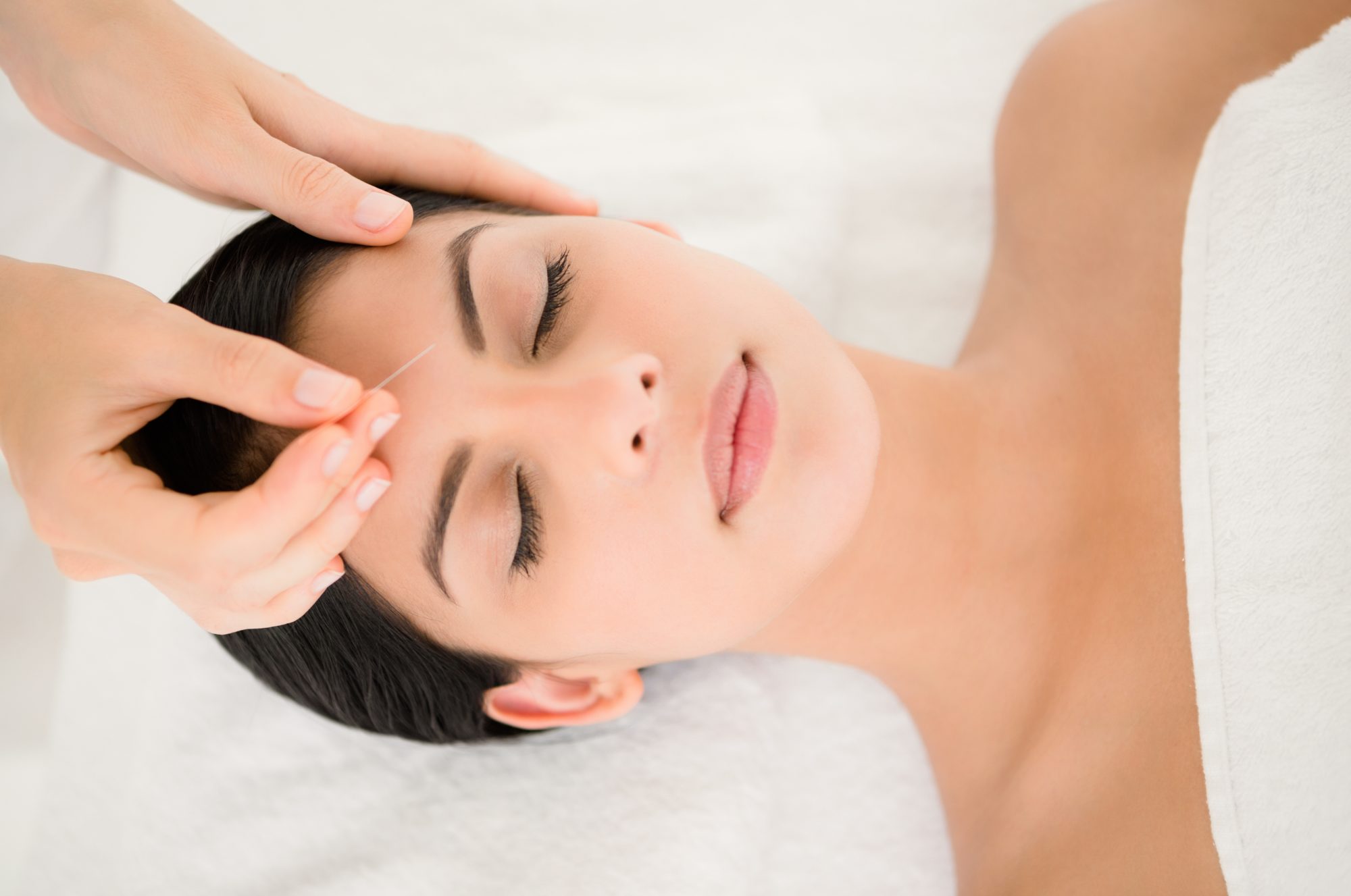
 “Explore the benefits of acupuncture for improving sleep quality and supporting people with sleep disorders such as insomnia, with natural and personalised solutions.”

It is World Sleep Day. Sleep disorders are common. Most people describe insomnia, difficulty falling asleep or waking up several times during the night. Others describe sleep apnoea, nightmares or restless sleep. Pregnancy, the menopause, stress and anxiety are also causes that can disrupt a good night. Finally, night sweats, thirst and the need to urinate are causes that often prevent people from getting back to sleep.
There are many remedies for regaining deep, restorative sleep. A session of meditation or yoga before going to bed can be beneficial. Self-hypnosis, homeopathy and essential oils may help you sleep better. Plants such as valerian, for example, are used as a natural solution.
Osteopathy is an interesting technique, particularly cranial osteopathy, which targets areas of the brain linked to the sleep centres.
In Chinese medicine, insomnia can have different causes, so treatment is individual and adapted to each person. Sleep disorders can be insomnia, difficulty getting to sleep, waking up at a particular time (for example 3 or 4 in the morning), waking up several times during the night or waking up too early.