 “Explore the benefits of acupuncture for improving sleep quality and supporting people with sleep disorders such as insomnia, with natural and personalised solutions.”
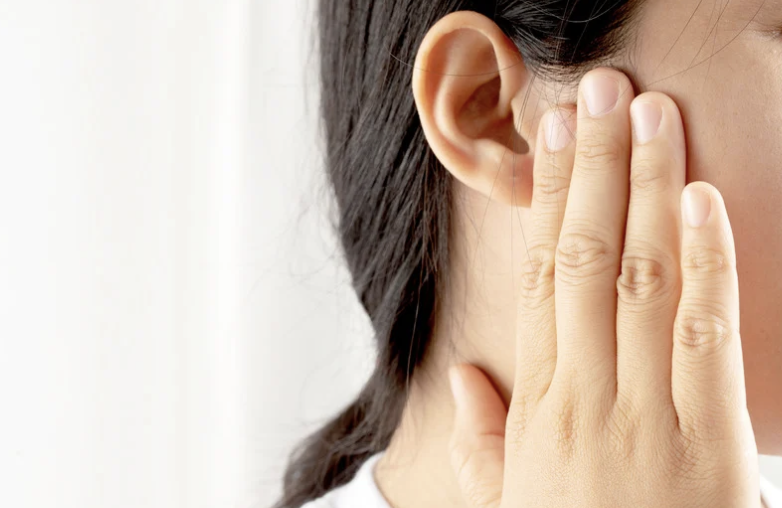
Do you often have a stiff neck?
Migraines at the end of the day or when you wake up in the morning?
The feeling that you clench your teeth without realising it?
These symptoms are often linked.
What do they have in common? Stress and the jaw.
In Aix-en-Provence, more and more patients come in for chronic neck pain… which actually originates in the temporomandibular joint (TMJ).
Stress acts directly on the jaw
When we are stressed, our nervous system switches into “alert” mode.
The body tenses up:
- Tight shoulders
- Stiff neck
- Shallower, higher breathing
- Unconscious teeth clenching
This repeated clenching can lead to what is called bruxism (grinding or clenching of the teeth, often at night).
Over time, the chewing muscles become hypertonic and create permanent tension around the TMJ.
Why does the jaw cause neck pain?
The temporomandibular joint is directly connected:
- to the suboccipital muscles
- to the upper cervical spine
- to the trapezius muscles
- to the postural chains
A tense jaw leads to postural adaptation.
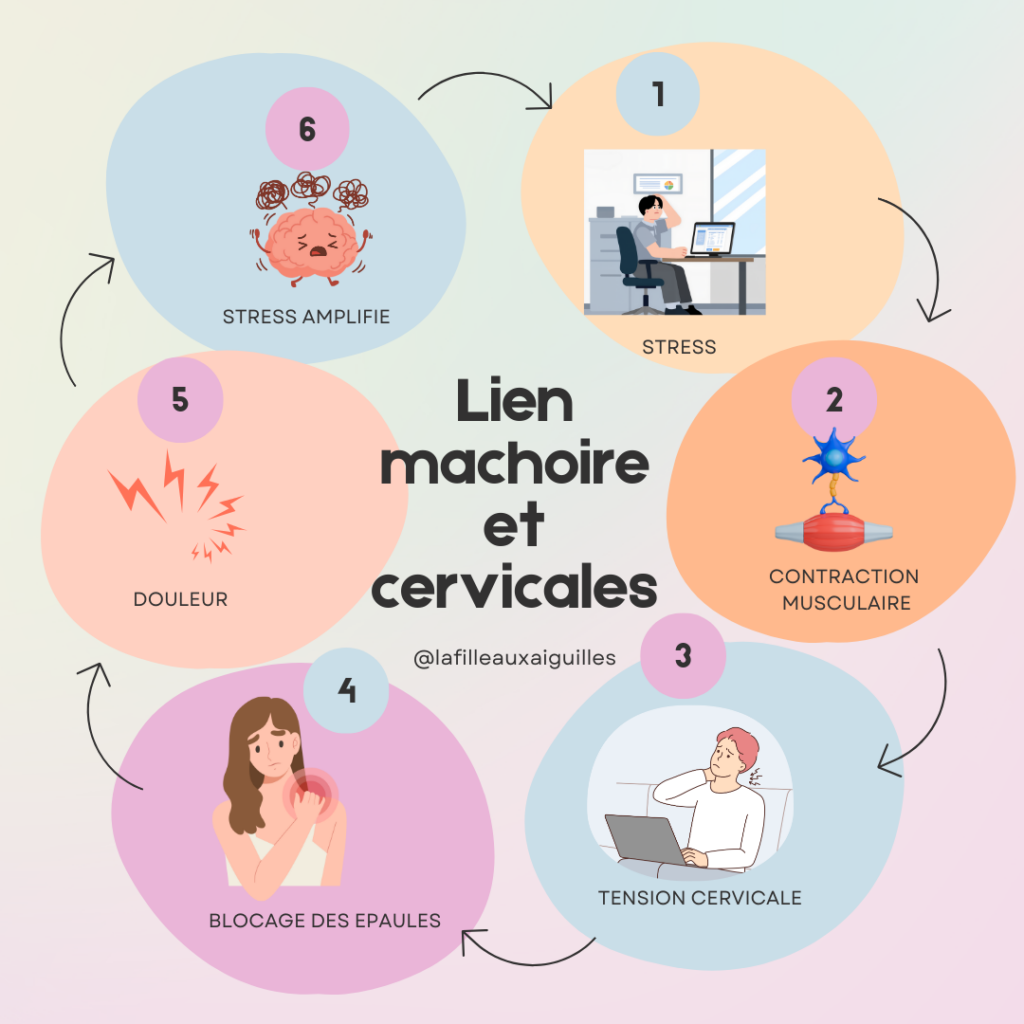
The usual pattern is:
Stress → Jaw contraction → Neck tension → Locked shoulders → Tension migraines
This is why treating only the neck without working on the jaw sometimes gives partial results.
Common symptoms linked to bruxism
You may be affected if you have:
- Chronic neck pain
- Migraines or band-like headaches
- A feeling of pressure in the head
- Clicking in the jaw
- Tiredness on waking
- Tooth sensitivity
- Constantly tight shoulders
In Aix-en-Provence, these symptoms are very common among people under stress, remote workers and people with a heavy mental load.
Why a targeted approach matters
When stress is chronic, tension becomes automatic.
Specific work on:
- the temporomandibular joint
- the chewing muscles
- the cervical spine
- the cervical fascia
may allow a deeper and longer-lasting release.
With this in mind, I have developed a specific protocol for jaw and neck tension at my osteopathy practice in Aix-en-Provence.
👉 Discover the Jaw & Neck Protocol
The role of intra-oral techniques
In some cases (established bruxism, deep tension), gentle intra-oral work may be offered.
It acts directly on the muscles responsible for teeth clenching and gives a more precise release.
These techniques are always explained and carried out with consent.
Can this pain really be reduced?
When neck pain is linked to jaw tension, appropriate care may bring:
- fewer migraines
- improved neck mobility
- relaxed shoulders
- an overall feeling of calm
The aim is not only to “release a blockage” but to reduce the stress → contraction → pain loop.
In summary
If you suffer from:
- Bruxism
- Neck pain
- Tension migraines
- Stress-related shoulder tension
The jaw may be a key factor.
A targeted osteopathic approach may make it possible to act at the source.
📍 Osteopathy practice in Aix-en-Provence
(consultations also in Cadenet)
👉 Book a session or discover the specific Jaw & Neck protocol