Ginger and digestion

ginger and digestion Chinese medicine


Ginger: a natural ally for better digestion

Ginger, the spicy root native to Asia, is not only a key ingredient in cooking. For centuries, it has been used in traditional medicine for its many health benefits, notably to improve digestion. Let us find out together how this plant may contribute to your digestive well-being.


1. The digestive properties of ginger

Ginger is reputed to stimulate digestion thanks to its active components, such as gingerols and shogaols. These substances:

  • Activate the production of digestive enzymes : they promote more efficient breakdown of food.
  • Soothe inflammation of the digestive tract : useful in cases of bloating or abdominal discomfort.
  • Reduce nausea : notably nausea caused by travel sickness or pregnancy.

2. The effects of ginger on common digestive problems

  • Bloating and wind : thanks to its carminative properties, ginger helps to expel gas built up in the intestine.
  • Indigestion : it stimulates gastric emptying, thereby relieving the feeling of heaviness after a large meal.
  • Acid reflux : in small amounts, ginger may calm irritation caused by stomach acid.

3. How should you take ginger for digestion?

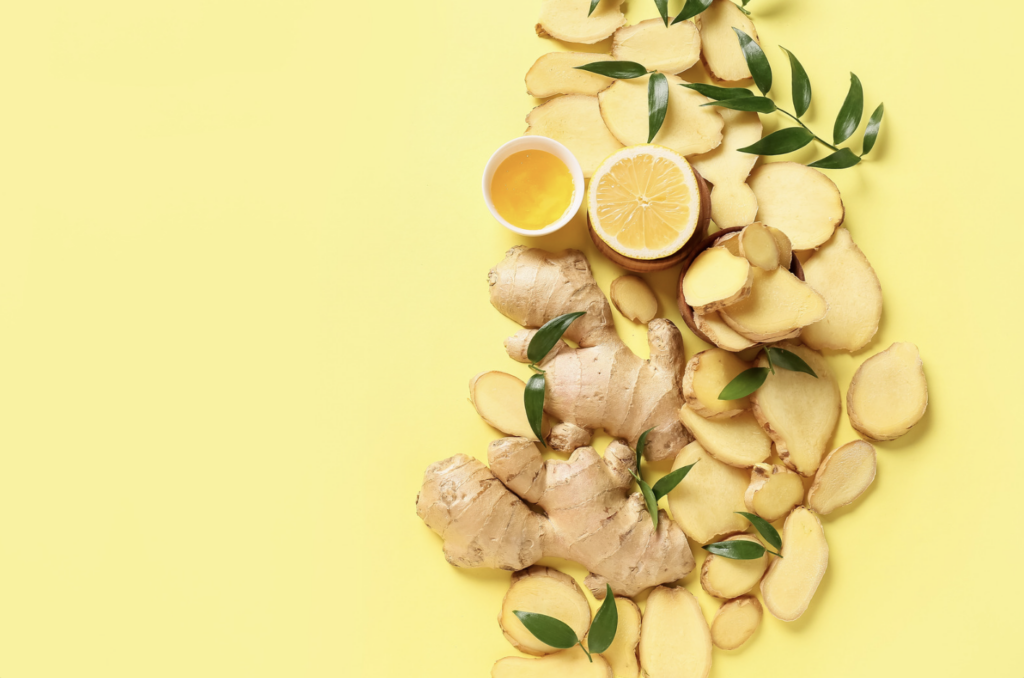
  • As an infusion : Steep a few slices of fresh ginger in hot water for a soothing tea.
  • As a juice : Add a small amount of ginger juice to your smoothie or to lemon water.
  • In cooking : Add it grated to your dishes or soups for a spicy flavour and health benefits.
  • As a food supplement : in capsule or extract form, for more concentrated use.

4. Precautions for use

Although ginger is generally safe, a few precautions should be observed:

  • Limit your intake if you take anticoagulants, as it can thin the blood.
  • In case of allergy or severe gastric problems, consult a health professional before using it.

Conclusion: a root with many benefits

As well as adding a touch of flavour to your dishes, ginger is a real treasure for your digestion. Whether it is eaten fresh, powdered or as an infusion, it may be a natural aid for relieving everyday digestive complaints. So why not include this root in your routine? I recommend a small shot of ginger after lunch if you get energy slumps in the afternoon, or else some crystallised ginger. Enjoy.


Morning sickness and Acupuncture

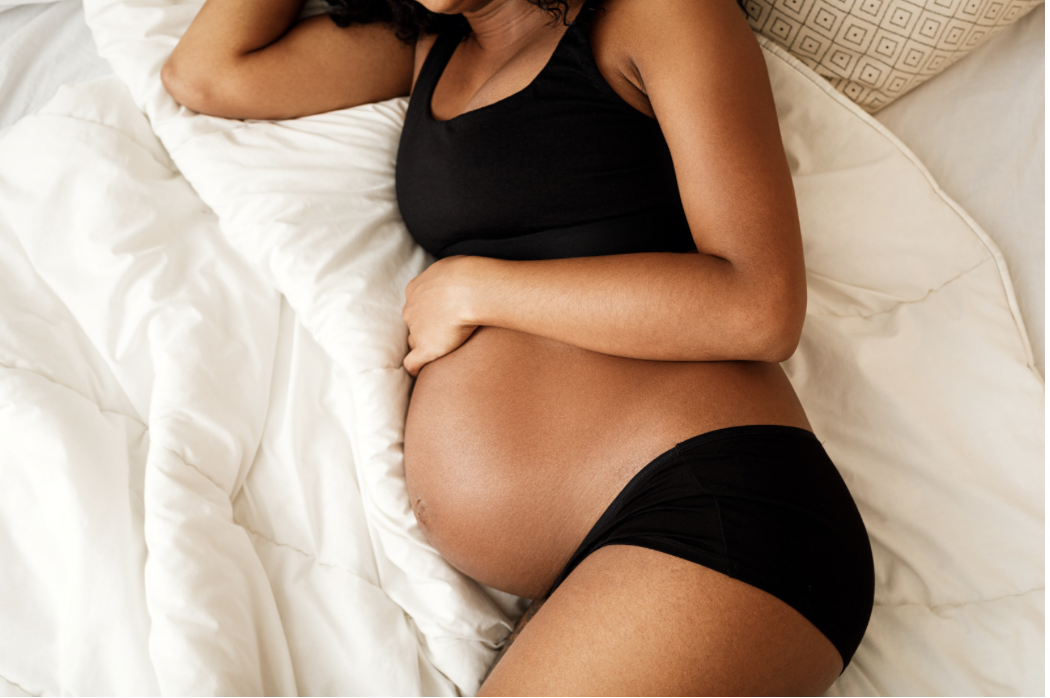
Pregnant woman with morning sickness

Are you pregnant and suffering from morning sickness that is spoiling your pregnancy? Acupuncture may help to relieve it, and some people notice an improvement from the first few sessions.

The nausea and vomiting that appear early in pregnancy are known as morning sickness. They often appear between the 6th and 16th weeks of pregnancy. They become more intense between weeks 8 and 12 of pregnancy. While the symptoms can sometimes reassure some women, they can also affect quality of life and prevent proper eating.

50% of women may vomit and more than 80% of pregnant women experience nausea. Eating less is not an effective way to treat morning sickness, especially if vomiting is the main symptom. Vomiting can lead to dehydration, which affects the pregnant woman as well as the foetus.

While morning sickness is linked to hormonal changes (beta hCG levels, oestrogen…), stress, fatigue and other emotional factors can also play a role. If the pregnant woman has significant symptoms, whether physical or psychological, it is important to seek medical advice.

Acupuncture as support for morning sickness

If morning sickness needs to be treated, acupuncture can be offered alongside medical care, in liaison with the doctor or midwife. During pregnancy, its side effects are uncommon and usually mild when performed by a trained practitioner. Some studies suggest that it may help to reduce nausea and vomiting.

During early pregnancy, major changes take place in the body, and acupuncture can relieve symptoms at the energy level.

If symptoms are significant, it is always best to book an appointment with your doctor first.

menstrual cycle

Menstrual cycle, periods, amenorrhoea, endometriosis, PCOS, menstruation

Pain-free, regular periods are a sign of good health and good hormonal balance, and therefore of a healthy menstrual cycle.

In this quiz*, find out what your symptoms say about your general health. You will understand your symptoms and find advice or solutions to improve your quality of life. Experiencing mild symptoms is normal; however, some signs point to an imbalance or a condition that needs to be investigated and treated.

After the quiz, remember to display your score to see the results.

*This quiz is for information only and is in no way a medical diagnosis, nor does it treat any condition. Always consult your GP or specialist if you have questions about a treatment or a diagnosis. Click on the link below

https://forms.gle/QrQYFqzDunfF2ivG9

The menstrual cycle is shaped by several factors, such as its length, the flow during periods (heavy, haemorrhagic, presence of clots, red, pink or black colour), mood changes (low mood, irritability, crying), sleep disorders, digestive disorders (bloating, diarrhoea, constipation), hot flushes, sweating, etc.

Chinese medicine places great importance on female balance. Good physical and mental health flows from this balance. From period disorders, through infertility, to menopause, acupuncture supports women throughout their lives. It can also support fatigue, insomnia, abdominal pain, and the management of emotions and stress

Keywords: periods, menstruation, period disorders, endometriosis, menopause, PCOS, Chinese medicine, acupuncture, acupuncturist.

Acupuncture

acupuncture
what is acupuncture?

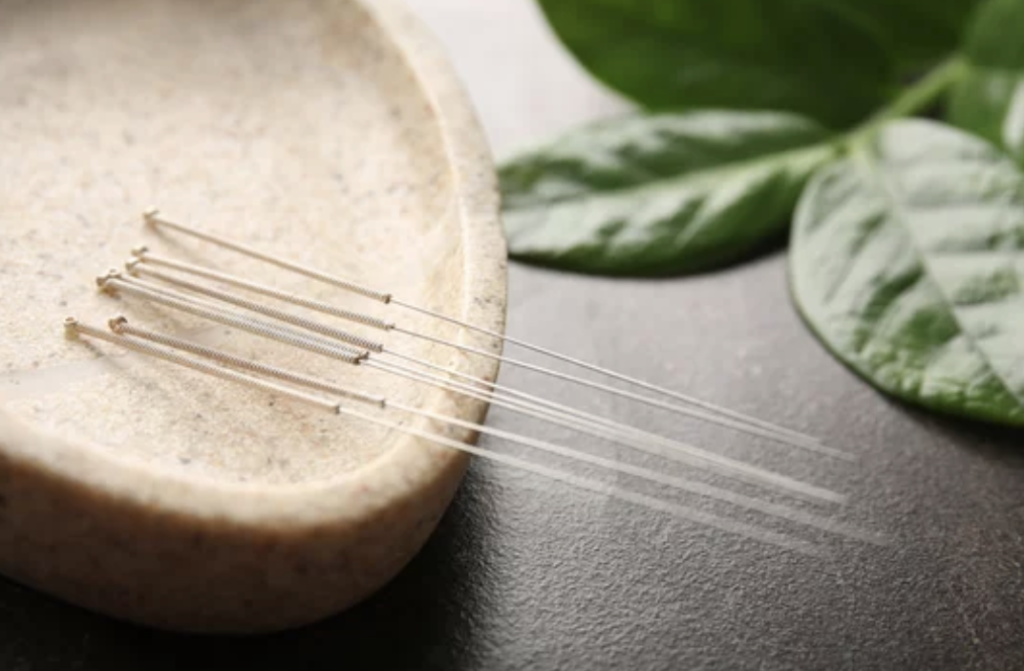
Acupuncture (sometimes spelt “acuponcture” in French) is a very old therapeutic method, born in China 5,000 years ago, which regulates the body by means of needles placed in the skin at precise acupuncture points.

Acupuncture is based on the concept of vital energy and the theory of yin and yang. A state of balance defines good health.

Sometimes, internal or external aggressions disturb this balance, such as climatic changes (cold, heat, wind, dryness, trauma, infection) or eating too little or too much, dietary mistakes, excess or lack of emotions (anger, fear, sadness).

The imbalance may be temporary if the body has good immunity or if the pathogen is eliminated. Otherwise, the imbalance leads to the dysfunction of an organ, which in turn leads to the onset of an illness.

First and foremost preventive, acupuncture’s role is to maintain good health. It is also curative as soon as symptoms appear. It is advisable to have a session every 4 months, that is, at each change of season. This makes it possible to anticipate certain symptoms, such as allergies for example, or to prevent certain illnesses by boosting immunity.

According to Traditional Chinese Medicine, vital energy depends on the quantity and quality of the air we breathe, on diet, on managing emotions as well as on mental and sexual stimulation and on solar radiation.

Migraine

migraine with or without aura

As a former migraine sufferer, I managed to get rid of my migraines with natural care. I was on beta blockers and another neurological medication, but nothing worked. 

Today I support patients suffering from migraines. Some patients had had migraines for more than 20 years.

For migraines or  headaches, the first treatment offered is unfortunately still  anti-migraine medication. However, some studies suggest that medications for migraines (paracetamol, Lamaline,  beta blockers,  ibuprofen) may be effective only for a short time. And they can have long-term side effects.

Often, for headaches or migraines, we ask patients to keep a diary or to change their lifestyle. Some therapies, such as relaxation and cognitive behavioural therapy, can improve them. 

meditation yoga migraine

Taking coenzyme Q10 is reported to significantly reduce the frequency of migraines. Magnesium is reported to be effective in teenage girls who suffer from migraines during menstruation (catamenial migraines).

As for homeopathy, no reliable study shows whether or not it is effective on migraines, in the short or long term, for this chronic condition.

acupuncture migraine
acupuncture and migraine

Acupuncture and the management of migraines

There are a great many studies on acupuncture and migraines. Some studies suggest that acupuncture may have an effect comparable to that of medication. Its side effects are uncommon and usually mild when performed by a trained practitioner. Other studies suggest that a course of acupuncture sessions may have an effect close to that of beta blockers. Of course, it is the patient’s choice to opt for such support, alongside medical care.

Acupuncture may help relieve and/or prevent migraines with or without aura, thanks to its pain-relieving effect. Some study data suggest a change in brain biochemistry linked to migraines after acupuncture treatment. It may contribute to a reduction in the frequency of attacks as well as a decrease in the intensity of pain.

During treatment, sterile single-use needles are inserted into acupuncture points along the meridians. The treatment is painless.

Acupuncture has also been the subject of studies with encouraging but still limited results for tension headaches, back pain (neck pain) and shoulder pain. Acupuncture may therefore be worthwhile alongside medical care.

migraine and osteopathy

Osteopathy: an appealing method for managing migraines

Osteopathy is also of interest for occipital (Arnold’s) neuralgia, tension headaches, ophthalmic migraines and migraines during menstruation. Other  symptoms and clinical signs  are explored, such as vomiting, nausea, abdominal pain (liver, spleen, stomach), high blood pressure, eyesight problems (unsuitable glasses), migraines that come on at night, on waking in the morning or in the evening, dizziness, allergy, diarrhoea, back pain, chronic illness, hormones, sinusitis, stress, and tension in the jaw. The causes are many. Osteopathy and/or acupuncture seek to identify the cause(s) in order to support patients with migraines, which are often disabling. Massage of the head, neck and shoulders may reduce tension headaches, for example. Indeed, there are different causes of migraines: eyesight problems, high blood pressure, digestive origin, cervical origin, heat, cold, fatigue.  

At my practice I offer osteopathy or acupuncture, or I can combine both in the same session.

https://www.ncbi.nlm.nih.gov/pmc/articles/PMC3291665/

https://www.ncbi.nlm.nih.gov/pubmed/30007828

Yintang

YinTang or third eye point for insomnia anxiety depression
yintang point

Origin of the Yintang point

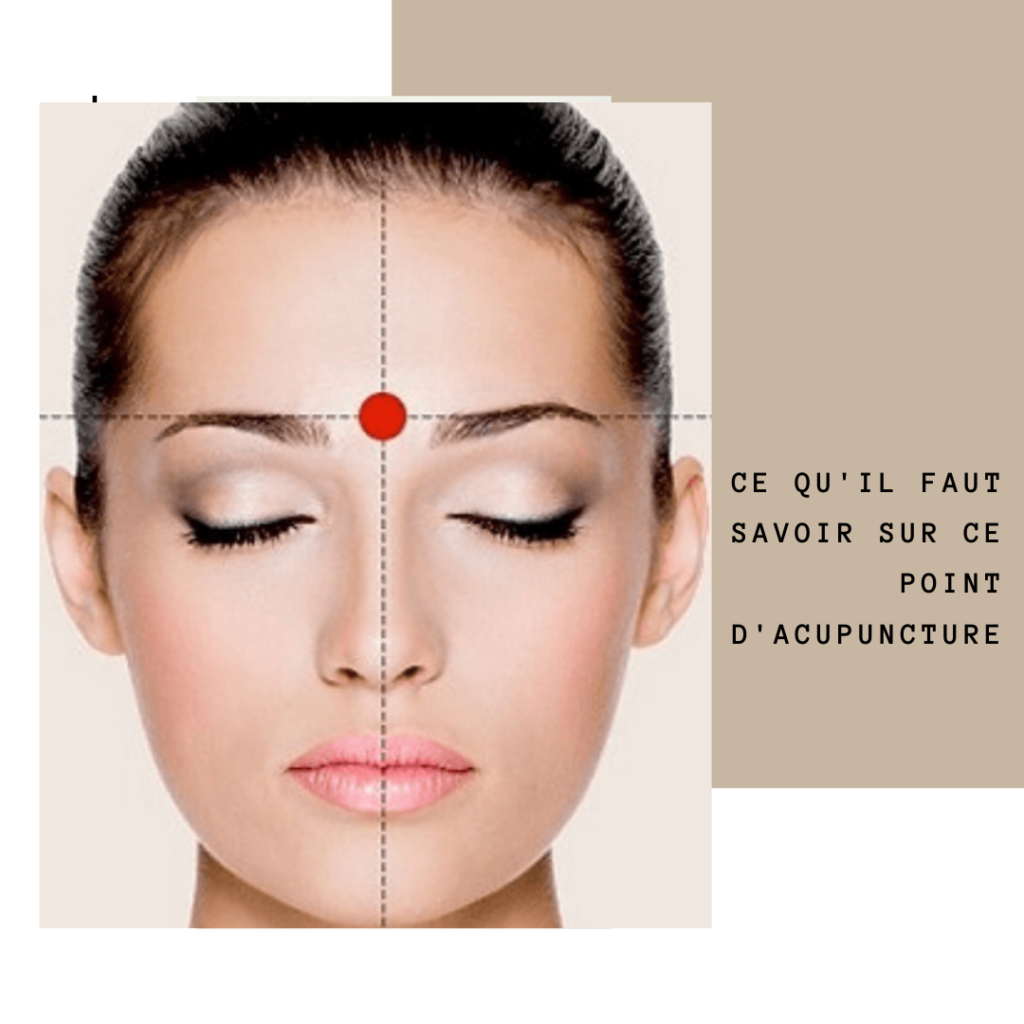
Acupuncture can help with psychological and emotional disorders (stress and anxiety). Widely used in treatments, Yintang is located in the space between the eyebrows.

Called the “palace of the mind”, it is a so-called “extraordinary” point. It is also known as the point of feelings and emotions. It has an effect on the intellect, the emotions and consciousness. It corresponds to the upper Dantian.

It corresponds to the “3rd eye” or sixth chakra: Ajna. This chakra symbolises intuition, clarity, meditation and confidence. “I see”

YinTang may help to calm the mind, improve concentration, release emotions, promote sleep, relieve migraines and support states of depression in liaison with the doctor.

Linked to the Heart meridian, local redness or warmth indicates states of heat or excess yang.

Its colour and texture help to diagnose the person’s state of health.

Indications

  • Anxiety, depression,
  • Insomnia,
  • Mental agitation,
  • Headaches, migraines,
  • Sinusitis, nasal congestion, rhinitis
  • Hangover,

This point is used for many reasons for consultation. It is often used in sessions such as weight loss or stopping smoking.