When should you have acupuncture to get pregnant?

fertility acupuncture Aix-en-Provence, planning a baby, conception, ART, IVF
acupuncture to get pregnant

You are planning a pregnancy and wondering when to start acupuncture to support fertility? Acupuncture may be offered as a complementary approach when you wish to become pregnant, whether you hope to conceive naturally or are going through assisted reproduction (ART).

When a pregnancy is being considered, it can be worthwhile to start the support a few months before trying to conceive, ideally around 2 to 3 months ahead. This allows time to observe your cycle and to set up personalised support.

But there is absolutely no need to wait several months before booking: acupuncture can begin at any point in the cycle and at any stage of your pregnancy plans.

Why start acupuncture before trying to get pregnant?

In Traditional Chinese Medicine, fertility support does not necessarily begin the moment you stop contraception.

The consultation takes the whole person into account: the menstrual cycle, sleep, digestion, stress levels, fatigue, general health and any symptoms associated with the cycle.

Starting sessions a few months before trying to conceive can make it possible to observe several cycles and to adapt the support gradually.

Acupuncture may therefore be considered as part of a pregnancy plan to support, in particular:

Acupuncture does not guarantee a pregnancy and does not replace medical tests or medical care when these are needed.

Should acupuncture be done at the time of ovulation?

No. There is no need to come only at the time of ovulation.

An acupuncture session can take place at any point in the menstrual cycle. You do not need to know your exact ovulation date to start receiving support.

The timing of the session is adapted to your situation, your symptoms and the aim of the consultation.

Depending on your needs, sessions can therefore take place during your period, after menstruation, around the ovulatory phase or after ovulation.

The idea is to offer regular, personalised support throughout the cycle rather than systematically concentrating sessions around ovulation.

Acupuncture and the menstrual cycle

The cycle is an important element of an acupuncture consultation when planning a pregnancy.

I may take into account the regularity and length of your cycles, any pain, premenstrual syndrome, sleep quality, digestion, fatigue and stress levels.

The aim is to understand your situation as a whole in order to adapt the sessions.

You therefore do not need a perfectly regular cycle, or to know your exact ovulation date, to book a consultation.

Acupuncture and natural fertility

When a couple wishes to conceive naturally, acupuncture can be part of a complementary approach to the pregnancy plan.

Some women choose to start sessions 2 to 3 months before trying to conceive, so as to take time to observe their cycle and receive support over several cycles.

Others come when they have already started trying.

In both cases, there is no need to schedule sessions exclusively around ovulation.

Acupuncture cannot guarantee a pregnancy and should not be presented as a treatment for infertility.

If you are having difficulty conceiving, a medical assessment can look for possible causes and adapt the care accordingly.

Acupuncture and the ART journey

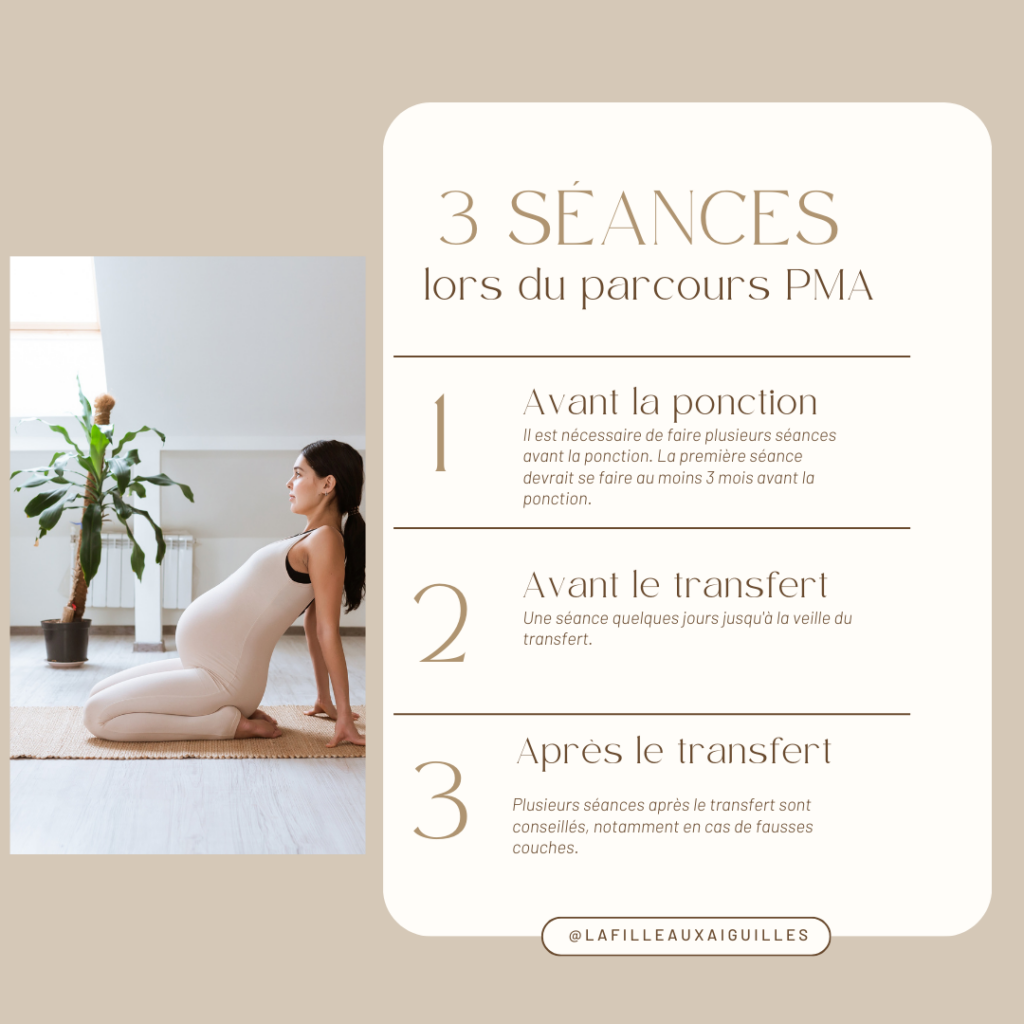
Acupuncture may also support some women going through ART, IVF or artificial insemination.

Support can begin before the protocol and continue through its different stages, according to your needs and the recommendations of the medical team.

Sessions are not necessarily scheduled solely around ovulation. They can be adapted to the protocol calendar, to the cycle and to each woman’s situation.

The aim is to offer complementary support alongside the medical pathway.

Acupuncture does not replace hormone treatments, tests or the recommendations of the fertility team.

What if I have endometriosis?

Endometriosis can affect daily life and sometimes plans for a pregnancy.

When endometriosis has been diagnosed, acupuncture may be offered alongside gynaecological follow-up and fertility care.

It may in particular support some of the pain or discomfort associated with the cycle.

Planning a pregnancy with endometriosis calls for individualised care with the health professionals who follow your situation.

When should you start acupuncture to get pregnant?

There is no universal medical time frame requiring acupuncture to start three months before trying to conceive.

However, starting 2 to 3 months ahead can be worthwhile as part of a support approach, as it allows time to observe several cycles and to adapt the sessions gradually.

But if you have already started trying for a baby, it is not too late to book a consultation.

You can book an appointment at any point in your cycle, without waiting for your next ovulation.

What happens during a fertility acupuncture session?

The consultation begins with an in-depth discussion about your pregnancy plans and your general health.

I look in particular at your menstrual cycle, sleep, digestion, stress levels, fatigue and any symptoms associated with the different phases of the cycle.

If you are going through ART, the medical protocol and its calendar are also taken into account.

The session is then adapted to your situation.

Follow-up can evolve from cycle to cycle and according to your needs.

Why choose fertility acupuncture in Aix-en-Provence?

I offer acupuncture consultations in Aix-en-Provence, with an approach particularly focused on women’s health and support for pregnancy plans.

Whether you wish to start sessions before trying to conceive, are already trying, or are going through ART, the support is personalised.

There is no need to wait for ovulation to book a consultation: a session can take place at any point in the cycle.

Acupuncture is a complementary approach and does not replace medical or gynaecological follow-up.

Book an appointment

Are you planning a pregnancy and would like support from acupuncture?

You can start sessions a few months before trying to conceive or book now, whatever point you are at in your cycle.

Fertility acupuncture consultations in Aix-en-Provence.


FAQ: acupuncture and fertility

When should you start acupuncture to get pregnant?

It can be worthwhile to start 2 to 3 months before trying to conceive so that several cycles can be observed. However, you can start at any time, including once you have already started trying.

Should acupuncture be done at the time of ovulation?

No. There is no need to schedule a session at the exact time of ovulation. Acupuncture can be carried out at any point in the cycle and the session calendar is adapted to your situation.

Can you start acupuncture during your period?

Yes. A consultation can take place during your period. The point in the cycle does not prevent you from starting support.

Do you need to know your ovulation date to have acupuncture?

No. You do not need to know your exact ovulation date to book a consultation. The cycle and how it changes can be taken into account over the sessions.

How long before a pregnancy should you have acupuncture?

There is no mandatory time frame. Starting 2 to 3 months before trying to conceive can allow support over several cycles, but you can book a consultation at any stage of your pregnancy plans.

Does acupuncture increase the chances of getting pregnant?

Acupuncture does not guarantee a pregnancy. It may be offered as a complementary approach when planning to conceive, but it does not replace medical tests or medical care if you are having difficulty conceiving.

Can you have acupuncture while trying for a baby?

Yes. Acupuncture can be offered while you are trying to conceive, with care adapted to your cycle and your situation.

Acupuncture and IVF: when to start?

Support can begin before an IVF protocol and may continue during it. Sessions are adapted to the protocol calendar and should remain complementary to the follow-up provided by the medical team.

Can acupuncture support endometriosis and the wish to become pregnant?

It may be offered as a complementary approach to support some manifestations of endometriosis, in particular pain and some kinds of discomfort. It does not treat endometriosis lesions and does not replace gynaecological care.

Where can you have fertility acupuncture in Aix-en-Provence?

I offer acupuncture and Traditional Chinese Medicine consultations in Aix-en-Provence, with an approach particularly focused on women’s health, fertility and support for pregnancy plans.
Acupuncture during pregnancy: when to book a session?

pregnancy and acupuncture

Pregnancy is a time of many physical, hormonal and emotional changes. Over the months, some women may experience various discomforts: nausea, fatigue, digestive problems, difficulty sleeping, tension or pain.

Acupuncture during pregnancy may be offered as a complementary approach to support some of these discomforts, always alongside medical and obstetric care.

Why see an acupuncturist during pregnancy?

In Traditional Chinese Medicine, pregnancy is considered a special period that calls for care adapted to each woman and to each stage of pregnancy.

An acupuncture consultation for pregnant women may be considered in particular to support:

  • pregnancy-related nausea and vomiting;
  • some digestive problems and bloating;
  • difficulty sleeping;
  • stress and tension;
  • fatigue;
  • some bodily aches and tension;
  • heavy legs;
  • some discomforts linked to changes in the body.

Care is adapted to how far along the pregnancy is and to your situation.

Acupuncture in the first trimester

The first trimester often brings significant changes: fatigue, nausea, heightened sensitivity, digestive changes or disturbed sleep.

Acupuncture may be considered as a complementary approach to support some of these symptoms.

This period does, however, require particular care. Any unusual pain, bleeding, fever, severe vomiting or worrying symptom should be checked by a doctor or obstetric team.

Acupuncture in the second trimester

The second trimester is often marked by new physical adjustments. The bump grows, posture gradually changes and some tension may appear.

Acupuncture may support some discomforts such as digestive problems, difficulty sleeping, stress or some bodily tension.

Each session is adapted to how the pregnancy is progressing.

Acupuncture in the third trimester

As the due date approaches, the baby’s weight and changes in posture may increase some discomforts: lower back pain, a feeling of heavy legs, sleep problems or fatigue.

Acupuncture may be offered in some situations to support the comfort of the mother-to-be.

In late pregnancy, sessions must remain adapted to the stage of pregnancy and the obstetric context.

Can you have acupuncture while pregnant?

Acupuncture can be practised during pregnancy by a trained professional, with care adapted to this special period.

The points used, the techniques and the indications are chosen according to the stage of pregnancy and the situation of the pregnant woman.

Acupuncture never replaces the care provided by your midwife, your doctor or your maternity unit, however.

If you have any doubt about a symptom during pregnancy, it is always best to seek medical advice before any complementary consultation.

Acupuncture and preparing for birth

Some women also wish to include acupuncture in their preparation for birth.

In this context, support may be considered in the last weeks of pregnancy, depending on the stage of pregnancy and the obstetric context.

The aim is to offer a complementary, personalised approach, without replacing the recommendations of the medical team or the maternity unit.

What happens during an acupuncture session in pregnancy?

The consultation begins with a discussion about your pregnancy, how far along you are, your reason for coming and your general health.

In particular, I take into account your sleep, your digestion, your level of fatigue, your emotional state and any discomforts you are experiencing.

The session is then adapted to your situation and to the stage of your pregnancy.

The aim is to offer you individual support, in a comfortable setting that respects your pregnancy.

Acupuncture and pregnancy in Aix-en-Provence

I offer acupuncture consultations in Aix-en-Provence, with an approach particularly focused on women’s health.

Support can cover different stages of life: menstrual cycle, endometriosis, fertility, pregnancy, postpartum and menopause.

Where relevant, acupuncture can also be combined with an osteopathic approach.

Book an appointment

Are you pregnant and would you like acupuncture support for some of the discomforts linked to your pregnancy?

A first consultation is an opportunity to review your situation and decide whether this complementary approach is suitable.

Acupuncture consultations for pregnant women in Aix-en-Provence.


FAQ: acupuncture and pregnancy

Can you have acupuncture while pregnant?

Yes, acupuncture can be offered during pregnancy with care adapted to the stage of pregnancy and to each woman’s situation. It complements medical and obstetric care.

When should you start acupuncture during pregnancy?

There is no single right time to start. A consultation may be considered depending on the reason and the needs of the mother-to-be, taking into account the stage and context of the pregnancy.

Can acupuncture help with pregnancy nausea?

Acupuncture may be considered as a complementary approach to support nausea and some digestive discomforts of pregnancy. In the event of severe vomiting or dehydration, medical advice is necessary.

Can you have acupuncture in the first trimester?

Care may be considered from the first trimester, with precautions and adaptation to the context of the pregnancy. If there is any unusual or worrying symptom, medical care remains the priority.

Can acupuncture support pain during pregnancy?

It may be offered as a complementary approach for some tension or pain, after taking the context of the pregnancy into account. Any severe or unusual pain must be assessed by a doctor.

Can acupuncture help prepare for birth?

Some women choose to include acupuncture in their preparation for birth. This approach must remain a complement to the care provided by the midwife, the doctor and the maternity unit.

Can you have acupuncture after giving birth?

Yes, acupuncture may also be considered during the postpartum period to support some discomforts and this time of transition.

Where can I have acupuncture during pregnancy in Aix-en-Provence?

I offer acupuncture consultations in Aix-en-Provence, with a specialised approach to supporting women’s health and the different stages of reproductive life.

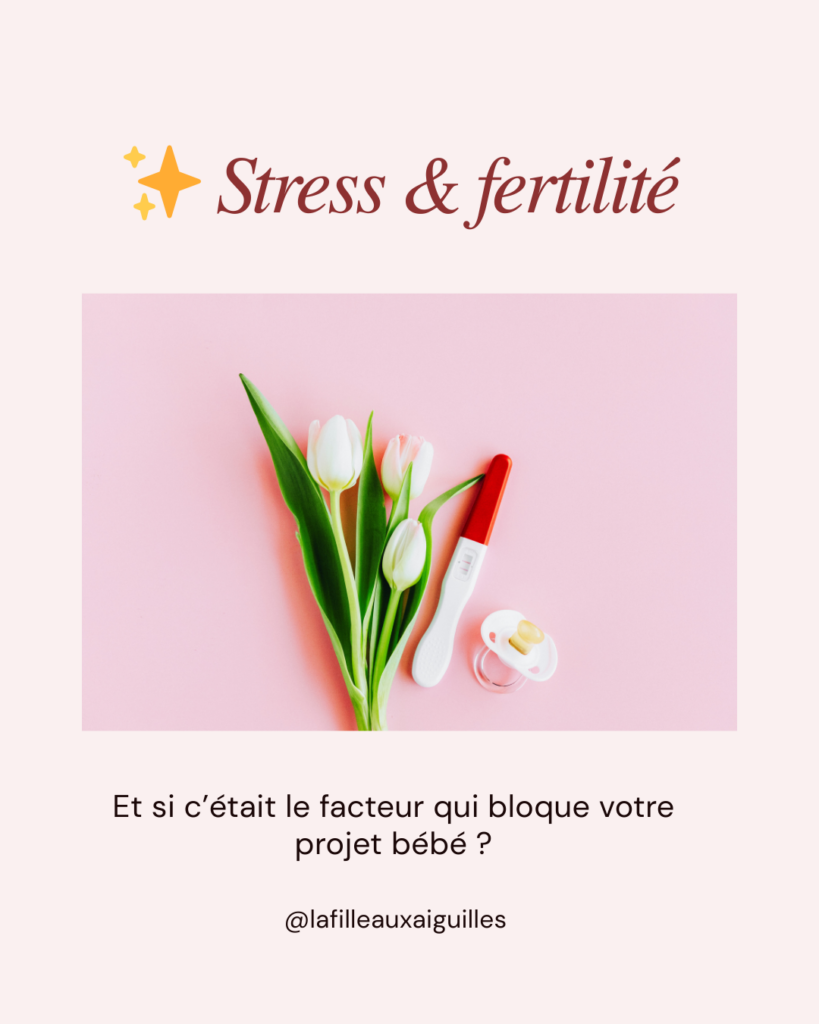
Stress and fertility: an underestimated factor that can hold back your plans for a baby

When trying for a baby, attention is often focused on hormones, ovulation, ovarian reserve or the quality of the semen analysis.

But one essential element is still too often overlooked:  chronic stress.

Yet fertility does not depend only on the ovaries or the testes. It rests on a subtle balance between the hormonal system, the nervous system and blood circulation.

In this article, we will look at why stress can affect fertility and, above all, how to address it effectively.

How does stress affect fertility?

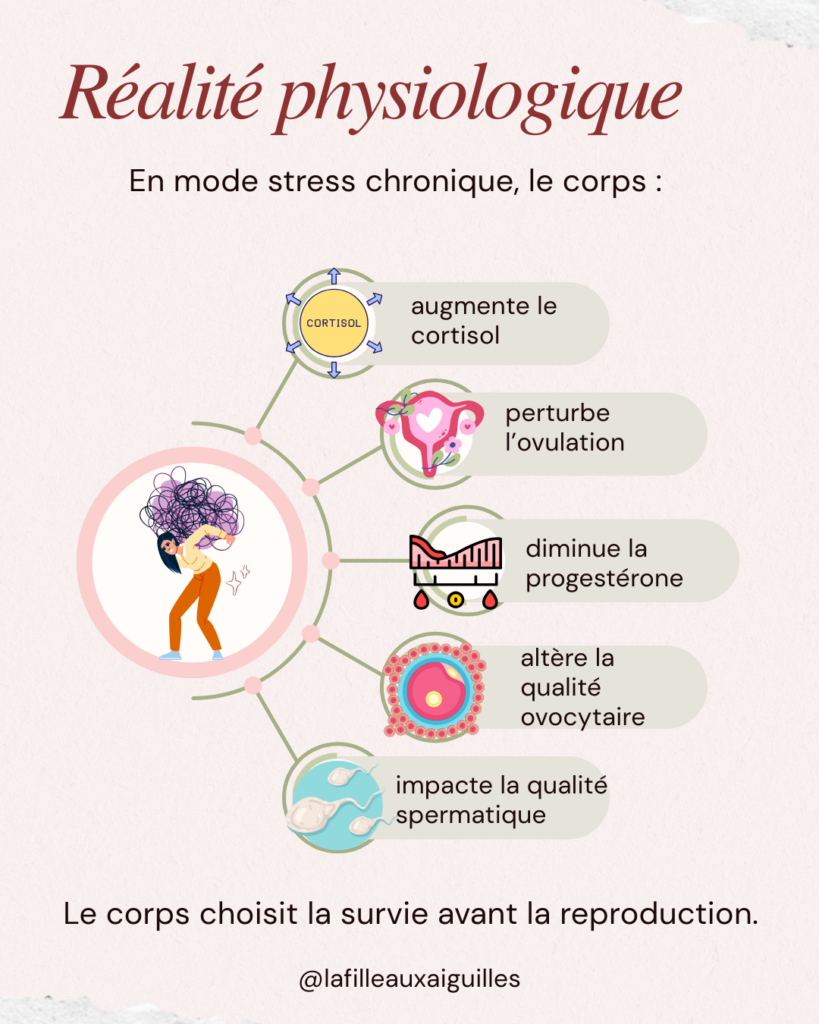
When stress becomes chronic, the body permanently activates the hypothalamic-pituitary-adrenal axis, which is responsible for producing cortisol.

This mechanism is useful in a one-off situation.
But in the long term, it can disrupt reproductive balance.

In women

Excess cortisol can:

  • Disrupt communication between the brain and the ovaries
  • Delay or block ovulation
  • Reduce progesterone production
  • Worsen premenstrual syndrome
  • Alter the quality of the luteal phase
  • Affect the blood supply to the uterus

When the body perceives a state of alert, it does not prioritise reproduction.

In men

Chronic stress can also:

  • Impair sperm quality
  • Reduce sperm motility
  • Influence sperm DNA fragmentation

Male fertility is also sensitive to emotional and nervous state.

Why is stress underestimated during assisted reproduction or when trying for a baby?

Because it is often played down.

People frequently hear:
“You just need to relax.”

But without practical support, this instruction can make people feel guilty.

The stress of the medical journey, the waiting times, the tests or repeated failures is real.
It deserves specific care.

Acupuncture and fertility: support for the nervous and hormonal systems

Acupuncture is now used alongside natural conception or assisted reproduction (ART).

In particular, it may act on:

  • The regulation of the autonomic nervous system
  • Lowering cortisol
  • Improving blood circulation to the uterus
  • The oestrogen / progesterone balance
  • Egg quality

Several studies suggest that acupuncture is of interest in supporting fertility problems, notably by reducing stress and improving the uterine environment.

As part of a holistic approach, it may help the body gradually leave “hypervigilance” mode, to encourage conditions more favourable to conception.

The value of osteopathy when trying for a baby

Osteopathy complements this care by working on:

  • Tension in the pelvis
  • Uterine mobility
  • The diaphragm (a key area for regulating stress)
  • Pelvic circulation

A more mobile pelvis and better circulation may support reproductive function.

Complementary techniques: breathing and yoga

Deep breathing and some yoga practices activate the parasympathetic system, which is responsible for rest and recovery.

They help to:

  • Improve heart rate variability
  • Reduce nervous overactivation
  • Regulate emotions better
  • Improve sleep quality

This work on the nervous system is often a major lever when trying for a baby takes a long time or is emotionally intense.


Fertility: a holistic and personalised view

Fertility is not only a biological question.
It is an overall balance.

Hormones, circulation, nervous system, emotional state: everything is interconnected.

Addressing stress does not mean that “it is all psychological”.
It means supporting the physiological terrain as a whole.


Are you trying for a baby in Aix-en-Provence or Cadenet?

I offer personalised support in acupuncture and osteopathy, adapted to your cycle and your situation (natural conception or assisted reproduction), in liaison with your doctor or medical team.

📍 Practice in Aix-en-Provence
📍 Practice in Cadenet

Holistic support can make a difference.

👉 Book an appointment online


Acupuncture and breech babies: when to do it and how does it work?

Pregnant woman receiving an acupuncture session to help her breech baby turn naturally with moxibustion on point BL67

When a baby is in the breech position at the end of pregnancy, many mothers-to-be look for natural solutions to encourage it to turn by itself. Acupuncture is a method that may help to reposition the baby the right way round, alongside the care of your midwife or doctor. Let’s look at when and how this approach works.

What is a breech baby?

A breech baby is positioned head up with its bottom down in the uterus, instead of the head-down position recommended for vaginal birth . This presentation affects about 3 to 4% of full-term pregnancies and can complicate birth.

When should acupuncture be done for a breech baby?

Acupuncture and moxibustion are ideally carried out between the 32nd and 36th weeks of pregnancy. This is when the baby still has enough room to turn. After the 36th week, space becomes more limited, making turning more difficult, although some babies can still change position later.

How does acupuncture work to turn a breech baby?

Acupuncture uses the stimulation of specific points to encourage the baby to turn. The most common technique is moxibustion, which involves warming the point Bladder 67 (BL67) , located on the little toe. This heat stimulation may improve blood circulation in the uterus and encourage the baby to move.

The effects of moxibustion and acupuncture

  • Relaxation of the uterus : may reduce muscle tension and allow the baby to move more freely.
  • Increased foetal activity : some studies suggest an increase in the baby’s movements after a session.
  • Better blood circulation : may promote a more comfortable environment for the baby.

How effective is acupuncture for a breech baby?

Some studies suggest that moxibustion and acupuncture may increase the chances of the baby turning. This approach is non-invasive and can be offered alongside medical care, without replacing external cephalic version (ECV) carried out by doctors.

What happens during an acupuncture session for a breech baby?

An acupuncture consultation begins with an overall assessment of the mother-to-be. Then:

  1. The acupuncturist stimulates specific points on the legs and feet.
  2. Moxibustion is applied to point BL67.
  3. Advice is given on doing moxibustion at home.

The protocol recommends one acupuncture session combined with daily stimulation of point BL67 for 7 to 10 days.

Are there any contraindications?

Acupuncture is a gentle method, but some situations require a medical consultation before considering it:

  • High-risk pregnancy (placenta praevia, pre-eclampsia, etc.)
  • History of premature birth
  • Foetal malformation

Conclusion

Acupuncture and moxibustion are natural methods that may help to encourage a breech baby to turn. Carried out between the 32nd and 36th weeks of pregnancy, they offer a gentle complement to medical care, with a view to a vaginal birth. Feel free to consult a specialised acupuncturist for personalised support!

The Zen Baby Point in Acupuncture: Benefits and Explanations

zen baby point acupuncture, beautiful baby point, kidney 9

Zen Baby Point

Acupuncture is an ancient practice that comes from Traditional Chinese Medicine (TCM) and helps to balance the body’s vital energy, known as Qi. Among the many acupuncture points, there is one that is particularly well known for promoting the well-being of pregnant women and their babies: the Zen Baby Point. This point is often used to help create a soothing, balanced environment in the womb.

What is the Zen Baby Point?

The Zen Baby Point corresponds to Kidney 9 (KI9, Zhubin), located on the inner side of the leg, about 7 cm above the inner ankle bone. It is recognised in Chinese medicine for its calming and harmonising effects, for both the mother and the baby in utero.

What are the benefits of the Zen Baby Point during pregnancy?

Kidney 9 (KI9) is used in acupuncture during pregnancy for several benefits:

1. Easing stress and anxiety in pregnant women

This point helps to calm the nervous system, reducing the mother-to-be’s stress and anxiety. A calm state in the mother contributes directly to the baby’s well-being.

2. Balancing the emotions

Pregnancy can bring intense emotional fluctuations. This point helps to stabilise the emotional state, bringing a feeling of calm and balance.

3. Preventing premature contractions

KI9 is often used to prevent premature contractions and to support a smooth pregnancy.

4. A stronger bond between mother and baby

By helping the mother to relax, this point helps to create a peaceful environment in the womb, supporting the baby’s healthy development.

How do you stimulate the Zen Baby Point?

This point can be activated gently and naturally, without needles:

  • Gentle massage : use your thumb to apply circular pressure to KI9 for about 30 seconds to 1 minute.
  • Light pressure : apply light pressure with your fingertip several times a day.
  • Using essential oils : a drop of lavender essential oil (diluted and suitable for pregnancy) can be applied to enhance the relaxing effect.

When should you see an acupuncturist?

If you are pregnant and experiencing stress, premature contractions or emotional tension, seeing an acupuncturist who specialises in perinatal care can be an excellent option. Acupuncture sessions can be done at any stage of pregnancy, including the first trimester. An acupuncturist can also adapt the treatment as the pregnancy progresses and to each woman’s specific needs.

FAQ: Frequently Asked Questions about the Zen Baby Point

➤ Is the Zen Baby Point safe throughout pregnancy?

Yes, this point is safe, but it is recommended that you see a qualified acupuncturist to use it correctly as the pregnancy progresses.

➤ Can Kidney 9 help to prepare for birth?

This point is used more to promote relaxation and emotional stability. Other acupuncture points are more specific for preparing for birth at the end of pregnancy.

➤ Can I activate this point myself at home?

Yes, massage and gentle pressure can be done daily. However, for the best effect, an acupuncture consultation is recommended.

Conclusion

The Zen Baby Point, or Kidney 9 (KI9), is a key acupuncture point for promoting the well-being of pregnant women and their babies. Activating it through massage or an acupuncture session can bring many benefits in terms of relaxation, stress management and the prevention of contractions. For a calm and harmonious pregnancy, consult an acupuncturisthttps://www.doctolib.fr/osteopathe/aix-en-provence/alexandra-vives who specialises in perinatal care, and consider adding this point to your well-being routine!

Acupuncture and fertility: a natural approach to support conception

Acupuncture session to support fertility, with needles placed on strategic points of the body.

Acupuncture is increasingly used to support fertility, whether on a natural path or alongside assisted reproduction (ART). How does it work? What are its benefits? An explanation.

Acupuncture and fertility: how does it work?

Acupuncture, which comes from Traditional Chinese Medicine, is based on stimulating specific points on the body with fine needles. The aim is to restore energy balance and optimise physiological functions, particularly those involved in reproduction.

1. Improved blood circulation

Acupuncture may promote better blood circulation to the uterus and ovaries. This could contribute to the quality of the endometrium and thereby to implantation of the embryo.

2. Hormonal regulation and stimulation of ovulation

Hormonal disorders such as polycystic ovary syndrome (PCOS) or luteal insufficiency can impair fertility. Acupuncture may help regulate the menstrual cycle and support ovulation and egg quality.

3. Reducing stress and anxiety

Stress is a major factor in infertility. By stimulating the production of endorphins and reducing cortisol levels, acupuncture can contribute to better emotional balance, which is favourable to conception.

4. Improving male fertility

Acupuncture is not only for women. It can also improve sperm quality by acting on the concentration, motility and morphology of sperm.

Acupuncture and ART: an ally of in vitro fertilisation (IVF)

Acupuncture is often used alongside ART treatments, in liaison with the medical team. Some studies suggest that it may increase IVF success rates by improving the receptivity of the uterus and reducing the side effects of hormonal treatments.

A meta-analysis published in Fertility and Sterility observed an increase in the chances of pregnancy in women who received acupuncture sessions before and after embryo transfer.

When should you start acupuncture to support your fertility?

It is recommended to start acupuncture several months before trying to conceive, naturally or with assistance. An approach over 3 to 6 months helps support cycles, egg quality and the body’s general condition.

Conclusion

Acupuncture is a natural and complementary approach that may be helpful in supporting fertility. By helping to regulate the cycle, support egg quality and reduce stress, it can be a real asset, whether for natural conception or as part of ART.

Would you like to try acupuncture to support your fertility? Consult a specialised practitioner for personalised support.

Acupuncture before egg retrieval and embryo transfer: an asset for fertility

Acupuncture session to optimise fertility before IVF: a natural approach to improve endometrial receptivity and reduce stress

Acupuncture is increasingly used as support during assisted reproduction (ART). It can play a role before egg retrieval and embryo transfer by helping to optimise the conditions for in vitro fertilisation (IVF). Find out how this natural approach can support your journey, alongside your medical team.

Acupuncture and fertility: a complementary approach

Acupuncture, which comes from Traditional Chinese Medicine, acts on the body’s energy balance by stimulating specific points with fine needles. It may promote blood circulation, reduce stress and help regulate the hormonal system, three essential factors for successful assisted reproduction .

Some studies suggest that acupuncture may increase IVF success rates by improving endometrial receptivity and reducing uterine contractions after embryo transfer. It may also help to reduce the side effects of hormone treatments and to improve egg quality.

Acupuncture before egg retrieval: optimal preparation

Before egg retrieval, acupuncture may help to:

  • Improve blood supply to the ovaries : better blood circulation in the ovaries promotes egg maturation.
  • Reduce inflammation and pain : acupuncture may help to reduce the discomfort linked to hormonal stimulation and to the retrieval itself.
  • Regulate stress and anxiety : the period before egg retrieval is often a source of anxiety. Acupuncture may bring deep relaxation and promote a calmer emotional state.

Acupuncture before embryo transfer: encouraging implantation

Embryo transfer is a key stage in the IVF process. Acupuncture before this procedure may help to:

  • Promote endometrial receptivity : a thick, well-supplied uterine lining improves the chances of the embryo implanting.
  • Reduce uterine contractions : some women experience spasms after the transfer, which may compromise implantation. Acupuncture may help to relax the uterus.
  • Support hormonal balance : by stimulating the production of progesterone, which is essential for maintaining pregnancy.

What studies say about acupuncture in assisted reproduction

Several studies have looked at acupuncture in IVF protocols, with encouraging but still limited results. A meta-analysis published in Fertility and Sterility observed that acupuncture carried out around embryo transfer may increase pregnancy rates.

Another study carried out in Germany suggests that the embryo implantation rate may be higher in women who had acupuncture sessions before and after embryo transfer.

When should you start acupuncture for assisted reproduction?

Ideally, it is advisable to begin acupuncture several weeks before the start of the IVF protocol, with one session a week. Before egg retrieval and transfer, more frequent sessions may be recommended to maximise the effects.

Conclusion

Acupuncture is a valuable complementary approach for women undergoing assisted reproduction. By supporting egg quality, the preparation of the uterus for implantation and stress reduction, it can support IVF, alongside the medical team. If you are considering an assisted reproduction protocol, including acupuncture in your journey could be a real asset.

Would you like to try acupuncture to support your fertility? Consult a specialised practitioner for personalised support adapted to your situation.

Acupuncture and carpal tunnel: a complementary natural approach

Illustration of carpal tunnel syndrome: compression of the median nerve at the wrist, causing pain, numbness and tingling in the hand.

Carpal tunnel syndrome (CTS) is a common condition caused by compression of the median nerve at the wrist. This disorder can lead to pain, numbness, tingling and muscle weakness in the hand. While conventional treatments include medication, splints and sometimes surgery, acupuncture is emerging as a natural complementary option that may help to relieve these symptoms. This article explores the benefits of acupuncture in treating carpal tunnel syndrome, drawing on scientific studies, statistics and a clinical case.


What is carpal tunnel syndrome?

CTS affects around 1 to 5% of the general population, with a higher prevalence among women and older people. Causes include repetitive movements, inflammatory conditions such as arthritis, and conditions such as pregnancy or diabetes.

Typical symptoms include:

  • Pain and tingling in the fingers, particularly the thumb, index finger and middle finger.
  • Feelings of numbness, often at night.
  • Difficulty with fine movements, such as buttoning a shirt.

Acupuncture, a complementary approach studied by science

How does it work?
Acupuncture works by stimulating specific points on the body to restore energy balance, improve blood circulation and reduce inflammation. In the case of carpal tunnel syndrome, it targets points on the wrist and arm to relieve compression of the median nerve.

What the studies say:

  1. A study published in Brain in 2017 observed that acupuncture might improve nerve conduction and reduce the pain associated with CTS. Participants treated with acupuncture reportedly showed a significant improvement in sensory and motor function compared with the control group.
  2. A 2022 meta-analysis of 12 clinical trials suggests that acupuncture might reduce CTS pain more than non-steroidal anti-inflammatory drugs (NSAIDs).
  3. Some studies suggest that electro-acupuncture, a variant using light electrical pulses, might reduce numbness after six weeks of treatment.

Clinical case: an example of acupuncture support

Background
Marie, 45, a secretary, suffered from night-time pain and loss of sensation in her right hand. After trying splints and painkillers without success, she turned to acupuncture.

Results

  • Reduction in pain felt after the 5th session.
  • Full recovery of sensation after 10 sessions.
  • Six months later, no return of symptoms.

The advantages of acupuncture for carpal tunnel syndrome

  • Uncommon side effects: They are usually mild when performed by a trained practitioner.
  • Holistic approach: It looks not only at the symptoms but also at the underlying causes.
  • Personalised: Each treatment is adapted to the patient’s needs.

Is acupuncture a solution for you?

If you suffer from carpal tunnel syndrome, acupuncture may be a worthwhile option alongside medical care. Consult a qualified practitioner to draw up a personalised treatment plan.


Conclusion

Acupuncture may be a worthwhile natural approach to support people with carpal tunnel syndrome, alongside medical care. It has been the subject of studies with encouraging but still limited results, and may help to improve your quality of life.

Vitamin D and AMH

fertility, PCOS, endometriosis, IVF, AMH, ovarian reserve

Vitamin D and AMH: how are they linked in female fertility?

Female reproductive health depends on many factors, including the influence of vitamin D on anti-Müllerian hormone (AMH). These two elements play a central role in fertility, in particular by acting on ovarian reserve and egg quality. Let us look at how vitamin D may optimise AMH levels and support ovarian health.


What is AMH and why does it matter?

AMH is a hormone produced by the ovarian follicles and used as a key indicator of ovarian reserve. An adequate AMH level reflects a good number of follicles and a potential ability to conceive. However, many factors, including vitamin D, influence these levels.


The role of vitamin D in AMH

1. A direct action on the ovaries

Vitamin D acts through its receptors (VDR), which are present in the ovaries. It stimulates AMH production and improves the sensitivity of the follicles to this hormone. These biological effects strengthen egg maturation and support ovarian health.

2. A beneficial indirect impact

By reducing oxidative stress and supporting egg quality, vitamin D creates an environment favourable to fertility. These indirect mechanisms add to its hormonal effects.


What studies say about this link

Statistics and clinical studies

  • In vitro fertilisation (IVF): some studies suggest that women with an optimal vitamin D level during their IVF treatment may be more likely to conceive in summer than in winter.
  • Polycystic ovary syndrome (PCOS): in women with PCOS, some studies suggest that vitamin D supplementation may help normalise high AMH levels and thereby improve ovarian function.

How common vitamin D deficiency is

Vitamin D deficiency is common in women of childbearing age. In France, a significant proportion of women may have insufficient levels (<30 ng/ml), and some of them severe deficiency (<20 ng/ml). This deficit could impair AMH production and reduce fertility.


The benefits of vitamin D supplementation

Correcting a vitamin D deficiency can have significant effects:

  • Increased AMH: moderate supplementation may have beneficial effects, particularly in women with PCOS.
  • Better chances of pregnancy: during IVF, some studies suggest that an optimal vitamin D level may improve the chances of success.

However, these benefits need to be confirmed by further research. Supplementation should always be supervised by a health professional to avoid adverse effects linked to an overdose.


Conclusion: optimising vitamin D to support your fertility

Vitamin D plays an essential role in regulating AMH and, by extension, in female fertility. Maintaining adequate vitamin D levels through a rich diet (oily fish, dairy products, eggs), moderate sun exposure and, if necessary, supplementation can be a simple and worthwhile strategy for supporting reproductive health.

Tip: if you are affected by fertility problems or would like to check your vitamin D levels, consult a health professional for a personalised assessment.


Frequently asked questions about vitamin D and AMH

1. Which foods increase vitamin D levels?

Oily fish (salmon, mackerel), egg yolk and foods fortified with vitamin D are excellent sources.

2. What are the symptoms of vitamin D deficiency?

Fatigue, lowered immunity, and muscle or bone pain are the common signs. A blood test is needed to confirm a deficiency.

3. Can you take too much vitamin D?

Yes, hypervitaminosis D can lead to adverse effects such as kidney stones or heart problems. Medical follow-up is essential.


!

Pregnancy and Acupuncture

pregnancy and acupuncture

pregnancy and acupuncture

The benefits of acupuncture during pregnancy: a natural ally for mothers-to-be

Pregnancy is a unique time, marked by physical, hormonal and emotional changes. While this journey is often a source of joy, it can also come with discomforts such as nausea, back pain or stress. Fortunately, natural approaches such as acupuncture can offer valuable relief to mothers-to-be.

What is acupuncture?

Acupuncture is a practice that comes from Traditional Chinese Medicine. It involves stimulating specific points on the body with fine needles to restore energy balance and promote health. It is the subject of extensive research and is now widely used as part of pregnancy care.

The benefits of acupuncture during pregnancy

1. Relieving nausea and vomiting

Morning sickness affects around 80% of pregnant women, according to a study published in JAMA in 2020. Some studies suggest that acupuncture may help to reduce these symptoms. A meta-analysis of 27 randomised clinical trials (2019) observed that acupuncture might reduce the frequency and severity of nausea by stimulating points such as PC6 (the Nei Guan point).

2. Reducing lower back and pelvic pain

According to a study published in BMJ Open (2018), nearly 50% of pregnant women suffer from back or pelvic pain. Some studies suggest that acupuncture may help to reduce this pain by improving blood circulation and releasing endorphins.

3. Relieving migraines and headaches

Hormonal fluctuations during pregnancy can lead to migraines or headaches. A study published in Headache (2021) observed that acupuncture might reduce the frequency of migraines by 30% to 50% by targeting specific points.

4. Managing constipation and digestive problems

Hormonal changes and the pressure of the uterus on the digestive organs can cause constipation, bloating or acid reflux. A 2020 study published in Complementary Therapies in Medicine observed that acupuncture might improve bowel movements in pregnant women, with a 40% reduction in symptoms after 4 sessions.

5. Reducing oedema and water retention

Oedema (swelling) is common during the third trimester, particularly in the feet and legs. Some studies suggest that pregnant women who received acupuncture sessions noticed a reduction in oedema and an improvement in their comfort.

6. Easing ligament pain

Ligament pain, caused by the ligaments stretching to support the growing uterus, is common. Acupuncture may help to release muscle and ligament tension and to reduce discomfort.

7. Relieving muscle cramps

Cramps, especially at night, affect many pregnant women. A study published in the Journal of Obstetric and Gynecologic Research (2023) observed that acupuncture might reduce the frequency and intensity of cramps by stimulating points linked to circulation and muscle function.

8. Managing carpal tunnel syndrome

Numbness and pain in the wrists, characteristic of carpal tunnel syndrome, are common during pregnancy. A study in Pain Medicine (2019) observed that acupuncture might reduce symptoms by 50% after 6 sessions, by reducing inflammation and improving circulation.

9. Relieving restless legs syndrome (RLS)

Restless legs syndrome, which is common in pregnant women, often disrupts sleep. A study published in 2022 in Frontiers in Neurology observed a 60% improvement in symptoms in patients treated with acupuncture.

10. Boosting energy and reducing fatigue

Fatigue, particularly in the first and third trimesters, is a common symptom. Acupuncture works by rebalancing the body’s energies and may help to increase energy levels, as some studies on Traditional Chinese Medicine suggest.

11. Preparing the body for birth

Acupuncture can be valuable support in preparing the body for birth. Regular sessions from the 36th week of pregnancy may help to prepare the body for birth, alongside the midwife or doctor following the pregnancy.

Is it safe?

Acupuncture is considered safe when it is performed by a qualified and experienced professional. It is essential to consult an acupuncturist trained in supporting pregnant women to ensure appropriate care. Certain precautions, such as avoiding certain points that may trigger contractions (such as those located on the lower back), are strictly observed.

Why choose acupuncture during pregnancy?

Acupuncture can be offered alongside medical care, in liaison with the midwife or doctor, which is particularly important during pregnancy. It may help to improve the quality of life of mothers-to-be, and side effects are uncommon and usually mild when performed by a trained practitioner.

Conclusion

Acupuncture is a valuable ally for a calmer and more comfortable pregnancy. If you are pregnant and looking for natural ways to relieve your ailments, do not hesitate to consult a qualified professional. With its gentle and holistic approach, acupuncture could well become your best ally throughout this wonderful journey.