Burning when urinating, frequent urges to go to the toilet, lower abdominal discomfort… For some women, urinary tract infections (UTIs) become a recurring problem that can significantly affect everyday life.
When infections keep coming back, they can lead to physical discomfort, fatigue and anxiety about experiencing another episode.
Alongside conventional medical care, some women explore complementary approaches such as acupuncture and Traditional Chinese Medicine (TCM).
But can acupuncture really help with recurrent urinary tract infections? What role can it play, and what are its limitations?
1. What are recurrent urinary tract infections?
A urinary tract infection (UTI) occurs when bacteria enter the urinary system. A bladder infection is known as cystitis and is most commonly caused by Escherichia coli, a bacterium normally found in the digestive tract.
Common symptoms include:
- A burning sensation or pain when urinating.
- Frequent and urgent needs to urinate.
- Pressure or discomfort in the lower abdomen.
- A feeling that the bladder has not emptied completely.
- Sometimes cloudy urine.
UTIs are considered recurrent when infections happen repeatedly. A commonly used definition is at least two episodes within six months or three within twelve months. French health guidance also identifies four or more episodes within twelve months as recurrent cystitis.
These repeated episodes can be particularly distressing, especially when they occur after sexual intercourse or during hormonal transitions.
It is important to establish whether symptoms are caused by an actual bacterial infection, as not all urinary discomfort is necessarily due to a UTI.
2. Why do some women experience recurrent UTIs?
Recurrent urinary tract infections can be associated with several contributing factors.
Sexual activity
Sexual intercourse can facilitate the movement of bacteria towards the urethra. Some women notice that their infections regularly occur within hours or days after intercourse.
Hormonal changes
Hormonal changes can affect the vaginal and urinary environment.
During perimenopause and menopause, declining oestrogen levels can lead to changes in the vaginal microbiome, dryness and reduced tissue resilience.
These changes may increase susceptibility to recurrent urinary tract infections.
Urinary and digestive habits
Other contributing factors may include:
- Insufficient fluid intake.
- Regularly delaying urination.
- Chronic constipation.
- The use of spermicides.
- Certain anatomical or functional urinary tract conditions.
Stress and fatigue
Stress does not directly cause a bacterial infection. However, it may influence sleep, daily habits, pain perception and pelvic floor muscle tension.
It can make urinary symptoms more difficult to manage, even though it does not explain the underlying bacterial infection.
3. Acupuncture and recurrent UTIs: what is its role?
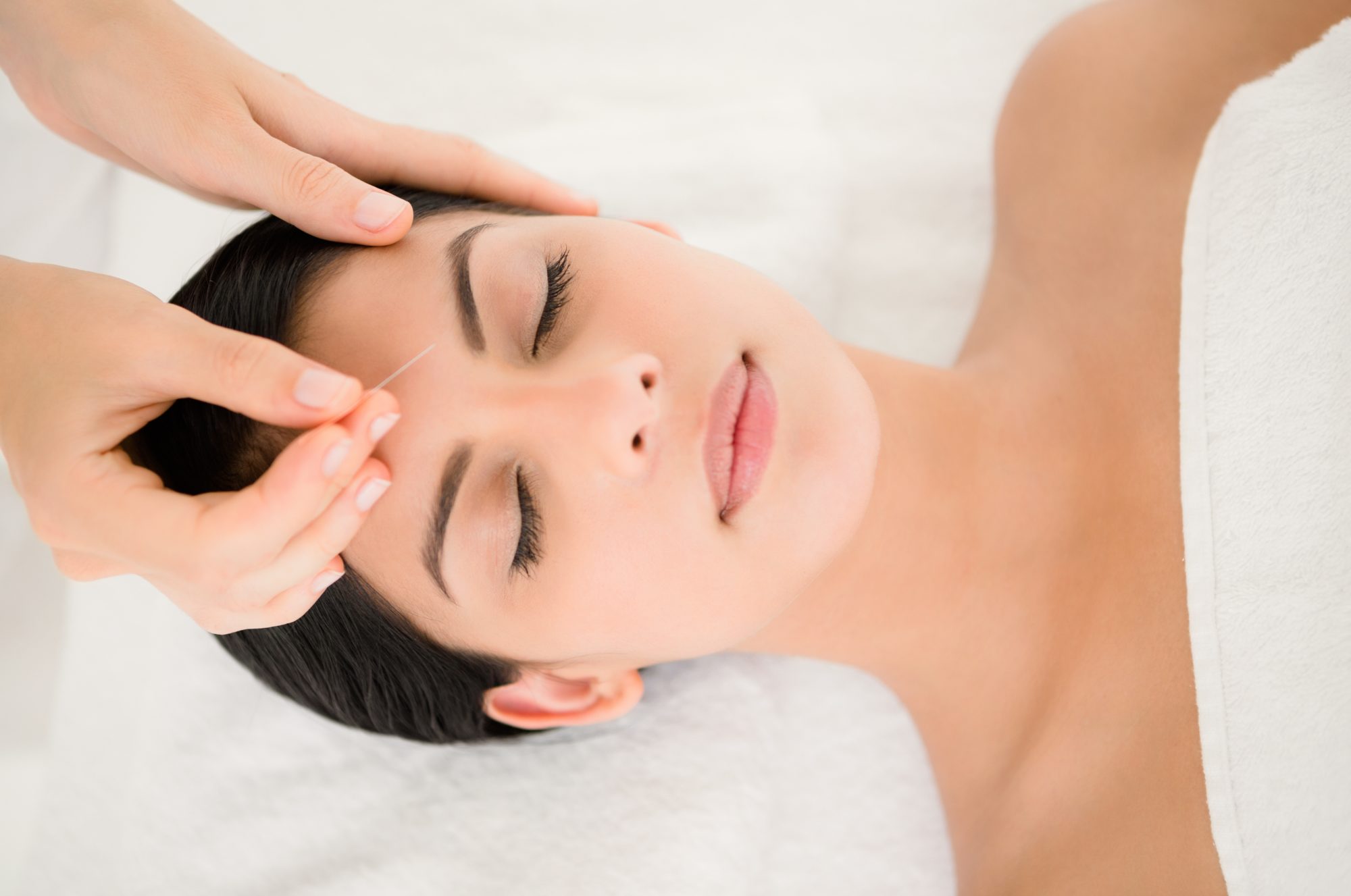
Acupuncture is a practice rooted in Traditional Chinese Medicine (TCM). It involves stimulating specific points on the body using very fine, sterile, single-use needles.
Within the traditional Chinese medicine framework, urinary symptoms may be understood in relation to different patterns of imbalance.
The practitioner’s assessment may take into account more than just urinary symptoms, including:
- Sleep quality.
- Energy levels and fatigue.
- Stress and emotional wellbeing.
- Digestion.
- Physical tension.
- Hormonal changes.
The aim is to provide individualised complementary support, taking the person’s overall condition into consideration.
What does scientific research say?
Some clinical studies have investigated acupuncture as a possible way of preventing recurrent urinary tract infections in women.
A systematic review published in 2020 included five clinical trials involving 341 participants. The findings suggested a possible preventive benefit, but the authors highlighted the limited quality of the available evidence and the need for better-designed studies.
At present, this evidence is not sufficient to establish acupuncture as a validated method for preventing recurrent UTIs in routine medical guidelines.
Acupuncture should therefore be considered a complementary wellbeing approach, not a treatment for an active infection or a substitute for established medical prevention strategies.
4. Acupuncture and women’s health: taking a holistic approach
Recurrent urinary tract infections can sometimes occur during periods of hormonal change or increased urogenital sensitivity.
Perimenopause and menopause deserve particular attention.
Declining oestrogen levels can affect vaginal tissues and the local microbiome. These changes may increase susceptibility to urinary infections and can also be associated with vaginal dryness, irritation and urinary discomfort.
A broader approach to women’s health may therefore be helpful.
Acupuncture may be considered as a complementary wellbeing practice, taking into account sleep, stress and fatigue.
However, it cannot correct an oestrogen deficiency or directly restore the vaginal microbiome.
For women experiencing recurrent UTIs during menopause, a doctor or gynaecologist may discuss local vaginal oestrogen treatment, which is one of the recognised preventive options.
5. Recurrent UTIs, stress and pelvic floor tension
Repeated urinary infections can create considerable anxiety.
Some women become worried about experiencing another episode, anticipate discomfort or change their daily routines for fear of triggering symptoms.
This ongoing vigilance may contribute to muscular tension, particularly around the pelvis and pelvic floor.
It is also possible to experience persistent urinary symptoms without an active bacterial infection.
Pelvic floor overactivity, certain pelvic pain conditions and bladder pain syndrome can cause frequent urination, burning sensations or bladder discomfort.
These conditions require an appropriate medical assessment.
Acupuncture may be considered to support relaxation and general wellbeing, but it does not replace specific pelvic floor treatment when needed.
6. How can recurrent UTIs be prevented?
Prevention mainly involves identifying contributing factors and developing an appropriate medical management plan.
Some practical measures may help:
- Drink enough water, generally at least 1.5 litres per day unless medically advised otherwise.
- Urinate whenever you feel the need.
- Avoid regularly holding your urine.
- Address constipation.
- Avoid vaginal douching and perfumed intimate hygiene products.
- Avoid spermicides if they are associated with recurrent infections.
- Urinate after sexual intercourse if infections tend to occur afterwards.
For some postmenopausal women, vaginal oestrogen treatment may be recommended following medical assessment.
Other preventive strategies, including cranberry products or specific medical treatments, may be discussed depending on the individual’s circumstances and medical history.
7. When should you seek medical advice?
Suspected urinary tract infections require appropriate medical assessment, particularly when they keep recurring.
Seek prompt medical advice if you experience:
- Fever or chills.
- Pain in your back or side.
- Nausea or vomiting.
- Pregnancy.
- Kidney disease, diabetes or a weakened immune system.
These symptoms may indicate an infection that has spread towards the kidneys, such as pyelonephritis, which requires urgent medical treatment.
For recurrent UTIs, medical assessment can help confirm the infections, identify the bacteria involved and investigate possible contributing factors.
Acupuncture should never delay diagnosis or antibiotic treatment when required.
FAQ – Acupuncture and recurrent urinary tract infections
Can acupuncture prevent recurrent UTIs?
Some studies suggest that acupuncture may have a preventive effect, but current scientific evidence remains insufficient. It cannot yet be considered an established method of preventing recurrent urinary tract infections.
Can acupuncture treat an active bladder infection?
No. A bacterial UTI requires appropriate medical treatment. Acupuncture does not eliminate bacteria and cannot replace antibiotics when they are indicated.
Why do I get UTIs after sex?
Sexual intercourse can facilitate the movement of bacteria towards the urethra. If infections regularly occur after intercourse, a doctor can discuss specific preventive strategies.
Are recurrent UTIs linked to menopause?
Yes. Declining oestrogen levels can affect the vaginal and urinary environment, potentially increasing the risk of recurrent infections. Local treatments may be recommended following medical advice.
Can stress cause urinary tract infections?
Stress does not directly cause bacterial infections. However, it may influence pelvic floor tension, sleep and the way urinary symptoms are experienced.
How many acupuncture sessions are needed?
There is no scientifically established acupuncture protocol or recommended number of sessions for preventing recurrent UTIs. Any complementary approach should be individualised and discussed alongside appropriate medical care.
Recurrent UTIs? Explore personalised support for your wellbeing
Repeated urinary infections can have a significant impact on physical comfort, sleep and quality of life.
As a qualified osteopath (Osteopath D.O.), with a holistic approach incorporating principles of Traditional Chinese Medicine, I take an interest in the different factors that may accompany women’s health concerns, including stress, fatigue, physical tension and hormonal changes.
A consultation provides an opportunity to discuss your individual situation and consider whether complementary support may be appropriate.
Appointments are available in Aix-en-Provence, Provence, France.
Book your appointment through Doctolib to discuss your needs and explore an individualised approach.
Complementary care does not replace medical diagnosis, urine testing or appropriate treatment for an active infection.