
Acupuncture: what are the reasons to consult?

acupuncture Aix-en-Provence sleep

Are you wondering why have acupuncture, in which situations it may be worthwhile, or what acupuncture can support? Rooted in Traditional Chinese Medicine, acupuncture offers a holistic approach that considers the person as a whole.

It can be used on its own or alongside medical care, depending on the reason for the visit and each person’s needs.

What is acupuncture?

Acupuncture is a Traditional Chinese Medicine practice that involves stimulating specific points on the body, in particular with fine needles.

Traditional Chinese Medicine views the body as a whole in which the different functions are interdependent. During a consultation, the aim is therefore to look not only at the symptom, but also at the general context in which it appears.

A session begins with a conversation to better understand your request, your general health, your sleep, your digestion, your stress levels and, where relevant, your menstrual cycle.

The treatment is then tailored to you.

Why have acupuncture?

There are many reasons to consult. Some people come for a specific problem, while others would like support during a particular period of their life.

Acupuncture may be considered in particular to support:

It is important to remember that acupuncture does not replace a medical diagnosis or treatment when these are needed.

Acupuncture and stress

Stress can show itself in different ways: physical tension, difficulty falling asleep, fatigue, a feeling of not recovering enough, or digestive discomfort.

Acupuncture may be offered as a complementary approach during periods of stress or overload.

The session is also a chance to take some time for yourself and to receive holistic care, adapted to each person’s situation.

Acupuncture and sleep

Sleep difficulties can take different forms: trouble falling asleep, waking in the night or unrefreshing sleep.

In Traditional Chinese Medicine, sleep is taken into account in the overall assessment of the person.

An acupuncture consultation may therefore be considered to support sleep problems, particularly when they arise in a context of stress, fatigue or hormonal changes.

In the case of persistent or severe insomnia, it is also advisable to look for a possible medical cause with a healthcare professional.

Acupuncture and women’s health

Women’s health holds an important place in my practice.

Acupuncture and Traditional Chinese Medicine can support different stages of a woman’s life:

The menstrual cycle

Some women consult for period pain, premenstrual syndrome or various discomforts associated with the cycle.

Acupuncture can then be part of a holistic approach to care.

Endometriosis

Endometriosis can have a significant impact on quality of life.

Acupuncture can be used as a complementary approach to support certain symptoms, in particular pain or fatigue.

It does not make endometriosis lesions disappear and does not replace gynaecological follow-up.

Fertility and assisted reproduction

Some women would also like acupuncture support during a fertility journey or assisted reproduction (ART).

In this context, the aim is to offer complementary support, in coordination with the medical pathway and the professionals overseeing it.

Pregnancy and postpartum

Pregnancy brings many physical and emotional changes.

Acupuncture may be considered in certain situations during pregnancy, with care adapted to the stage of pregnancy and to each woman’s situation.

After the birth, it can also support the postpartum period.

What are the benefits of acupuncture?

People often search online for “acupuncture benefits” or “does acupuncture work?”.

The answer depends a great deal on the reason for the visit and on the person.

Acupuncture has been studied for many indications, with levels of evidence that vary from one condition to another. It should therefore not be presented as a universal solution.

Its value may lie in particular in an individualised and complementary approach, especially when several factors contribute to a discomfort.

The aim of a consultation is above all to understand your situation and to offer appropriate support.

What does acupuncture treat?

People often ask: “What does acupuncture treat?”

It is more accurate to talk about what acupuncture can support, because it does not replace medical treatment and should not be presented as able to cure every illness.

It can in particular be part of the support for certain types of pain, stress, sleep problems, certain functional disorders and various issues related to women’s health.

If symptoms are new, severe or persistent, medical advice is essential.

What happens during an acupuncture session?

The first part of the consultation is devoted to conversation.

I ask about the reason for your visit, but also about different aspects of your daily life: sleep, digestion, diet, stress levels, menstrual cycle where relevant, medical history and how your symptoms have changed.

This approach gives a more complete picture of your situation.

The acupuncture session is then adapted to your needs. The needles used are very fine and the points are stimulated in line with hygiene and safety rules.

The length and frequency of sessions depend on the reason for the visit and on your progress.

Acupuncture or osteopathy: which approach should you choose?

Acupuncture and osteopathy are two different approaches.

Osteopathy looks in particular at the mobility of the body’s different structures and at the tensions that may contribute to certain discomforts.

Acupuncture belongs to the approach of Traditional Chinese Medicine and uses the stimulation of specific points on the body.

In some cases, the two approaches can complement each other. The choice depends on the reason for your visit and on your needs.

Why consult for acupuncture in Aix-en-Provence?

If you are looking for acupuncture in Aix-en-Provence, I offer consultations with a personalised approach in Traditional Chinese Medicine.

My practice focuses particularly on women’s health, with support available around the menstrual cycle, endometriosis, fertility, pregnancy, the postpartum period and menopause.

Acupuncture can also be offered to support stress, sleep, certain types of pain and various functional disorders.

Each consultation is adapted to the person and their situation.

Book an appointment

Would you like to know whether acupuncture may suit your situation?

A first consultation is an opportunity to review your request and determine the most appropriate approach.

Acupuncture and Traditional Chinese Medicine consultations in Aix-en-Provence.


FAQ: Acupuncture

Does acupuncture work?

The effectiveness of acupuncture varies with the reason for the visit. The scientific data are more or less favourable depending on the indication. It can be used as a complementary approach and does not replace necessary medical treatment.

Does acupuncture hurt?

The needles used in acupuncture are very fine. The sensation varies from person to person and with the points stimulated. Some people feel a slight sensation when the needle is inserted.

How many acupuncture sessions are needed?

There is no number of sessions that is the same for everyone. The frequency depends on the reason for the visit, how long the problem has been present and the progress observed from one session to the next.

Can acupuncture be used for stress?

Yes, acupuncture may be offered as a complementary approach during periods of stress or tension, particularly when these come with sleep difficulties or other discomforts.

Can you have acupuncture during pregnancy?

Acupuncture may be considered in certain situations during pregnancy, with appropriately adapted care. It never replaces medical, obstetric or midwife follow-up.

Can acupuncture support endometriosis?

Yes, it can be used as a complementary approach to support certain symptoms of endometriosis, in particular pain. It does not treat the lesions and does not replace gynaecological follow-up.

Where can you have acupuncture in Aix-en-Provence?

I offer acupuncture and Traditional Chinese Medicine consultations in Aix-en-Provence, with an approach focused particularly on women’s health.
Bruxism in Aix-en-Provence: stress, jaw and neck pain, what can you do?

Do you often have a stiff neck?
Migraines at the end of the day or when you wake up in the morning?
The feeling that you clench your teeth without realising it?

These symptoms are often linked.
What do they have in common? Stress and the jaw.

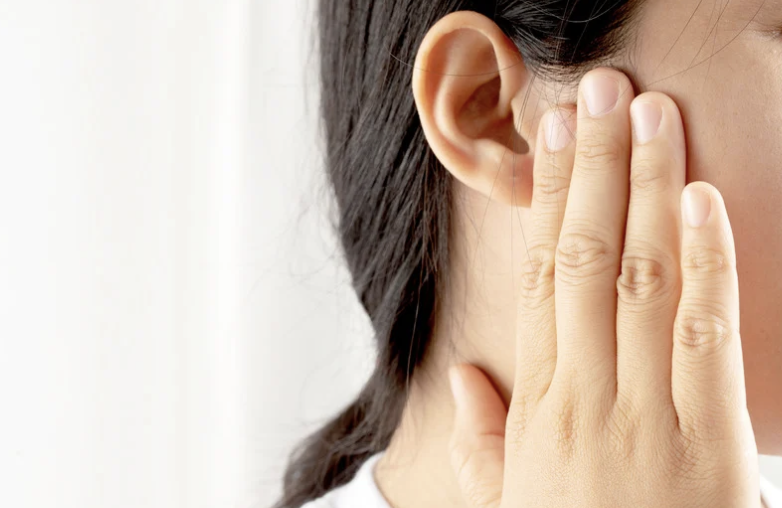
In Aix-en-Provence, more and more patients come in for chronic neck pain… which actually originates in the temporomandibular joint (TMJ).


Stress acts directly on the jaw

When we are stressed, our nervous system switches into “alert” mode.

The body tenses up:

  • Tight shoulders
  • Stiff neck
  • Shallower, higher breathing
  • Unconscious teeth clenching

This repeated clenching can lead to what is called bruxism (grinding or clenching of the teeth, often at night).

Over time, the chewing muscles become hypertonic and create permanent tension around the TMJ.


Why does the jaw cause neck pain?

The temporomandibular joint is directly connected:

  • to the suboccipital muscles
  • to the upper cervical spine
  • to the trapezius muscles
  • to the postural chains

A tense jaw leads to postural adaptation.

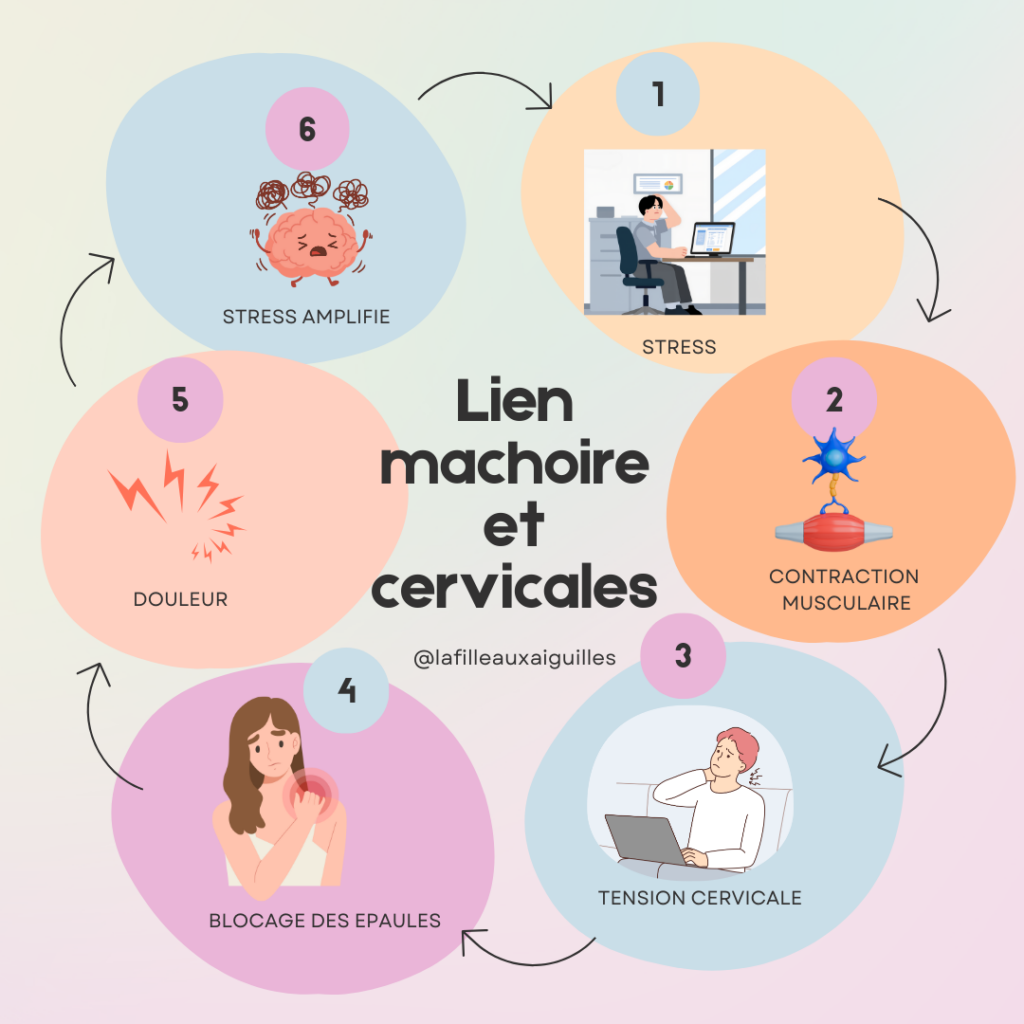
The usual pattern is:

Stress → Jaw contraction → Neck tension → Locked shoulders → Tension migraines

This is why treating only the neck without working on the jaw sometimes gives partial results.


Common symptoms linked to bruxism

You may be affected if you have:

  • Chronic neck pain
  • Migraines or band-like headaches
  • A feeling of pressure in the head
  • Clicking in the jaw
  • Tiredness on waking
  • Tooth sensitivity
  • Constantly tight shoulders

In Aix-en-Provence, these symptoms are very common among people under stress, remote workers and people with a heavy mental load.


Why a targeted approach matters

When stress is chronic, tension becomes automatic.

Specific work on:

  • the temporomandibular joint
  • the chewing muscles
  • the cervical spine
  • the cervical fascia

may allow a deeper and longer-lasting release.

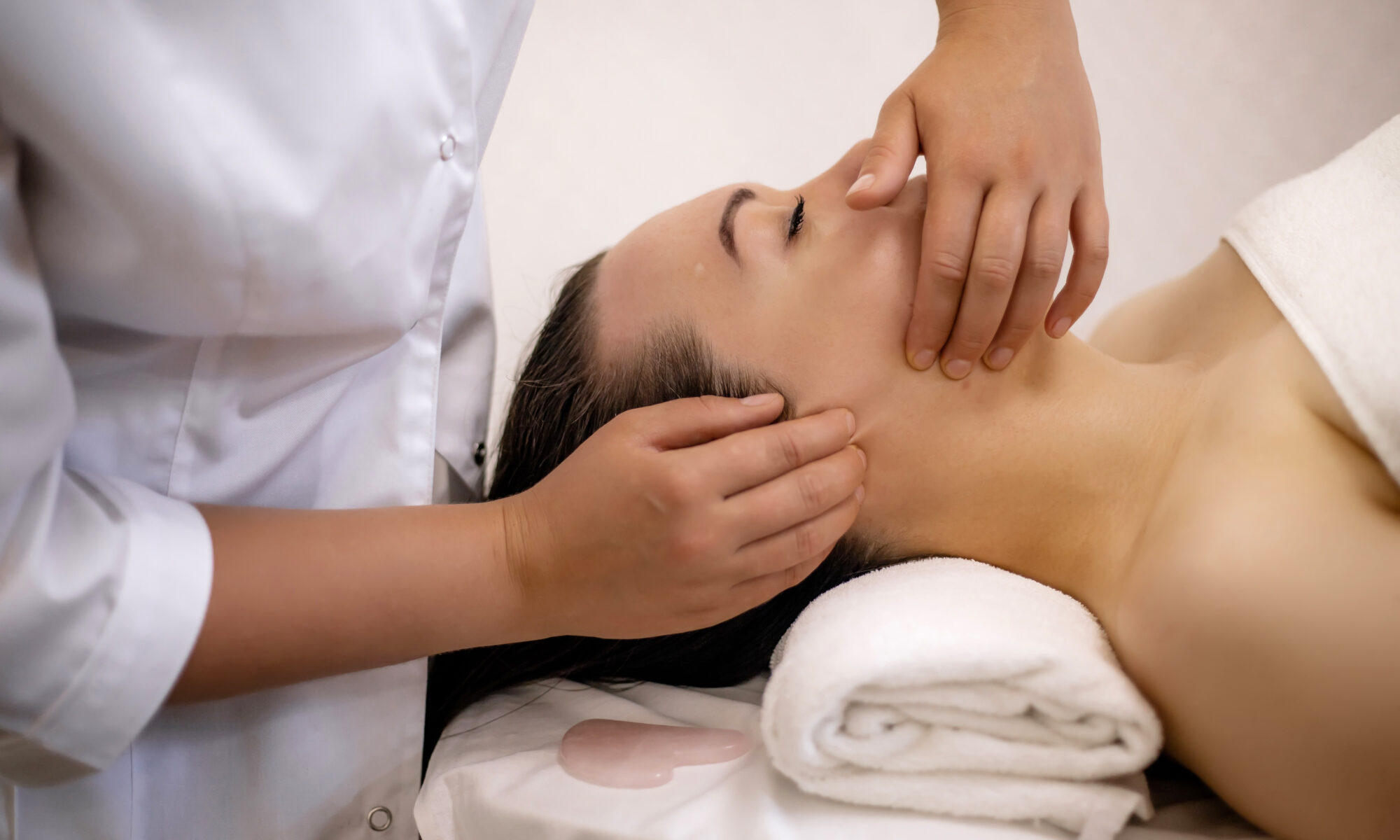
With this in mind, I have developed a specific protocol for jaw and neck tension at my osteopathy practice in Aix-en-Provence.

👉 Discover the Jaw & Neck Protocol


The role of intra-oral techniques

In some cases (established bruxism, deep tension), gentle intra-oral work may be offered.

It acts directly on the muscles responsible for teeth clenching and gives a more precise release.

These techniques are always explained and carried out with consent.


Can this pain really be reduced?

When neck pain is linked to jaw tension, appropriate care may bring:

  • fewer migraines
  • improved neck mobility
  • relaxed shoulders
  • an overall feeling of calm

The aim is not only to “release a blockage” but to reduce the stress → contraction → pain loop.


In summary

If you suffer from:

  • Bruxism
  • Neck pain
  • Tension migraines
  • Stress-related shoulder tension

The jaw may be a key factor.

A targeted osteopathic approach may make it possible to act at the source.

📍 Osteopathy practice in Aix-en-Provence
(consultations also in Cadenet)

👉 Book a session or discover the specific Jaw & Neck protocol

Acupuncture and hormones

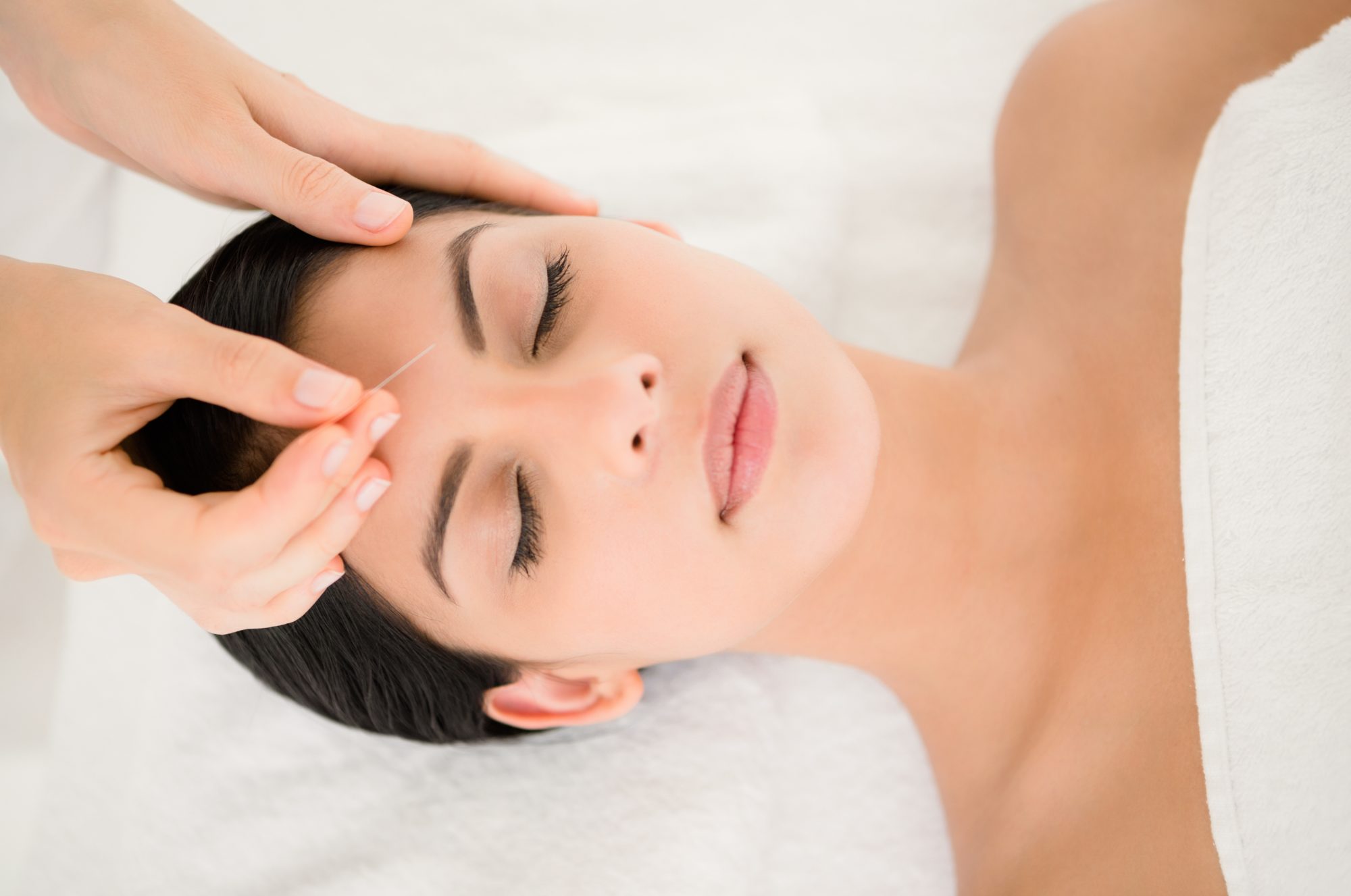
An acupuncture session in progress: a patient lying on a treatment table receives fine needles placed on strategic points of the body to rebalance her hormones and promote her well-being.

Acupuncture and hormonal balance: a natural approach

Hormonal balance plays a fundamental role in our general well-being. When our hormones are out of balance, this can lead to various problems such as fatigue, sleep disorders, weight problems, stress or menstrual imbalances. Acupuncture, a Traditional Chinese Medicine practised for thousands of years, offers a natural approach to support and rebalance the endocrine system.

How does acupuncture act on hormones?

Acupuncture involves inserting fine needles at precise points on the body in order to stimulate the flow of energy (Qi) and regulate physiological functions. Some studies suggest that this technique may help modulate hormones by acting on the central nervous system and influencing hormone secretion.

Some studies suggest that acupuncture may:

  • Regulate cortisol production, the stress hormone, thereby reducing the negative effects of chronic stress. Excessive cortisol secretion can lead to fatigue, sleep disorders, weight gain and immune imbalances. By stimulating certain acupuncture points, a relaxation response of the parasympathetic nervous system is encouraged, contributing to better management of stress and anxiety.
  • Stimulate the secretion of endorphins, the feel-good hormones that help reduce pain and improve mood. This can be particularly beneficial for people suffering from chronic pain or mild to moderate depression, alongside their medical care.
  • Act on the hypothalamic-pituitary-adrenal axis, which regulates many hormonal functions, including the management of metabolism, energy and the stress response. Acupuncture may help improve communication between these glands to encourage a more stable balance.
  • Modulate the production of sex hormones, such as oestrogen, progesterone and testosterone. These hormones are essential for regulating the menstrual cycle, fertility, libido and bone health. A good balance of these hormones is crucial for reproductive health and general well-being.

Acupuncture for different hormonal imbalances

1. Acupuncture and menstrual disorders

Hormonal imbalances can cause irregular periods, period pain or premenstrual syndrome (PMS). Acupuncture helps restore a harmonious hormonal cycle by acting on the meridians associated with the reproductive organs, in particular the liver, kidneys and spleen.

  • Improved blood circulation in the pelvic area, encouraging a better supply of nutrients to the uterus and ovaries.
  • Reduced inflammation and pain by releasing endorphins and regulating prostaglandins, which are involved in menstrual cramps.
  • Stabilised hormonal fluctuations, thereby reducing the irritability, bloating and fatigue linked to premenstrual syndrome.

2. Acupuncture and the menopause

Hot flushes, night sweats, insomnia and mood swings are common symptoms of the menopause linked to hormonal fluctuations. Some studies suggest that acupuncture may ease these symptoms by regulating oestrogen levels and stimulating the production of feel-good hormones.

  • Fewer hot flushes through its action on the autonomic nervous system and the regulation of body temperature.
  • Better sleep by balancing melatonin production and reducing the anxiety linked to hormonal imbalances.
  • Support for bone density by modulating oestrogen levels and stimulating blood circulation in the bones.

3. Acupuncture and fertility problems

Whether to support natural conception or to accompany assisted reproduction (ART), acupuncture can support fertility, in liaison with the medical team, by helping to balance the hormones involved in ovulation and to improve blood flow to the uterus.

  • Regulation of the menstrual cycle, encouraging regular ovulation and better egg quality.
  • Improved endometrial receptivity, which is essential for embryo implantation.
  • Reduced stress, which can have a negative impact on fertility by affecting the hypothalamic-pituitary axis.
  • Optimised FSH, LH and progesterone levels, key hormones in the reproductive process.

4. Acupuncture and thyroid disorders

Hypothyroidism and hyperthyroidism are often associated with hormonal imbalances affecting metabolism, mood and energy. Acupuncture helps regulate thyroid activity by stimulating the energy points corresponding to endocrine functions.

  • Support for thyroid hormone production, by improving communication between the hypothalamus, the pituitary gland and the thyroid gland.
  • Less fatigue and more energy by stimulating the kidney and spleen meridians, which are essential for healthy thyroid function.
  • Reduced inflammation, which can worsen autoimmune thyroid diseases such as Hashimoto’s or Graves’ disease.

Conclusion

Acupuncture is a natural solution, complementary to medical treatment, for supporting hormonal balance. By working on the body’s energy imbalances, it may encourage harmonious functioning of the endocrine system and so improve quality of life. Whether you suffer from menstrual disorders, the menopause, infertility or thyroid imbalances, acupuncture can be a valuable aid in restoring hormonal harmony. For personalised support, it is advisable to consult a qualified acupuncturist so that the treatment can be adapted to your specific needs.

Menopause and Chinese medicine

menopause hot flushes
hot flushes and Chinese medicine

Some recent studies of women in Denmark suggest that acupuncture may be of interest in perimenopausal and menopausal women. It may be worthwhile for women who do not wish to take hormone replacement therapy, in consultation with their doctor.

Possible improvement in hot flushes after acupuncture sessions.

The effects on menopause symptoms

Medicine may help reduce symptoms such as:

  • Hot flushes (reduced intensity and frequency);
  • Sleep disorders;
  • Mood disorders.

Some women have described an improvement in their quality of life:

  • Less sweating during the day and/or at night;
  • Better management of emotions and state of mind;
  • An improvement in skin and hair quality;

Keywords: menopause, hot flushes, acupuncture, acupuncture Aix-en-Provence, acupuncture Cadenet, acupuncture points, sweating, hormones, anxiety, libido

Menopause and acupuncture

menopause signs symptoms natural treatment
menopause and acupuncture

The menopause is not an illness but rather a period of transition. Some women have no symptoms, while others need treatment or support depending on the symptoms they experience. Acupuncture may help to relieve hot flushes, mood swings, night sweats, etc.

The menopause is reached when menstruation stops completely, moving from a state of fertility towards a passage to greater creativity. The average age of the menopause is between 48 and 55; before 36, it is called premature menopause. Premenopause and perimenopause can last from 6 to 12 months, and for some women from 2 to 5 years.

The age of the menopause depends on various factors: state of health, smoking, obesity, kidney essence (Chinese medicine), emotional stress, too many pregnancies close together, or a hysterectomy. In Chinese medicine, during this period the yin and yang of the kidneys are depleted.

The Symptoms

The main symptoms are: hot flushes, night sweats, dizziness, tinnitus, red cheeks, dry skin, intense thirst, constipation, insomnia, fatigue, ankle oedema, depression, cold extremities, irritability, diarrhoea, weight gain, anxiety, palpitations, chest tightness, high blood pressure.

menopause hot flushes
Hot flushes and acupuncture

Dietary advice

Avoid alcohol, coffee and spicy food, and eat slowly.

Spirulina, yam and chasteberry are of interest as food supplements.

Book an appointment on Doctolib

Menopause in Chinese medicine

menopause, menstrual cycle, acupuncturist Aix-en-Provence
menopause in Chinese medicine

In Chinese medicine, menopause is seen as a real liberation for women. If it is well prepared for, the transition goes smoothly.

Some women experience symptoms such as hot flushes, night sweats, reduced libido, dryness, headaches, insomnia, heart palpitations, digestive problems or low moods. Joint pain may also be present as a result of bone demineralisation.

Acupuncture may ease these symptoms by regulating the circulation of blood and energy.

It is also possible to regulate menstrual cycle problems (cycles that are too long or too short) for a few months or years.

By restoring harmony on a physical and mental level, women can respond positively to this new stage of life and reach a new maturity and self-confidence, to feel more at ease in their natural and social environment.

Menopause does not mean old age. Indeed, many women know how to maintain a lovely body and a beautiful face well beyond menopause.

To book an appointment with an acupuncturist in Aix-en-Provence or Cadenet, go to Doctolib