Digestion, and therefore the digestive system, is important in various biological and physiological processes. A healthy digestive and intestinal system is linked to the level of inflammation as well as to mental health.
In the event of inflammation or symptoms such as bloating, diarrhoea, constipation, cramps, etc., there may be inflammation throughout the body.
Our body works holistically, which means that one part of the body or mind will affect another part. In other words, the foundation of the immune system and of fertility depends on the gut working properly.
Signs that your microbiome and digestive health are not at their best:
Regulating your weight depends on your body’s ability to eliminate toxins, limit inflammation, balance hormones, maintain good lymphatic circulation and find the right balance around your healthy weight to optimise your vitality.
Chinese medicine is an approach that looks at the individual as a whole (body, mind, spirit and organs).
To have beautiful skin, you need to eat foods rich in antioxidants.
The essential vitamins for beautiful skin
Vitamin A or retinol
Retinol stimulates cell turnover, reduces blemishes and acne, brightens the complexion and gives that “glow” effect. It plays a role in skin firmness and boosts collagen. Finally, it is anti-ageing, anti-wrinkle and ideal for dry skin.
Foods rich in retinol: spirulina, carrot, beetroot, melon, apricot, mango, nectarine, melon, squash, butternut squash, red kuri squash, lettuce, spinach, cabbage, kale, sweet potato, dark green leafy vegetables.
B vitamins
Vitamin B1 or thiamine
Thiamine is responsible for the beauty, strength and shine of the hair.
Foods rich in thiamine: beetroot, broccoli, peas, romaine lettuce, spinach.
Vitamin B2 or riboflavin
Riboflavin plays a role in the beauty of the skin, nails and hair.
Foods rich in vitamin B12: mushrooms, fermented foods, kombucha, miso, nori
Other vitamins
Vitamin C or ascorbic acid
The antioxidant par excellence, it repairs damaged tissue and produces collagen, whether taken internally or applied externally. It helps to reduce facial sagging, wrinkles and fine lines. It protects against UV by increasing the effectiveness of sunscreens. It boosts immunity.
Foods rich in vitamin C: broccoli, melon, cauliflower, curly kale, oranges and all citrus fruits, papaya, almonds, pepper, strawberry, blackberry, blueberries, redcurrants, grapefruit, kiwi, mango, pomegranate, raspberry.
Vitamin D
Essential for immunity and mental well-being. It plays a central role in building muscle strength and bone density, repairs skin damage and supports heart health. Minimal sun exposure (20 minutes) may help the natural production of vitamin D. The minimum body exposure is 20% of the body’s surface area. A vitamin D deficiency is responsible for low energy, insomnia, a weak immune system and mood changes.
Foods rich in vitamin D: shiitake mushroom
Vitamin E
Vitamin E helps skin firmness. It is an antioxidant and helps to combat the damage and effects of free radicals from UV and pollution. It also hydrates the skin from the inside and the outside. It is involved in immunity, gene expression, blood circulation and vision. The body does not produce it.
It is found mainly in vegetables and dairy products. It helps to minimise scars, stretch marks, varicose veins and bruises. It helps to boost skin elasticity, which prevents wrinkles and fine lines.
With age, the eye area develops more dark circles and darkens. Taking vitamin K helps to brighten the complexion and dark spots, and to reduce puffiness.
Foods rich in vitamin K: basil, broccoli, Brussels sprouts, cucumber, ghee, spring onion, kale, butter, parsley
Antioxidants
ALA or alpha-lipoic acid
It is an antioxidant that fights free radicals. It protects vitamins C and E to boost their ability to fight free radicals and the ageing process and inflammation, and protects against UV, wrinkles and fine lines.
Alongside a suitable diet, a facial skincare routine suited to your skin type is essential.
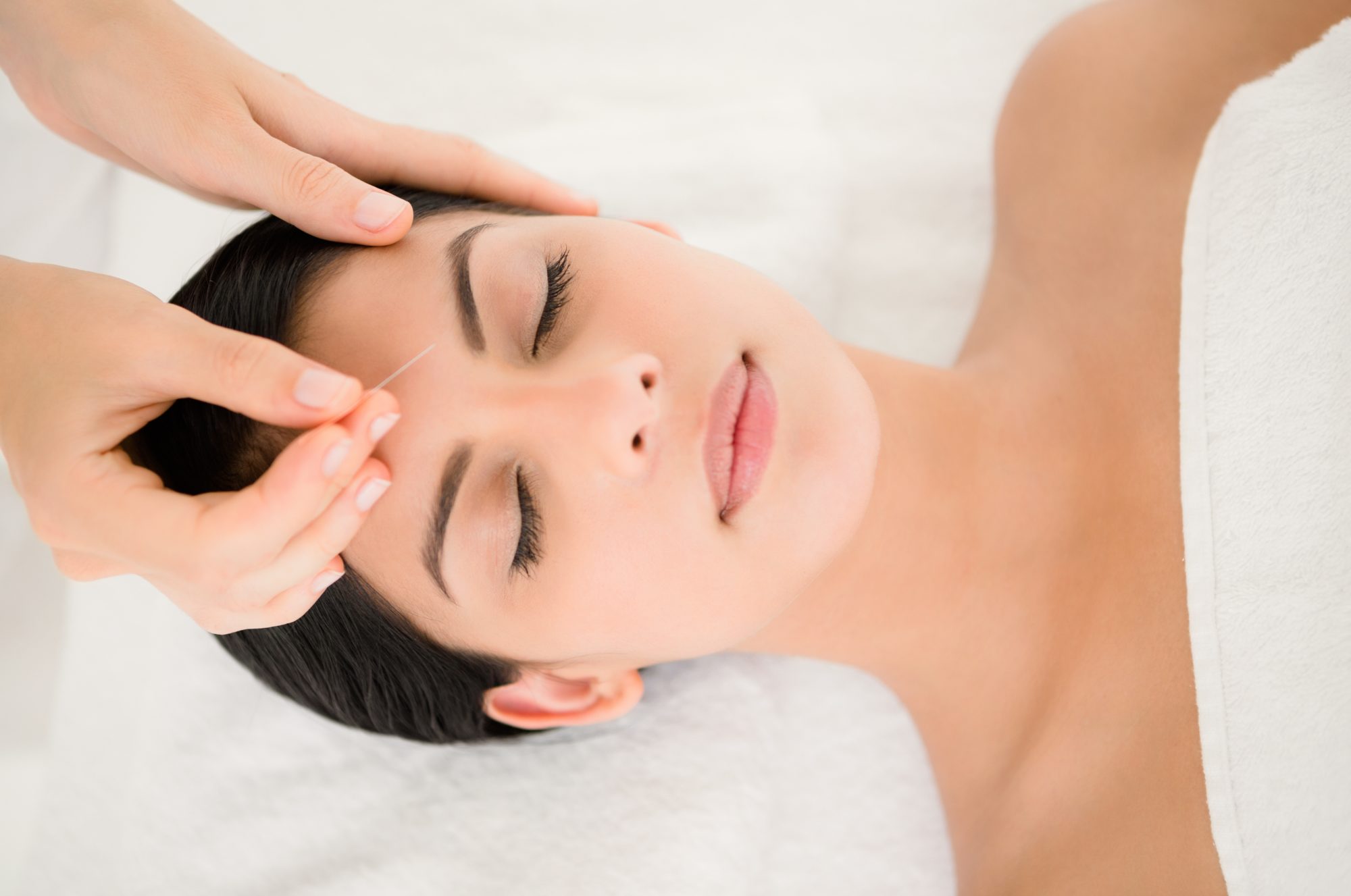
Finally, to complete this, acupuncture or osteopathy sessions may help to give a “glow” by working on the organs, the muscles and circulation to oxygenate the skin.
Are you pregnant and suffering from morning sickness that is spoiling your pregnancy? Acupuncture may help to relieve it, and some people notice an improvement from the first few sessions.
The nausea and vomiting that appear early in pregnancy are known as morning sickness. They often appear between the 6th and 16th weeks of pregnancy. They become more intense between weeks 8 and 12 of pregnancy. While the symptoms can sometimes reassure some women, they can also affect quality of life and prevent proper eating.
50% of women may vomit and more than 80% of pregnant women experience nausea. Eating less is not an effective way to treat morning sickness, especially if vomiting is the main symptom. Vomiting can lead to dehydration, which affects the pregnant woman as well as the foetus.
While morning sickness is linked to hormonal changes (beta hCG levels, oestrogen…), stress, fatigue and other emotional factors can also play a role. If the pregnant woman has significant symptoms, whether physical or psychological, it is important to seek medical advice.
Acupuncture as support for morning sickness
If morning sickness needs to be treated, acupuncture can be offered alongside medical care, in liaison with the doctor or midwife. During pregnancy, its side effects are uncommon and usually mild when performed by a trained practitioner. Some studies suggest that it may help to reduce nausea and vomiting.
During early pregnancy, major changes take place in the body, and acupuncture can relieve symptoms at the energy level.
If symptoms are significant, it is always best to book an appointment with your doctor first.
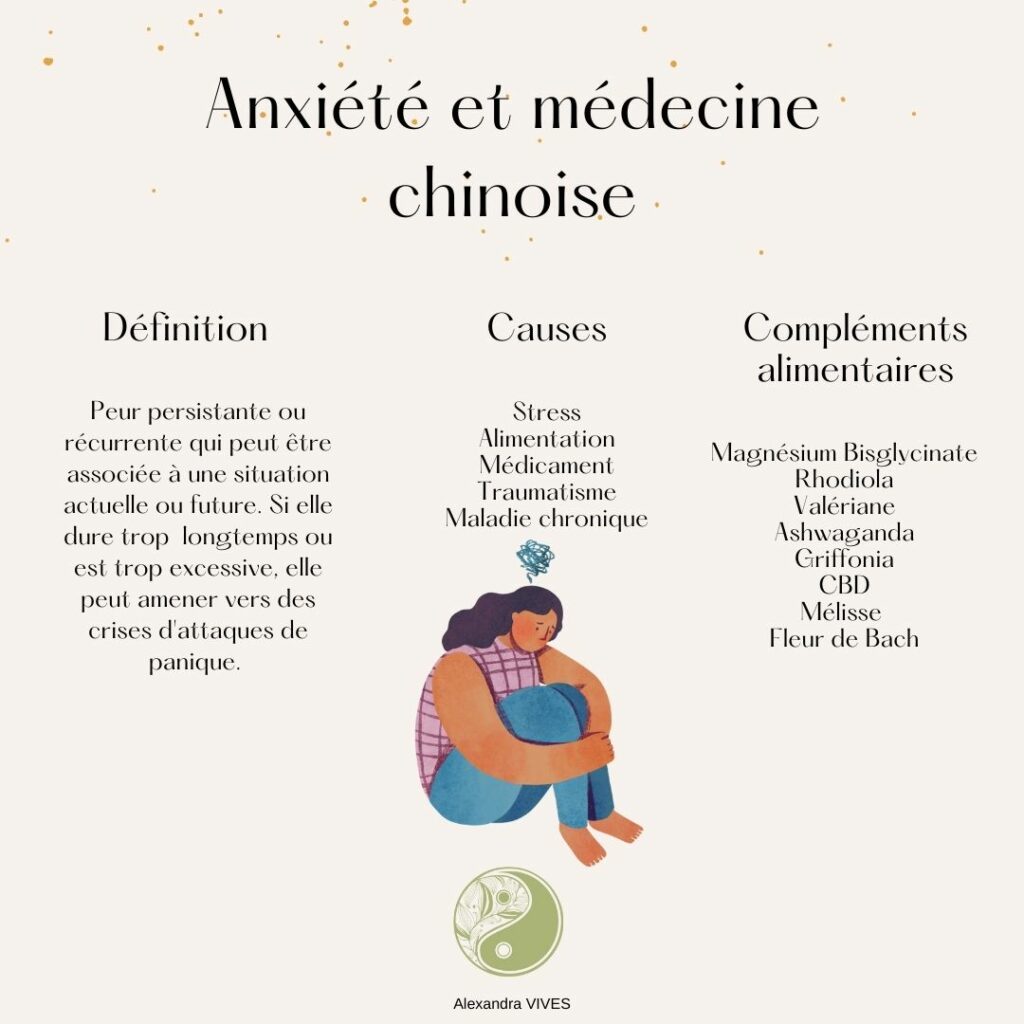
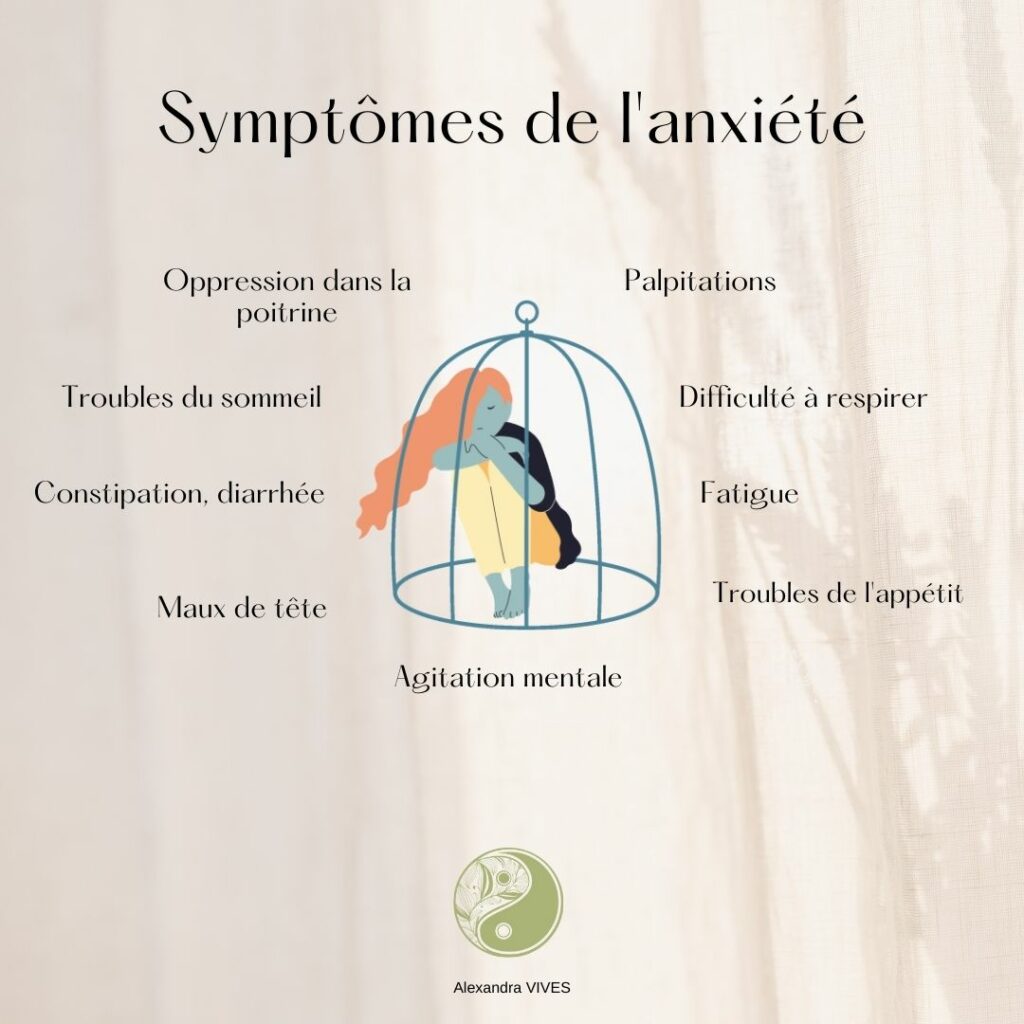
If you experience prolonged or overly intense anxiety with symptoms that disrupt your everyday life, see your doctor.
The food supplements are given here for information only and in no way replace a medical diagnosis. Always ask your doctor or pharmacist for advice in order to avoid drug interactions or contraindications.
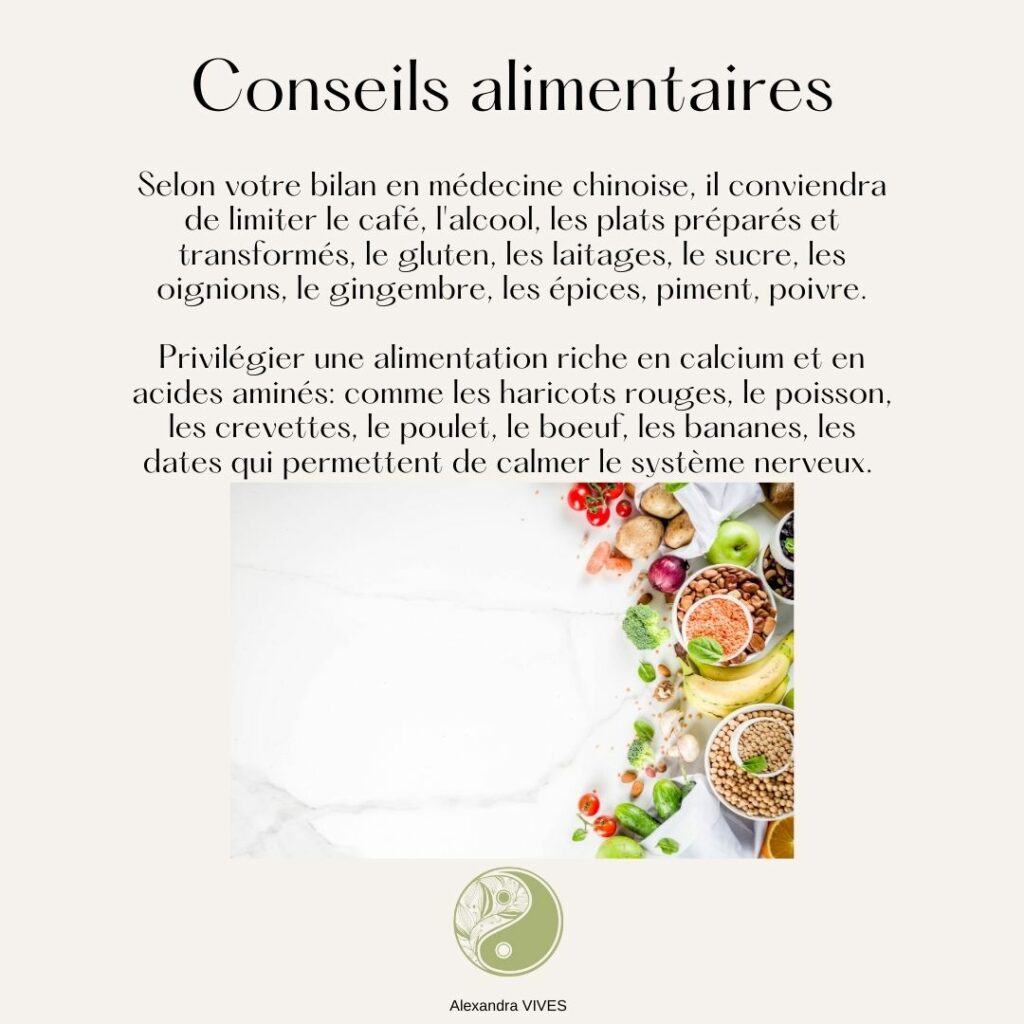
Meat and cured meats are too stimulating and harmful in cases of distress and anxiety, except duck and chicken.
Conversely, some foods will make the symptoms worse, such as sweets, refined and sugary processed products (biscuits, fizzy drinks), fatty and fermented cheeses, and too much chocolate, coffee and tea. Limit alcohol.
diet and anxiety
Garlic is an excellent ally when cooking dishes, as it improves the general circulation of blood and energy.
Eating hazelnuts, chestnuts or walnuts several times a day may help to offset the effects of stress.
Anxiety: what can you do?
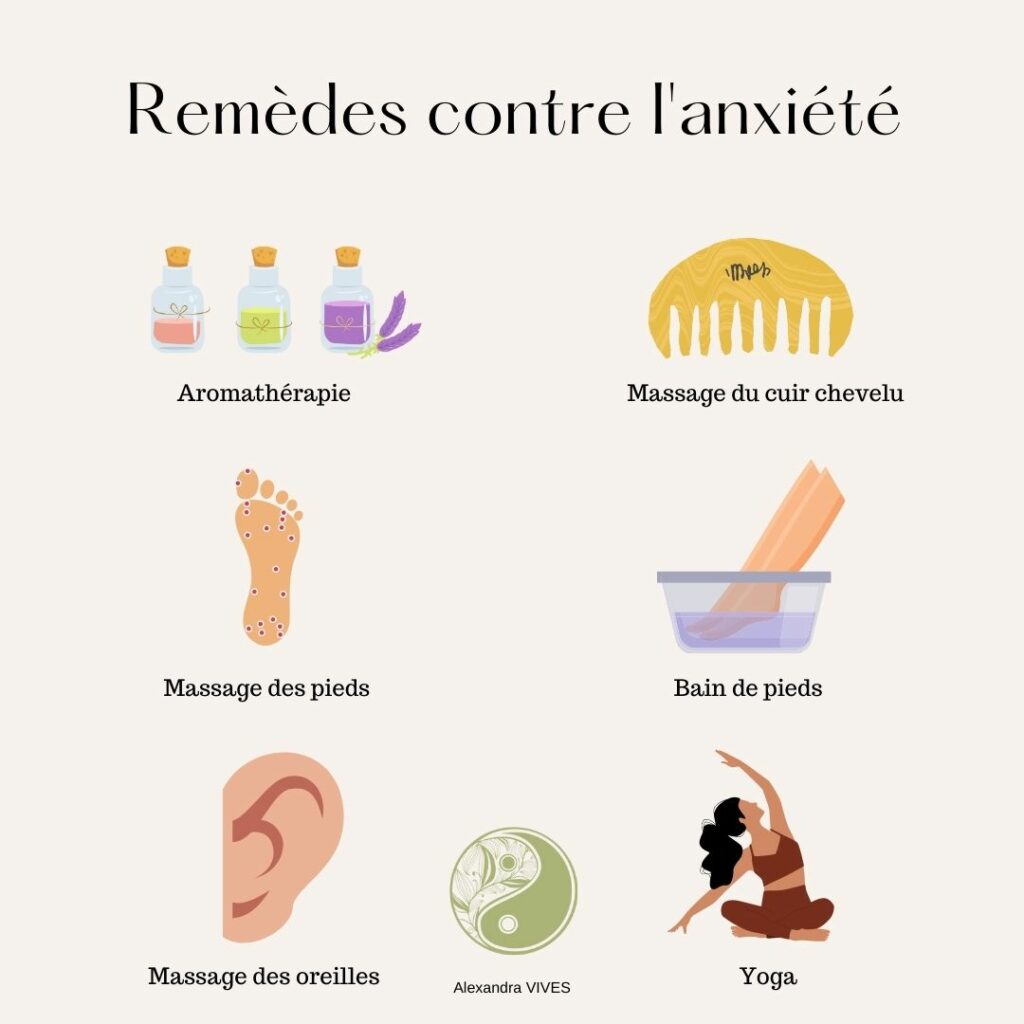
Creating a routine may help to improve the symptoms, for example massaging the areas that reduce tension (the head, the ears and the feet).
Practise a gentle activity such as yoga, stretching, meditation, Qi Gong or Tai Chi.
Taking a foot bath with essential oils for about 20 minutes in the evening may promote better sleep.
Pain-free, regular periods are a sign of good health and good hormonal balance, and therefore of a healthy menstrual cycle.
In this quiz*, find out what your symptoms say about your general health. You will understand your symptoms and find advice or solutions to improve your quality of life. Experiencing mild symptoms is normal; however, some signs point to an imbalance or a condition that needs to be investigated and treated.
After the quiz, remember to display your score to see the results.
*This quiz is for information only and is in no way a medical diagnosis, nor does it treat any condition. Always consult your GP or specialist if you have questions about a treatment or a diagnosis. Click on the link below
The menstrual cycle is shaped by several factors, such as its length, the flow during periods (heavy, haemorrhagic, presence of clots, red, pink or black colour), mood changes (low mood, irritability, crying), sleep disorders, digestive disorders (bloating, diarrhoea, constipation), hot flushes, sweating, etc.
Chinese medicine places great importance on female balance. Good physical and mental health flows from this balance. From period disorders, through infertility, to menopause, acupuncture supports women throughout their lives. It can also support fatigue, insomnia, abdominal pain, and the management of emotions and stress
Keywords: periods, menstruation, period disorders, endometriosis, menopause, PCOS, Chinese medicine, acupuncture, acupuncturist.
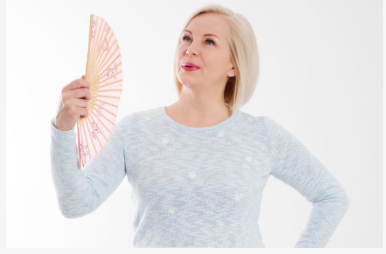
Some recent studies of women in Denmark suggest that acupuncture may be of interest in perimenopausal and menopausal women. It may be worthwhile for women who do not wish to take hormone replacement therapy, in consultation with their doctor.
Possible improvement in hot flushes after acupuncture sessions.
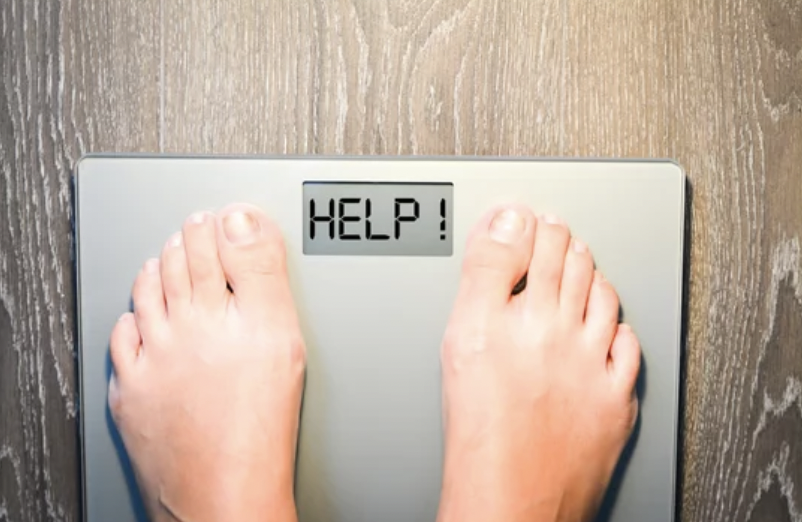
Weight loss and Chinese medicine: what the science says: Some studies suggest that acupuncture can help regulate two appetite hormones: leptin and ghrelin. By stimulating these 2 hormones, acupuncture can help control appetite and sweet or salty cravings, improve digestion and stimulate the metabolism. It also plays a role in stress management by releasing endorphins. These are responsible for the feeling of well-being and have a relaxing effect, which counterbalances eating out of frustration, anxiety or tension.
Some conditions and medicines can slow down weight loss, such as a thyroid disorder, diabetes or depression.
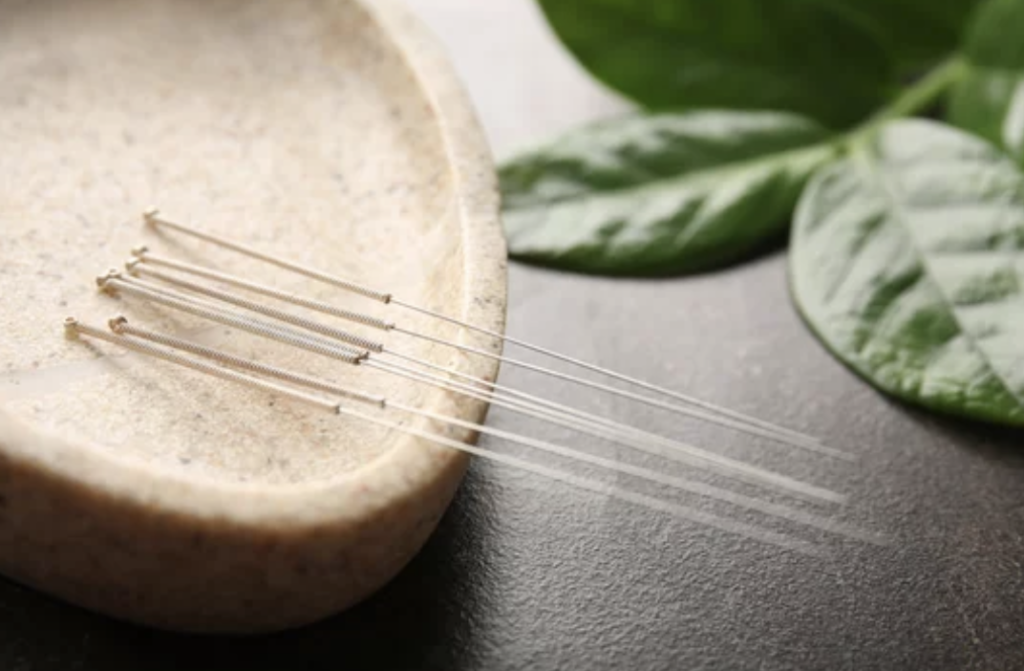
Acupuncture stimulates areas linked to meridians that correspond to organs. The therapist supports the patient’s general health and well-being through a personalised assessment.
The role of acupuncture in weight loss
Stimulates the metabolism;
May help to regulate appetite (eating too much, eating badly, or not enough, which is counterproductive), sugar cravings;
May improve the management of stress and emotions (anxiety, frustration, anger);
May help to improve sleep;
May encourage better bowel movements and good digestion (constipation, bloating);
When should you come for an acupuncture session during assisted reproduction?
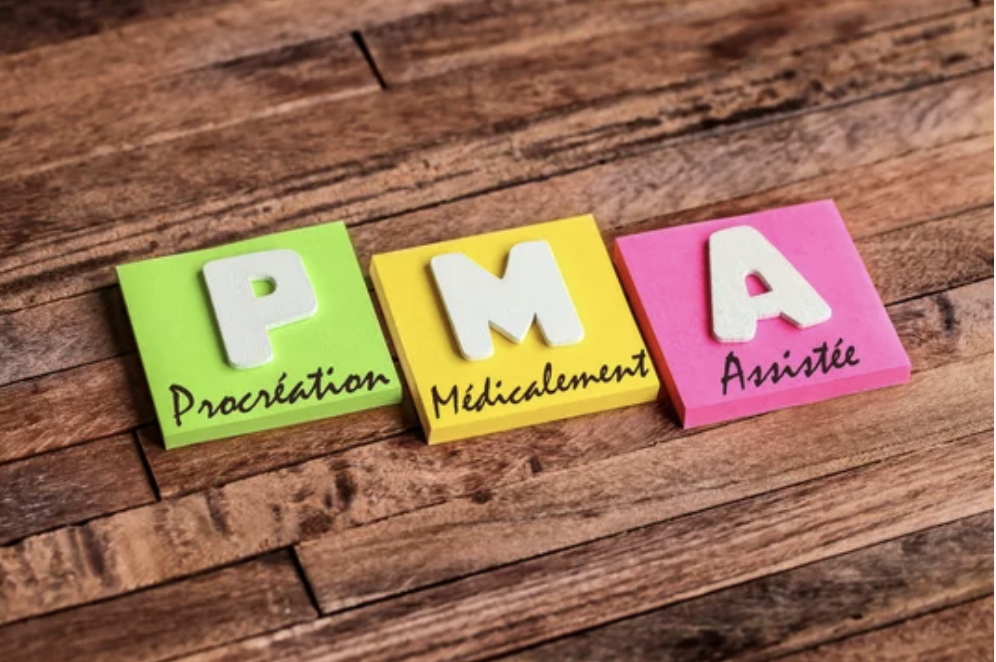
Patients undergoing assisted reproduction often turn to acupuncture, alongside the care of their medical team. Some studies suggest that it may increase their chances of success.
Depending on the patient, preparatory work over several months is needed. Only a personalised assessment makes it possible to tailor the support. Patients who come for a consultation just before an egg retrieval or a transfer receive shorter support.
As I specialise in fertility, to optimise it naturally or during assisted reproduction, you can consult with complete confidence at the practice. Here are the issues and goals of the patients I support at my practice:
Maximising the chances before and after transfer during IVF
Repeated IVF failure
Implantation failure
Recurrent miscarriage
Egg donation
Endometrial thickness
Optimising the quality and quantity of eggs and sperm
Reducing the negative effects of medication during IVF
Restoring hormonal balance
Regulating the immune system
Improving blood flow to the uterus and ovaries
Increasing uterine receptivity and implantation
Reducing the negative effects of stress and negative emotions
Regulating inflammation
There are then several options; you can have:
A session before: from a few days to 24 hours before egg retrieval and/or;
A session before: from a few days to 24 hours before the transfer and/or;
A session on the same day after the transfer or the following day and/or;
A session one week after the transfer.
Please note that acupuncture sessions can provide support in the first trimester of pregnancy, alongside medical care.
If a cycle fails, it is recommended to wait at least 2 months before a new attempt.
Acupuncture is widely used in cases of cancer, particularly during radiotherapy and chemotherapy, alongside care from the medical team. It is thought to stimulate the nervous system to release immune system cells and natural painkillers.
Some studies suggest acupuncture may be worthwhile for fatigue, hot flushes, nausea, vomiting and pain.
The most interesting study on acupuncture and breast cancer was published in the “Journal of the American Medical Association” in 2000. In the study, 104 women on high-dose chemotherapy were suffering from nausea. In the group treated with acupuncture, the study reportedly observed either a complete absence of nausea or very minor episodes.
Another study carried out in 2002 at Duke University (United States) compared the effectiveness of acupuncture with anti-nausea medication before breast cancer surgery. The results were reportedly in favour of acupuncture over the medication.
Some studies suggest that acupuncture may help to relieve pain, alongside care from the medical team.
In a 2004 study at the Memorial Sloan Kettering centre, acupuncture reportedly improved episodes of fatigue by 31% across various types of cancer. In 2005, another study carried out in Sweden reportedly observed hot flushes reduced by half.
Acupuncture offers many benefits and may be helpful for fatigue, whether recent or chronic. The patient may feel tired or lacking in drive.
The different types of fatigue
Lack of energy and lethargy have different causes, and there are different types of fatigue: mental, emotional, physical, adrenal, post-covid (long covid).
The causes
In Chinese medicine, we always look for the origin of the symptoms. For example, fatigue may come from a deficiency in vitamins or minerals such as iron or vitamin B12, a thyroid problem, a cortisol problem, a blood sugar problem, a cardiovascular condition, taking certain medicines, a lack of physical activity or, on the contrary, too much physical activity
Emotional stress can also lead to a lack of drive, even more so in people who are empathetic.
Diet can also be an area to investigate. In Chinese medicine, overeating or a diet poor in nutrients and vitamins creates a Spleen deficiency, which leads to exhaustion.
During the session, dietary and lifestyle advice is given to improve quality of life. Regular sessions help you regain energy.
Acupuncture takes the patient as a whole into account, and aims in particular to:
To provide the best experiences, we use technologies like cookies to store and/or access device information. Consenting to these technologies will allow us to process data such as browsing behaviour or unique IDs on this site. Not consenting or withdrawing consent may adversely affect certain features and functions.
Functional Always active
Le stockage ou l’accès technique est strictement nécessaire dans la finalité d’intérêt légitime de permettre l’utilisation d’un service spécifique explicitement demandé par l’abonné ou l’internaute, ou dans le seul but d’effectuer la transmission d’une communication sur un réseau de communications électroniques.
Preferences
The technical storage or access is necessary for the legitimate purpose of storing preferences that are not requested by the subscriber or user.
Statistics
Le stockage ou l’accès technique qui est utilisé exclusivement à des fins statistiques.The technical storage or access that is used exclusively for anonymous statistical purposes. Without a subpoena, voluntary compliance on the part of your Internet Service Provider, or additional records from a third party, information stored or retrieved for this purpose alone cannot usually be used to identify you.
Marketing
The technical storage or access is required to create user profiles to send advertising, or to track the user on a website or across several websites for similar marketing purposes.