
Acupuncture and premenstrual syndrome

PMS

acupuncture and PMS

Effects of acupuncture on premenstrual syndrome: a scientific approach

Introduction

Premenstrual syndrome (PMS) affects a majority of women of childbearing age, with a wide range of symptoms, from abdominal pain, migraines and fatigue to emotional symptoms such as irritability and anxiety. These symptoms, which appear in the days before menstruation, can significantly affect quality of life.

Despite the range of conventional treatments, from anti-inflammatories to hormonal therapies, their effectiveness is often limited by unwanted side effects. In this context, acupuncture, which comes from Traditional Chinese Medicine, is attracting growing interest as a complementary therapy. This article looks at the effect of this practice on PMS, drawing on recent scientific studies to assess its effectiveness and its mechanism of action.

Here is, in detail, how acupuncture works in the context of PMS, from both a traditional and a scientific point of view:


How does acupuncture work for PMS?

According to Traditional Chinese Medicine (TCM)

In TCM, premenstrual syndrome is seen as an energy imbalance linked to the liver, spleen and kidney organs. These imbalances can cause stagnation of Qi (vital energy) and blood, which is often responsible for pain and irritability.

Acupuncture works by:

  1. Freeing the Qi: by stimulating points such as LR3 (Liver 3) or SP6 (Spleen 6), it helps to restore the flow of energy, relieving the blockages responsible for pain and tension.
  2. Balancing the emotions: points linked to the liver are often stimulated to calm irritability and regulate the emotions, as this organ is associated with managing stress in TCM.

According to modern science

Scientific research has identified several physiological mechanisms that explain the beneficial effects of acupuncture on PMS:

  1. Modulation of the nervous system
    • Acupuncture stimulates the peripheral nerves, sending signals to the brain and spinal cord.
    • This activation leads to the release of endorphins and enkephalins, natural substances that reduce pain and create a feeling of well-being.
  2. Effect on neurotransmitters
    • Some studies suggest that acupuncture influences levels of serotonin and dopamine, two neurotransmitters that are essential to mood regulation.
    • This may explain why it may help to reduce the emotional symptoms of PMS, such as anxiety, depression and irritability.
  3. Hormonal regulation
    • Acupuncture acts on the hypothalamic-pituitary-ovarian axis, regulating the production of key hormones such as oestrogen and progesterone.
    • This helps to stabilise menstrual cycles and ease the symptoms linked to hormonal variations.
  4. Reduction of inflammation
    • Acupuncture points stimulate the release of anti-inflammatory molecules while decreasing the production of pro-inflammatory cytokines such as TNF-alpha.
    • This modulation of inflammatory responses helps to reduce the abdominal and muscular pain often associated with PMS.
  5. Improved blood circulation
    • Menstrual cramps can be made worse by poor circulation in the pelvic area. Acupuncture dilates the blood vessels and improves local blood flow, which may help to relieve pain.

Physiological explanations

The potential benefit of acupuncture in supporting premenstrual syndrome is thought to rest on several identified physiological mechanisms:

  1. Hormonal regulation
    PMS is often associated with a hormonal imbalance, in particular excessive fluctuation of oestrogen and insufficient progesterone. Some studies suggest that acupuncture can influence the hypothalamic-pituitary-ovarian axis, regulating the production of sex hormones. This helps to stabilise menstrual cycles and ease the symptoms of PMS.
  2. Effect on the nervous system
    Acupuncture activates the parasympathetic nervous system, promoting a state of relaxation. It also modulates the release of neurotransmitters such as serotonin and endorphins, which may explain its positive impact on the emotional symptoms linked to PMS, such as anxiety and irritability.
  3. Reduction of inflammation
    Chronic inflammation plays a role in menstrual pain and in some symptoms of PMS. By stimulating certain specific points, acupuncture can reduce the production of pro-inflammatory cytokines, which helps to relieve pain and muscle tension.
  4. Improved blood circulation
    The cramps and pain associated with PMS can be linked to poor blood circulation in the pelvic area. Acupuncture may improve local blood flow by dilating the vessels, which may help to reduce pain and spasms.

Benefits
  • Non-invasive treatment: unlike medication or surgery, acupuncture carries no major health risks.Minimal side effects: complications are rare and are generally limited to slight pain or redness where the needles were placed.Holistic approach: acupuncture takes all of the body’s imbalances into account, making it possible to support both physical and emotional symptoms.

Review of scientific studies with detailed references

  1. Randomised clinical trial (2018)
    A randomised controlled study published in PLOS ONE compared the effectiveness of real and sham acupuncture in 141 women with PMS. The authors observed a significant reduction in the intensity of abdominal pain and emotional symptoms, with a more marked improvement in the group that received real acupuncture.
    • Reference: Armour M, Ee C, Hao J, Wilson TM, Yao SS, Smith CA. Acupuncture for premenstrual syndrome (PMS): A randomized controlled trial. PLoS One. 2018;13(2):e0191517. doi:10.1371/journal.pone.0191517.
  2. Meta-analysis (2020)
    A meta-analysis of 11 clinical trials, published in Complementary Therapies in Medicine, observed that acupuncture may significantly reduce the physical symptoms (pain, cramps) and psychological symptoms (anxiety, irritability) of PMS. The authors noted, however, that the heterogeneity of the protocols limited how far the results could be generalised.
    • Reference: Liu J, Liu S, Yin F. Efficacy of acupuncture in the management of premenstrual syndrome: A systematic review and meta-analysis. Complement Ther Med. 2020;49:102352. doi:10.1016/j.ctim.2020.102352.
  3. Pilot study (2022)
    A trial published in the Journal of Women’s Health examined the effects of acupuncture on cortisol levels, which are often high in women with PMS. After 8 sessions, participants reported a significant improvement in their mood, correlated with a decrease in cortisol levels.
    • Reference: Zhang X, Huang L, Wang S. Acupuncture and stress regulation in women with premenstrual syndrome: A pilot study. J Women’s Health. 2022;31(5):453-459. doi:10.1089/jwh.2021.0458.

Physiological explanations supported by research

Reference: Li F, Wu J, Song H. The anti-inflammatory effects of acupuncture on cytokine modulation in menstrual pain and PMS. Pain Med. 2021;22(6):815-823. doi:10.1093/pm/pnz126.

Hormonal regulation
Some studies suggest that acupuncture may stabilise oestrogen and progesterone levels by modulating the hypothalamic-pituitary-ovarian axis. Research published in Endocrinology Letters (2019) found a correlation between acupuncture and hormonal balance in women with PMS.

Reference: Kim YJ, Park H. Effect of acupuncture on endocrine and hormonal changes in women with PMS. Endocrinol Lett. 2019;40(3):281-286.

Reduction of inflammation
By stimulating certain specific points, such as SP6 and LR3, acupuncture may reduce pro-inflammatory cytokines. A study published in Pain Medicine (2021) observed that this practice may lower levels of TNF-alpha, which is involved in menstrual pain.

Conclusion

Acupuncture presents itself as an innovative approach, studied with encouraging but still limited results, to managing premenstrual syndrome. Although it does not replace conventional medical treatment, it can offer noticeable relief, especially for women looking for natural, minimally invasive solutions.

However, to confirm these benefits on a large scale, rigorous, well-controlled clinical trials with standardised protocols are still needed. Alongside traditional treatments, acupuncture is a promising avenue in the overall support of PMS.
Ginger and digestion

ginger and digestion Chinese medicine


Ginger: a natural ally for better digestion

Ginger, the spicy root native to Asia, is not only a key ingredient in cooking. For centuries, it has been used in traditional medicine for its many health benefits, notably to improve digestion. Let us find out together how this plant may contribute to your digestive well-being.


1. The digestive properties of ginger

Ginger is reputed to stimulate digestion thanks to its active components, such as gingerols and shogaols. These substances:

  • Activate the production of digestive enzymes : they promote more efficient breakdown of food.
  • Soothe inflammation of the digestive tract : useful in cases of bloating or abdominal discomfort.
  • Reduce nausea : notably nausea caused by travel sickness or pregnancy.

2. The effects of ginger on common digestive problems

  • Bloating and wind : thanks to its carminative properties, ginger helps to expel gas built up in the intestine.
  • Indigestion : it stimulates gastric emptying, thereby relieving the feeling of heaviness after a large meal.
  • Acid reflux : in small amounts, ginger may calm irritation caused by stomach acid.

3. How should you take ginger for digestion?

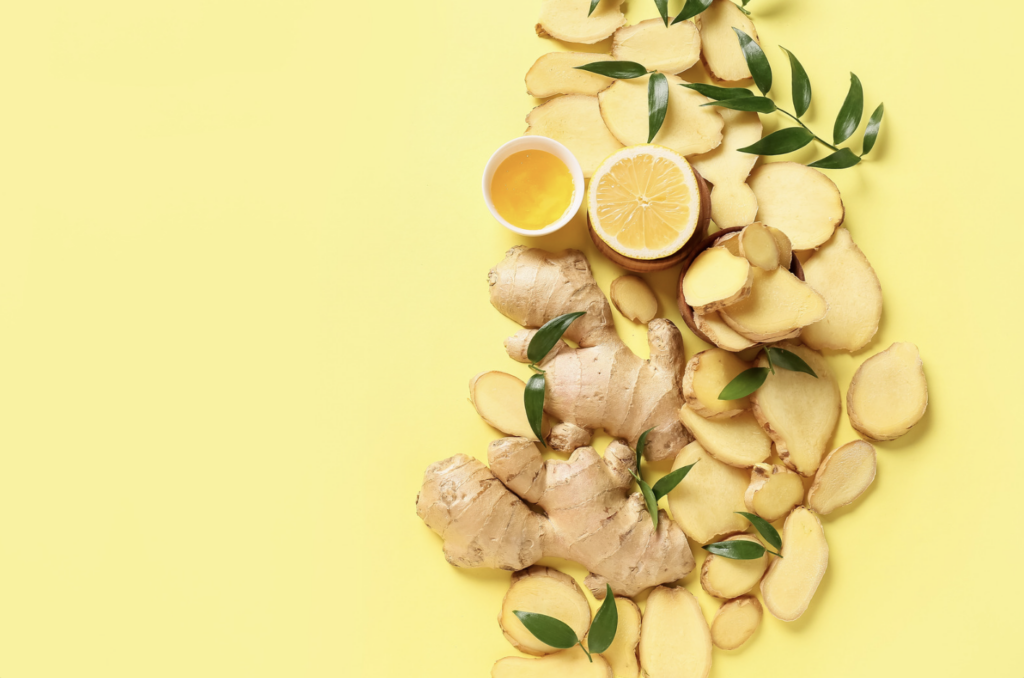
  • As an infusion : Steep a few slices of fresh ginger in hot water for a soothing tea.
  • As a juice : Add a small amount of ginger juice to your smoothie or to lemon water.
  • In cooking : Add it grated to your dishes or soups for a spicy flavour and health benefits.
  • As a food supplement : in capsule or extract form, for more concentrated use.

4. Precautions for use

Although ginger is generally safe, a few precautions should be observed:

  • Limit your intake if you take anticoagulants, as it can thin the blood.
  • In case of allergy or severe gastric problems, consult a health professional before using it.

Conclusion: a root with many benefits

As well as adding a touch of flavour to your dishes, ginger is a real treasure for your digestion. Whether it is eaten fresh, powdered or as an infusion, it may be a natural aid for relieving everyday digestive complaints. So why not include this root in your routine? I recommend a small shot of ginger after lunch if you get energy slumps in the afternoon, or else some crystallised ginger. Enjoy.


Acupuncture and Insomnia

Acupuncture and insomnia

Insomnia and acupuncture: understanding its role, its benefits and how it works

Insomnia, a sleep disorder that affects millions of people around the world, can have harmful effects on physical and mental health. While conventional solutions such as medication or behavioural therapies are often offered, acupuncture stands out as a natural approach that may help improve sleep quality. In this article, we explore the role of acupuncture in treating insomnia, its benefits, and how this ancient practice works.


What is acupuncture?

Originating in Traditional Chinese Medicine (TCM), acupuncture involves stimulating specific points on the body by inserting fine needles. According to TCM, this technique restores the balance of vital energy, called Qi (pronounced “chee”), which flows through specific channels called meridians.

In modern terms, acupuncture is the subject of research into its effects on the nervous system, hormones and blood circulation, and it can support various disorders, including insomnia.


The role of acupuncture in treating insomnia

Insomnia can be caused by various factors such as stress, anxiety, hormonal imbalance or chronic pain. Acupuncture acts on several levels:

  1. Reducing stress and anxiety:
    Acupuncture encourages the release of endorphins and lowers the level of cortisol, the stress hormone. This helps calm the mind and reduce the intrusive thoughts that prevent you from falling asleep.
  2. Regulating the sleep-wake cycle:
    By stimulating specific points, acupuncture influences the production of melatonin, a hormone essential for regulating sleep cycles.
  3. Improving the flow of energy:
    According to TCM, insomnia can be linked to imbalances of Qi in organs such as the heart, liver or kidneys. Acupuncture helps restore this balance, thereby promoting restorative sleep.
  4. Relieving pain and tension:
    Muscular or chronic pain can disrupt sleep. Acupuncture may act as a natural painkiller by improving blood circulation and reducing inflammation.

The benefits of acupuncture for better sleep

  • Better sleep quality: acupuncture may help lengthen the phases of deep sleep, which are essential for good recovery.
  • Fewer night-time awakenings: it helps stabilise sleep cycles, thereby reducing frequent interruptions.
  • A natural approach: unlike sleeping pills, acupuncture does not cause dependence, and its side effects are uncommon and usually mild when performed by a trained practitioner.
  • Lasting relief: the benefits can last long after the end of treatment, especially when combined with lifestyle changes.

How does an acupuncture session for insomnia work?

  1. Initial assessment:
    The practitioner begins with a personalised diagnosis. They may ask about your sleep habits, your emotional state or your general health.
  2. Choosing the acupuncture points:
    The points targeted vary according to the causes of your insomnia. For example:
  • Shenmen (spirit gate): to calm the mind and reduce anxiety.
  • Anmian (peaceful sleep point): used specifically to promote sleep.
  • Points related to the liver, heart or kidneys to rebalance internal energy.
  1. Inserting the needles:
    Very fine needles are inserted painlessly at the chosen points. The session generally lasts between 20 and 40 minutes.
  2. Relaxation and side effects:
    Most patients report a feeling of deep calm during and after the session. Slight redness or tingling may occur, but it disappears quickly.

Acupuncture: who is it suitable for?

Acupuncture may suit:

  • Those who suffer from chronic or short-term insomnia.
  • People who are stressed or anxious.
  • Those who wish to reduce their use of sleeping pills, in consultation with their doctor.
  • Individuals with sleep disorders related to other conditions, such as chronic pain.

Conclusion: acupuncture to support sleep

Acupuncture is a natural, non-invasive method that may help with insomnia. By acting on both body and mind, it offers a holistic solution for improving sleep quality. If you are looking for a complement to your medical care or to an existing therapy, acupuncture could help you find peaceful nights again.

Before starting, it is recommended to consult a qualified practitioner for treatment adapted to your specific needs. This age-old practice may help you find restorative sleep again.


Acupuncture and uterine fibroids

acupuncture and uterine fibroids
benefits of acupuncture for uterine fibroids

Acupuncture and uterine fibroids: benefits and how it works

Uterine fibroids, also called myomas, are benign tumours that develop in or around the uterus. Although they often cause no symptoms, they can cause pelvic pain, heavy bleeding, irregular periods or difficulty conceiving. Faced with these symptoms, many women look for complementary solutions to relieve their discomfort, and acupuncture is emerging as a natural option, alongside medical care.

What is acupuncture?

Acupuncture is a practice from Traditional Chinese Medicine (TCM) that involves inserting fine needles at specific points on the body. According to TCM, this technique aims to restore the balance of vital energy, called Qi(pronounced “chee”), which flows through the body via energy channels or meridians. When the flow of this energy is disrupted, this can lead to imbalances and illness.

In the case of fibroids, acupuncture may help restore this energy balance and reduce the symptoms linked to the condition.

The benefits of acupuncture for uterine fibroids

  1. Reducing pelvic pain
    Fibroids can cause cramps or a feeling of pressure in the pelvic area. Acupuncture stimulates the release of endorphins, the body’s natural painkilling hormones, which may help to relieve discomfort.
  2. Improving blood circulation
    Poor blood circulation in the uterine area is sometimes associated with the development of fibroids. Acupuncture may encourage better blood supply to the uterus, which may help to reduce inflammation.
  3. Regulating hormones
    Hormonal imbalances, in particular high oestrogen levels, play a key role in the formation of fibroids. By targeting certain specific points, acupuncture may help to harmonise hormone levels and support optimal functioning of the endocrine system.
  4. Reducing stress and anxiety
    Chronic stress can make fibroid symptoms worse. Acupuncture may encourage deep relaxation and lower the level of cortisol, the stress hormone, thereby helping to minimise flare-ups of symptoms.
  5. Reducing heavy bleeding
    Acupuncture may help balance menstrual flow by strengthening the energy functions of the spleen and liver, according to the principles of TCM, which helps reduce heavy or prolonged periods.

How does it work?

During an acupuncture session for fibroids, the practitioner begins by carrying out a personalised energy assessment. This involves a discussion of the symptoms, an examination of the tongue and taking the pulse to assess the imbalances. The practitioner then inserts needles at specific points, often located on the abdomen, legs, arms or back. These points may be linked to the uterus, to hormones or to stress management.

The effects are generally not instant; several sessions are often needed to see significant improvements. Each treatment is adapted to the patient’s unique needs.

The limits of acupuncture

Although acupuncture offers many benefits, it does not replace conventional medical treatment. If fibroids are very large or cause serious complications (such as severe anaemia or intense pain), surgery or other medical treatments may be necessary. Acupuncture should be used as a complement to improve overall well-being.

Key points

Acupuncture offers a gentle and natural approach that may help to relieve the symptoms of uterine fibroids. It may act on pain, hormonal imbalances and stress, and so help to improve the quality of life of the women affected. If you are considering this practice, it is essential to consult a qualified practitioner and to discuss it with your doctor for complete medical follow-up.

By combining traditional and modern approaches, it is possible to live better with fibroids and regain a better balance of body and mind.

Digestion and weight

weight regulation 
digestion

Digestion: digestive health and the microbiome

Digestion, and therefore the digestive system, is important in various biological and physiological processes. A healthy digestive and intestinal system is linked to the level of inflammation as well as to mental health.

In the event of inflammation or symptoms such as bloating, diarrhoea, constipation, cramps, etc., there may be inflammation throughout the body.

Our body works holistically, which means that one part of the body or mind will affect another part. In other words, the foundation of the immune system and of fertility depends on the gut working properly.

Signs that your microbiome and digestive health are not at their best:

  • Constipation
  • Diarrhoea
  • Alternating diarrhoea and constipation
  • Bloating, wind
  • Irritable bowel syndrome, colitis
  • Crohn’s disease
  • Lower abdominal pain
  • Gastritis, ulcers
  • Anxiety, difficulty concentrating
  • Skin problems: psoriasis, eczema, acne
  • Diabetes
  • High blood pressure
  • Unwanted weight gain or weight loss
  • Thyroid disorders
  • Food allergy or intolerance
  • Joint inflammation
  • Period pain, PMS
  • Vaginal infections
  • Cystitis
  • Insomnia
  • Infertility (unexplained, implantation failure, poor egg quality).

Weight control

Regulating your weight depends on your body’s ability to eliminate toxins, limit inflammation, balance hormones, maintain good lymphatic circulation and find the right balance around your healthy weight to optimise your vitality.

Chinese medicine is an approach that looks at the individual as a whole (body, mind, spirit and organs).

Signs that you are outside your ideal weight:

  • Unwanted weight gain
  • Unwanted weight loss
  • Fatigue
  • Feeling of heaviness
  • Digestive problems
  • No appetite or excessive appetite
  • Skin or hair problems
  • Water retention or oedema
  • Emotional eating
  • Infertility or lack of ovulation

Food for beautiful skin

facial beauty anti-ageing foods
food and beauty

To have beautiful skin, you need to eat foods rich in antioxidants.

The essential vitamins for beautiful skin

Vitamin A or retinol

Retinol stimulates cell turnover, reduces blemishes and acne, brightens the complexion and gives that “glow” effect. It plays a role in skin firmness and boosts collagen. Finally, it is anti-ageing, anti-wrinkle and ideal for dry skin.

Foods rich in retinol: spirulina, carrot, beetroot, melon, apricot, mango, nectarine, melon, squash, butternut squash, red kuri squash, lettuce, spinach, cabbage, kale, sweet potato, dark green leafy vegetables.

B vitamins

Vitamin B1 or thiamine

Thiamine is responsible for the beauty, strength and shine of the hair.

Foods rich in thiamine: beetroot, broccoli, peas, romaine lettuce, spinach.

Vitamin B2 or riboflavin

Riboflavin plays a role in the beauty of the skin, nails and hair.

Foods rich in riboflavin: asparagus, beetroot, broccoli, kale, Swiss chard, cabbage, spinach, turnip

Vitamin B3 or niacinamide

Niacinamide helps to keep the skin hydrated.

Foods rich in niacinamide: asparagus, peas

Vitamin B5 or pantothenic acid

Vitamin B5 hydrates, repairs and protects the skin.

Foods rich in vitamin B5: avocado, broccoli, shiitake mushroom, sunflower seeds, sun-dried tomatoes.

Vitamin B6 or pyridoxine

Vitamin B6 is an essential antioxidant for collagen production, which contributes to the strength of hair and nails.

Foods rich in vitamin B6: asparagus, pepper, cashew nuts, pistachios, sesame seeds, sunflower seeds.

Vitamin B7 or biotin

Biotin is the vitamin that contributes to the strength of the hair.

Foods rich in biotin: avocado, banana, cauliflower, walnuts, sunflower seeds

Vitamin B9 or folic acid

Folic acid helps hair growth and repairs DNA and skin cells.

Foods rich in folic acid: asparagus, avocado, broccoli, lettuce, orange, spinach.

Vitamin B12

Vitamin B12 helps you have strong, shiny hair

Foods rich in vitamin B12: mushrooms, fermented foods, kombucha, miso, nori

Other vitamins

Vitamin C or ascorbic acid

The antioxidant par excellence, it repairs damaged tissue and produces collagen, whether taken internally or applied externally. It helps to reduce facial sagging, wrinkles and fine lines. It protects against UV by increasing the effectiveness of sunscreens. It boosts immunity.

Foods rich in vitamin C: broccoli, melon, cauliflower, curly kale, oranges and all citrus fruits, papaya, almonds, pepper, strawberry, blackberry, blueberries, redcurrants, grapefruit, kiwi, mango, pomegranate, raspberry.

Vitamin D

Essential for immunity and mental well-being. It plays a central role in building muscle strength and bone density, repairs skin damage and supports heart health. Minimal sun exposure (20 minutes) may help the natural production of vitamin D. The minimum body exposure is 20% of the body’s surface area. A vitamin D deficiency is responsible for low energy, insomnia, a weak immune system and mood changes.

Foods rich in vitamin D: shiitake mushroom

Vitamin E

Vitamin E helps skin firmness. It is an antioxidant and helps to combat the damage and effects of free radicals from UV and pollution. It also hydrates the skin from the inside and the outside. It is involved in immunity, gene expression, blood circulation and vision. The body does not produce it.

Foods rich in vitamin E: almond, avocado, butternut squash, kale, olive, papaya, parsley, spinach, sunflower seeds, sweet potato, Swiss chard, anchovies, broccoli, carrot, salmon, apricot, hazelnut, olive oil, peanut, prawn.

Vitamin K

It is found mainly in vegetables and dairy products. It helps to minimise scars, stretch marks, varicose veins and bruises. It helps to boost skin elasticity, which prevents wrinkles and fine lines.

With age, the eye area develops more dark circles and darkens. Taking vitamin K helps to brighten the complexion and dark spots, and to reduce puffiness.

Foods rich in vitamin K: basil, broccoli, Brussels sprouts, cucumber, ghee, spring onion, kale, butter, parsley

Antioxidants

ALA or alpha-lipoic acid

It is an antioxidant that fights free radicals. It protects vitamins C and E to boost their ability to fight free radicals and the ageing process and inflammation, and protects against UV, wrinkles and fine lines.

Foods rich in ALA: beetroot, carrot, broccoli, Brussels sprouts, spinach, tomatoes.

Alongside a suitable diet, a facial skincare routine suited to your skin type is essential.

Finally, to complete this, acupuncture or osteopathy sessions may help to give a “glow” by working on the organs, the muscles and circulation to oxygenate the skin.

Morning sickness and Acupuncture

Pregnant woman with morning sickness

Are you pregnant and suffering from morning sickness that is spoiling your pregnancy? Acupuncture may help to relieve it, and some people notice an improvement from the first few sessions.

The nausea and vomiting that appear early in pregnancy are known as morning sickness. They often appear between the 6th and 16th weeks of pregnancy. They become more intense between weeks 8 and 12 of pregnancy. While the symptoms can sometimes reassure some women, they can also affect quality of life and prevent proper eating.

50% of women may vomit and more than 80% of pregnant women experience nausea. Eating less is not an effective way to treat morning sickness, especially if vomiting is the main symptom. Vomiting can lead to dehydration, which affects the pregnant woman as well as the foetus.

While morning sickness is linked to hormonal changes (beta hCG levels, oestrogen…), stress, fatigue and other emotional factors can also play a role. If the pregnant woman has significant symptoms, whether physical or psychological, it is important to seek medical advice.

Acupuncture as support for morning sickness

If morning sickness needs to be treated, acupuncture can be offered alongside medical care, in liaison with the doctor or midwife. During pregnancy, its side effects are uncommon and usually mild when performed by a trained practitioner. Some studies suggest that it may help to reduce nausea and vomiting.

During early pregnancy, major changes take place in the body, and acupuncture can relieve symptoms at the energy level.

If symptoms are significant, it is always best to book an appointment with your doctor first.

Anxiety and acupuncture

anxiety stress acupuncture

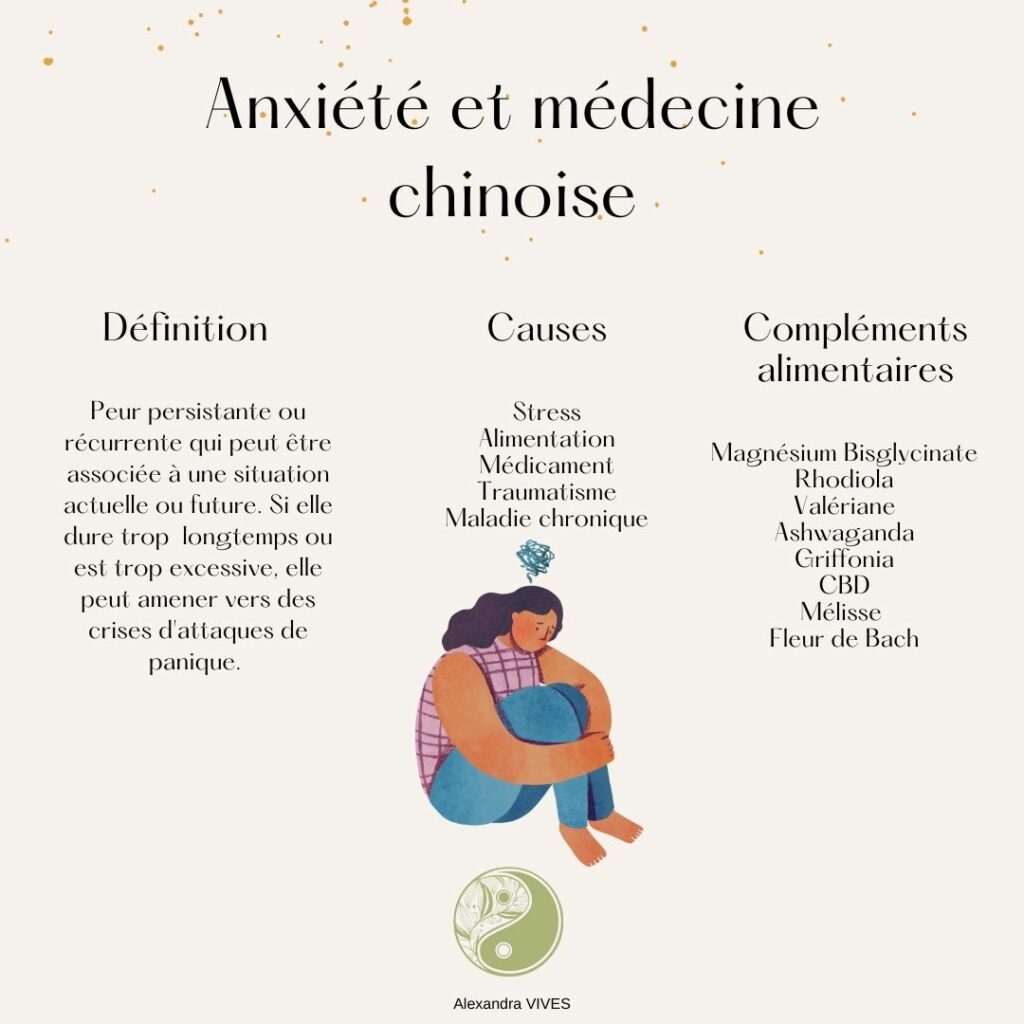
Anxiety is a feeling that covers several emotional disorders, sometimes including panic attacks and phobias.

Some experts believe that biological and psychological links may be the cause of the problem.

The main symptoms are sleep disorders (insomnia), excessive tension and nervousness.

Managing emotions and anxiety with acupuncture

If you experience prolonged or overly intense anxiety with symptoms that disrupt your everyday life, see your doctor.

The food supplements are given here for information only and in no way replace a medical diagnosis. Always ask your doctor or pharmacist for advice in order to avoid drug interactions or contraindications.

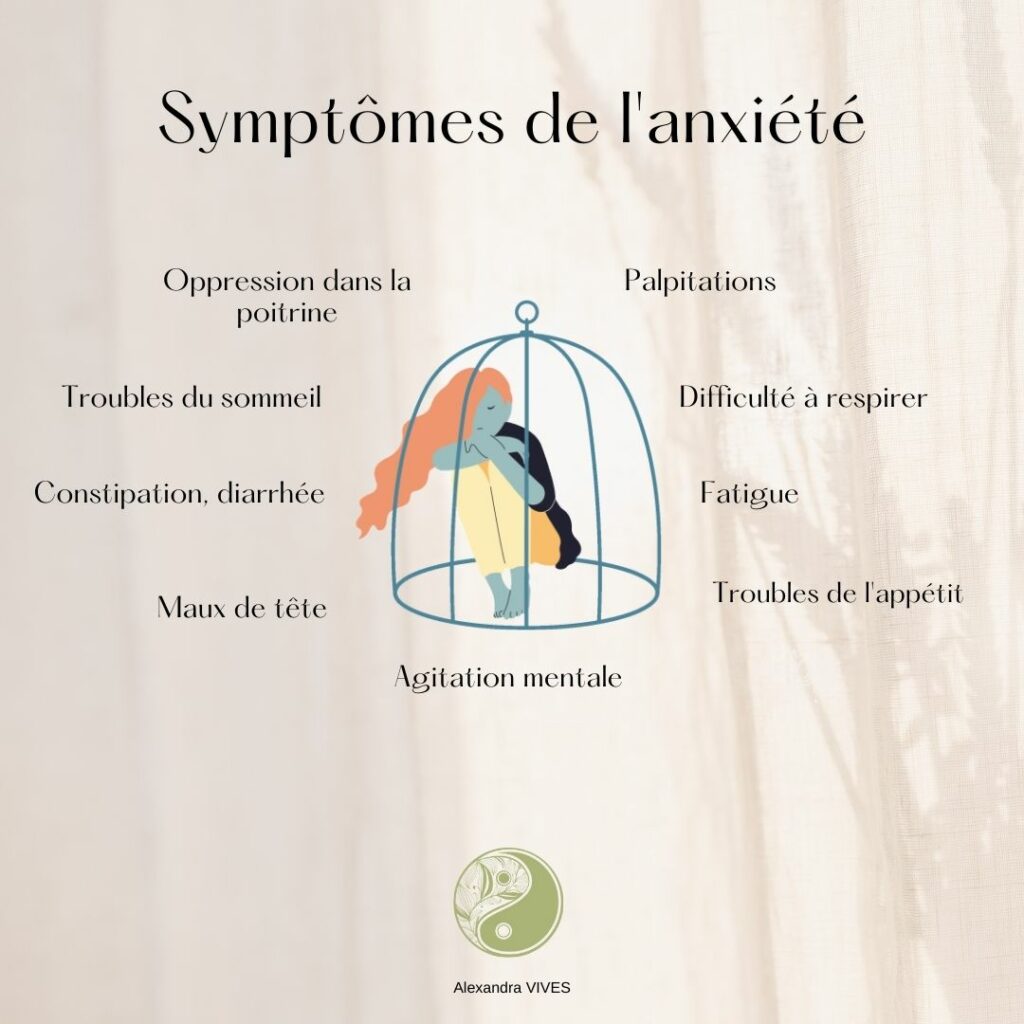
 the symptoms of anxiety
palpitations 
panic attack 
fatigue
tightness in the chest 
headaches
restlessness
symptoms of anxiety

Diet and anxiety

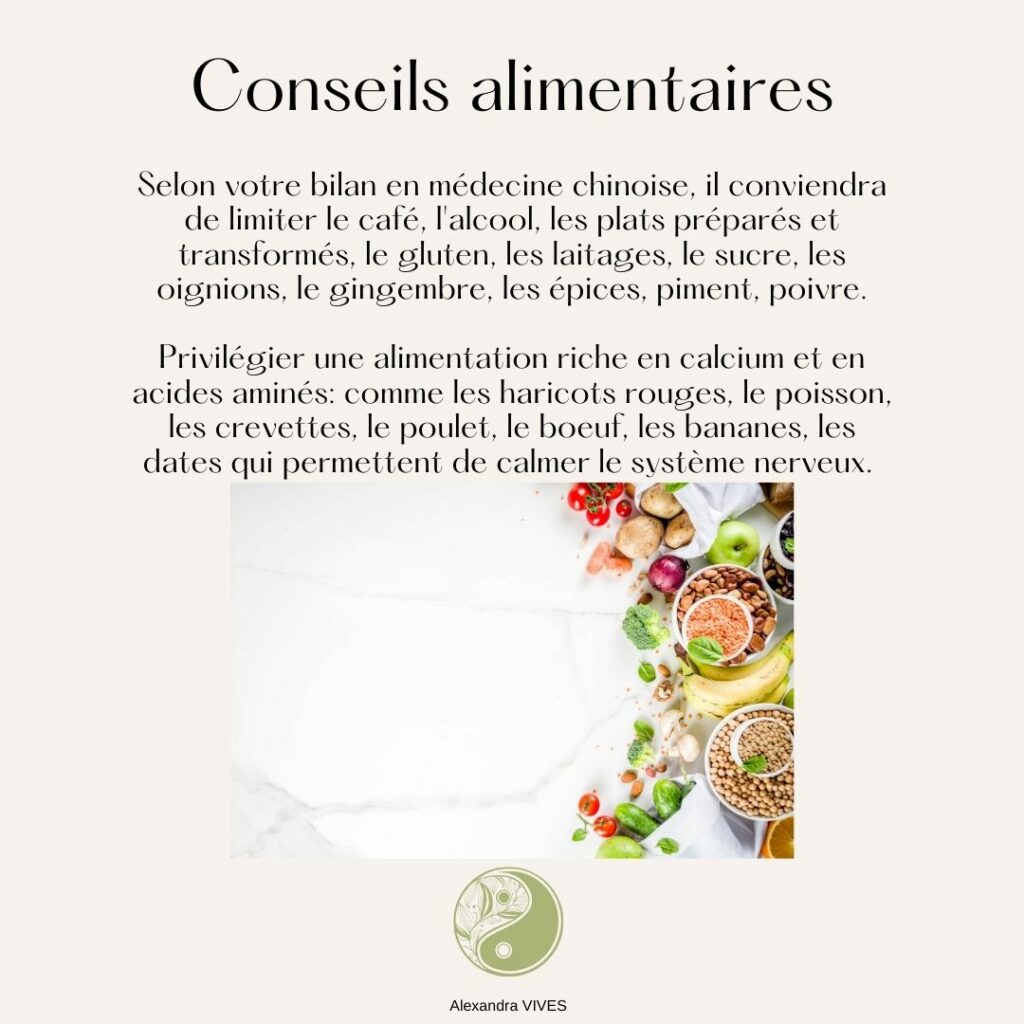
In general, it is good to eat:

-Fish: carp, trout, sole, pollock, salmon, tuna, seafood (oysters, mussels, prawns, crab)

Cereals and pulses: wheat germ, rye bread, beans (haricot, kidney, green), lentils, maize, barley, rice, sesame.

Vegetables: artichoke, aubergine, avocado, Swiss chard, beetroot, carrot, celery, squash, courgette, pumpkin, chicory, spinach, lamb’s lettuce, turnip.

Fruit: apricot, lemon, orange, mandarin, date, fig, melon, pomegranate, watermelon, pear, apple, grapes.

Meat and cured meats are too stimulating and harmful in cases of distress and anxiety, except duck and chicken.

Conversely, some foods will make the symptoms worse, such as sweets, refined and sugary processed products (biscuits, fizzy drinks), fatty and fermented cheeses, and too much chocolate, coffee and tea. Limit alcohol.

diet and anxiety

Garlic is an excellent ally when cooking dishes, as it improves the general circulation of blood and energy.

Eating hazelnuts, chestnuts or walnuts several times a day may help to offset the effects of stress.

Anxiety: what can you do?

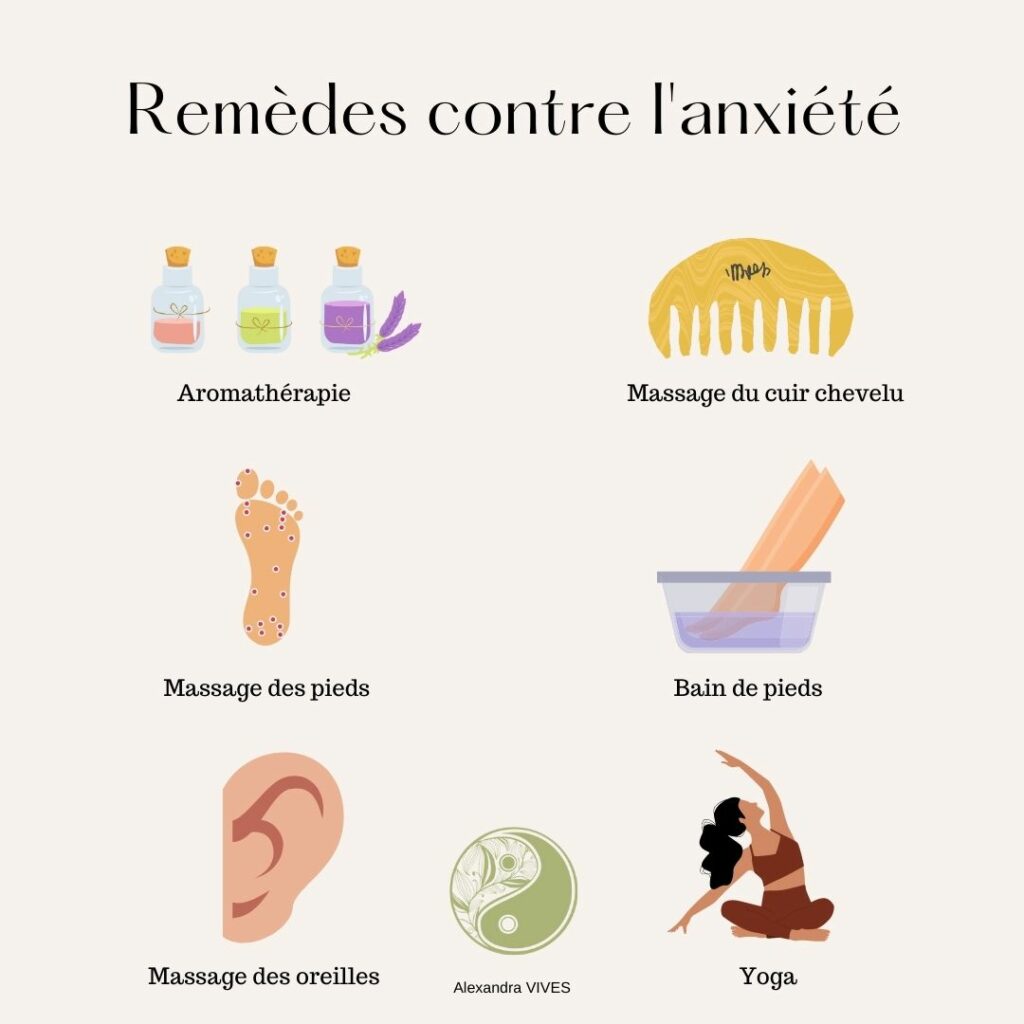
Creating a routine may help to improve the symptoms, for example massaging the areas that reduce tension (the head, the ears and the feet).

Practise a gentle activity such as yoga, stretching, meditation, Qi Gong or Tai Chi.

Taking a foot bath with essential oils for about 20 minutes in the evening may promote better sleep.

Tips for anxiety
Anxiety: what can you do?

menstrual cycle

Menstrual cycle, periods, amenorrhoea, endometriosis, PCOS, menstruation

Pain-free, regular periods are a sign of good health and good hormonal balance, and therefore of a healthy menstrual cycle.

In this quiz*, find out what your symptoms say about your general health. You will understand your symptoms and find advice or solutions to improve your quality of life. Experiencing mild symptoms is normal; however, some signs point to an imbalance or a condition that needs to be investigated and treated.

After the quiz, remember to display your score to see the results.

*This quiz is for information only and is in no way a medical diagnosis, nor does it treat any condition. Always consult your GP or specialist if you have questions about a treatment or a diagnosis. Click on the link below

https://forms.gle/QrQYFqzDunfF2ivG9

The menstrual cycle is shaped by several factors, such as its length, the flow during periods (heavy, haemorrhagic, presence of clots, red, pink or black colour), mood changes (low mood, irritability, crying), sleep disorders, digestive disorders (bloating, diarrhoea, constipation), hot flushes, sweating, etc.

Chinese medicine places great importance on female balance. Good physical and mental health flows from this balance. From period disorders, through infertility, to menopause, acupuncture supports women throughout their lives. It can also support fatigue, insomnia, abdominal pain, and the management of emotions and stress

Keywords: periods, menstruation, period disorders, endometriosis, menopause, PCOS, Chinese medicine, acupuncture, acupuncturist.

Menopause and Chinese medicine

menopause hot flushes
hot flushes and Chinese medicine

Some recent studies of women in Denmark suggest that acupuncture may be of interest in perimenopausal and menopausal women. It may be worthwhile for women who do not wish to take hormone replacement therapy, in consultation with their doctor.

Possible improvement in hot flushes after acupuncture sessions.

The effects on menopause symptoms

Medicine may help reduce symptoms such as:

  • Hot flushes (reduced intensity and frequency);
  • Sleep disorders;
  • Mood disorders.

Some women have described an improvement in their quality of life:

  • Less sweating during the day and/or at night;
  • Better management of emotions and state of mind;
  • An improvement in skin and hair quality;

Keywords: menopause, hot flushes, acupuncture, acupuncture Aix-en-Provence, acupuncture Cadenet, acupuncture points, sweating, hormones, anxiety, libido