Acupuncture before egg retrieval and embryo transfer: an asset for fertility

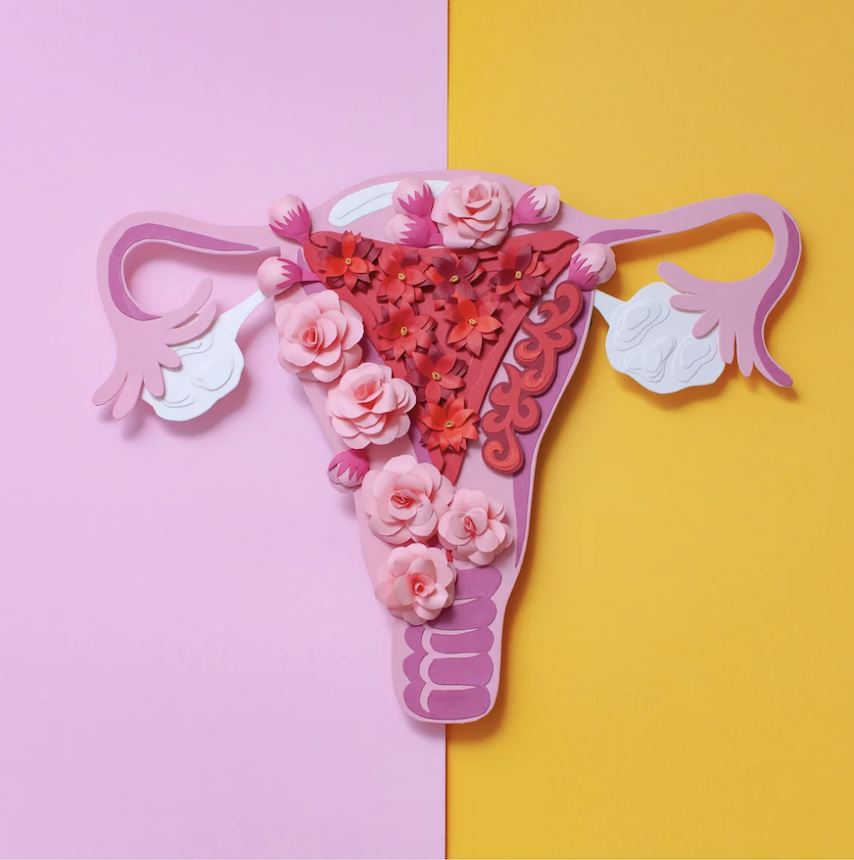
Acupuncture session to optimise fertility before IVF: a natural approach to improve endometrial receptivity and reduce stress

Acupuncture is increasingly used as support during assisted reproduction (ART). It can play a role before egg retrieval and embryo transfer by helping to optimise the conditions for in vitro fertilisation (IVF). Find out how this natural approach can support your journey, alongside your medical team.

Acupuncture and fertility: a complementary approach

Acupuncture, which comes from Traditional Chinese Medicine, acts on the body’s energy balance by stimulating specific points with fine needles. It may promote blood circulation, reduce stress and help regulate the hormonal system, three essential factors for successful assisted reproduction .

Some studies suggest that acupuncture may increase IVF success rates by improving endometrial receptivity and reducing uterine contractions after embryo transfer. It may also help to reduce the side effects of hormone treatments and to improve egg quality.

Acupuncture before egg retrieval: optimal preparation

Before egg retrieval, acupuncture may help to:

  • Improve blood supply to the ovaries : better blood circulation in the ovaries promotes egg maturation.
  • Reduce inflammation and pain : acupuncture may help to reduce the discomfort linked to hormonal stimulation and to the retrieval itself.
  • Regulate stress and anxiety : the period before egg retrieval is often a source of anxiety. Acupuncture may bring deep relaxation and promote a calmer emotional state.

Acupuncture before embryo transfer: encouraging implantation

Embryo transfer is a key stage in the IVF process. Acupuncture before this procedure may help to:

  • Promote endometrial receptivity : a thick, well-supplied uterine lining improves the chances of the embryo implanting.
  • Reduce uterine contractions : some women experience spasms after the transfer, which may compromise implantation. Acupuncture may help to relax the uterus.
  • Support hormonal balance : by stimulating the production of progesterone, which is essential for maintaining pregnancy.

What studies say about acupuncture in assisted reproduction

Several studies have looked at acupuncture in IVF protocols, with encouraging but still limited results. A meta-analysis published in Fertility and Sterility observed that acupuncture carried out around embryo transfer may increase pregnancy rates.

Another study carried out in Germany suggests that the embryo implantation rate may be higher in women who had acupuncture sessions before and after embryo transfer.

When should you start acupuncture for assisted reproduction?

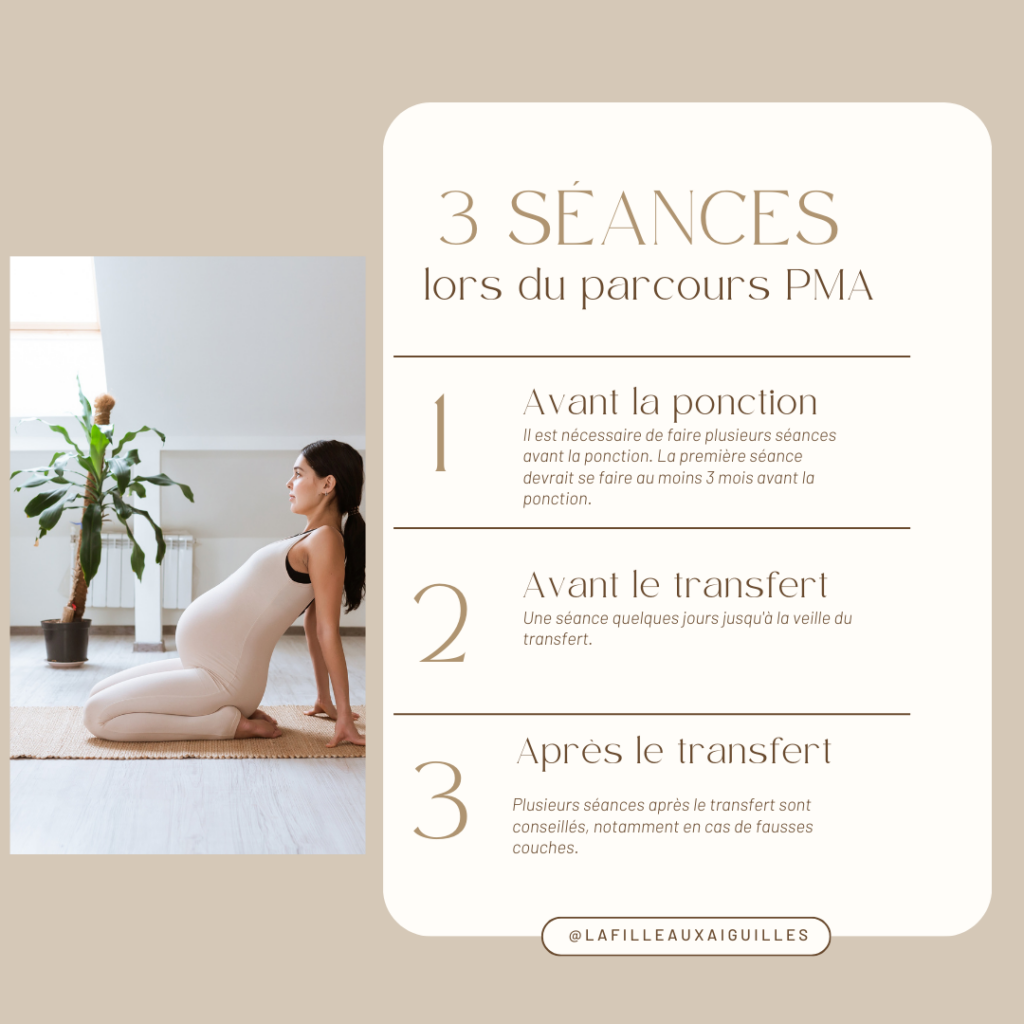
Ideally, it is advisable to begin acupuncture several weeks before the start of the IVF protocol, with one session a week. Before egg retrieval and transfer, more frequent sessions may be recommended to maximise the effects.

Conclusion

Acupuncture is a valuable complementary approach for women undergoing assisted reproduction. By supporting egg quality, the preparation of the uterus for implantation and stress reduction, it can support IVF, alongside the medical team. If you are considering an assisted reproduction protocol, including acupuncture in your journey could be a real asset.

Would you like to try acupuncture to support your fertility? Consult a specialised practitioner for personalised support adapted to your situation.

Psoriasis and acupuncture

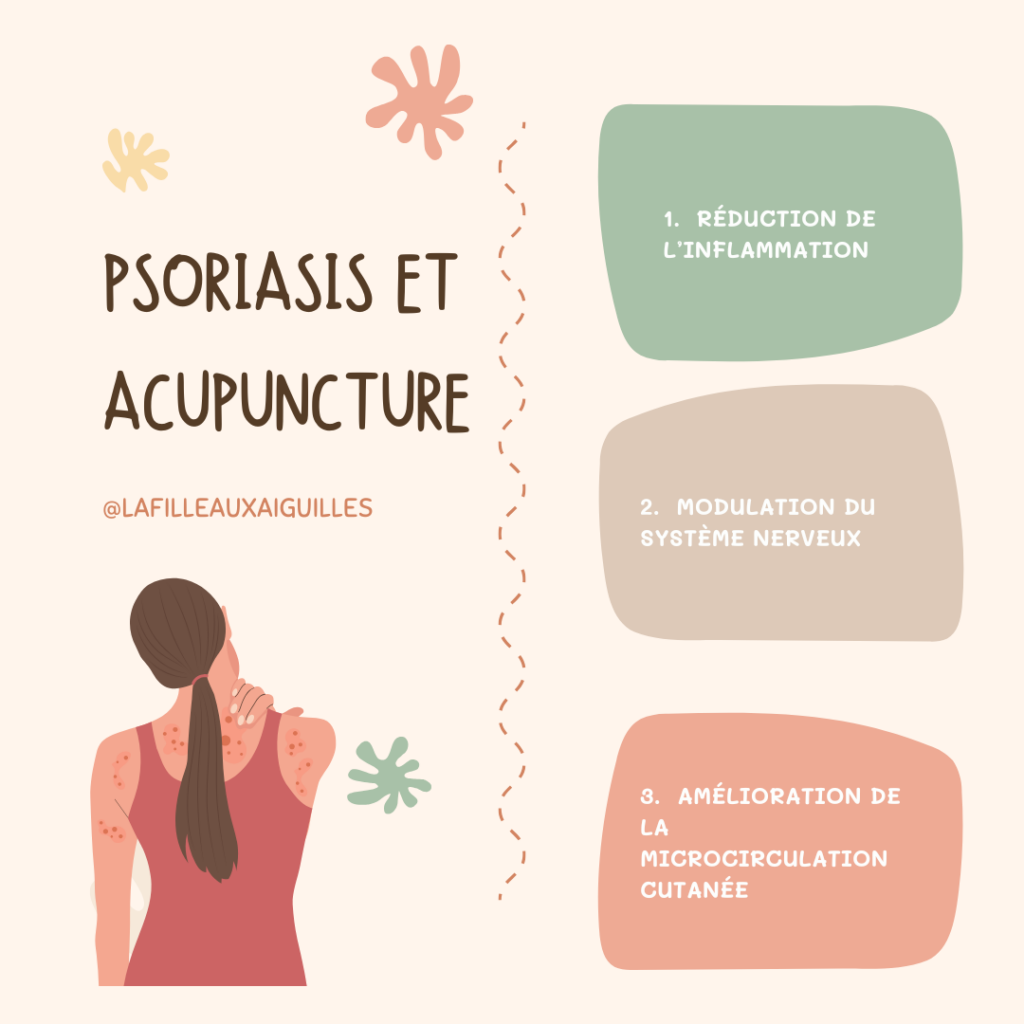
Chart showing the effects of acupuncture on psoriasis: 55% reduction in the PASI score in a clinical study, improvement in itching and quality of life according to recent studies

Acupuncture and psoriasis: a promising approach

Psoriasis is a chronic inflammatory skin disease, often associated with disabling symptoms such as erythematous plaques, scaling and itching. Although conventional treatments include topical creams, systemic medicines and phototherapy, some complementary approaches, such as acupuncture, are attracting growing interest for their potential to relieve symptoms while improving patients’ quality of life. This article explores the role of acupuncture in managing psoriasis, drawing on scientific data.


The scientific basis of acupuncture in the treatment of psoriasis

Several preliminary studies have assessed the effectiveness of acupuncture in inflammatory skin diseases, including psoriasis:

  • Reduced inflammation: A study published in Evidence-Based Complementary and Alternative Medicine (2021) observed that acupuncture might lower levels of inflammatory cytokines, such as TNF-α and IL-17, which play a key role in the development of psoriasis.
  • Modulation of the nervous system: According to a systematic review published in The Journal of Dermatological Treatment (2019), acupuncture may help to reduce stress and anxiety, factors often associated with psoriasis flare-ups.
  • Improved skin microcirculation: A Chinese study (2020) reported that acupuncture might improve blood circulation in inflamed areas, which could help to reduce psoriatic plaques.
  • Reduced symptoms: Research published in 2022 in Complementary Therapies in Medicine observed that 78% of patients treated with acupuncture reportedly noticed an improvement in their symptoms, including less itching and erythema.
  • Improved general well-being: Some studies suggest an improvement in quality of life with acupuncture, based on the DLQI (Dermatology Life Quality Index).

Examples of clinical studies

  • Randomised clinical trial (2021): A trial reportedly compared patients receiving acupuncture sessions with a control group treated only with topical creams, with a greater improvement in the extent of plaques in the acupuncture group. These results still need to be confirmed.
  • Meta-analysis (2020): Analyses pooling several studies suggest that acupuncture, combined with the treatments prescribed by the dermatologist, may help to reduce skin symptoms and improve psychological well-being.

Case study: acupuncture in action

A 40-year-old man who had suffered from psoriasis for 10 years came for a consultation for extensive erythematous plaques on his elbows and knees. The main symptoms were intense itching and excessive scaling.

  • Results after 6 weeks:
  • Reduced itching.
  • Visible reduction of the plaques.
  • Improved quality of life.

Conclusion

Acupuncture is a promising complementary approach for patients with psoriasis, alongside their medical follow-up. Although large-scale studies are still needed, preliminary data and clinical cases suggest a noticeable improvement in symptoms and quality of life. For optimal results, an accurate diagnosis and treatment adapted to individual needs are essential.

Sinusitis and acupuncture

"Illustration of the benefits of acupuncture in relieving the symptoms of sinusitis, by promoting circulation and reducing inflammation."

Acupuncture: a natural approach to supporting sinusitis

Sinusitis, whether acute or chronic, often means intense pain, nasal congestion and prolonged discomfort. While conventional treatments, such as antibiotics or decongestants, are not always enough, acupuncture may be worth considering alongside medical follow-up. Let us look at how this ancient method may help to relieve the symptoms of sinusitis, supported by studies, scientific data and a clinical case.

Understanding sinusitis

Sinusitis is characterised by inflammation of the lining of the sinuses, often caused by a viral or bacterial infection or an allergy. The most common symptoms include:

  • Nasal congestion.
  • Headaches around the sinuses.
  • A feeling of pressure in the face.
  • Nasal discharge.

When these symptoms persist, they can considerably affect quality of life. This is where acupuncture can come in.

How does acupuncture work on sinusitis?

By stimulating specific points on the body, acupuncture aims to restore energy balance and to promote better circulation of body fluids. In the case of sinusitis, the main aims are:

  • To reduce inflammation of the sinuses.
  • To improve circulation in the nasal area.
  • To stimulate the immune system to fight infections better.
  • To relieve pain associated with sinus pressure.

The points often stimulated include those around the nose, the forehead and the hands, such as the LI-4 (Hegu) point, reputed to relieve pain and decongest, or Yin Tang, located between the eyebrows, reputed to soothe headaches and nasal tension.

What scientific studies say

Some studies suggest that acupuncture may be of interest for sinusitis:

  1. A study published in the Journal of Alternative and Complementary Medicine (2018) observed that patients suffering from chronic sinusitis reportedly felt an improvement in their symptoms after 6 acupuncture sessions. 78% of participants are reported to have noticed a reduction in nasal congestion and headaches.
  2. A systematic review of 12 studies (2020) suggests that acupuncture, combined with conventional care, may improve clinical outcomes in patients suffering from recurrent sinusitis. These results still need to be confirmed by larger studies.
  3. Other studies suggest that patients treated with acupuncture for chronic sinusitis noticed an improvement in their quality of life, notably thanks to a reduction in facial pain and congestion.

Clinical case: a patient relieved by acupuncture

Patient profile:

  • Name: Marie
  • Age: 42.
  • Medical history: Chronic sinusitis for 5 years, with frequent acute episodes (3 to 4 a year). Standard treatments (antibiotics, nasal sprays) gave temporary relief, but the symptoms always came back.

Acupuncture treatment:
Marie consulted an acupuncturist after hearing about the benefits of this method. A personalised treatment plan was put in place, including:

  • 8 sessions spread over 6 weeks.
  • Use of the points LI-4 (Hegu), Yin Tang, and ST-36 (Zu San Li) to stimulate immunity and improve nasal circulation.
  • Advice on avoiding triggers, such as prolonged exposure to allergens.

Results:
From the 3rd session, Marie noticed a reduction in nasal congestion and facial pain. By the end of the 8 sessions, her episodes of acute sinusitis had decreased considerably. Three months after the end of treatment, she reported better breathing and good-quality sleep.

Conclusion

Acupuncture may be a worthwhile natural approach to help relieve sinusitis, whether acute or chronic. Drawing on centuries of practice, modern studies and real clinical cases, it may offer lasting relief; side effects are uncommon and usually mild when performed by a trained practitioner. If you regularly suffer from sinusitis, consulting a qualified therapist could transform your daily life.


Acupuncture and carpal tunnel: a complementary natural approach

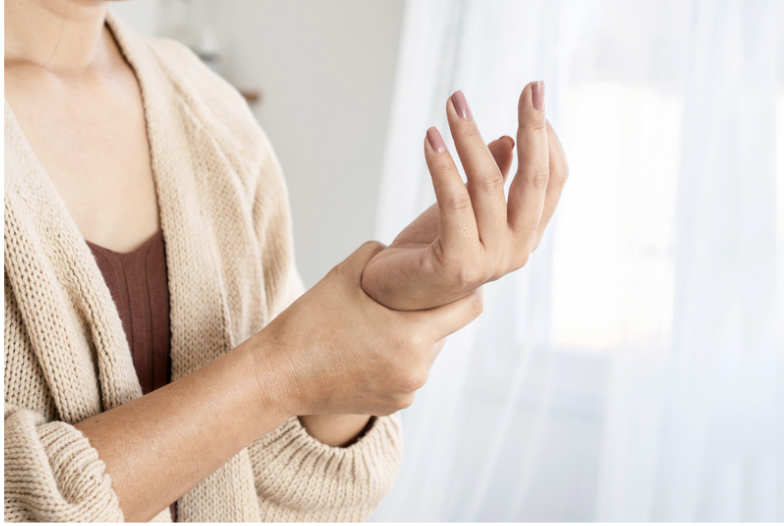
Illustration of carpal tunnel syndrome: compression of the median nerve at the wrist, causing pain, numbness and tingling in the hand.

Carpal tunnel syndrome (CTS) is a common condition caused by compression of the median nerve at the wrist. This disorder can lead to pain, numbness, tingling and muscle weakness in the hand. While conventional treatments include medication, splints and sometimes surgery, acupuncture is emerging as a natural complementary option that may help to relieve these symptoms. This article explores the benefits of acupuncture in treating carpal tunnel syndrome, drawing on scientific studies, statistics and a clinical case.


What is carpal tunnel syndrome?

CTS affects around 1 to 5% of the general population, with a higher prevalence among women and older people. Causes include repetitive movements, inflammatory conditions such as arthritis, and conditions such as pregnancy or diabetes.

Typical symptoms include:

  • Pain and tingling in the fingers, particularly the thumb, index finger and middle finger.
  • Feelings of numbness, often at night.
  • Difficulty with fine movements, such as buttoning a shirt.

Acupuncture, a complementary approach studied by science

How does it work?
Acupuncture works by stimulating specific points on the body to restore energy balance, improve blood circulation and reduce inflammation. In the case of carpal tunnel syndrome, it targets points on the wrist and arm to relieve compression of the median nerve.

What the studies say:

  1. A study published in Brain in 2017 observed that acupuncture might improve nerve conduction and reduce the pain associated with CTS. Participants treated with acupuncture reportedly showed a significant improvement in sensory and motor function compared with the control group.
  2. A 2022 meta-analysis of 12 clinical trials suggests that acupuncture might reduce CTS pain more than non-steroidal anti-inflammatory drugs (NSAIDs).
  3. Some studies suggest that electro-acupuncture, a variant using light electrical pulses, might reduce numbness after six weeks of treatment.

Clinical case: an example of acupuncture support

Background
Marie, 45, a secretary, suffered from night-time pain and loss of sensation in her right hand. After trying splints and painkillers without success, she turned to acupuncture.

Results

  • Reduction in pain felt after the 5th session.
  • Full recovery of sensation after 10 sessions.
  • Six months later, no return of symptoms.

The advantages of acupuncture for carpal tunnel syndrome

  • Uncommon side effects: They are usually mild when performed by a trained practitioner.
  • Holistic approach: It looks not only at the symptoms but also at the underlying causes.
  • Personalised: Each treatment is adapted to the patient’s needs.

Is acupuncture a solution for you?

If you suffer from carpal tunnel syndrome, acupuncture may be a worthwhile option alongside medical care. Consult a qualified practitioner to draw up a personalised treatment plan.


Conclusion

Acupuncture may be a worthwhile natural approach to support people with carpal tunnel syndrome, alongside medical care. It has been the subject of studies with encouraging but still limited results, and may help to improve your quality of life.

Vitamin D and AMH

fertility, PCOS, endometriosis, IVF, AMH, ovarian reserve

Vitamin D and AMH: how are they linked in female fertility?

Female reproductive health depends on many factors, including the influence of vitamin D on anti-Müllerian hormone (AMH). These two elements play a central role in fertility, in particular by acting on ovarian reserve and egg quality. Let us look at how vitamin D may optimise AMH levels and support ovarian health.


What is AMH and why does it matter?

AMH is a hormone produced by the ovarian follicles and used as a key indicator of ovarian reserve. An adequate AMH level reflects a good number of follicles and a potential ability to conceive. However, many factors, including vitamin D, influence these levels.


The role of vitamin D in AMH

1. A direct action on the ovaries

Vitamin D acts through its receptors (VDR), which are present in the ovaries. It stimulates AMH production and improves the sensitivity of the follicles to this hormone. These biological effects strengthen egg maturation and support ovarian health.

2. A beneficial indirect impact

By reducing oxidative stress and supporting egg quality, vitamin D creates an environment favourable to fertility. These indirect mechanisms add to its hormonal effects.


What studies say about this link

Statistics and clinical studies

  • In vitro fertilisation (IVF): some studies suggest that women with an optimal vitamin D level during their IVF treatment may be more likely to conceive in summer than in winter.
  • Polycystic ovary syndrome (PCOS): in women with PCOS, some studies suggest that vitamin D supplementation may help normalise high AMH levels and thereby improve ovarian function.

How common vitamin D deficiency is

Vitamin D deficiency is common in women of childbearing age. In France, a significant proportion of women may have insufficient levels (<30 ng/ml), and some of them severe deficiency (<20 ng/ml). This deficit could impair AMH production and reduce fertility.


The benefits of vitamin D supplementation

Correcting a vitamin D deficiency can have significant effects:

  • Increased AMH: moderate supplementation may have beneficial effects, particularly in women with PCOS.
  • Better chances of pregnancy: during IVF, some studies suggest that an optimal vitamin D level may improve the chances of success.

However, these benefits need to be confirmed by further research. Supplementation should always be supervised by a health professional to avoid adverse effects linked to an overdose.


Conclusion: optimising vitamin D to support your fertility

Vitamin D plays an essential role in regulating AMH and, by extension, in female fertility. Maintaining adequate vitamin D levels through a rich diet (oily fish, dairy products, eggs), moderate sun exposure and, if necessary, supplementation can be a simple and worthwhile strategy for supporting reproductive health.

Tip: if you are affected by fertility problems or would like to check your vitamin D levels, consult a health professional for a personalised assessment.


Frequently asked questions about vitamin D and AMH

1. Which foods increase vitamin D levels?

Oily fish (salmon, mackerel), egg yolk and foods fortified with vitamin D are excellent sources.

2. What are the symptoms of vitamin D deficiency?

Fatigue, lowered immunity, and muscle or bone pain are the common signs. A blood test is needed to confirm a deficiency.

3. Can you take too much vitamin D?

Yes, hypervitaminosis D can lead to adverse effects such as kidney stones or heart problems. Medical follow-up is essential.


!

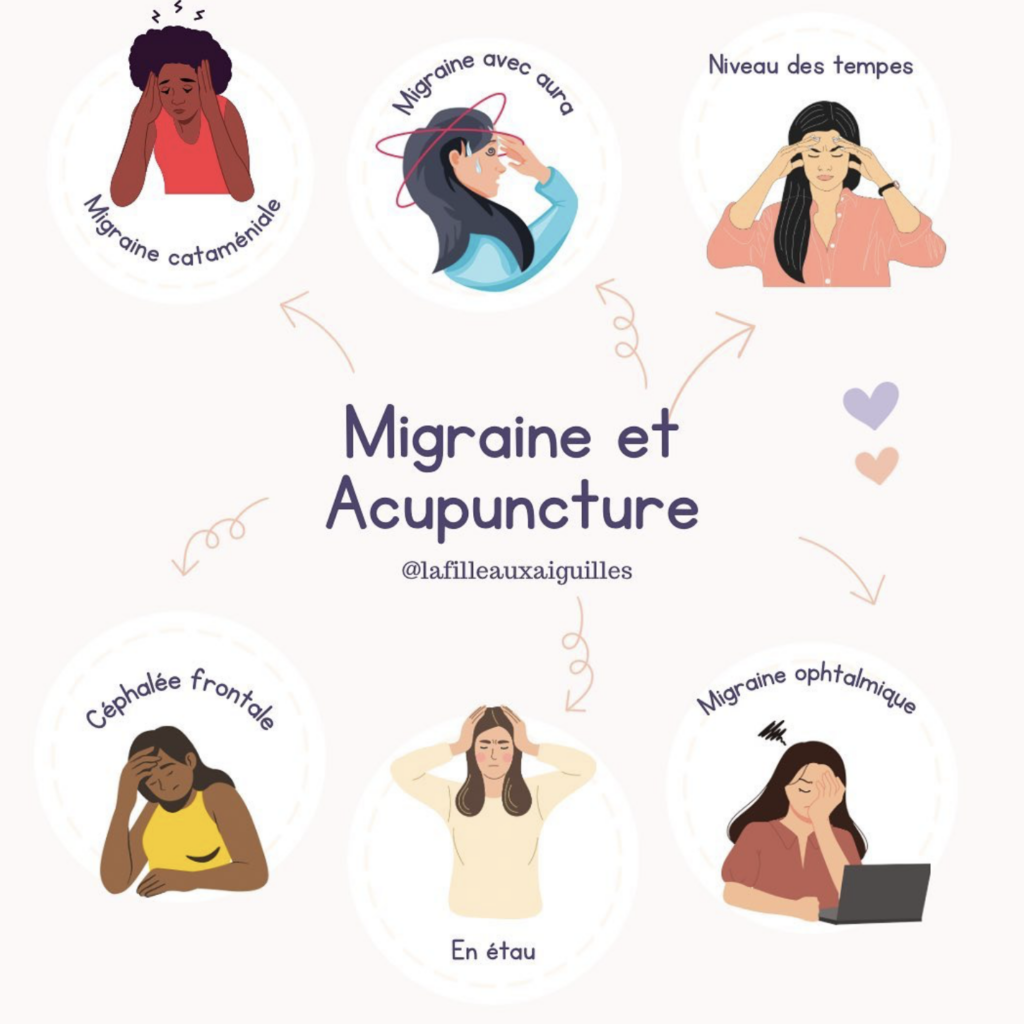
migraine and acupuncture

migraine and acupuncture

The effects of acupuncture on migraines: a natural, complementary approach

Migraines affect almost 15% of the world’s population, with intense pain often accompanied by nausea, vomiting and sensitivity to light or noise. While medication brings some relief, it does not work for everyone and can cause unwanted side effects. Acupuncture, an approach rooted in Traditional Chinese Medicine, is now the subject of a great deal of research on migraines. But how does it act on these headaches? What do scientific studies say? Let’s take a closer look.


How does acupuncture act on migraines?

Acupuncture is based on the idea that the human body is crossed by flows of energy, called “Qi” (pronounced “chee”), which circulate in specific channels called meridians. A disturbance or blockage in these flows can lead to various disorders, including migraines.

From a scientific point of view, here are the main mechanisms by which acupuncture may act on migraines:

  1. Stimulation of the nervous and hormonal systems:
    By inserting needles at strategic points, acupuncture triggers the release of neurotransmitters such as endorphins and serotonin. These natural substances play a key role in managing pain and emotions, which may reduce sensitivity to migraines.
  2. Reduced inflammation:
    Acupuncture may reduce inflammatory markers in the body and help to lower the frequency and intensity of migraines.
  3. Improved blood flow to the brain:
    By promoting better blood supply to the tissues, it may help to relieve tension and limit the vascular spasms often associated with migraines.
  4. Regulation of the autonomic nervous system:
    This system controls involuntary functions such as blood pressure and heart rate. Acupuncture helps reduce stress and rebalance the body’s responses, two factors closely linked to migraines.

What studies say about acupuncture

A great deal of research has looked at acupuncture in the management of migraines, with encouraging but still limited results. Here are some recent studies:

  • A study published in The BMJ (British Medical Journal) reportedly followed 500 patients with chronic migraines. Participants who received 12 acupuncture sessions over three months are said to have reported a 60% reduction in the frequency of their attacks, compared with 30% in the control group who received a placebo.
  • A systematic review carried out by Cochrane in 2020 suggests that acupuncture may be more worthwhile than standard drug treatments for reducing migraine pain and improving patients’ quality of life.
  • Some studies suggest an improvement in patients who followed a course of 8 to 10 sessions.

Testimonials and real results

Beyond the scientific data, patient testimonials bring a human and encouraging perspective. Claire, a patient who has had chronic migraines for 15 years, shares her experience:
“After my third session, I noticed a decrease in the intensity of my migraines. Within a few months, they went from once a week to once a month, and the pain is much less disabling.”


How many sessions are needed?

The number of acupuncture sessions depends on the severity of the migraines and the patient’s medical history. In general, an initial course of closely spaced sessions is recommended. Maintenance sessions may be needed to keep the benefits in the long term.


Why choose acupuncture?

Acupuncture has several advantages for people with migraines:

  • Natural and non-invasive: No chemical substances or major procedures are involved.
  • Compatible with other treatments: It can be used alongside medication or physical therapies.
  • Uncommon and usually mild side effects: Unlike painkillers or preventive treatments, acupuncture performed by a trained practitioner does not usually cause fatigue, stomach problems or dependence.

Conclusion

Acupuncture offers a valuable complement to conventional migraine treatments. By acting on both the underlying causes and the symptoms, it may help to improve quality of life. Studied with encouraging but still limited results and backed by positive testimonials, this age-old method deserves consideration by anyone looking to take back control of their health.

Do not hesitate to consult a qualified acupuncturist to assess whether this approach may suit you. You may well find in these fine needles a key to finally relieving your migraines.

Pregnancy and Acupuncture

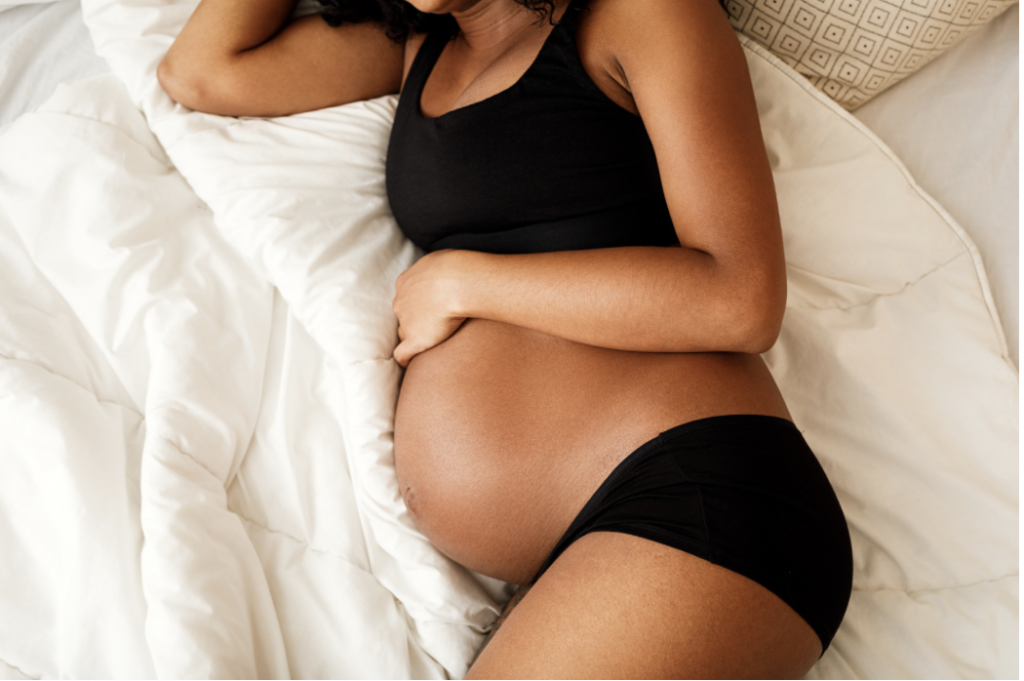
pregnancy and acupuncture

pregnancy and acupuncture

The benefits of acupuncture during pregnancy: a natural ally for mothers-to-be

Pregnancy is a unique time, marked by physical, hormonal and emotional changes. While this journey is often a source of joy, it can also come with discomforts such as nausea, back pain or stress. Fortunately, natural approaches such as acupuncture can offer valuable relief to mothers-to-be.

What is acupuncture?

Acupuncture is a practice that comes from Traditional Chinese Medicine. It involves stimulating specific points on the body with fine needles to restore energy balance and promote health. It is the subject of extensive research and is now widely used as part of pregnancy care.

The benefits of acupuncture during pregnancy

1. Relieving nausea and vomiting

Morning sickness affects around 80% of pregnant women, according to a study published in JAMA in 2020. Some studies suggest that acupuncture may help to reduce these symptoms. A meta-analysis of 27 randomised clinical trials (2019) observed that acupuncture might reduce the frequency and severity of nausea by stimulating points such as PC6 (the Nei Guan point).

2. Reducing lower back and pelvic pain

According to a study published in BMJ Open (2018), nearly 50% of pregnant women suffer from back or pelvic pain. Some studies suggest that acupuncture may help to reduce this pain by improving blood circulation and releasing endorphins.

3. Relieving migraines and headaches

Hormonal fluctuations during pregnancy can lead to migraines or headaches. A study published in Headache (2021) observed that acupuncture might reduce the frequency of migraines by 30% to 50% by targeting specific points.

4. Managing constipation and digestive problems

Hormonal changes and the pressure of the uterus on the digestive organs can cause constipation, bloating or acid reflux. A 2020 study published in Complementary Therapies in Medicine observed that acupuncture might improve bowel movements in pregnant women, with a 40% reduction in symptoms after 4 sessions.

5. Reducing oedema and water retention

Oedema (swelling) is common during the third trimester, particularly in the feet and legs. Some studies suggest that pregnant women who received acupuncture sessions noticed a reduction in oedema and an improvement in their comfort.

6. Easing ligament pain

Ligament pain, caused by the ligaments stretching to support the growing uterus, is common. Acupuncture may help to release muscle and ligament tension and to reduce discomfort.

7. Relieving muscle cramps

Cramps, especially at night, affect many pregnant women. A study published in the Journal of Obstetric and Gynecologic Research (2023) observed that acupuncture might reduce the frequency and intensity of cramps by stimulating points linked to circulation and muscle function.

8. Managing carpal tunnel syndrome

Numbness and pain in the wrists, characteristic of carpal tunnel syndrome, are common during pregnancy. A study in Pain Medicine (2019) observed that acupuncture might reduce symptoms by 50% after 6 sessions, by reducing inflammation and improving circulation.

9. Relieving restless legs syndrome (RLS)

Restless legs syndrome, which is common in pregnant women, often disrupts sleep. A study published in 2022 in Frontiers in Neurology observed a 60% improvement in symptoms in patients treated with acupuncture.

10. Boosting energy and reducing fatigue

Fatigue, particularly in the first and third trimesters, is a common symptom. Acupuncture works by rebalancing the body’s energies and may help to increase energy levels, as some studies on Traditional Chinese Medicine suggest.

11. Preparing the body for birth

Acupuncture can be valuable support in preparing the body for birth. Regular sessions from the 36th week of pregnancy may help to prepare the body for birth, alongside the midwife or doctor following the pregnancy.

Is it safe?

Acupuncture is considered safe when it is performed by a qualified and experienced professional. It is essential to consult an acupuncturist trained in supporting pregnant women to ensure appropriate care. Certain precautions, such as avoiding certain points that may trigger contractions (such as those located on the lower back), are strictly observed.

Why choose acupuncture during pregnancy?

Acupuncture can be offered alongside medical care, in liaison with the midwife or doctor, which is particularly important during pregnancy. It may help to improve the quality of life of mothers-to-be, and side effects are uncommon and usually mild when performed by a trained practitioner.

Conclusion

Acupuncture is a valuable ally for a calmer and more comfortable pregnancy. If you are pregnant and looking for natural ways to relieve your ailments, do not hesitate to consult a qualified professional. With its gentle and holistic approach, acupuncture could well become your best ally throughout this wonderful journey.

Acupuncture and Restless Legs Syndrome

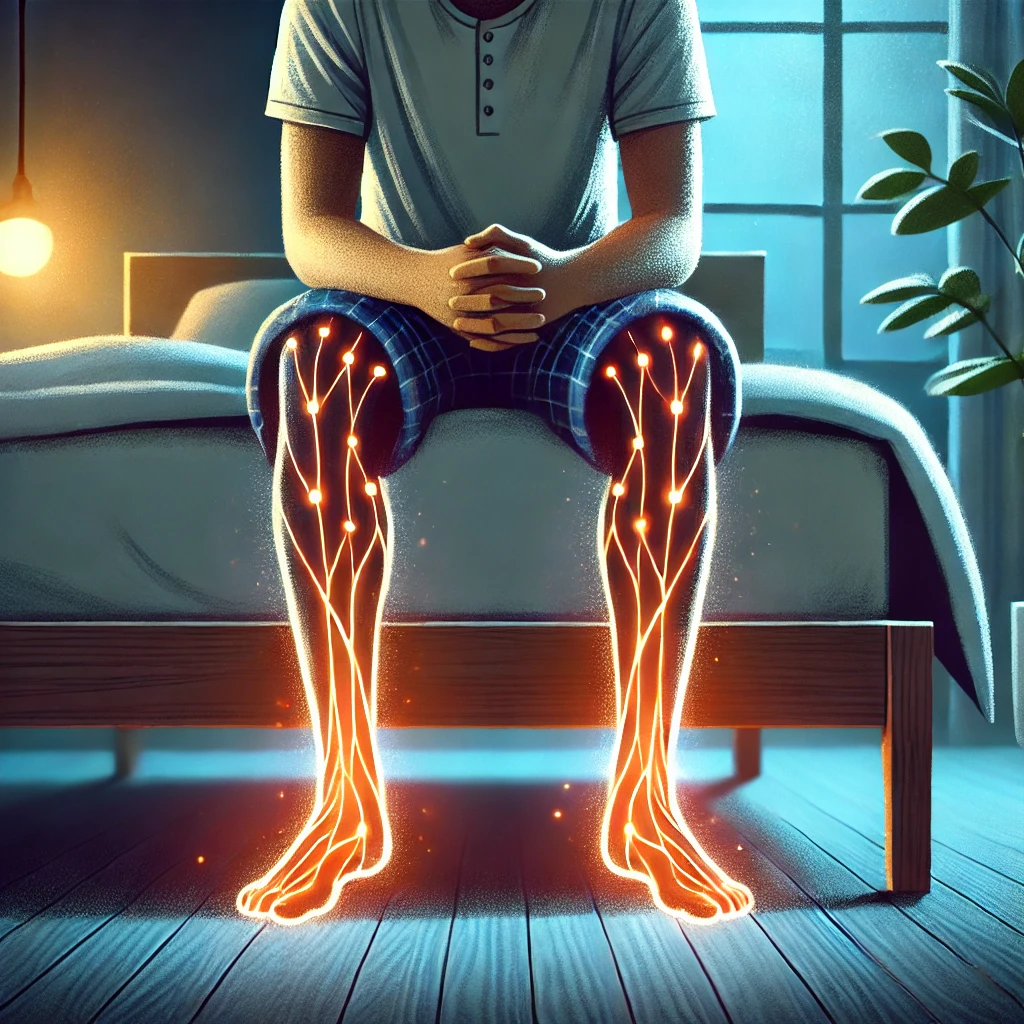
RLS (restless legs syndrome)

Acupuncture and restless legs syndrome: a natural solution?

Restless legs syndrome (RLS) is a neurological disorder that affects the quality of life of many people. This unpleasant sensation in the legs, often described as tingling, pulling or an irresistible urge to move, usually occurs at rest, particularly at night. Although drug treatments exist, many people turn to natural approaches such as acupuncture to relieve their symptoms.

What is acupuncture?

Acupuncture is a practice that comes from Traditional Chinese Medicine. It involves inserting fine needles at precise points on the body to rebalance the vital energy known as “Qi”. In modern medicine, acupuncture is thought to work by stimulating the nerves, muscles and blood circulation, while releasing endorphins, the feel-good hormones.

How can acupuncture help RLS?

Several mechanisms could explain the possible effects of acupuncture on restless legs syndrome:

  • Improved blood circulation: Acupuncture stimulates microcirculation, which may reduce the feeling of discomfort in the legs.
  • Relaxing effect: It may reduce stress and promotes better-quality sleep, both crucial for patients with RLS.
  • Action on the nervous system: Acupuncture may regulate the activity of the nerves responsible for the unpleasant sensations in the legs.

What do scientific studies say?

Although research is still limited, some studies show promising results. A study published in 2021 in the Journal of Traditional Chinese Medicine observed that acupuncture combined with moxibustion techniques (heat applied to acupuncture points) could significantly reduce the intensity and frequency of RLS symptoms.

Other studies suggest that some patients feel an improvement after a few sessions. These results suggest that acupuncture could be a worthwhile complementary option, particularly for those seeking to reduce their reliance on medication, in consultation with their doctor.

What to expect during a session?

An acupuncture session begins with a discussion with the practitioner, who assesses your general condition and your symptoms. Needles are then placed on specific points, often in the legs, back or feet. The treatment is painless, and many patients feel deeply relaxed after each session.

Conclusion: a natural solution to explore

Acupuncture offers a gentle, natural approach that may help relieve the symptoms of restless legs syndrome. If you are looking for a complement to conventional treatments, consulting an experienced acupuncturist could be an option worth considering. As always, speak to your doctor before starting a new therapy.

ACUPUNCTURE AND MALE INFERTILITY: A NATURAL APPROACH TO SUPPORTING FERTILITY

acupuncture 
sperm
motility
abnormal morphology

Acupuncture to support male fertility


ACUPUNCTURE AND MALE INFERTILITY: A NATURAL APPROACH TO SUPPORTING FERTILITY

Introduction

Male infertility is a problem that affects a significant proportion of infertile couples worldwide. Although conventional medical treatments are often effective, some men look for complementary approaches to improve their fertility. Acupuncture, an ancient practice from Traditional Chinese Medicine, is gaining popularity for its potential in this area. This article explores how acupuncture may help, alongside medical care, to improve sperm quality and optimise the chances of conception.

Understanding male infertility

Male infertility can be caused by various factors, including:

  • A low sperm concentration.
  • Reduced sperm motility.
  • Abnormal sperm morphology.
  • Oxidative stress, hormonal imbalances or infections.

Conventional medical approaches include hormone treatments, surgery or assisted reproduction techniques (ART). However, acupuncture is increasingly used as a complementary method.

How does acupuncture act on male fertility?

Acupuncture may act on different aspects related to fertility:

  1. Improved blood circulation: by stimulating certain points, acupuncture may help increase blood flow to the reproductive organs, supporting an optimal environment for sperm production.
  2. Stress reduction: stress can impair sperm quality. Acupuncture may help reduce anxiety and support hormonal balance.
  3. Reduced inflammation and oxidative stress: these factors, known to damage sperm, may be lessened by the regulating effect of acupuncture.

What studies say

Some studies suggest acupuncture may be of interest for male fertility, with encouraging but still limited results:

  • A 2022 study published in Fertility and Sterility observed a significant increase in sperm concentration and motility in 40% of men who received 10 acupuncture sessions.
  • A 2020 meta-analysis suggests that acupuncture may reduce levels of oxidative stress in seminal fluid and thereby improve overall sperm quality.
  • Some studies suggest an increase in natural pregnancies after 12 weeks of acupuncture combined with a healthy lifestyle.

Patient testimonials

Many men affected by infertility have found valuable support in acupuncture, not only during their fertility journey but also to cope better with this often emotionally difficult period.

What happens during acupuncture sessions

Each session begins with a discussion with the practitioner, who assesses the patient’s general health, lifestyle, eating habits and emotional state. Based on this information, specific points are selected to optimise the benefits.

  • Session length: each session generally lasts between 45 minutes and an hour.
  • Frequency: most programmes recommend sessions over a period of sometimes 2 to 3 months before assessing progress.
  • Techniques used: in addition to fine needles, some practitioners include complementary techniques such as moxibustion (heat applied to acupuncture points), electroacupuncture, etc.

Patient feedback shows that these sessions offer much more than a simple therapeutic intervention:

  1. Improved sperm quality
    Damien, 36, diagnosed with low sperm motility, says:
    “After a few months of acupuncture sessions combined with dietary supplements, I saw a significant improvement in my test results. We finally managed to conceive naturally after a year of follow-up.”
  2. Less stress and less feeling of helplessness
    Thomas, 40, describes how acupuncture helped him cope better with the stress of unsuccessful attempts to conceive:
    “The acupuncture sessions were like a pause in my busy schedule. They helped me refocus, release the pressure and keep hope.”
  3. Complementary support during medical treatment
    Jérôme, who went through in vitro fertilisation (IVF) with his partner, explains:
    “My doctor advised me to try acupuncture alongside the other treatments. The sessions not only helped me boost my fertility, they also allowed me to be more present and calm for my wife during IVF.”
  4. Impact on general well-being
    Maxime, 34, noticed positive effects beyond his fertility:
    “I felt more energetic, less tired, and I even slept better after a few sessions. The improvement in my sperm quality was only part of the benefits.”

An all-round experience

These testimonials suggest that acupuncture may act on several levels:

  • On a biological level, it may help improve sperm parameters.
  • On an emotional level, it brings a feeling of calm and control.
  • On an overall level, it supports greater well-being, which may indirectly help improve fertility.

For the best results, it is advisable to follow a structured programme with a qualified practitioner specialised in fertility issues.

The benefits of acupuncture for PCOS: how does it work?

pcos 
polycystic ovary

acupuncture and polycystic ovary syndrome (PCOS)

The benefits of acupuncture for PCOS: how does it work?

Introduction

Polycystic ovary syndrome (PCOS) is a hormonal condition that affects between 8 and 13% of women of reproductive age. This complex disorder can cause irregular menstrual cycles, an excess of male hormones (androgens), difficulty conceiving and other symptoms that deeply affect quality of life.

Faced with the limits of conventional treatments, such as hormonal medication or fertility treatments, many women turn to complementary approaches. Among them, acupuncture is the subject of research, both for hormonal balance and for reducing stress. But how can this ancient practice really help women live better with PCOS?

1. PCOS: understanding what is at stake

PCOS shows up as a hormonal imbalance that interferes with how the ovaries work. As well as irregular cycles and infrequent ovulation, it is often associated with insulin resistance, weight gain, acne or hair loss.
According to the Rotterdam criteria (2003), it is the most common hormonal disorder in women of reproductive age.

Traditional treatments, although effective, do not always suit every patient. Acupuncture can be offered alongside them, with a holistic approach that looks at several aspects of PCOS.

2. Acupuncture: a natural and complementary approach

Acupuncture is a Traditional Chinese Medicine practice that involves inserting fine needles at strategic points on the body. The aim is to restore the balance of Qi (vital energy) and to stimulate the body’s self-regulating mechanisms.

In modern medicine, some studies suggest positive effects of acupuncture on:

  • The hormonal system (by influencing the hypothalamic-pituitary-ovarian axis).
  • Stress management (lower cortisol levels).
  • Blood circulation (particularly in the pelvic area).

3. What studies suggest about acupuncture and PCOS

Scientific studies have looked at acupuncture in women with PCOS, with encouraging but still limited results:

  1. Regulation of menstrual cycles and ovulation:
    A 2011 study (Stener-Victorin et al.) observed that electro-acupuncture might help regulate menstrual cycles. After 3 months of treatment, 40% of women reportedly saw a return to regular ovulation.
  2. Improved hormone levels:
    A 2020 systematic review (Journal of Clinical Medicine) observed that acupuncture might reduce testosterone levels and improve insulin sensitivity, two crucial aspects of PCOS.
  3. Reduced stress:
    A 2017 study (PLOS One) observed that 83% of patients reported a noticeable reduction in stress and an improvement in their overall wellbeing after several acupuncture sessions.
  4. Fertility support:
    A 2015 study observed that acupuncture, combined with fertility treatments, might increase the chances of ovulation and conception. Some studies suggest that women who used acupuncture to prepare for IVF might see their chances of success increase.

4. What to expect during an acupuncture session?

An acupuncture session begins with an overall assessment of your symptoms and medical history. The needles are inserted at specific points, often on the arms, legs or abdomen, and left in place for 20 to 30 minutes.

For PCOS, regular sessions are advised, usually over several months, for support over time. For most patients the practice is painless and relaxing.

Conclusion

Acupuncture is a promising natural and complementary approach for women with PCOS. By helping to balance hormones, reduce stress and support fertility, it may help to improve patients’ quality of life.

If you are considering trying acupuncture, consult a qualified practitioner for treatment adapted to your specific needs.