
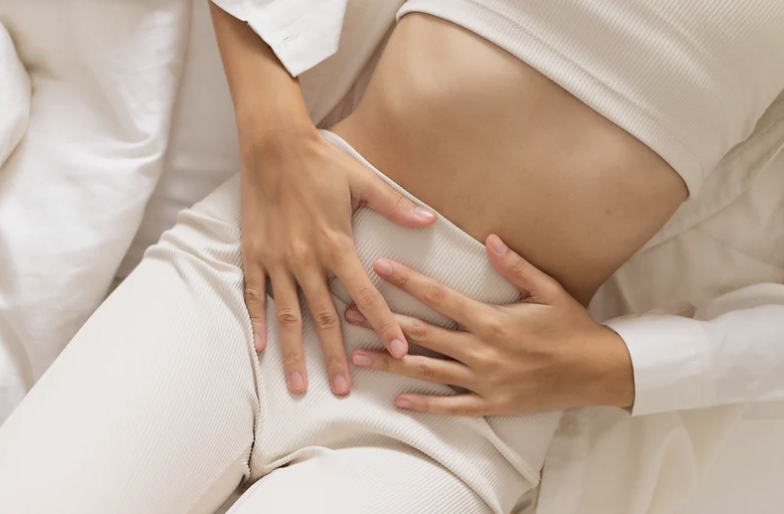
Endometriosis is a chronic disease that affects millions of women around the world. Characterised by the presence of endometrial tissue outside the uterus, it causes intense pain, digestive problems and sometimes fertility problems. While medical treatments exist, many patients look for other approaches, alongside their medical follow-up, to improve their quality of life. Among them, osteopathy is a worthwhile complementary approach. But how does it work and what effects does it have on endometriosis?
What is endometriosis and why is it painful?
Endometriosis is characterised by the presence of tissue similar to the endometrium outside the uterine cavity. This tissue responds to hormonal cycles, causing inflammation, adhesions and intense pelvic pain. The pain can spread to the back and legs and come with digestive problems (bloating, constipation, diarrhoea).
Conventional treatments include painkillers, anti-inflammatories, hormonal treatments and even surgery. However, these solutions are not always enough, which is where osteopathy comes in as a complementary approach.
How can osteopathy relieve endometriosis?
Osteopathy relies on gentle manipulations to restore the body’s balance and improve tissue mobility. Several mechanisms may explain its beneficial effects on endometriosis:
Reduced pelvic pain and muscle tension
Endometriosis causes significant muscular and fascial tension, particularly in the pelvis and lower back. The osteopath works on mobilising the fascia and deep muscles to release this tension and ease the pain.
Improved blood and lymphatic circulation
Poor blood circulation can encourage inflammation and the build-up of toxins. Through specific techniques, osteopathy aims to stimulate blood and lymphatic circulation, which may help to reduce inflammation and pelvic oedema.
Regulation of stress and the nervous system
The chronic pain caused by endometriosis can heighten stress and create a vicious circle in which stress intensifies pain. Osteopathy acts on the autonomic nervous system, encouraging a state of relaxation that helps you manage pain better.
Effect on digestive problems linked to endometriosis
Patients with endometriosis often suffer from digestive problems. Visceral osteopathy works on the digestive organs to improve their mobility and function, which can reduce bloating and intestinal pain.
What do studies and testimonials say?
Although osteopathy does not cure endometriosis, several patients report a clear improvement in their symptoms after a few sessions. A study published in the Journal of Bodywork and Movement Therapies suggests that osteopathic techniques may reduce pain and improve pelvic mobility.
What to expect during an osteopathy session?
An osteopathy consultation begins with an overall assessment of the body. The osteopath assesses posture and tissue mobility and looks for areas of tension. The techniques used vary with each patient, but they are generally gentle and non-invasive.
Recommended frequency
The number of sessions needed depends on each case. In general, a regular approach with one session every 3 to 4 weeks can be beneficial for maintaining the effects.
Conclusion
Osteopathy is a natural and complementary approach that may help relieve the pain and problems associated with endometriosis. By working on tissue mobility, blood circulation and stress management, it offers a worthwhile complement to medical follow-up for improving patients’ quality of life. If you have endometriosis, consulting a specialised osteopath may be an avenue to explore for greater comfort in everyday life.
Need personalised support?
Book an appointment with a qualified osteopath near you and start your journey towards natural wellbeing!