Difficult digestion and acupuncture

difficult digestion, liver, stomach, acupuncture

Difficult digestion is a digestive disorder. It includes:

  • episodes of diarrhoea or constipation, or even alternating between the two,
  • haemorrhoids,
  • indigestion,
  • bloating,
  • gastritis or stomach ulcers,
  • irritable bowel syndrome,
  • nausea…

Both osteopathy and acupuncture may be of interest for the digestive system. Acupuncture may act on organs such as the stomach, the liver, the pancreas and the small intestine. In short, bowel movements may improve.

Fatigue, stress, headaches, back pain and heavy legs are other symptoms that are treated and may be linked to poor digestion.

During the session, dietary advice and breathing exercises for digestion are given, and certain herbal teas, teas or essential oils are recommended.

For example, in the case of diarrhoea, it is recommended to drink tea after each meal. You can also have a bowl of rice soup several times a day, adding chives and a little salt, or ginger, pepper or fennel. Conversely, in the case of constipation, you should limit cured meats, red meat, fried food, spices, strong condiments, chocolate, coffee, alcohol, dairy products and cheese.

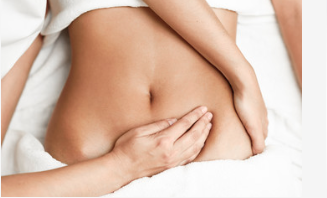
In Traditional Chinese Medicine, constipation corresponds to a stagnation of energy and toxins in the digestive tract. Physical activity such as Qi Gong, Tai Chi and breathing can help. Massaging the abdomen clockwise can help. It is also important to drink between meals in order to soften the stools and help bowel movements.

Osteopathy and acupuncture are complementary and are often used in the same session.
Stress and acupuncture

managing stress with herbs, osteopath acupuncture
how to manage stress

Stress can show itself through many symptoms such as:

It can become a chronic condition or may have appeared recently (coronavirus, lockdown). Chronic stress has repercussions on health, in particular an increased risk of high blood pressure, reduced immunity, diabetes….

How can you manage stress?

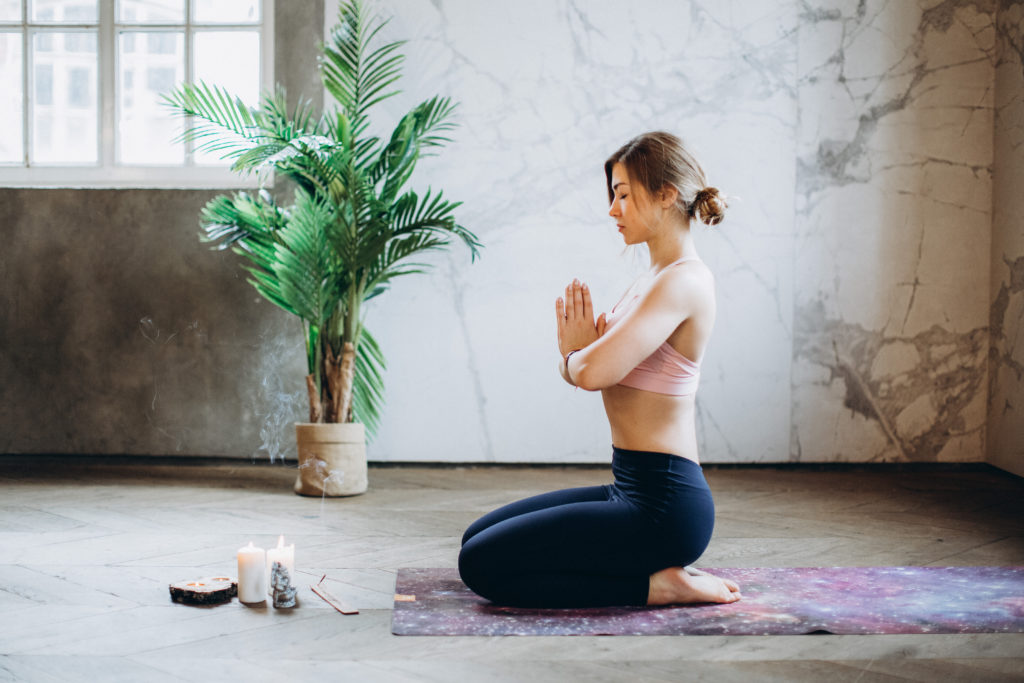
There are several studies on stress and breathing. Gentle activities such as yoga, meditation and walking in nature are beneficial.

stress and breathing 
stress management in Aix-en-Provence
stress and breathing

Meditation and yoga encourage relaxation and calm states of anxiety. Breathing exercises may help to quickly calm the nervous system and could change cholesterol levels. As a reminder, stress is harmful to the immune system.

stress anxiety acupuncture may help. book an appointment with an acupuncturist in Aix-en-Provence
stress, anxiety, acupuncture can support you

Acupuncture

In Traditional Chinese Medicine, there are many acupuncture points for regulating anxious states and stress. Several studies suggest that acupuncture may have a positive impact on stress, an antidepressant effect, a lower heart rate and consequently lower high blood pressure, as well as an anti-inflammatory action.

The acupuncturist often also gives herbs to calm. Many herbs may have an effect on mood, without replacing antidepressant treatment. Others act like neurotransmitters and may increase resistance to stress. Some act as appetite regulators, or regulate sleep and insomnia.

References:

https://www.ncbi.nlm.nih.gov/pmc/articles/PMC4203477/

https://www.ncbi.nlm.nih.gov/pmc/articles/PMC6625224/

https://www.ncbi.nlm.nih.gov/pubmed/28712475

https://www.ncbi.nlm.nih.gov/pmc/articles/PMC6625224/

Insomnia

deep sleep meditation cause solution remedy
rediscover deep sleep

It is World Sleep Day. Sleep disorders are common. Most people describe insomnia, difficulty falling asleep or waking up several times during the night. Others describe sleep apnoea, nightmares or restless sleep. Pregnancy, the menopause, stress and anxiety are also causes that can disrupt a good night. Finally, night sweats, thirst and the need to urinate are causes that often prevent people from getting back to sleep.

There are many remedies for regaining deep, restorative sleep. A session of meditation or yoga before going to bed can be beneficial. Self-hypnosis, homeopathy and essential oils may help you sleep better. Plants such as valerian, for example, are used as a natural solution.

Osteopathy is an interesting technique, particularly cranial osteopathy, which targets areas of the brain linked to the sleep centres.

In Chinese medicine, insomnia can have different causes, so treatment is individual and adapted to each person. Sleep disorders can be insomnia, difficulty getting to sleep, waking up at a particular time (for example 3 or 4 in the morning), waking up several times during the night or waking up too early.

Yintang

YinTang or third eye point for insomnia anxiety depression
yintang point

Origin of the Yintang point

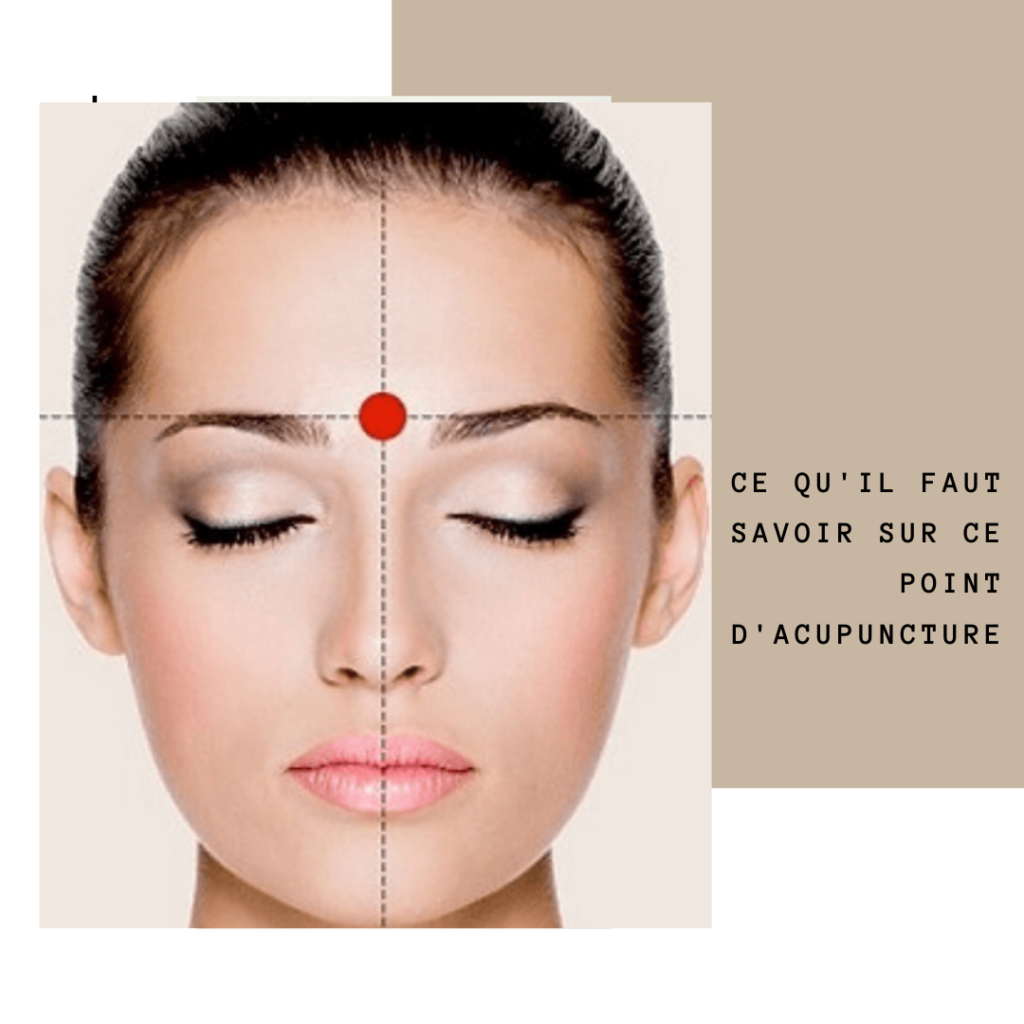
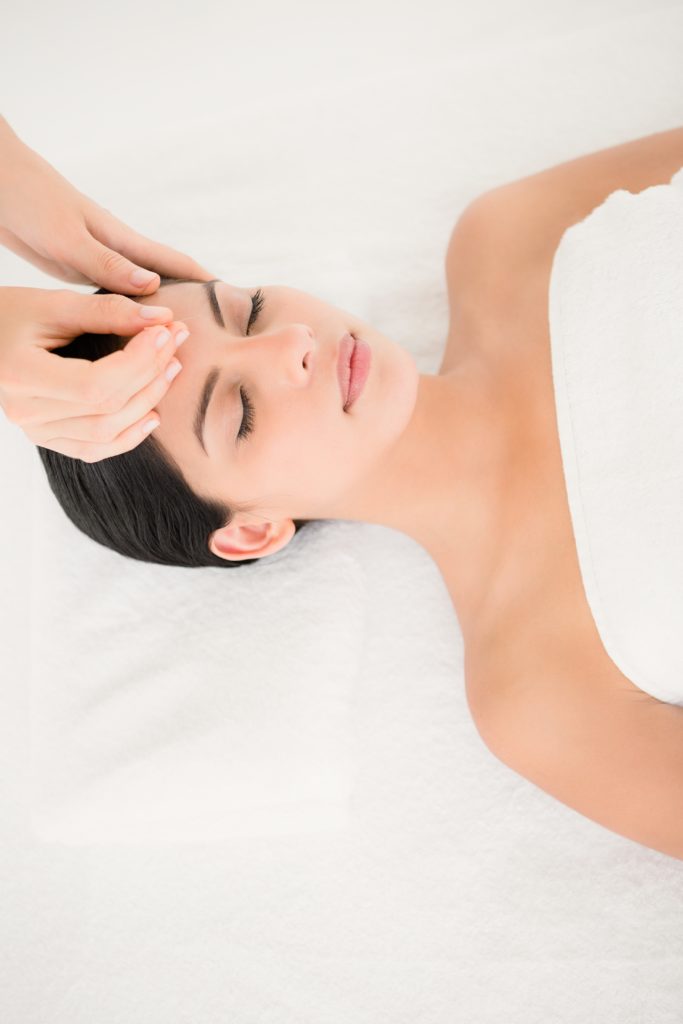
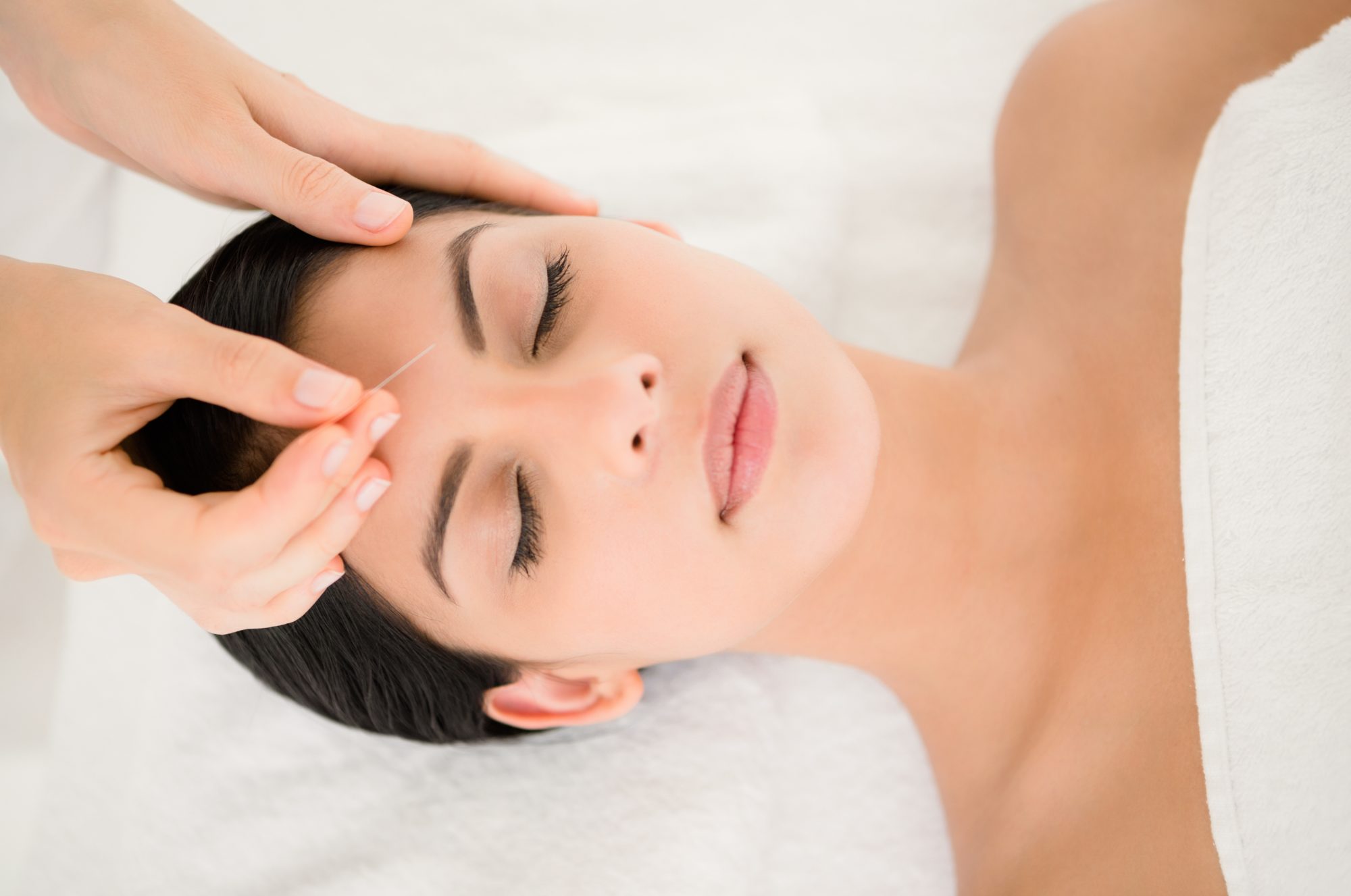
Acupuncture can help with psychological and emotional disorders (stress and anxiety). Widely used in treatments, Yintang is located in the space between the eyebrows.

Called the “palace of the mind”, it is a so-called “extraordinary” point. It is also known as the point of feelings and emotions. It has an effect on the intellect, the emotions and consciousness. It corresponds to the upper Dantian.

It corresponds to the “3rd eye” or sixth chakra: Ajna. This chakra symbolises intuition, clarity, meditation and confidence. “I see”

YinTang may help to calm the mind, improve concentration, release emotions, promote sleep, relieve migraines and support states of depression in liaison with the doctor.

Linked to the Heart meridian, local redness or warmth indicates states of heat or excess yang.

Its colour and texture help to diagnose the person’s state of health.

Indications

  • Anxiety, depression,
  • Insomnia,
  • Mental agitation,
  • Headaches, migraines,
  • Sinusitis, nasal congestion, rhinitis
  • Hangover,

This point is used for many reasons for consultation. It is often used in sessions such as weight loss or stopping smoking.

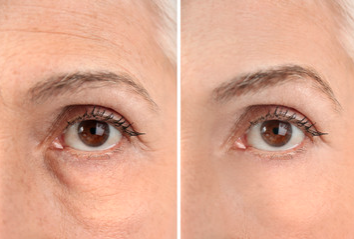
Dark circles and bags

Dark circles and bags
reducing dark circles and bags with cosmetic acupuncture

Tired-looking eyes, dark circles and bags reveal various problems. Lack of sleep, an irregular diet and stress are factors that show on your face.

Thanks to cosmetic acupuncture and dietary advice (foods to reduce dark circles and bags).

Cosmetic acupuncture can bring radiance to the face and help with sleep disorders and insomnia, stress and anxiety for a luminous face glowing with health.

Some dark circles are hereditary, but it is sometimes possible to reduce them.

During the session, an assessment covering every aspect of the person is carried out.

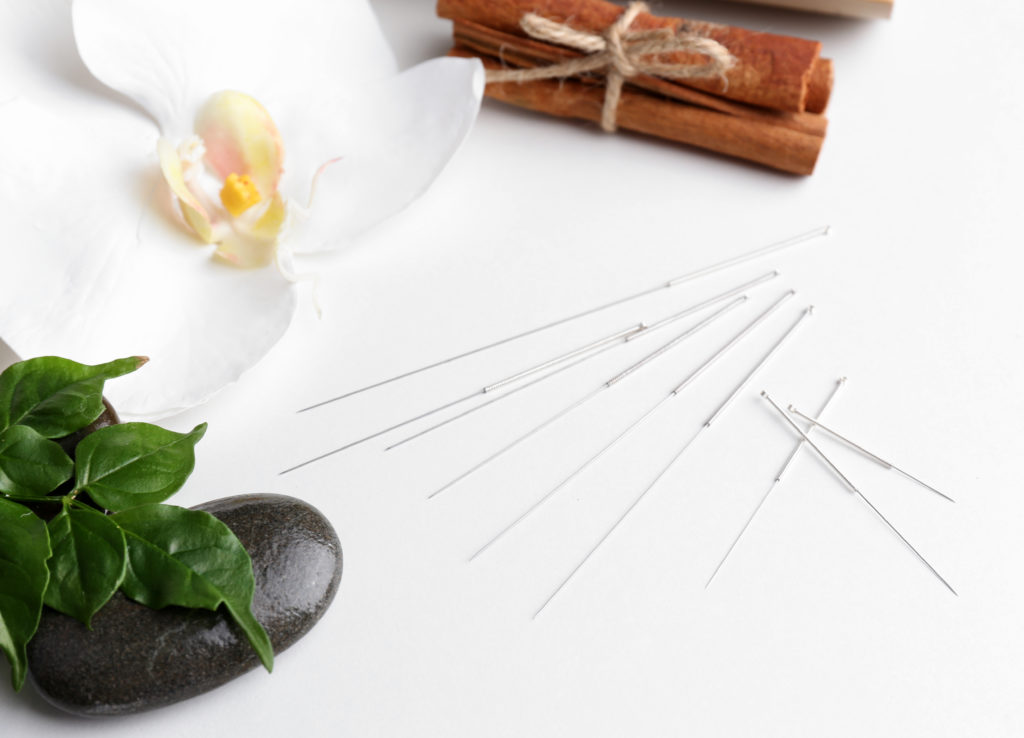
Sterile single-use needles are placed around the eye contour but also at a distance, to give an overall, harmonious result.

Some meridians, such as the Spleen and Kidney meridians, are toned to brighten the eyes. Techniques such as local lymphatic drainage complete the protocol.

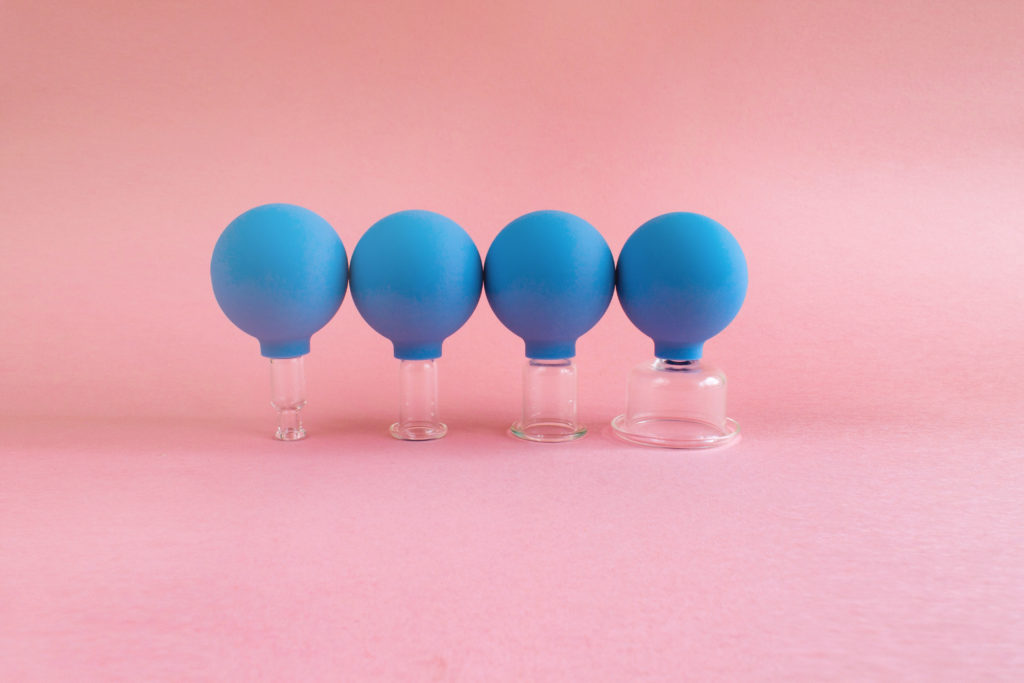
After the needles have been left in place, other methods can be used for greater effectiveness. These include cupping, gua sha and the jade roller.

Chinese medicine Aix-en-Provence
facial cupping, anti-wrinkle, radiant complexion

The number of sessions varies according to the patient’s age, the severity of the symptoms and their state of health. On average, 3 sessions 15 days apart are offered; some people notice an improvement from the first sessions.

Best natural anti-wrinkle method

ACUPUNCTURE LIFTING
Facial acupuncture is the best natural anti-wrinkle method. A natural Botox effect. It softens and helps to prevent wrinkles and fine lines, in particular: -Frown lines (or “adventure” lines); -Reflection lines (long horizontal, parallel lines running across the forehead; -Dispersion lines (due to slackening of the upper eyelid tissue); -Sexual lines ( due to slackening of the lower eyelid tissue, or puffiness or even oedema under the eyes); -Crow’s feet (or Venusian lines); -Jupiterian lines (rainbow-shaped line between the lower lip and the chin); -Denture lines (unsightly lines above the upper lip); -Social line (line at the corner of the lips running down diagonally); -Martian, Mercurian and lunar lines