Many people suffering from pelvic pain, endometriosis or period pain also report jaw tension, bruxism or temporomandibular pain.
Coincidence? Not really.
Research and clinical practice suggest that there are functional, nervous and emotional links between the pelvis and the jaw.
👉 Understanding this link makes it possible to approach pain more holistically… and sometimes more appropriately.
The link between the pelvis and the jaw: a little-known connection
1. The key role of the nervous system
The pelvic floor and the jaw are strongly influenced by the autonomic nervous system.
In situations of stress, chronic pain or trauma, the body adopts a protective response, also called bracing:
- unconscious clenching of the jaw
- tension in the diaphragm
- pelvic floor hypertonia
👉 This co-contraction is common in people suffering from:
- endometriosis
- dysmenorrhoea
- chronic pelvic pain
- bruxism or TMJ disorders
2. Pelvic pain and central sensitisation
In conditions such as endometriosis or chronic gynaecological pain, the nervous system can become hypersensitive.
This is known as central sensitisation:
- the brain amplifies pain signals
- several areas of the body can become painful at the same time
- tension appears at a distance, particularly in the jaw and neck
👉 This is not inflammation that “travels”, but neuromuscular and fascial communication between different regions of the body.
3. The role of emotions and trauma
Emotional trauma (chronic stress, anxiety, repeated pain, invasive medical experiences) has a profound influence on the body.
It can lead to:
- permanent hypervigilance
- involuntary contraction of key areas: jaw, diaphragm, perineum
- difficulty letting go, even at rest
👉 The body keeps the memory of stress, and pain can become long-lasting.
4. The influence of hormones
Hormonal fluctuations also play an important role.
Oestrogens are involved in:
- pain modulation
- tissue flexibility
- regulating inflammation
During periods of low oestrogen (PMS, postpartum, perimenopause, menopause), we often observe:
- an increase in pelvic pain
- more jaw tension
- more migraines or bruxism
Natural approaches to release the jaw and the pelvis
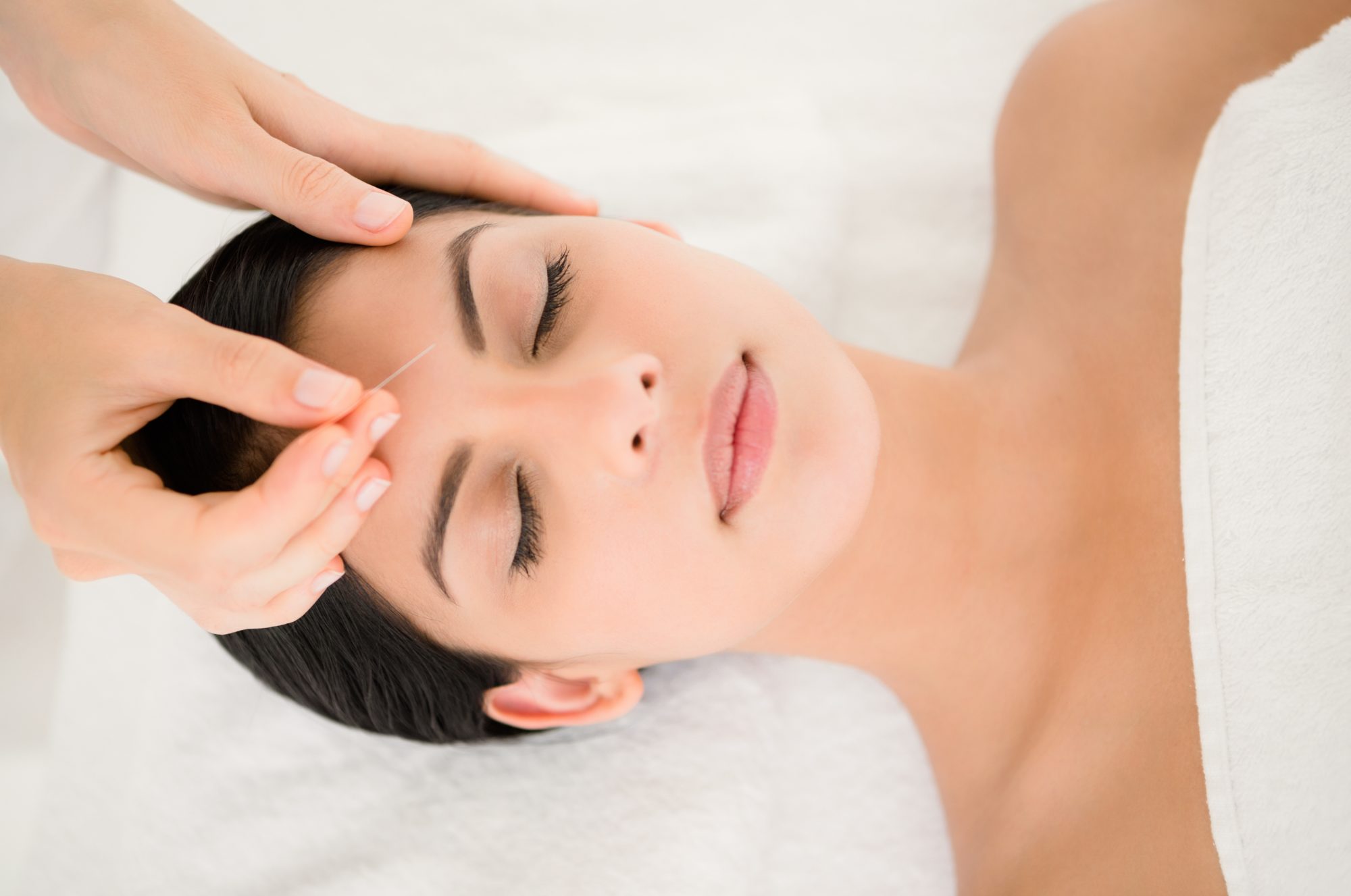
🌿 Acupuncture
Acupuncture is a useful complementary approach, alongside medical care, to:
- calm the nervous system
- reduce muscle hypertonia
- reduce the perception of pain
In practice, certain points are frequently used to act at the same time on:
- jaw tension
- pelvic pain
- stress and hormonal imbalances
🌿 Myofascial work and manual therapies
The body works in muscular and fascial chains.
✔️ Releasing the jaw can improve hip mobility
✔️ Working on the pelvis can reduce neck and jaw tension
Useful approaches:
- myofascial therapies
- osteopathy
- physiotherapy specialising in the perineum
🌿 Breathing and stress regulation
Diaphragmatic breathing is a simple and powerful tool:
- it calms the nervous system
- it helps relax the diaphragm and the perineum
- it reduces jaw tension
👉 Breathing slowly through the nose, letting the belly relax, can already reduce everyday tension.
Should you release the jaw to relieve pelvic pain?
✔️ Yes, in many cases, especially when the pain is chronic and linked to stress
❌ No, it is not a miracle solution on its own
👉 It is one key among others, which makes full sense within a holistic approach that takes in:
- the body
- the nervous system
- emotions
- the hormonal cycle
Conclusion
Jaw tension and pelvic pain are often two expressions of the same neuromuscular and emotional imbalance.
By working on relaxing the jaw, the pelvis and the nervous system, it is possible to improve comfort and quality of life over the long term.
👉 A holistic, personalised approach remains essential, particularly in cases of endometriosis or chronic gynaecological pain.