When you suffer from pain, stress or functional disorders, it is not always easy to know which practitioner to turn to. Osteopathy and acupuncture are two complementary approaches that aim to improve well-being and support the body in how it functions. But what are the differences between them? When should you see an osteopath or an acupuncturist?
What is osteopathy?
Osteopathy is a manual therapy based on a holistic approach to the body. The osteopath uses their hands to assess and treat mobility restrictions that may affect the joints, muscles, fascia or certain functions of the body.
The aim is to improve the mobility of the body’s structures and encourage better functional balance.
People often consult an osteopath for:
- Back and neck pain
- Muscle tension
- Joint pain
- Posture-related problems
- Jaw pain
- Discomfort linked to pregnancy
- Some pain linked to sport
What is acupuncture?
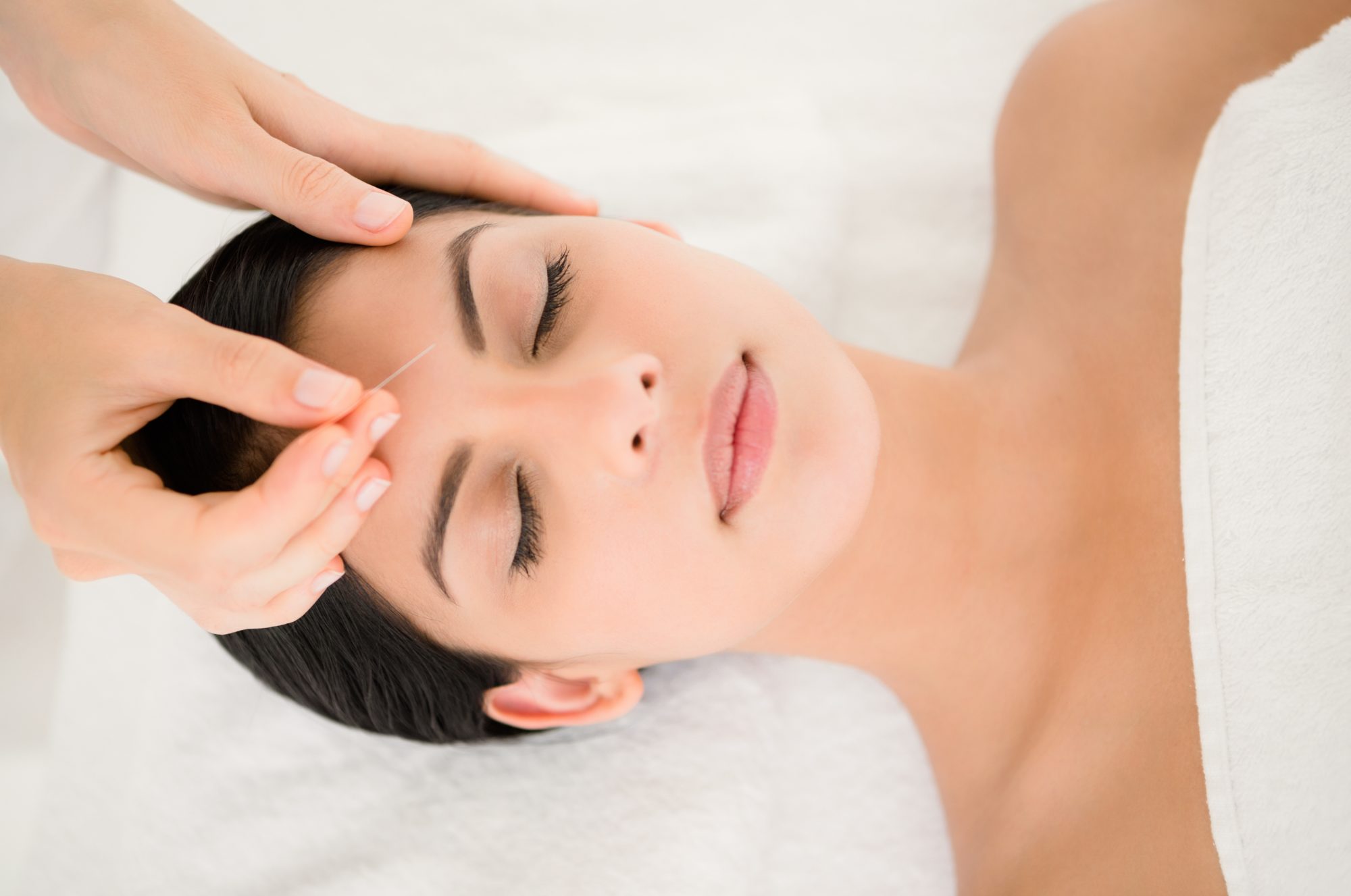
Acupuncture is a practice that comes from Traditional Chinese Medicine. It involves stimulating specific points on the body with fine needles.
According to Chinese medicine, this stimulation aims to restore a harmonious flow of energy in the body.
Today, acupuncture is often used as a complement to medical care to support various functional disorders.
The most common reasons for consultation are:
- Stress and emotional difficulties
- Sleep problems
- Chronic pain
- Migraines
- Functional digestive disorders
- Period pain
- Fertility support
- Symptoms of the menopause
Osteopathy or acupuncture: what are the differences?
The main difference lies in their approach.
Osteopathy works mainly through manual techniques that aim to restore the mobility of tissues and joints.
Acupuncture is based on stimulating specific points on the body with needles in order to encourage the overall balance of the body, according to the principles of Traditional Chinese Medicine.
These two approaches are not in opposition. They are often complementary.
When should you choose osteopathy?
Osteopathy is often preferred when the main complaint involves:
- Mechanical pain
- Restricted mobility
- Joint discomfort
- Muscle tension
- A postural problem
For example: low back pain, neck pain, a locked joint, jaw pain or recovery after physical exertion.
When should you choose acupuncture?
Acupuncture is often chosen when the symptoms are part of a broader or functional picture:
- Stress
- Fatigue
- Sleep problems
- Premenstrual syndrome
- Functional digestive disorders
- Fertility support
- Menopause-related symptoms
It can also be included in the management of some chronic pain.
Can osteopathy and acupuncture be combined?
Yes. Many patients benefit from a combined approach.
Osteopathy may help to improve mobility and reduce some mechanical strain, while acupuncture may support the functional balance of the body.
Depending on the reason for consultation, these two approaches can be offered as complements to each other.
How do you choose the most suitable therapy?
The choice depends above all on your reason for consultation, your expectations and your personal situation.
At a first consultation, the practitioner carries out an assessment to determine the most relevant approach, or to refer you to another health professional when necessary.
Conclusion
Osteopathy and acupuncture are two different but complementary approaches. Osteopathy focuses mainly on the mobility and mechanical strain of the body, while acupuncture aims to support the functional balance of the body according to the principles of Traditional Chinese Medicine.
The choice will depend on your problem, but in many cases these two disciplines can be combined for holistic care.
FAQ – Osteopathy or acupuncture
What is the difference between osteopathy and acupuncture?
Osteopathy uses manual techniques to improve the mobility of tissues and joints. Acupuncture involves stimulating specific points on the body with fine needles.
Is osteopathy more effective than acupuncture?
There is no universal answer. Effectiveness depends on the reason for consultation, the patient and the clinical context.
Can I have an osteopathy session and an acupuncture session on the same day?
In some cases this is possible. The practitioner will adapt the care to the patient’s needs.
Which should I choose for stress: osteopathy or acupuncture?
Acupuncture is often sought for stress-related problems. Osteopathy can also support some of the associated physical tension.
Which should I choose for back pain?
Osteopathy is often sought for mechanical back pain and mobility problems.
Which should I choose for sleep problems?
Acupuncture is regularly used to support sleep problems and stress.
Can osteopathy and acupuncture be combined?
Yes. These two approaches are often complementary and can be included in holistic care tailored to the patient.