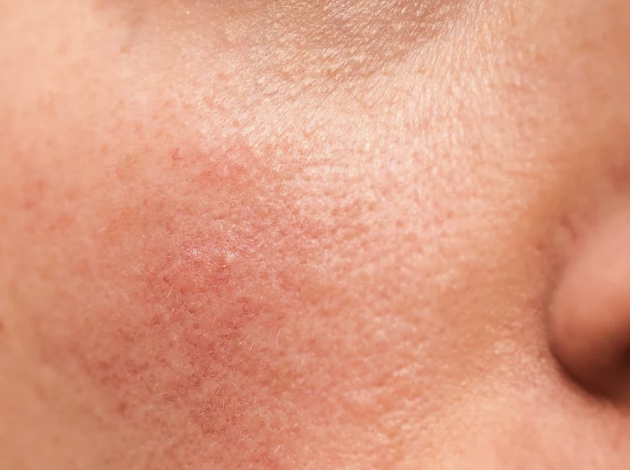
Persistent facial redness, visible blood vessels, flushing, burning sensations and sensitive skin… Rosacea is a chronic skin condition that can have a significant impact on comfort, confidence and quality of life.
Some people notice that their face becomes red very easily, particularly during emotional situations, changes in temperature, after eating spicy food or during periods of stress.
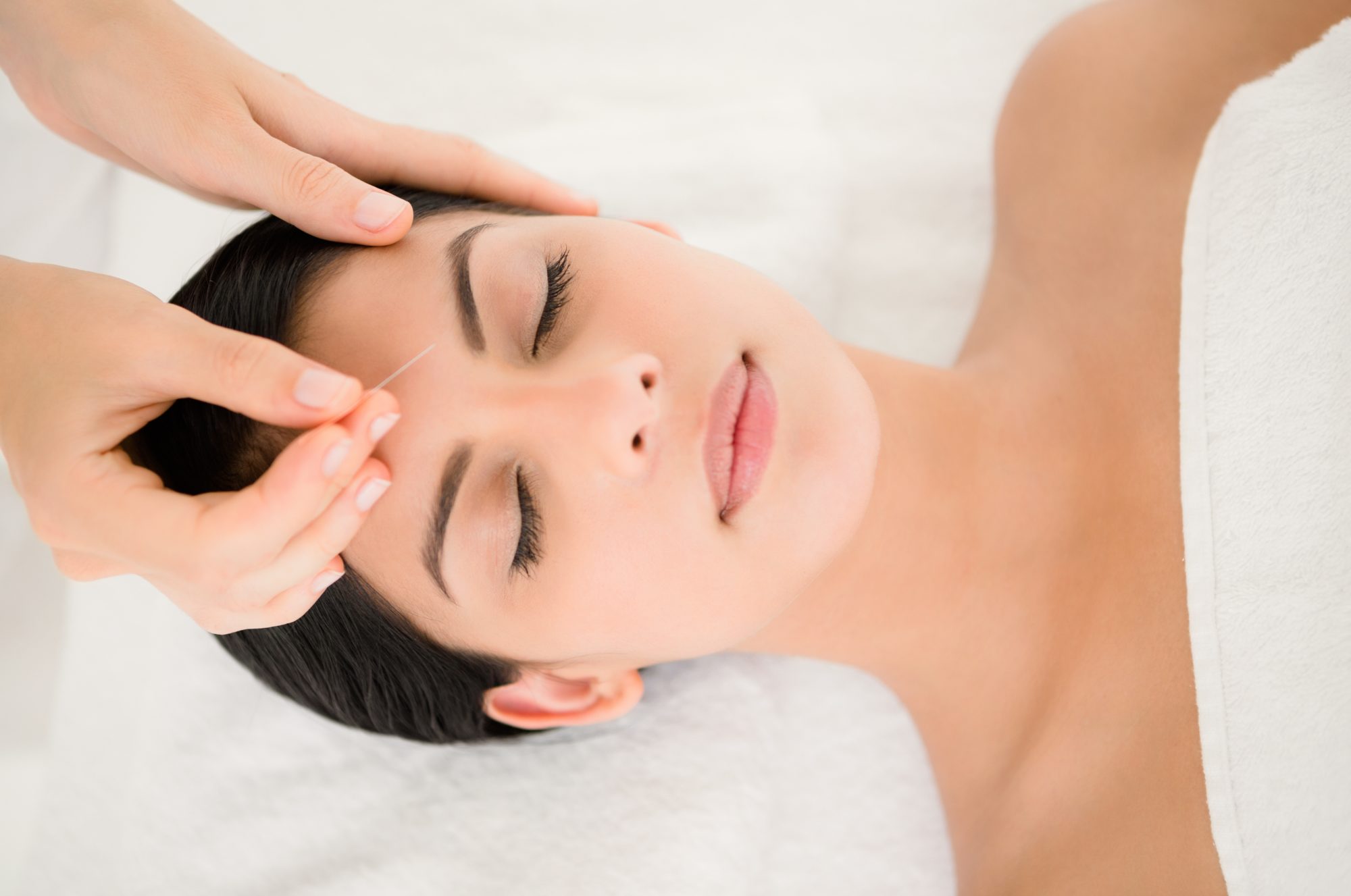
Alongside conventional dermatological care, some people explore complementary approaches such as acupuncture and Traditional Chinese Medicine (TCM).
But can acupuncture help with rosacea? What role might it play in supporting people experiencing facial redness, flushing and stress-related symptoms?
1. What is rosacea?
Rosacea is a chronic inflammatory skin condition that mainly affects the face, particularly the cheeks, nose, forehead and chin.
It is more common in adults and typically develops in cycles, with periods of improvement and flare-ups.
Symptoms can vary from person to person and include:
- Persistent facial redness.
- Episodes of flushing and sudden facial warmth.
- Small visible blood vessels, known as telangiectasia.
- Inflammatory bumps that may resemble acne.
- Burning, stinging or tightness.
- Dryness and particularly sensitive skin.
In some cases, rosacea can also affect the eyes, causing dryness, irritation or a gritty sensation.
Rosacea is a multifactorial condition involving skin inflammation, neurovascular mechanisms and environmental triggers.
2. Why does rosacea cause facial redness?
Rosacea is associated with increased sensitivity of the skin’s vascular and inflammatory mechanisms.
Small blood vessels in the face may react excessively to certain triggers, causing them to dilate and producing visible redness.
Several factors may trigger or worsen symptoms.
Temperature changes
Moving between cold and warm environments, hot baths, saunas and excessive sun exposure may trigger facial flushing.
Stress and emotions
Strong emotions, stressful situations and periods of fatigue can contribute to facial flushing.
Diet
Alcohol, very hot drinks and spicy foods may trigger flushing in some people.
Hormonal changes
Some women notice changes in their symptoms during certain stages of the menstrual cycle or perimenopause. Hormonal changes may influence flushing and vascular sensitivity, although rosacea is not considered a hormonal disease.
Skincare products
Harsh cleansers, exfoliants, fragrances and irritating active ingredients can aggravate already sensitive skin.
Identifying individual triggers is an important part of managing rosacea.
3. Acupuncture and rosacea: what does Traditional Chinese Medicine offer?
Acupuncture is a practice rooted in Traditional Chinese Medicine. It involves stimulating specific points on the body using very fine, sterile, single-use needles.
Within Traditional Chinese Medicine, facial redness and sensations of heat may be approached according to different patterns of imbalance.
The assessment is not limited to the appearance of the skin. It may also consider:
- Sleep quality.
- Stress and emotional wellbeing.
- Sensations of heat.
- Digestion.
- Physical fatigue.
- Hormonal changes.
This individualised approach considers the person as a whole rather than focusing exclusively on skin symptoms.
Can acupuncture reduce facial redness?
Acupuncture has been investigated in the field of dermatology, including certain inflammatory skin conditions.
However, studies specifically investigating acupuncture for rosacea remain limited, and current evidence is insufficient to establish its effectiveness in reducing persistent redness, visible blood vessels or inflammatory flare-ups.
It may be considered as a complementary wellbeing approach, particularly when stress and emotional tension are part of the person’s overall experience.
It should not be presented as a treatment for rosacea or as a proven way to eliminate facial redness.
4. Rosacea, stress and the nervous system: understanding the connection
Stress and emotions can play an important role in the experience of rosacea symptoms.
An intense emotional response may trigger a vascular reaction, leading to sudden facial warmth and redness.
Some people experience an uncomfortable cycle:
- An emotional situation triggers facial flushing.
- The visible redness causes embarrassment or anxiety.
- Anxiety increases stress levels.
- The face feels even warmer and more reactive.
This can be particularly difficult in social and professional situations.
Acupuncture may be considered as a complementary approach to relaxation and general stress management.
However, its specific effectiveness on the underlying mechanisms of rosacea has not been established.
5. Rosacea and Traditional Chinese Medicine: a holistic approach
Within Traditional Chinese Medicine, skin manifestations may be considered in relation to different functional systems of the body.
Redness, sensations of heat and inflammatory symptoms may be interpreted according to different traditional patterns of imbalance.
An individual assessment may take into account:
- General wellbeing.
- Digestive health.
- Sleep quality.
- Emotional wellbeing.
- Sensations of heat.
- Periods of fatigue.
This traditional interpretation is not a dermatological diagnosis and does not identify the medical mechanisms responsible for rosacea.
It can nevertheless provide a framework for an individualised approach focused on overall wellbeing.
6. Lifestyle habits that may help manage rosacea
Alongside dermatological care, certain everyday habits may help reduce exposure to common triggers.
Choose gentle skincare
Use fragrance-free products designed for sensitive skin. Avoid harsh scrubs and aggressive exfoliation.
Protect your skin from the sun
Daily sun protection is important, even when sunlight does not feel particularly strong. SPF 30 to 50 sunscreen suitable for sensitive skin is generally recommended.
Identify your personal triggers
Keeping a simple diary may help identify situations associated with flushing, such as heat, alcohol, certain foods, stress or exercise.
Support nervous system balance
Relaxation, breathing exercises, walking and appropriate physical activity can contribute to general wellbeing.
Prioritise sleep
Regular, restorative sleep supports overall health and may help with stress management.
These measures do not cure rosacea, but they may help people manage their symptoms more comfortably.
7. What medical treatments are available for rosacea?
Rosacea is a chronic condition that can be managed with the help of a dermatologist.
Depending on its type and severity, different treatments may be recommended:
- Topical treatments such as azelaic acid, ivermectin or metronidazole.
- Oral treatments, including certain antibiotics used for their anti-inflammatory properties.
- Vascular laser or intense pulsed light (IPL) for certain types of redness and visible blood vessels.
- Ophthalmological care when the eyes are affected.
Treatment should always be tailored to the individual.
Acupuncture may be considered as part of a complementary wellbeing approach, but it should never replace dermatological care.
FAQ – Frequently Asked Questions About Acupuncture and Rosacea
Can acupuncture cure rosacea?
No. There is currently insufficient scientific evidence to establish that acupuncture can cure rosacea or permanently eliminate facial redness.
Can acupuncture reduce facial redness?
Its specific effectiveness in treating persistent redness and visible blood vessels has not been demonstrated. It may be considered as a complementary wellbeing approach.
Can stress make rosacea worse?
Yes. Stress and emotional reactions can trigger or worsen flushing episodes in some people. Managing stress may help improve everyday comfort.
Is rosacea linked to hormones?
Rosacea is not a hormonal disease. However, some women notice changes in their symptoms during hormonal transitions, particularly perimenopause.
What is the difference between rosacea and couperose?
Couperose generally refers to persistent facial redness and visible small blood vessels. These are common features of rosacea, but the two terms are not strictly interchangeable.
How many acupuncture sessions are needed?
There is no scientifically validated acupuncture protocol or established number of sessions for treating rosacea. Any complementary approach should be individualised and should not delay dermatological treatment.
Living with rosacea? Explore a complementary approach to wellbeing
Living with sensitive skin, persistent redness and facial flushing can be challenging.
As a qualified osteopath (Osteopath D.O.), with a holistic approach incorporating principles of Traditional Chinese Medicine, I also consider factors associated with overall wellbeing, including stress, sleep, fatigue and emotional balance.
A consultation provides an opportunity to discuss your individual situation and explore whether acupuncture may have a place in your complementary wellbeing approach.
Appointments are available in Aix-en-Provence, Provence, France.
Book your appointment through Doctolib to discuss your needs and explore personalised support.
Acupuncture is a complementary practice. It does not replace a dermatological diagnosis or medically indicated treatment.