

Acupuncture to regulate appetite: a natural approach

Acupuncture to regulate appetite

Introduction

Acupuncture is increasingly recognised for its benefits on general wellbeing, particularly for weight management and appetite regulation. But how can this Traditional Chinese Medicine influence our feelings of hunger and fullness? Recent scientific studies suggest that acupuncture could play a key role in the hormonal and emotional regulation of appetite.

Acupuncture and appetite regulation: how does it work?

1. Action on the hunger and satiety hormones

Appetite is mainly regulated by two hormones:

  • Ghrelin, which stimulates hunger
  • Leptin, which promotes satiety

A study published in Obesity Reviews found that acupuncture could influence the production of these hormones, lowering ghrelin levels and raising leptin levels. This would make it easier to control the urge to eat and prolong the feeling of fullness.

2. Effect on stress and emotional eating

Stress is a key factor in unbalanced eating habits. It raises cortisol, a hormone that encourages cravings for sugar and high-calorie food. Acupuncture is often associated with a relaxing effect: a meta-analysis published in Evidence-Based Complementary and Alternative Medicine suggests that it may reduce stress and anxiety, and so reduce compulsive eating.

3. Improved digestion and metabolism

Poor digestion can lead to cravings and a slower metabolism. Acupuncture stimulates specific points to improve digestive function and promote better absorption of nutrients. A 2018 study published in The Journal of Traditional Chinese Medicine observed that acupuncture may improve gastric motility and the balance of digestive juices, reducing feelings of bloating and excessive hunger.

4. Fewer cravings for sugar and ultra-processed foods

Acupuncture may act on the dopamine system, which regulates reward behaviour linked to eating. A study carried out by Kyung Hee University in South Korea observed that people who received acupuncture sessions had less appetite for sweet and fatty foods.

Scientific studies and results in figures

  • A study in The American Journal of Chinese Medicine reportedly observed a 12% reduction in daily calorie intake in patients who followed a regular course of acupuncture for 6 weeks.
  • Another piece of research published in Acupuncture in Medicine reportedly observed that 82% of patients treated for appetite regulation noticed fewer cravings.
  • Some studies suggest that acupuncture combined with a healthy diet may be associated with better weight-loss results than diet alone, which still needs to be confirmed.

Conclusion

Acupuncture is a natural approach that may help with regulating appetite by acting on hunger hormones, stress, digestion and food cravings. Some studies suggest it is worthwhile and many patients notice an improvement in their eating habits. Combined with a balanced diet and a healthy lifestyle, acupuncture can be a real asset in getting your appetite regulated and under control in the long term.

If you would like to try acupuncture to help you manage your appetite better, do not hesitate to consult a qualified practitioner!
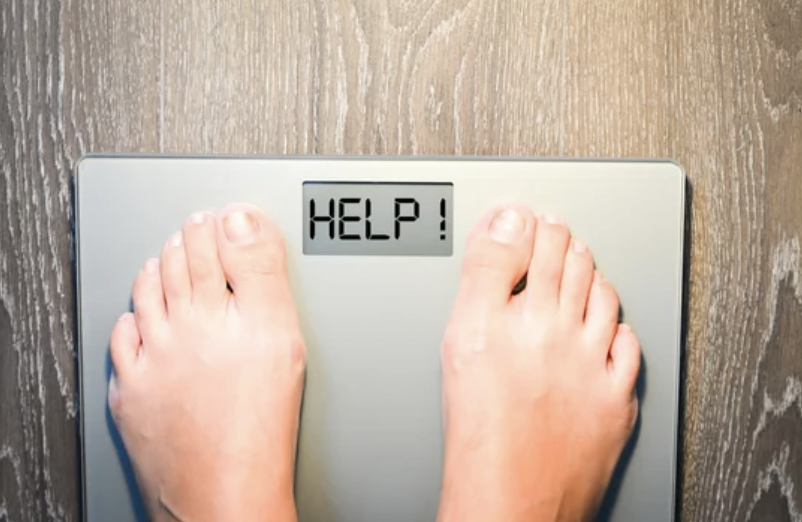

Weight loss and acupuncture

Weight loss 
slimming 
acupuncture

Weight loss and Chinese medicine: what the science says:
Some studies suggest that acupuncture can help regulate two appetite hormones: leptin and ghrelin. By stimulating these 2 hormones, acupuncture can help control appetite and sweet or salty cravings, improve digestion and stimulate the metabolism.
It also plays a role in stress management by releasing endorphins. These are responsible for the feeling of well-being and have a relaxing effect, which counterbalances eating out of frustration, anxiety or tension.

Some conditions and medicines can slow down weight loss, such as a thyroid disorder, diabetes or depression.

Acupuncture stimulates areas linked to meridians that correspond to organs. The therapist supports the patient’s general health and well-being through a personalised assessment.

The role of acupuncture in weight loss

  • Stimulates the metabolism;
  • May help to regulate appetite (eating too much, eating badly, or not enough, which is counterproductive), sugar cravings;
  • May improve the management of stress and emotions (anxiety, frustration, anger);
  • May help to improve sleep;
  • May encourage better bowel movements and good digestion (constipation, bloating);
  • May reduce the feeling of fatigue

Losing weight with acupuncture

Losing weight with acupuncture

Acupuncture gives a boost to weight loss.

Several closely spaced sessions at the start, in the form of a course of treatment, are sometimes needed to trigger this boosting effect on the metabolism.

After that, more widely spaced sessions help to maintain the benefits.

A personalised assessment makes it possible to work on different areas such as sleep, emotions (stress, anxiety…), sugar cravings or snacking, or digestive problems (constipation, bloating).

Eating too much, not eating enough, too much exercise, not enough exercise are all factors that prevent weight loss. Note that strength training gives better results than cardio, which, as its name suggests, works the cardiovascular system. Cardio does not make you lose weight. Too much cardio will increase the level of cortisol, the stress hormone. Result: you eat more.

foods that help you lose weight
weight loss and acupuncture

Advice on Chinese dietetics and herbal medicine is also given during the consultation, depending on the person’s type, whether more yin or yang…

Some food supplements, such as guarana or green tea, are of interest. Spices such as ginger and turmeric, as well as lemon and cider vinegar, are used as part of an adapted diet.

A breakfast based on oat flakes is perfect, rather than skipping this essential meal.

Weight loss

weight loss and acupuncture
acupuncture weight loss

Weight loss through acupuncture is a major reason for consultation. Many patients wonder how to lose weight, slim down or tone their thighs or stomach. As each patient is unique, the protocol will be personalised according to various factors.

Eating disorders, stress, sleep problems, fatigue disrupt your energy and so lead to excess weight. The menopause and thyroid disorders are also factors that can alter your vitality in Chinese medicine. Some treatments or medications also contribute to weight gain.

nutrition weight loss
Nutritional advice for weight loss

By working on certain organs such as the liver, gallbladder, spleen, stomach and kidneys, the patient may regain fitness and energy naturally. Nutritional advice complements the session.

meditation yoga migraine

During a session, the practitioner gives advice such as acupressure. The aim is to encourage relaxation and regulate appetite, sugar cravings, sleep, stress, etc. For example, yoga, breathing techniques and hiking are excellent activities.

Other symptoms can be supported at the same time, such as neck pain, low back pain, water retention, cellulite and abdominal pain.

It should be noted that no scientific evidence has shown the effectiveness of the acupuncture pen.

Slimming down with Chinese medicine

slimming down, losing weight, weight loss with acupuncture, anti-cellulite, water retention, metabolism.

Chinese medicine can support an effort to slim down the stomach, thighs, hips or arms. In particular acupuncture, which aims to stimulate the metabolism and encourage drainage. It may play a role in lymphatic drainage and help reduce water retention and improve blood circulation.

Acupuncture: an ally of choice for slimming down

The aim of acupuncture is to work on all the factors responsible for weight gain: stress, lack of sleep, lack of energy, appetite, etc.

Weight loss comes with dietary advice and relaxation and self-massage techniques (stomach, legs), which provide an anti-cellulite action or help with heavy legs.

Depending on your body type, green teas or herbal teas are recommended. No diet or intermittent fasting is advised in terms of nutrition. Cooking methods suited to the seasons and to your energy guide the weight loss strategy.

Other methods to consider

The pillars of Chinese medicine are breathing, diet and managing emotions. In addition to acupuncture, herbs (herbal medicine) and essential oils are recommended, along with self-massage and acupressure techniques to boost the metabolism and get the energy flowing.

It is important to note that there is no single protocol, but rather specialised protocols adapted to each person. Some foods are therefore to be favoured and others avoided. An assessment with an acupuncturist is needed to take the person into account as a whole.

nutrition, dietetics, anti-cellulite foods and foods for weight loss

A series of acupuncture sessions may help you lose centimetres and therefore drop a size.

Menopause is also a particularly good time to consult.

In summary, acupuncture may help boost your metabolism and your energy, regulate your appetite and reduce water retention.

The main meridians involved in acupuncture are: the stomach, the spleen, the liver and the kidneys.