When should you have acupuncture to get pregnant?

fertility acupuncture Aix-en-Provence, planning a baby, conception, ART, IVF
acupuncture to get pregnant

You are planning a pregnancy and wondering when to start acupuncture to support fertility? Acupuncture may be offered as a complementary approach when you wish to become pregnant, whether you hope to conceive naturally or are going through assisted reproduction (ART).

When a pregnancy is being considered, it can be worthwhile to start the support a few months before trying to conceive, ideally around 2 to 3 months ahead. This allows time to observe your cycle and to set up personalised support.

But there is absolutely no need to wait several months before booking: acupuncture can begin at any point in the cycle and at any stage of your pregnancy plans.

Why start acupuncture before trying to get pregnant?

In Traditional Chinese Medicine, fertility support does not necessarily begin the moment you stop contraception.

The consultation takes the whole person into account: the menstrual cycle, sleep, digestion, stress levels, fatigue, general health and any symptoms associated with the cycle.

Starting sessions a few months before trying to conceive can make it possible to observe several cycles and to adapt the support gradually.

Acupuncture may therefore be considered as part of a pregnancy plan to support, in particular:

Acupuncture does not guarantee a pregnancy and does not replace medical tests or medical care when these are needed.

Should acupuncture be done at the time of ovulation?

No. There is no need to come only at the time of ovulation.

An acupuncture session can take place at any point in the menstrual cycle. You do not need to know your exact ovulation date to start receiving support.

The timing of the session is adapted to your situation, your symptoms and the aim of the consultation.

Depending on your needs, sessions can therefore take place during your period, after menstruation, around the ovulatory phase or after ovulation.

The idea is to offer regular, personalised support throughout the cycle rather than systematically concentrating sessions around ovulation.

Acupuncture and the menstrual cycle

The cycle is an important element of an acupuncture consultation when planning a pregnancy.

I may take into account the regularity and length of your cycles, any pain, premenstrual syndrome, sleep quality, digestion, fatigue and stress levels.

The aim is to understand your situation as a whole in order to adapt the sessions.

You therefore do not need a perfectly regular cycle, or to know your exact ovulation date, to book a consultation.

Acupuncture and natural fertility

When a couple wishes to conceive naturally, acupuncture can be part of a complementary approach to the pregnancy plan.

Some women choose to start sessions 2 to 3 months before trying to conceive, so as to take time to observe their cycle and receive support over several cycles.

Others come when they have already started trying.

In both cases, there is no need to schedule sessions exclusively around ovulation.

Acupuncture cannot guarantee a pregnancy and should not be presented as a treatment for infertility.

If you are having difficulty conceiving, a medical assessment can look for possible causes and adapt the care accordingly.

Acupuncture and the ART journey

Acupuncture may also support some women going through ART, IVF or artificial insemination.

Support can begin before the protocol and continue through its different stages, according to your needs and the recommendations of the medical team.

Sessions are not necessarily scheduled solely around ovulation. They can be adapted to the protocol calendar, to the cycle and to each woman’s situation.

The aim is to offer complementary support alongside the medical pathway.

Acupuncture does not replace hormone treatments, tests or the recommendations of the fertility team.

What if I have endometriosis?

Endometriosis can affect daily life and sometimes plans for a pregnancy.

When endometriosis has been diagnosed, acupuncture may be offered alongside gynaecological follow-up and fertility care.

It may in particular support some of the pain or discomfort associated with the cycle.

Planning a pregnancy with endometriosis calls for individualised care with the health professionals who follow your situation.

When should you start acupuncture to get pregnant?

There is no universal medical time frame requiring acupuncture to start three months before trying to conceive.

However, starting 2 to 3 months ahead can be worthwhile as part of a support approach, as it allows time to observe several cycles and to adapt the sessions gradually.

But if you have already started trying for a baby, it is not too late to book a consultation.

You can book an appointment at any point in your cycle, without waiting for your next ovulation.

What happens during a fertility acupuncture session?

The consultation begins with an in-depth discussion about your pregnancy plans and your general health.

I look in particular at your menstrual cycle, sleep, digestion, stress levels, fatigue and any symptoms associated with the different phases of the cycle.

If you are going through ART, the medical protocol and its calendar are also taken into account.

The session is then adapted to your situation.

Follow-up can evolve from cycle to cycle and according to your needs.

Why choose fertility acupuncture in Aix-en-Provence?

I offer acupuncture consultations in Aix-en-Provence, with an approach particularly focused on women’s health and support for pregnancy plans.

Whether you wish to start sessions before trying to conceive, are already trying, or are going through ART, the support is personalised.

There is no need to wait for ovulation to book a consultation: a session can take place at any point in the cycle.

Acupuncture is a complementary approach and does not replace medical or gynaecological follow-up.

Book an appointment

Are you planning a pregnancy and would like support from acupuncture?

You can start sessions a few months before trying to conceive or book now, whatever point you are at in your cycle.

Fertility acupuncture consultations in Aix-en-Provence.


FAQ: acupuncture and fertility

When should you start acupuncture to get pregnant?

It can be worthwhile to start 2 to 3 months before trying to conceive so that several cycles can be observed. However, you can start at any time, including once you have already started trying.

Should acupuncture be done at the time of ovulation?

No. There is no need to schedule a session at the exact time of ovulation. Acupuncture can be carried out at any point in the cycle and the session calendar is adapted to your situation.

Can you start acupuncture during your period?

Yes. A consultation can take place during your period. The point in the cycle does not prevent you from starting support.

Do you need to know your ovulation date to have acupuncture?

No. You do not need to know your exact ovulation date to book a consultation. The cycle and how it changes can be taken into account over the sessions.

How long before a pregnancy should you have acupuncture?

There is no mandatory time frame. Starting 2 to 3 months before trying to conceive can allow support over several cycles, but you can book a consultation at any stage of your pregnancy plans.

Does acupuncture increase the chances of getting pregnant?

Acupuncture does not guarantee a pregnancy. It may be offered as a complementary approach when planning to conceive, but it does not replace medical tests or medical care if you are having difficulty conceiving.

Can you have acupuncture while trying for a baby?

Yes. Acupuncture can be offered while you are trying to conceive, with care adapted to your cycle and your situation.

Acupuncture and IVF: when to start?

Support can begin before an IVF protocol and may continue during it. Sessions are adapted to the protocol calendar and should remain complementary to the follow-up provided by the medical team.

Can acupuncture support endometriosis and the wish to become pregnant?

It may be offered as a complementary approach to support some manifestations of endometriosis, in particular pain and some kinds of discomfort. It does not treat endometriosis lesions and does not replace gynaecological care.

Where can you have fertility acupuncture in Aix-en-Provence?

I offer acupuncture and Traditional Chinese Medicine consultations in Aix-en-Provence, with an approach particularly focused on women’s health, fertility and support for pregnancy plans.
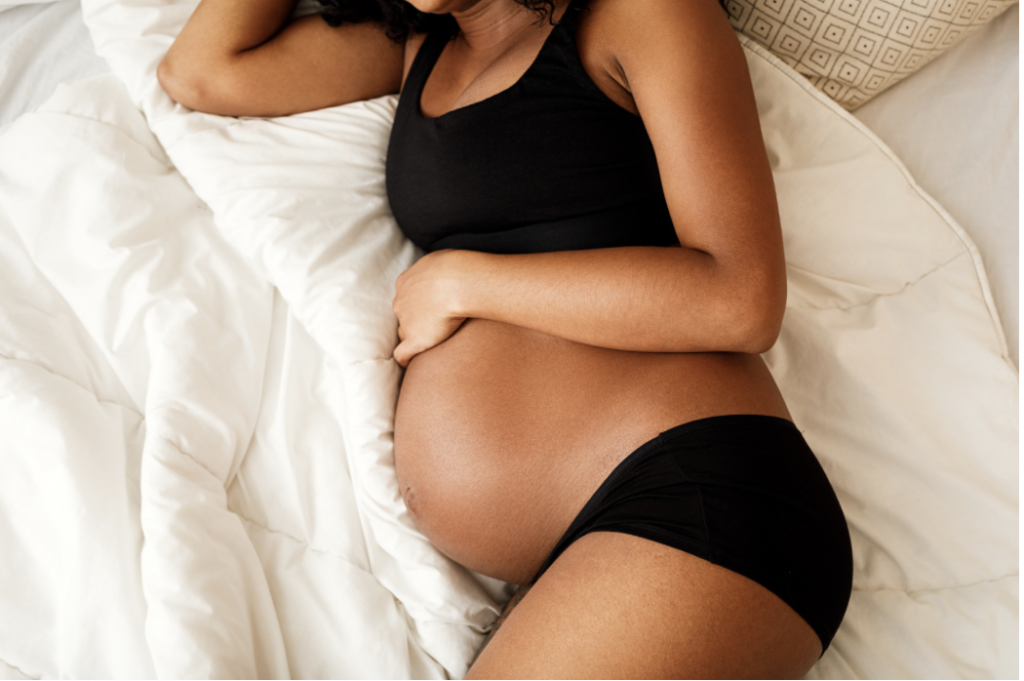
Acupuncture during pregnancy: when to book a session?

pregnancy and acupuncture

Pregnancy is a time of many physical, hormonal and emotional changes. Over the months, some women may experience various discomforts: nausea, fatigue, digestive problems, difficulty sleeping, tension or pain.

Acupuncture during pregnancy may be offered as a complementary approach to support some of these discomforts, always alongside medical and obstetric care.

Why see an acupuncturist during pregnancy?

In Traditional Chinese Medicine, pregnancy is considered a special period that calls for care adapted to each woman and to each stage of pregnancy.

An acupuncture consultation for pregnant women may be considered in particular to support:

  • pregnancy-related nausea and vomiting;
  • some digestive problems and bloating;
  • difficulty sleeping;
  • stress and tension;
  • fatigue;
  • some bodily aches and tension;
  • heavy legs;
  • some discomforts linked to changes in the body.

Care is adapted to how far along the pregnancy is and to your situation.

Acupuncture in the first trimester

The first trimester often brings significant changes: fatigue, nausea, heightened sensitivity, digestive changes or disturbed sleep.

Acupuncture may be considered as a complementary approach to support some of these symptoms.

This period does, however, require particular care. Any unusual pain, bleeding, fever, severe vomiting or worrying symptom should be checked by a doctor or obstetric team.

Acupuncture in the second trimester

The second trimester is often marked by new physical adjustments. The bump grows, posture gradually changes and some tension may appear.

Acupuncture may support some discomforts such as digestive problems, difficulty sleeping, stress or some bodily tension.

Each session is adapted to how the pregnancy is progressing.

Acupuncture in the third trimester

As the due date approaches, the baby’s weight and changes in posture may increase some discomforts: lower back pain, a feeling of heavy legs, sleep problems or fatigue.

Acupuncture may be offered in some situations to support the comfort of the mother-to-be.

In late pregnancy, sessions must remain adapted to the stage of pregnancy and the obstetric context.

Can you have acupuncture while pregnant?

Acupuncture can be practised during pregnancy by a trained professional, with care adapted to this special period.

The points used, the techniques and the indications are chosen according to the stage of pregnancy and the situation of the pregnant woman.

Acupuncture never replaces the care provided by your midwife, your doctor or your maternity unit, however.

If you have any doubt about a symptom during pregnancy, it is always best to seek medical advice before any complementary consultation.

Acupuncture and preparing for birth

Some women also wish to include acupuncture in their preparation for birth.

In this context, support may be considered in the last weeks of pregnancy, depending on the stage of pregnancy and the obstetric context.

The aim is to offer a complementary, personalised approach, without replacing the recommendations of the medical team or the maternity unit.

What happens during an acupuncture session in pregnancy?

The consultation begins with a discussion about your pregnancy, how far along you are, your reason for coming and your general health.

In particular, I take into account your sleep, your digestion, your level of fatigue, your emotional state and any discomforts you are experiencing.

The session is then adapted to your situation and to the stage of your pregnancy.

The aim is to offer you individual support, in a comfortable setting that respects your pregnancy.

Acupuncture and pregnancy in Aix-en-Provence

I offer acupuncture consultations in Aix-en-Provence, with an approach particularly focused on women’s health.

Support can cover different stages of life: menstrual cycle, endometriosis, fertility, pregnancy, postpartum and menopause.

Where relevant, acupuncture can also be combined with an osteopathic approach.

Book an appointment

Are you pregnant and would you like acupuncture support for some of the discomforts linked to your pregnancy?

A first consultation is an opportunity to review your situation and decide whether this complementary approach is suitable.

Acupuncture consultations for pregnant women in Aix-en-Provence.


FAQ: acupuncture and pregnancy

Can you have acupuncture while pregnant?

Yes, acupuncture can be offered during pregnancy with care adapted to the stage of pregnancy and to each woman’s situation. It complements medical and obstetric care.

When should you start acupuncture during pregnancy?

There is no single right time to start. A consultation may be considered depending on the reason and the needs of the mother-to-be, taking into account the stage and context of the pregnancy.

Can acupuncture help with pregnancy nausea?

Acupuncture may be considered as a complementary approach to support nausea and some digestive discomforts of pregnancy. In the event of severe vomiting or dehydration, medical advice is necessary.

Can you have acupuncture in the first trimester?

Care may be considered from the first trimester, with precautions and adaptation to the context of the pregnancy. If there is any unusual or worrying symptom, medical care remains the priority.

Can acupuncture support pain during pregnancy?

It may be offered as a complementary approach for some tension or pain, after taking the context of the pregnancy into account. Any severe or unusual pain must be assessed by a doctor.

Can acupuncture help prepare for birth?

Some women choose to include acupuncture in their preparation for birth. This approach must remain a complement to the care provided by the midwife, the doctor and the maternity unit.

Can you have acupuncture after giving birth?

Yes, acupuncture may also be considered during the postpartum period to support some discomforts and this time of transition.

Where can I have acupuncture during pregnancy in Aix-en-Provence?

I offer acupuncture consultations in Aix-en-Provence, with a specialised approach to supporting women’s health and the different stages of reproductive life.

Acupuncture: what are the reasons to consult?

acupuncture Aix-en-Provence sleep

Are you wondering why have acupuncture, in which situations it may be worthwhile, or what acupuncture can support? Rooted in Traditional Chinese Medicine, acupuncture offers a holistic approach that considers the person as a whole.

It can be used on its own or alongside medical care, depending on the reason for the visit and each person’s needs.

What is acupuncture?

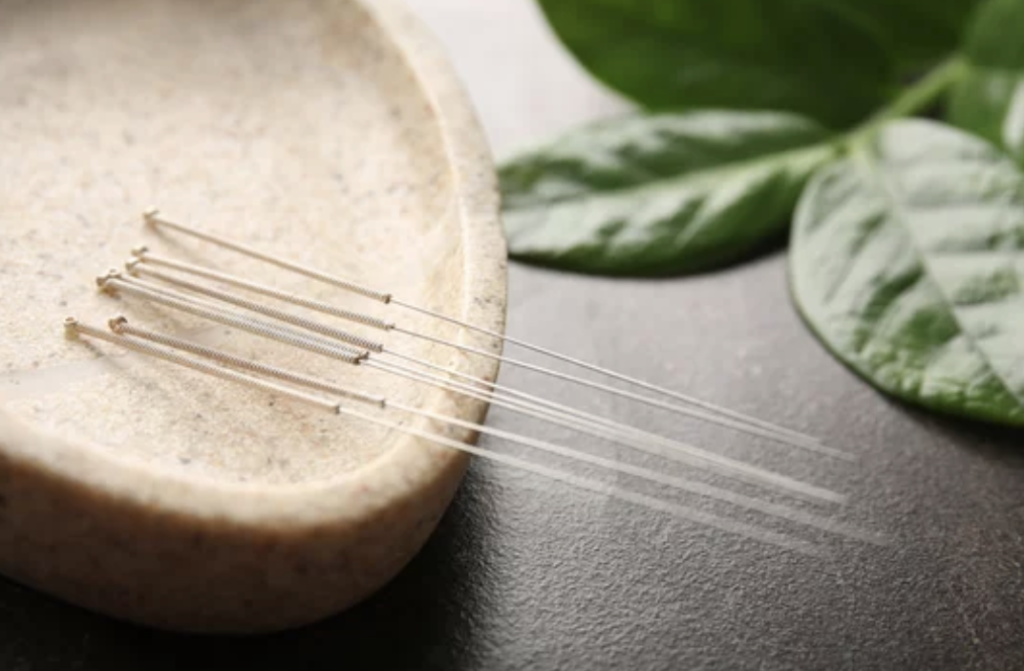
Acupuncture is a Traditional Chinese Medicine practice that involves stimulating specific points on the body, in particular with fine needles.

Traditional Chinese Medicine views the body as a whole in which the different functions are interdependent. During a consultation, the aim is therefore to look not only at the symptom, but also at the general context in which it appears.

A session begins with a conversation to better understand your request, your general health, your sleep, your digestion, your stress levels and, where relevant, your menstrual cycle.

The treatment is then tailored to you.

Why have acupuncture?

There are many reasons to consult. Some people come for a specific problem, while others would like support during a particular period of their life.

Acupuncture may be considered in particular to support:

It is important to remember that acupuncture does not replace a medical diagnosis or treatment when these are needed.

Acupuncture and stress

Stress can show itself in different ways: physical tension, difficulty falling asleep, fatigue, a feeling of not recovering enough, or digestive discomfort.

Acupuncture may be offered as a complementary approach during periods of stress or overload.

The session is also a chance to take some time for yourself and to receive holistic care, adapted to each person’s situation.

Acupuncture and sleep

Sleep difficulties can take different forms: trouble falling asleep, waking in the night or unrefreshing sleep.

In Traditional Chinese Medicine, sleep is taken into account in the overall assessment of the person.

An acupuncture consultation may therefore be considered to support sleep problems, particularly when they arise in a context of stress, fatigue or hormonal changes.

In the case of persistent or severe insomnia, it is also advisable to look for a possible medical cause with a healthcare professional.

Acupuncture and women’s health

Women’s health holds an important place in my practice.

Acupuncture and Traditional Chinese Medicine can support different stages of a woman’s life:

The menstrual cycle

Some women consult for period pain, premenstrual syndrome or various discomforts associated with the cycle.

Acupuncture can then be part of a holistic approach to care.

Endometriosis

Endometriosis can have a significant impact on quality of life.

Acupuncture can be used as a complementary approach to support certain symptoms, in particular pain or fatigue.

It does not make endometriosis lesions disappear and does not replace gynaecological follow-up.

Fertility and assisted reproduction

Some women would also like acupuncture support during a fertility journey or assisted reproduction (ART).

In this context, the aim is to offer complementary support, in coordination with the medical pathway and the professionals overseeing it.

Pregnancy and postpartum

Pregnancy brings many physical and emotional changes.

Acupuncture may be considered in certain situations during pregnancy, with care adapted to the stage of pregnancy and to each woman’s situation.

After the birth, it can also support the postpartum period.

What are the benefits of acupuncture?

People often search online for “acupuncture benefits” or “does acupuncture work?”.

The answer depends a great deal on the reason for the visit and on the person.

Acupuncture has been studied for many indications, with levels of evidence that vary from one condition to another. It should therefore not be presented as a universal solution.

Its value may lie in particular in an individualised and complementary approach, especially when several factors contribute to a discomfort.

The aim of a consultation is above all to understand your situation and to offer appropriate support.

What does acupuncture treat?

People often ask: “What does acupuncture treat?”

It is more accurate to talk about what acupuncture can support, because it does not replace medical treatment and should not be presented as able to cure every illness.

It can in particular be part of the support for certain types of pain, stress, sleep problems, certain functional disorders and various issues related to women’s health.

If symptoms are new, severe or persistent, medical advice is essential.

What happens during an acupuncture session?

The first part of the consultation is devoted to conversation.

I ask about the reason for your visit, but also about different aspects of your daily life: sleep, digestion, diet, stress levels, menstrual cycle where relevant, medical history and how your symptoms have changed.

This approach gives a more complete picture of your situation.

The acupuncture session is then adapted to your needs. The needles used are very fine and the points are stimulated in line with hygiene and safety rules.

The length and frequency of sessions depend on the reason for the visit and on your progress.

Acupuncture or osteopathy: which approach should you choose?

Acupuncture and osteopathy are two different approaches.

Osteopathy looks in particular at the mobility of the body’s different structures and at the tensions that may contribute to certain discomforts.

Acupuncture belongs to the approach of Traditional Chinese Medicine and uses the stimulation of specific points on the body.

In some cases, the two approaches can complement each other. The choice depends on the reason for your visit and on your needs.

Why consult for acupuncture in Aix-en-Provence?

If you are looking for acupuncture in Aix-en-Provence, I offer consultations with a personalised approach in Traditional Chinese Medicine.

My practice focuses particularly on women’s health, with support available around the menstrual cycle, endometriosis, fertility, pregnancy, the postpartum period and menopause.

Acupuncture can also be offered to support stress, sleep, certain types of pain and various functional disorders.

Each consultation is adapted to the person and their situation.

Book an appointment

Would you like to know whether acupuncture may suit your situation?

A first consultation is an opportunity to review your request and determine the most appropriate approach.

Acupuncture and Traditional Chinese Medicine consultations in Aix-en-Provence.


FAQ: Acupuncture

Does acupuncture work?

The effectiveness of acupuncture varies with the reason for the visit. The scientific data are more or less favourable depending on the indication. It can be used as a complementary approach and does not replace necessary medical treatment.

Does acupuncture hurt?

The needles used in acupuncture are very fine. The sensation varies from person to person and with the points stimulated. Some people feel a slight sensation when the needle is inserted.

How many acupuncture sessions are needed?

There is no number of sessions that is the same for everyone. The frequency depends on the reason for the visit, how long the problem has been present and the progress observed from one session to the next.

Can acupuncture be used for stress?

Yes, acupuncture may be offered as a complementary approach during periods of stress or tension, particularly when these come with sleep difficulties or other discomforts.

Can you have acupuncture during pregnancy?

Acupuncture may be considered in certain situations during pregnancy, with appropriately adapted care. It never replaces medical, obstetric or midwife follow-up.

Can acupuncture support endometriosis?

Yes, it can be used as a complementary approach to support certain symptoms of endometriosis, in particular pain. It does not treat the lesions and does not replace gynaecological follow-up.

Where can you have acupuncture in Aix-en-Provence?

I offer acupuncture and Traditional Chinese Medicine consultations in Aix-en-Provence, with an approach focused particularly on women’s health.

Acupuncture and breech babies: when to do it and how does it work?

Pregnant woman receiving an acupuncture session to help her breech baby turn naturally with moxibustion on point BL67

When a baby is in the breech position at the end of pregnancy, many mothers-to-be look for natural solutions to encourage it to turn by itself. Acupuncture is a method that may help to reposition the baby the right way round, alongside the care of your midwife or doctor. Let’s look at when and how this approach works.

What is a breech baby?

A breech baby is positioned head up with its bottom down in the uterus, instead of the head-down position recommended for vaginal birth . This presentation affects about 3 to 4% of full-term pregnancies and can complicate birth.

When should acupuncture be done for a breech baby?

Acupuncture and moxibustion are ideally carried out between the 32nd and 36th weeks of pregnancy. This is when the baby still has enough room to turn. After the 36th week, space becomes more limited, making turning more difficult, although some babies can still change position later.

How does acupuncture work to turn a breech baby?

Acupuncture uses the stimulation of specific points to encourage the baby to turn. The most common technique is moxibustion, which involves warming the point Bladder 67 (BL67) , located on the little toe. This heat stimulation may improve blood circulation in the uterus and encourage the baby to move.

The effects of moxibustion and acupuncture

  • Relaxation of the uterus : may reduce muscle tension and allow the baby to move more freely.
  • Increased foetal activity : some studies suggest an increase in the baby’s movements after a session.
  • Better blood circulation : may promote a more comfortable environment for the baby.

How effective is acupuncture for a breech baby?

Some studies suggest that moxibustion and acupuncture may increase the chances of the baby turning. This approach is non-invasive and can be offered alongside medical care, without replacing external cephalic version (ECV) carried out by doctors.

What happens during an acupuncture session for a breech baby?

An acupuncture consultation begins with an overall assessment of the mother-to-be. Then:

  1. The acupuncturist stimulates specific points on the legs and feet.
  2. Moxibustion is applied to point BL67.
  3. Advice is given on doing moxibustion at home.

The protocol recommends one acupuncture session combined with daily stimulation of point BL67 for 7 to 10 days.

Are there any contraindications?

Acupuncture is a gentle method, but some situations require a medical consultation before considering it:

  • High-risk pregnancy (placenta praevia, pre-eclampsia, etc.)
  • History of premature birth
  • Foetal malformation

Conclusion

Acupuncture and moxibustion are natural methods that may help to encourage a breech baby to turn. Carried out between the 32nd and 36th weeks of pregnancy, they offer a gentle complement to medical care, with a view to a vaginal birth. Feel free to consult a specialised acupuncturist for personalised support!

Pregnancy and Acupuncture

pregnancy and acupuncture

pregnancy and acupuncture

The benefits of acupuncture during pregnancy: a natural ally for mothers-to-be

Pregnancy is a unique time, marked by physical, hormonal and emotional changes. While this journey is often a source of joy, it can also come with discomforts such as nausea, back pain or stress. Fortunately, natural approaches such as acupuncture can offer valuable relief to mothers-to-be.

What is acupuncture?

Acupuncture is a practice that comes from Traditional Chinese Medicine. It involves stimulating specific points on the body with fine needles to restore energy balance and promote health. It is the subject of extensive research and is now widely used as part of pregnancy care.

The benefits of acupuncture during pregnancy

1. Relieving nausea and vomiting

Morning sickness affects around 80% of pregnant women, according to a study published in JAMA in 2020. Some studies suggest that acupuncture may help to reduce these symptoms. A meta-analysis of 27 randomised clinical trials (2019) observed that acupuncture might reduce the frequency and severity of nausea by stimulating points such as PC6 (the Nei Guan point).

2. Reducing lower back and pelvic pain

According to a study published in BMJ Open (2018), nearly 50% of pregnant women suffer from back or pelvic pain. Some studies suggest that acupuncture may help to reduce this pain by improving blood circulation and releasing endorphins.

3. Relieving migraines and headaches

Hormonal fluctuations during pregnancy can lead to migraines or headaches. A study published in Headache (2021) observed that acupuncture might reduce the frequency of migraines by 30% to 50% by targeting specific points.

4. Managing constipation and digestive problems

Hormonal changes and the pressure of the uterus on the digestive organs can cause constipation, bloating or acid reflux. A 2020 study published in Complementary Therapies in Medicine observed that acupuncture might improve bowel movements in pregnant women, with a 40% reduction in symptoms after 4 sessions.

5. Reducing oedema and water retention

Oedema (swelling) is common during the third trimester, particularly in the feet and legs. Some studies suggest that pregnant women who received acupuncture sessions noticed a reduction in oedema and an improvement in their comfort.

6. Easing ligament pain

Ligament pain, caused by the ligaments stretching to support the growing uterus, is common. Acupuncture may help to release muscle and ligament tension and to reduce discomfort.

7. Relieving muscle cramps

Cramps, especially at night, affect many pregnant women. A study published in the Journal of Obstetric and Gynecologic Research (2023) observed that acupuncture might reduce the frequency and intensity of cramps by stimulating points linked to circulation and muscle function.

8. Managing carpal tunnel syndrome

Numbness and pain in the wrists, characteristic of carpal tunnel syndrome, are common during pregnancy. A study in Pain Medicine (2019) observed that acupuncture might reduce symptoms by 50% after 6 sessions, by reducing inflammation and improving circulation.

9. Relieving restless legs syndrome (RLS)

Restless legs syndrome, which is common in pregnant women, often disrupts sleep. A study published in 2022 in Frontiers in Neurology observed a 60% improvement in symptoms in patients treated with acupuncture.

10. Boosting energy and reducing fatigue

Fatigue, particularly in the first and third trimesters, is a common symptom. Acupuncture works by rebalancing the body’s energies and may help to increase energy levels, as some studies on Traditional Chinese Medicine suggest.

11. Preparing the body for birth

Acupuncture can be valuable support in preparing the body for birth. Regular sessions from the 36th week of pregnancy may help to prepare the body for birth, alongside the midwife or doctor following the pregnancy.

Is it safe?

Acupuncture is considered safe when it is performed by a qualified and experienced professional. It is essential to consult an acupuncturist trained in supporting pregnant women to ensure appropriate care. Certain precautions, such as avoiding certain points that may trigger contractions (such as those located on the lower back), are strictly observed.

Why choose acupuncture during pregnancy?

Acupuncture can be offered alongside medical care, in liaison with the midwife or doctor, which is particularly important during pregnancy. It may help to improve the quality of life of mothers-to-be, and side effects are uncommon and usually mild when performed by a trained practitioner.

Conclusion

Acupuncture is a valuable ally for a calmer and more comfortable pregnancy. If you are pregnant and looking for natural ways to relieve your ailments, do not hesitate to consult a qualified professional. With its gentle and holistic approach, acupuncture could well become your best ally throughout this wonderful journey.

Morning sickness and Acupuncture

Pregnant woman with morning sickness

Are you pregnant and suffering from morning sickness that is spoiling your pregnancy? Acupuncture may help to relieve it, and some people notice an improvement from the first few sessions.

The nausea and vomiting that appear early in pregnancy are known as morning sickness. They often appear between the 6th and 16th weeks of pregnancy. They become more intense between weeks 8 and 12 of pregnancy. While the symptoms can sometimes reassure some women, they can also affect quality of life and prevent proper eating.

50% of women may vomit and more than 80% of pregnant women experience nausea. Eating less is not an effective way to treat morning sickness, especially if vomiting is the main symptom. Vomiting can lead to dehydration, which affects the pregnant woman as well as the foetus.

While morning sickness is linked to hormonal changes (beta hCG levels, oestrogen…), stress, fatigue and other emotional factors can also play a role. If the pregnant woman has significant symptoms, whether physical or psychological, it is important to seek medical advice.

Acupuncture as support for morning sickness

If morning sickness needs to be treated, acupuncture can be offered alongside medical care, in liaison with the doctor or midwife. During pregnancy, its side effects are uncommon and usually mild when performed by a trained practitioner. Some studies suggest that it may help to reduce nausea and vomiting.

During early pregnancy, major changes take place in the body, and acupuncture can relieve symptoms at the energy level.

If symptoms are significant, it is always best to book an appointment with your doctor first.