The average time to diagnosis is estimated at 6 to 7 years.
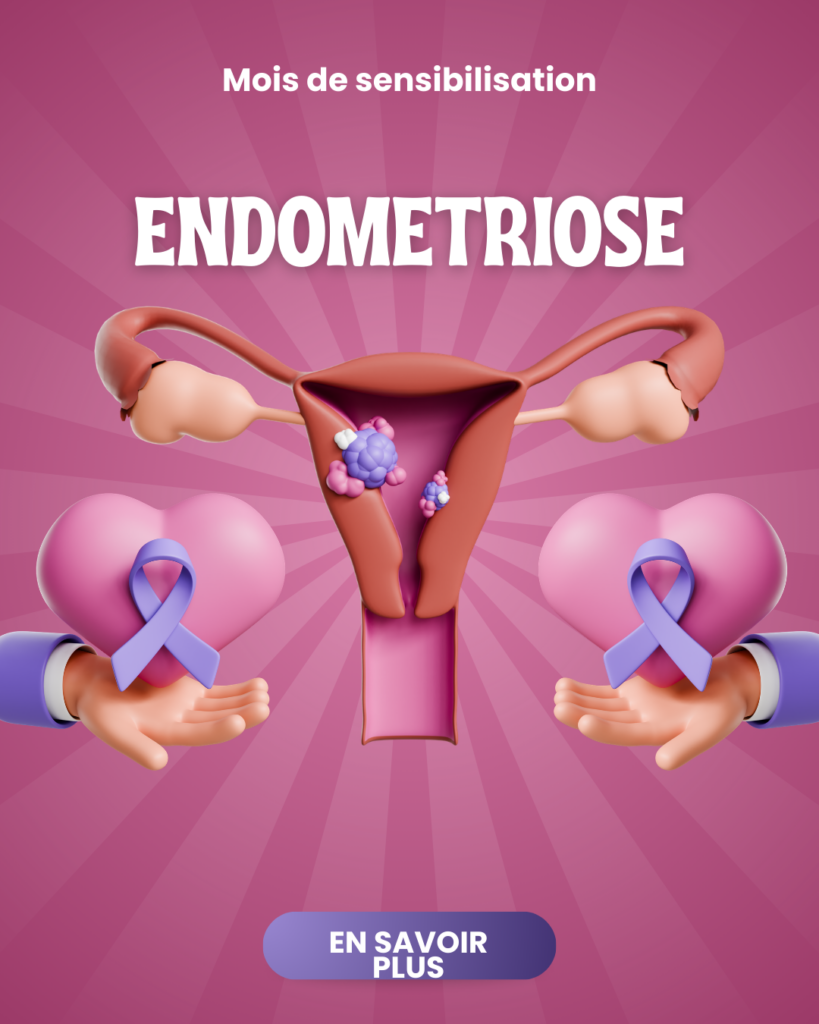
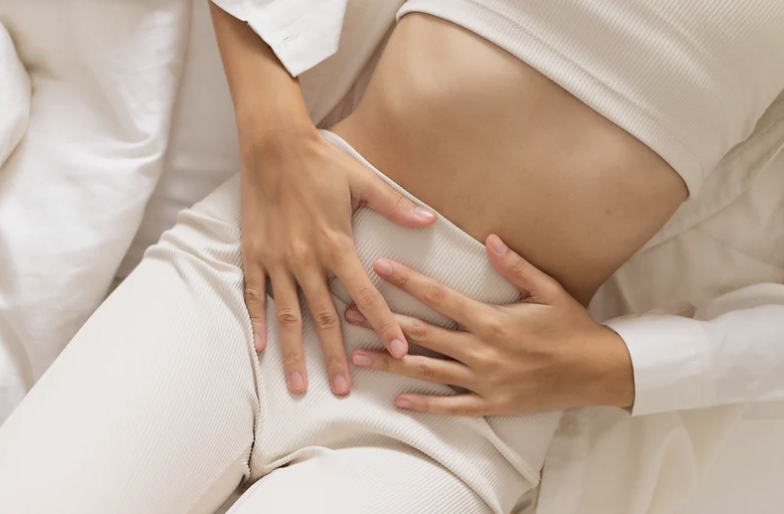
Endometriosis is a chronic, hormone-dependent inflammatory disease. It requires holistic care.
Why is the pain so intense?
Endometriosis pain is based on several mechanisms:
Chronic inflammation
The lesions maintain a permanent inflammatory state.
Hormonal imbalance
Relative excess of oestrogen and resistance to progesterone.
Central sensitisation
The nervous system becomes hypersensitive when pain persists.
This is why some women continue to be in pain even when imaging shows little.
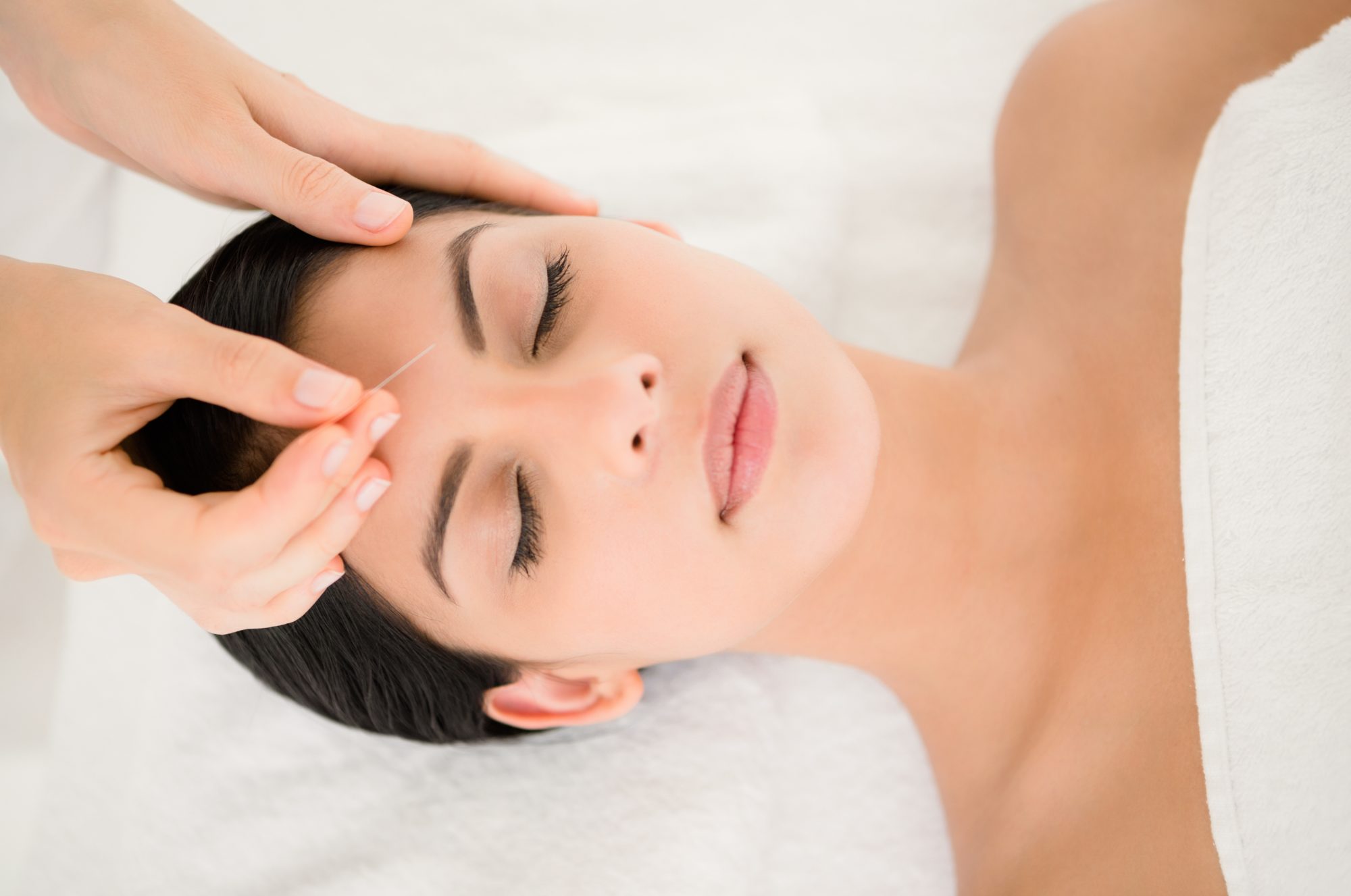
Acupuncture and endometriosis in Aix-en-Provence: what are the benefits?
Acupuncture may work on several levels:
✔️ Reduced inflammation
Modulation of inflammatory mediators.
✔️ Hormonal regulation
Support for the oestrogen / progesterone balance.
✔️ Calming the nervous system
Reduced sympathetic overactivation.
✔️ Improved pelvic circulation
Reduced congestion.
Acupuncture is always used as a complement to medical follow-up (gynaecologist, imaging, treatment if necessary).
Acupuncture and fertility with endometriosis
Endometriosis can affect:
The pelvic inflammatory environment
Egg quality
Embryo implantation
Holistic support can help fertility alongside specialist follow-up.
FAQ: endometriosis and acupuncture in Aix-en-Provence
Does acupuncture cure endometriosis? No. It may help reduce symptoms and improve quality of life.
How many sessions are needed? It depends on the individual constitution, the intensity of the pain and the goals (pain, fertility, hormonal regulation).
Is it compatible with hormone treatment? Yes. Acupuncture is complementary.
Consultation in Aix-en-Provence
At the practice in Aix-en-Provence, support includes:
When trying for a baby, attention is often focused on hormones, ovulation, ovarian reserve or the quality of the semen analysis.
But one essential element is still too often overlooked: chronic stress.
Yet fertility does not depend only on the ovaries or the testes. It rests on a subtle balance between the hormonal system, the nervous system and blood circulation.
In this article, we will look at why stress can affect fertility and, above all, how to address it effectively.
How does stress affect fertility?
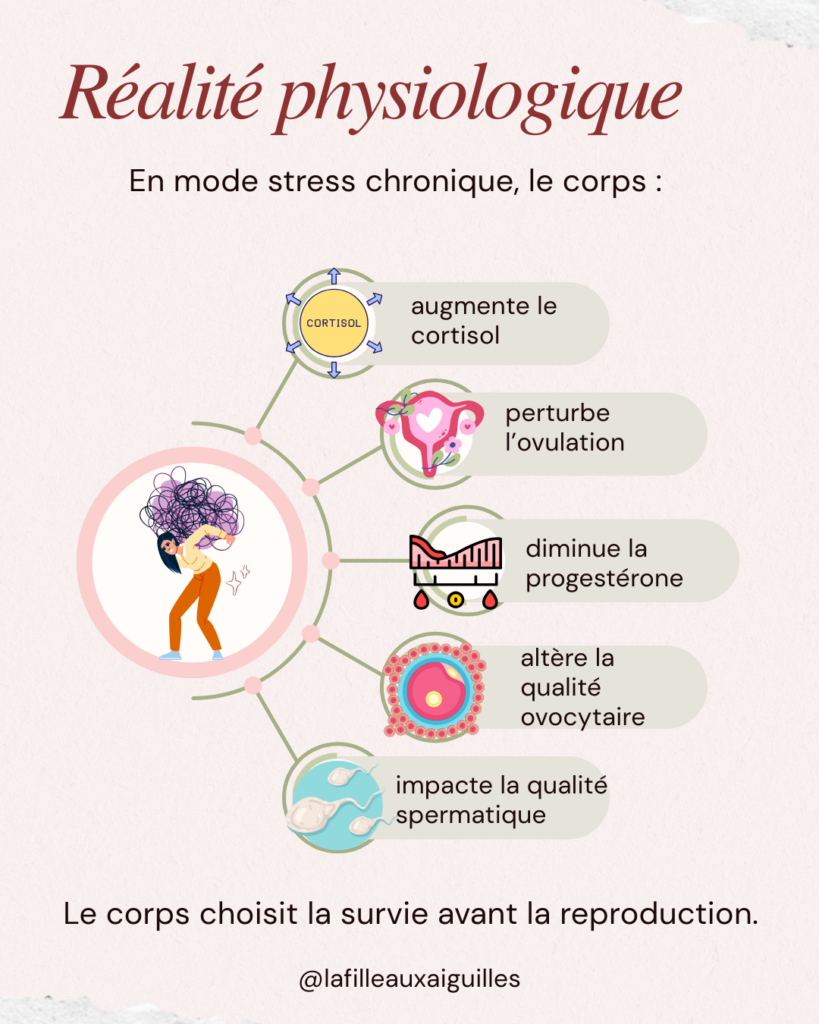
When stress becomes chronic, the body permanently activates the hypothalamic-pituitary-adrenal axis, which is responsible for producing cortisol.
This mechanism is useful in a one-off situation. But in the long term, it can disrupt reproductive balance.
In women
Excess cortisol can:
Disrupt communication between the brain and the ovaries
Delay or block ovulation
Reduce progesterone production
Worsen premenstrual syndrome
Alter the quality of the luteal phase
Affect the blood supply to the uterus
When the body perceives a state of alert, it does not prioritise reproduction.
In men
Chronic stress can also:
Impair sperm quality
Reduce sperm motility
Influence sperm DNA fragmentation
Male fertility is also sensitive to emotional and nervous state.
Why is stress underestimated during assisted reproduction or when trying for a baby?
Because it is often played down.
People frequently hear: “You just need to relax.”
But without practical support, this instruction can make people feel guilty.
The stress of the medical journey, the waiting times, the tests or repeated failures is real. It deserves specific care.
Acupuncture and fertility: support for the nervous and hormonal systems
Acupuncture is now used alongside natural conception or assisted reproduction (ART).
In particular, it may act on:
The regulation of the autonomic nervous system
Lowering cortisol
Improving blood circulation to the uterus
The oestrogen / progesterone balance
Egg quality
Several studies suggest that acupuncture is of interest in supporting fertility problems, notably by reducing stress and improving the uterine environment.
As part of a holistic approach, it may help the body gradually leave “hypervigilance” mode, to encourage conditions more favourable to conception.
The value of osteopathy when trying for a baby
Osteopathy complements this care by working on:
Tension in the pelvis
Uterine mobility
The diaphragm (a key area for regulating stress)
Pelvic circulation
A more mobile pelvis and better circulation may support reproductive function.
Complementary techniques: breathing and yoga
Deep breathing and some yoga practices activate the parasympathetic system, which is responsible for rest and recovery.
They help to:
Improve heart rate variability
Reduce nervous overactivation
Regulate emotions better
Improve sleep quality
This work on the nervous system is often a major lever when trying for a baby takes a long time or is emotionally intense.
Fertility: a holistic and personalised view
Fertility is not only a biological question. It is an overall balance.
Hormones, circulation, nervous system, emotional state: everything is interconnected.
Addressing stress does not mean that “it is all psychological”. It means supporting the physiological terrain as a whole.
Are you trying for a baby in Aix-en-Provence or Cadenet?
I offer personalised support in acupuncture and osteopathy, adapted to your cycle and your situation (natural conception or assisted reproduction), in liaison with your doctor or medical team.
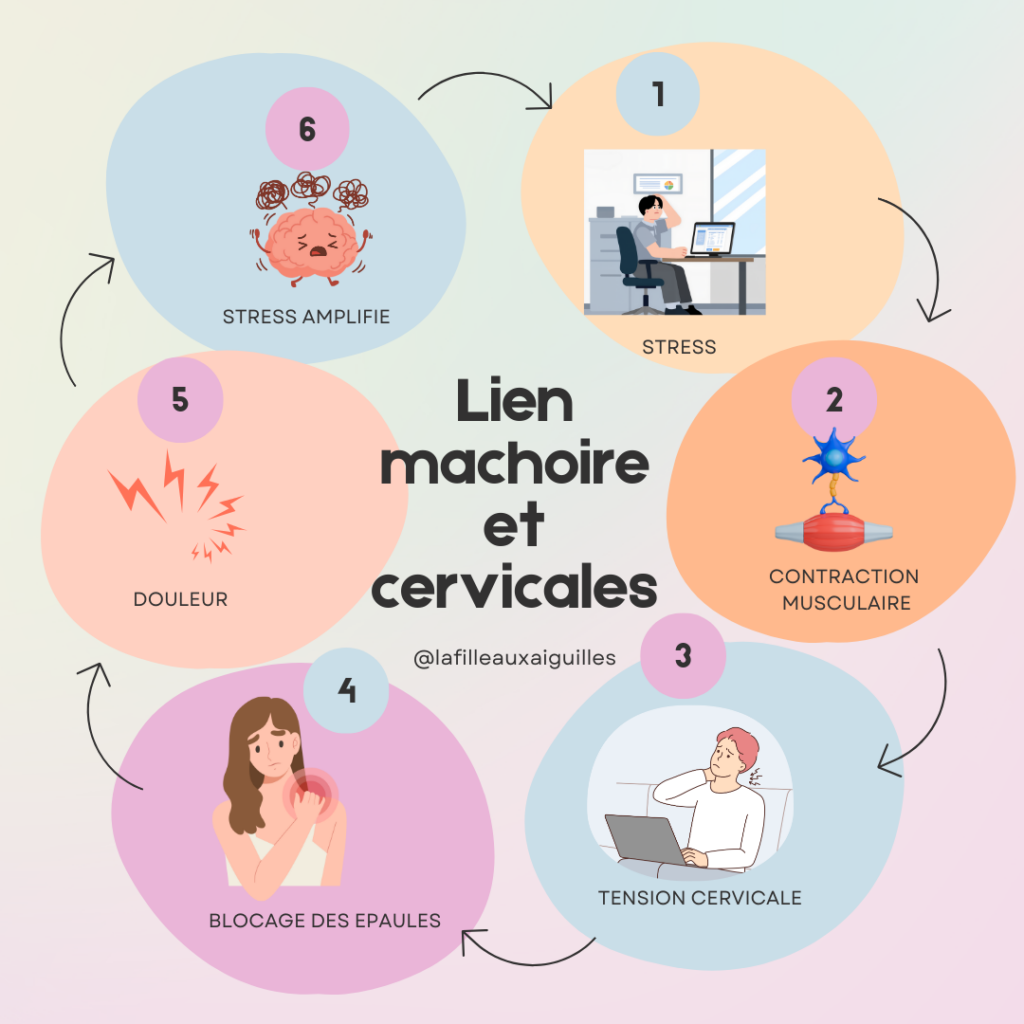
Do you often have a stiff neck? Migraines at the end of the day or when you wake up in the morning? The feeling that you clench your teeth without realising it?
These symptoms are often linked. What do they have in common? Stress and the jaw.
In Aix-en-Provence, more and more patients come in for chronic neck pain… which actually originates in the temporomandibular joint (TMJ).
A natural approach to improving lymphatic circulation
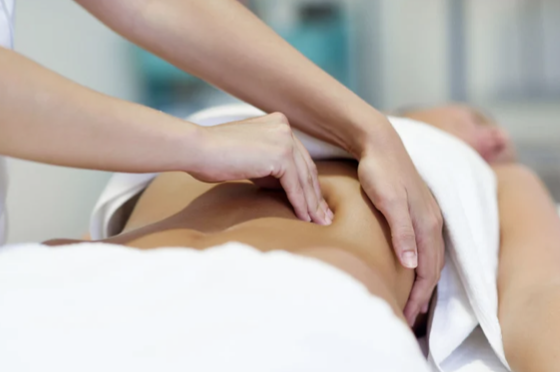
Water retention, heavy legs, swelling or a feeling of congestion in the body are frequent reasons for consulting in osteopathy, particularly among women. At my osteopathy practices in Aix-en-Provence and Cadenet, I regularly see patients who are unsure whether to choose lymphatic drainage or osteopathy.
So what is the best way to get lymphatic circulation going again in a lasting way?
Lymphatic drainage: what is it for?
Lymphatic drainage is a gentle manual technique designed to stimulate the circulation of lymph. Lymph plays an essential role in:
Osteopathy: a holistic action on lymphatic circulation
In osteopathy, we do not simply stimulate the lymph locally. The aim is to treat the mechanical causes that prevent it from circulating properly.
During a session at my osteopathy practice in Aix-en-Provence or Cadenet, the work may focus on:
the diaphragm, the main driver of lymphatic drainage
the pelvis and hips, essential for lymphatic return from the legs
the spine
the fasciae, which govern the circulation of fluids
By restoring mobility to the body, osteopathy can encourage natural lymphatic drainage, which may last longer over time.
Lymphatic drainage or osteopathy: do you have to choose?
This is a frequent question in consultations.
👉 Lymphatic drainage acts directly on the lymph. 👉 Osteopathy acts on the body as a whole so that the lymph can circulate freely.
Some people find that osteopathy:
prolongs the effects of drainage
reduces the recurrence of symptoms
improves recovery and the feeling of lightness
The two approaches are complementary, but osteopathy allows for personalised, holistic care.
Why see an osteopath in Aix-en-Provence or Cadenet for lymphatic problems?
Osteopathy is particularly suited to cases of:
chronic heavy legs
water retention
circulation problems
premenstrual syndrome with swelling
persistent fatigue
difficult recovery after sport
Each session is adapted to your body, your lifestyle and your symptoms.
👉 The aim is not to “force drainage”, but to free the body so that it works better on its own.
FAQ – Lymphatic drainage and osteopathy
Can osteopathy replace lymphatic drainage?
In some cases, yes. Some people notice a lasting improvement when osteopathy acts on the mechanical causes of sluggish lymphatic flow. For other patients, it complements manual lymphatic drainage.
How many osteopathy sessions are needed?
It depends on how long you have had the symptoms and on your constitution. Some people notice an improvement in lymphatic circulation after 1 to 3 sessions.
Can osteopathy help with heavy legs?
It may be worthwhile, particularly when heavy legs are linked to:
poor mobility of the pelvis
abdominal tension
a diaphragm with little mobility
a hormonal or stress-related context
Are there any contraindications to lymphatic drainage and osteopathy?
Yes, and it is essential to respect them.
Lymphatic drainage (manual or osteopathic) is contraindicated or requires medical advice in cases of:
an ongoing acute infection
recent phlebitis or thrombosis
active, unstabilised cancer
uncontrolled heart failure
severe kidney failure
fever
In osteopathy, a full case history is always taken in order to adapt the care and refer you to a doctor if necessary.
Can I have a consultation during pregnancy?
Yes, osteopathy can be worthwhile during pregnancy for circulation and heavy legs, in liaison with the midwife or doctor, provided the care is adapted and contraindicated techniques are avoided.
Conclusion
The link between lymphatic drainage and osteopathy is clear: when the body regains its mobility, the lymph circulates again.
If you suffer from water retention, heavy legs or circulation problems, an osteopathy consultation in Aix-en-Provence or Cadenet may help you regain lasting lightness and comfort.
👉 Seeing an osteopath means acting on the cause, not only on the symptom.
Many people suffering from pelvic pain, endometriosis or period pain also report jaw tension, bruxism or temporomandibular pain. Coincidence? Not really. Research and clinical practice suggest that there are functional, nervous and emotional links between the pelvis and the jaw.
👉 Understanding this link makes it possible to approach pain more holistically… and sometimes more appropriately.
The link between the pelvis and the jaw: a little-known connection
1. The key role of the nervous system
The pelvic floor and the jaw are strongly influenced by the autonomic nervous system.
In situations of stress, chronic pain or trauma, the body adopts a protective response, also called bracing:
unconscious clenching of the jaw
tension in the diaphragm
pelvic floor hypertonia
👉 This co-contraction is common in people suffering from:
In conditions such as endometriosis or chronic gynaecological pain, the nervous system can become hypersensitive.
This is known as central sensitisation:
the brain amplifies pain signals
several areas of the body can become painful at the same time
tension appears at a distance, particularly in the jaw and neck
👉 This is not inflammation that “travels”, but neuromuscular and fascial communication between different regions of the body.
3. The role of emotions and trauma
Emotional trauma (chronic stress, anxiety, repeated pain, invasive medical experiences) has a profound influence on the body.
It can lead to:
permanent hypervigilance
involuntary contraction of key areas: jaw, diaphragm, perineum
difficulty letting go, even at rest
👉 The body keeps the memory of stress, and pain can become long-lasting.
4. The influence of hormones
Hormonal fluctuations also play an important role.
Oestrogens are involved in:
pain modulation
tissue flexibility
regulating inflammation
During periods of low oestrogen (PMS, postpartum, perimenopause, menopause), we often observe:
an increase in pelvic pain
more jaw tension
more migraines or bruxism
Natural approaches to release the jaw and the pelvis
🌿 Acupuncture
Acupuncture is a useful complementary approach, alongside medical care, to:
calm the nervous system
reduce muscle hypertonia
reduce the perception of pain
In practice, certain points are frequently used to act at the same time on:
jaw tension
pelvic pain
stress and hormonal imbalances
🌿 Myofascial work and manual therapies
The body works in muscular and fascial chains.
✔️ Releasing the jaw can improve hip mobility ✔️ Working on the pelvis can reduce neck and jaw tension
Useful approaches:
myofascial therapies
osteopathy
physiotherapy specialising in the perineum
🌿 Breathing and stress regulation
Diaphragmatic breathing is a simple and powerful tool:
it calms the nervous system
it helps relax the diaphragm and the perineum
it reduces jaw tension
👉 Breathing slowly through the nose, letting the belly relax, can already reduce everyday tension.
Should you release the jaw to relieve pelvic pain?
✔️ Yes, in many cases, especially when the pain is chronic and linked to stress ❌ No, it is not a miracle solution on its own
👉 It is one key among others, which makes full sense within a holistic approach that takes in:
the body
the nervous system
emotions
the hormonal cycle
Conclusion
Jaw tension and pelvic pain are often two expressions of the same neuromuscular and emotional imbalance. By working on relaxing the jaw, the pelvis and the nervous system, it is possible to improve comfort and quality of life over the long term.
👉 A holistic, personalised approach remains essential, particularly in cases of endometriosis or chronic gynaecological pain.
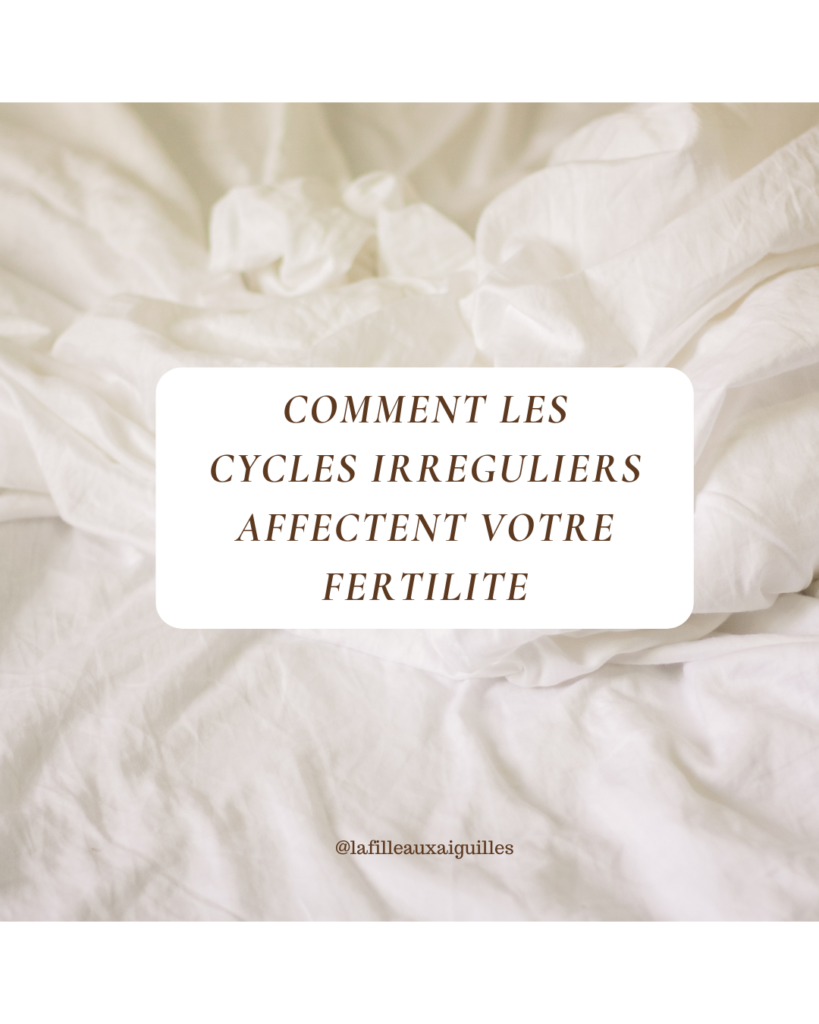
Irregular menstrual cycles are common and can affect many women at different times in their lives. As well as making periods unpredictable, they can also have a direct impact on fertility. Fortunately, there are natural solutions to help the body regain its hormonal balance and support a more regular cycle.
What is an irregular menstrual cycle?
A cycle is considered irregular when its length varies greatly from one month to the next, when it is too short (less than 21 days) or too long (more than 35 days), or when ovulation is absent or unpredictable. This can show up as:
unpredictable periods
very long or very short cycles
no periods for several months
difficulty identifying ovulation
These irregularities are often a sign that the hormonal system is disrupted.
Irregular cycles and fertility: what is the link?
For a pregnancy to occur, ovulation needs to be regular and of good quality. When ovulation is irregular or absent, it becomes more difficult to:
identify the fertile days
plan a conception
ensure optimal hormone production (oestrogen, progesterone)
An irregular cycle does not mean infertility, but it can slow down or complicate plans for a pregnancy.
Hypothyroidism or hyperthyroidism can disrupt the menstrual cycle and affect fertility.
Hormonal imbalances
Excess oestrogen, progesterone deficiency or insulin resistance can disturb the regularity of the cycle.
Lifestyle
Lack of sleep, an unbalanced diet, overtraining or large changes in weight also play a key role.
How can you rebalance your cycle naturally?
Acupuncture
Acupuncture is a natural approach whose action on hormonal regulation has been the subject of studies with encouraging but still limited results. It may help to:
support ovulation
improve cycle regularity
reduce stress and cortisol levels
encourage better blood circulation to the reproductive organs
It is often part of natural fertility programmes or used alongside medical follow-up.
Nutrition
A suitable diet helps stabilise blood sugar and support hormone production. It is recommended to favour:
good-quality protein
healthy fats (omega-3)
fibre
fewer fast-release sugars
Some micronutrients such as zinc, magnesium and B vitamins are essential to the balance of the cycle.
Lifestyle adjustments
Simple changes can have a significant impact:
improving sleep quality
reducing chronic stress
adapting physical activity to the cycle
respecting the body’s natural rhythms
These adjustments help gradually bring the cycle back into rhythm.
Regaining a more regular cycle to support fertility
Irregular cycles are a signal sent by the body. By taking an overall approach (acupuncture, nutrition and lifestyle), it is possible to create more favourable conditions for regular ovulation and fertility.
As every woman is unique, personalised support makes it possible to identify the causes of the imbalances and act in depth.
Looking for natural support?
If you would like to rebalance your cycle and support your fertility naturally, personalised support through acupuncture and well-being can help you regain a more harmonious cycle.
A tendinitis is a common reason for consultation, among athletes as well as active or sedentary people. Persistent pain, loss of mobility, discomfort at work or during sport… once it sets in, it can become very disabling.
In our acupuncture practices in Aix-en-Provence and Cadenet, we regularly support patients suffering from acute or chronic tendinitis, with a holistic, natural and personalised approach.
Supporting tendinitis with acupuncture: why consult in Aix-en-Provence or Cadenet?
Acupuncture is the subject of extensive research in the management of musculoskeletal pain, including tendinitis.
It may help to:
relieve pain
reduce inflammation
improve local blood circulation
speed up the recovery of the tendon
prevent recurrences
👉 It may be of interest to patients looking for a complement to medical follow-up.
Acute tendinitis: prompt care with acupuncture
Acute tendinitis usually appears after excessive effort, a repetitive movement or an overly intense return to sport. It shows up as recent pain, often sharp, sometimes accompanied by swelling.
Acupuncture and acute tendinitis in Aix-en-Provence / Cadenet
In this case, acupuncture may be particularly worth considering, alongside medical follow-up.
Aims of treatment:
calm the inflammation
relieve pain quickly
encourage the tendon to heal
👉 Some people notice an improvement from the first sessions.
Chronic tendinitis: helping to relieve pain
Tendinitis is described as chronic when the pain has persisted for more than 3 months. At this stage, the tendon is often weakened, less well supplied with blood and subject to postural compensations.
Acupuncture for chronic tendinitis in Aix-en-Provence and Cadenet
Acupuncture may help to:
restart the microcirculation
make the tissues more supple
reduce persistent pain
act on the underlying terrain (stress, fatigue, recovery)
👉 Treatment is gradual and requires several sessions, and some people notice a lasting improvement when it is followed properly.
Location of the tendinitis: a key factor in treatment
Tendinitis in the body of the tendon (middle section)
When the pain is located in the middle of the tendon, treatment is generally quicker.
Common examples treated at the practice:
shoulder tendinitis (rotator cuff)
Achilles tendinitis (central portion)
patellar tendinitis
wrist tendinitis
👉 Acupuncture may help to relieve pain and support tissue repair.
Insertional tendinitis (close to the bone): a more complex form
Tendinitis located where the tendon inserts into the bone, also called enthesopathy, takes longer to treat.
Common examples:
epicondylitis (tennis elbow)
plantar fasciitis
insertional Achilles tendinitis
lower patellar tendinitis
👉 These forms require:
more gradual care
regular acupuncture follow-up
a holistic approach to the body
Acupuncture may nevertheless help to reduce pain, improve mobility and support the regeneration of the tendon.
How does an acupuncture session for tendinitis work?
In our acupuncture practices in Aix-en-Provence and Cadenet, all care is personalised.
The session includes:
a precise assessment of the pain and how long it has been present
a postural and functional analysis
treatment with local and distal acupuncture
tailored advice (rest, recovery, stretching)
👉 The aim is to treat the tendinitis and also its cause.
How many acupuncture sessions are needed?
Acute tendinitis: 1 to 4 sessions
Chronic tendinitis: 5 to 10 sessions
Insertional tendinitis: gradual follow-up depending on progress
Results depend on how long the problem has been present, its location and the patient’s involvement.
Why see an acupuncturist in Aix-en-Provence or Cadenet for tendinitis?
✔️ A natural approach ✔️ Help with pain relief ✔️ Personalised treatment ✔️ Holistic care of the body ✔️ Help in preventing recurrences
👉 Acupuncture may be of interest to patients suffering from recurrent tendinitis, as a complement to conventional treatment.
Acupuncture for tendinitis in Aix-en-Provence and Cadenet: conclusion
Whether the tendinitis is acute or chronic, in the body of the tendon or close to the bone, acupuncture may be a worthwhile natural approach to help relieve pain and improve recovery.
At our practices for acupuncture in Aix-en-Provence and Cadenet, we offer care tailored to each patient, with a holistic approach that respects the body.
👉 The earlier the consultation, the better the results may be.
In Traditional Chinese Medicine (TCM), the feet play a fundamental role in the energetic balance of the body. Much more than a simple matter of comfort, keeping your feet warm is essential to preserve vital energy (Qi) and to support circulation, hormonal balance and general well-being.
This article explains why the feet are so important in TCM, what effects the cold has on the body, and how to adopt simple habits to protect your health day to day.
The feet in Chinese medicine: a key energy zone
In TCM, the feet are the starting and end point of several essential meridians, notably those of the Kidneys, Liver and Spleen. These organs are directly involved in:
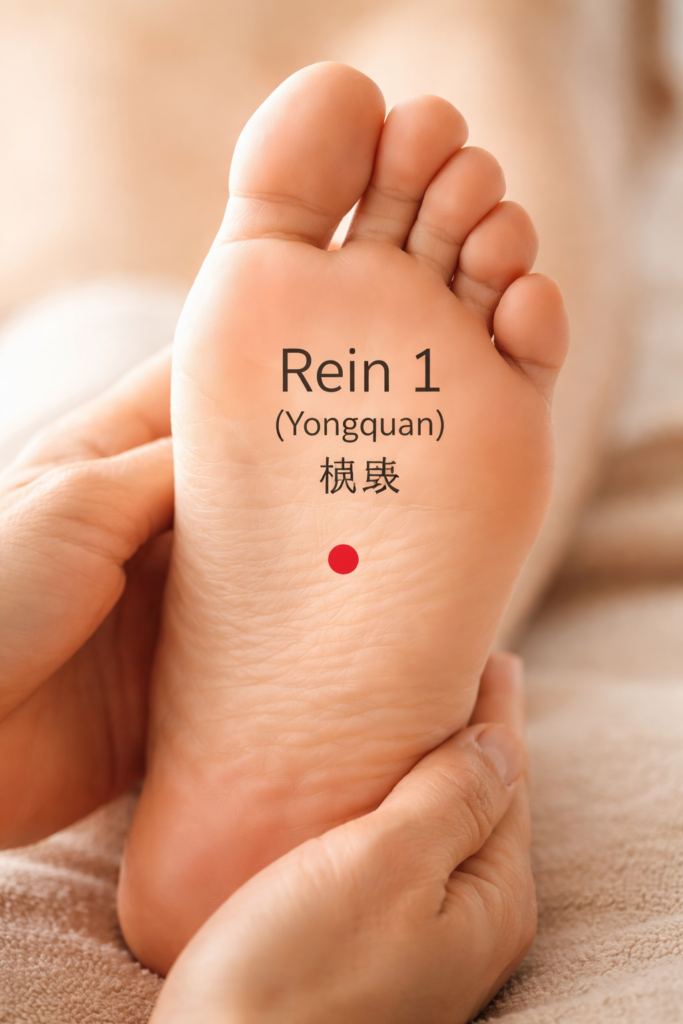
The Kidney meridian, in particular, begins on the sole of the foot (point Kidney 1, Yong Quan). The Kidneys are considered the root of Yang, that is, of the body’s warmth and energy.
Cold: a pathogenic factor in TCM
In Chinese medicine, cold is an external pathogenic factor. When it enters the body (notably through the feet), it can:
slow down blood circulation
block the circulation of energy
cause pain
weaken Kidney Yang
Chronically cold feet can therefore contribute to:
Keeping your feet warm helps to support blood circulation to the pelvis, improve the energy supply to the reproductive organs and encourage a more harmonious cycle.
The impact of cold feet on digestion and energy
The Spleen, a key organ of digestion in TCM, is sensitive to cold. When the feet are cold:
digestion becomes slower
bloating may appear
overall energy decreases
a feeling of heaviness may set in
Warming the feet helps to support the Spleen, improve the absorption of nutrients and regain more stable energy day to day.
Why keeping your feet warm relieves pain
Cold contracts. In TCM, this means that it blocks the free flow of Qi and Blood, which encourages pain.
Keeping your feet nice and warm helps to:
relax the tissues
improve circulation
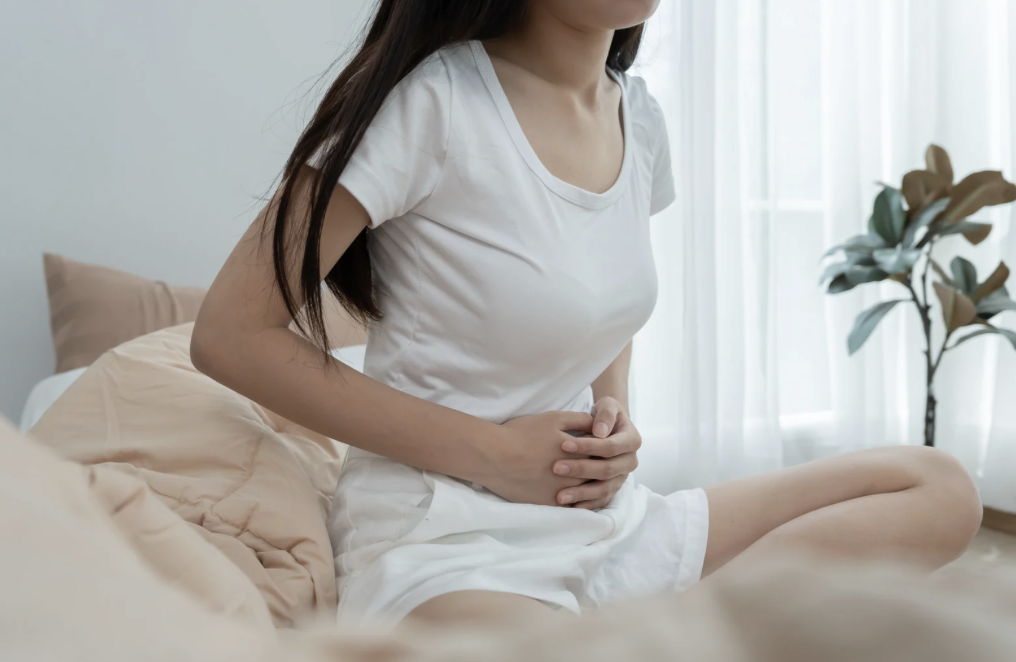
reduce menstrual pain
ease tension in the lower back and legs
This is why women prone to period pain or pelvic pain often feel real relief when they protect their feet from the cold.
How to keep your feet warm naturally
Here is some simple advice inspired by Chinese medicine:
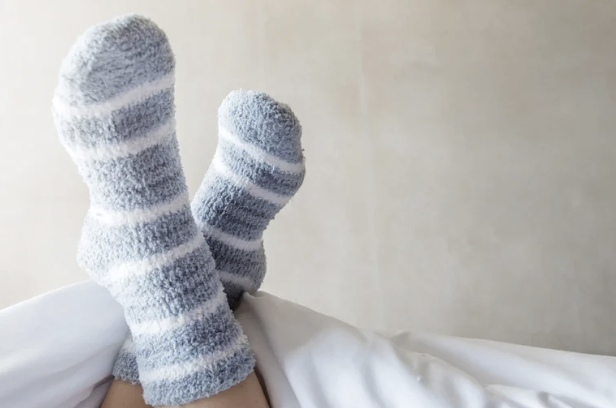
🧦 Wear warm socks
Choose natural materials such as wool or cotton, especially in the evening and in winter.
🥿 Avoid walking barefoot
Even at home, a cold floor makes it easier for cold to enter through the feet.
♨️ Take foot baths
Hot foot baths are widely used in TCM. You can add:
fresh ginger
mugwort
or simply very hot water
10 to 15 minutes is enough to get the circulation going again.
👖 Cover your ankles
The ankles are a sensitive area where cold enters easily.
Acupuncture and cold feet
Acupuncture may be helpful for:
warming Kidney Yang
improving circulation
reducing pain linked to cold
supporting hormonal balance
Specific points can be used to warm the body deeply, especially in people with chronically cold feet.
Conclusion
In Traditional Chinese Medicine, keeping your feet warm is a genuine act of preventive health care. This simple habit helps to protect vital energy, support circulation, improve digestion and encourage hormonal balance.
Whether to reduce fatigue, relieve menstrual pain or support your overall well-being, thinking of your feet is an essential reflex.
👉 For personalised support, acupuncture can help you restore energetic balance and ease the feeling of cold feet.
Gastro-oesophageal reflux disease (GORD) affects nearly 20 to 30% of adults in Western countries. Heartburn, acid reflux, chronic cough, a feeling of a lump in the throat… these symptoms can become very disabling in daily life.
While medication (PPIs, antacids) often brings temporary relief, it does not always treat the cause of the problem and can lead to side effects in the long term. 👉 Acupuncture is now emerging as a complementary natural approach that may help relieve GORD, alongside medical care.
What is gastro-oesophageal reflux?
GORD is an abnormal backflow of acidic stomach contents into the oesophagus, linked to:
The digestive system is closely linked to the nervous system. Chronic stress leads to:
gastric hyperacidity
diaphragm tension
disruption of the vagus nerve
slower digestion
👉 Acupuncture aims to act on these autonomic mechanisms.
How does acupuncture act on gastro-oesophageal reflux?
1. Regulating stomach acidity
Acupuncture may help to reduce hyperacidity by acting on the neuro-hormonal regulation of the stomach.
2. Improving digestive motility
It encourages:
better gastric emptying
less food stagnation
less bloating
3. Relaxing the diaphragm
The diaphragm plays a key role in GORD. Acupuncture helps to reduce diaphragm tension, which is often increased by stress and posture.
4. Action on stress and the nervous system
Lower cortisol
Activation of the parasympathetic system
Better sleep
👉 Less stress = less reflux.
The Chinese medicine approach: GORD explained differently
In Traditional Chinese Medicine, reflux is often linked to:
rebellious Stomach Qi
Liver stagnation (emotional stress)
Spleen weakness (slow digestion)
an accumulation of Heat or Damp
Acupuncture aims to rebalance these disorders, and not simply to mask the symptoms.
What does science say about acupuncture and GORD?
📊 Studies and scientific data
A meta-analysis published in the World Journal of Gastroenterology suggests that acupuncture may improve GORD symptoms compared with standard treatments alone.
Some studies suggest a reduction in the frequency and intensity of heartburn.
Some studies suggest that acupuncture combined with PPIs may be more helpful than PPIs alone, with fewer relapses.
👉 The results are particularly interesting in patients with functional or drug-resistant GORD.
How many acupuncture sessions are needed?
As a guide:
3 to 5 sessions to assess a first improvement
6 to 10 sessions to consolidate the effects observed
The frequency is adapted according to:
how long the reflux has been present
the intensity of the symptoms
the level of stress
lifestyle
Can acupuncture replace medication?
👉 No, it is used alongside medical care and it can:
support a gradual reduction in PPIs decided with your doctor
improve quality of life
prevent relapses
act on the underlying causes of reflux
Any change to treatment must be made in agreement with your doctor.
Additional tips to make acupuncture more effective
Avoid late meals
Eat smaller, more frequent meals
Cut down on coffee, alcohol, fatty and spicy foods
Raise the head of the bed
Manage stress (breathing, cardiac coherence)
Adapt your diet to your digestive constitution
Acupuncture and gastro-oesophageal reflux: who is this approach for?
Acupuncture may be offered, alongside medical care, if you suffer from:
chronic reflux
stress-related reflux
functional GORD
reflux that does not respond to conventional treatment
side effects from medication
In summary
✔️ Acupuncture is a natural, complementary approach that may help relieve gastro-oesophageal reflux ✔️ It acts on acidity, digestion, stress and the nervous system ✔️ It offers holistic care for GORD
👉 If you suffer from acid reflux, acupuncture can be a relevant complement to medical care.
Book an appointment on Doctolib in Aix-en-Provence or Cadenet
Manage Cookie Consent
To provide the best experiences, we use technologies like cookies to store and/or access device information. Consenting to these technologies will allow us to process data such as browsing behaviour or unique IDs on this site. Not consenting or withdrawing consent may adversely affect certain features and functions.
Functional Always active
Le stockage ou l’accès technique est strictement nécessaire dans la finalité d’intérêt légitime de permettre l’utilisation d’un service spécifique explicitement demandé par l’abonné ou l’internaute, ou dans le seul but d’effectuer la transmission d’une communication sur un réseau de communications électroniques.
Preferences
The technical storage or access is necessary for the legitimate purpose of storing preferences that are not requested by the subscriber or user.
Statistics
Le stockage ou l’accès technique qui est utilisé exclusivement à des fins statistiques.The technical storage or access that is used exclusively for anonymous statistical purposes. Without a subpoena, voluntary compliance on the part of your Internet Service Provider, or additional records from a third party, information stored or retrieved for this purpose alone cannot usually be used to identify you.
Marketing
The technical storage or access is required to create user profiles to send advertising, or to track the user on a website or across several websites for similar marketing purposes.