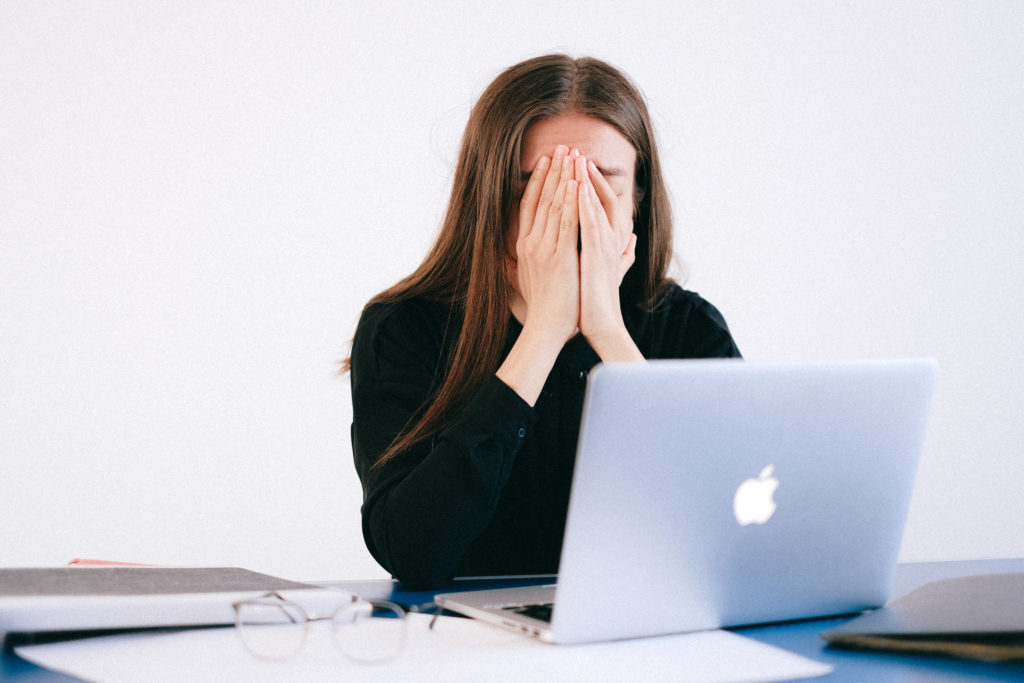
There are different types of fatigue: temporary, chronic or extreme. First of all, you need to see your doctor to rule out any medical condition.
Difficulty getting up in the morning and a lack of drive are common symptoms to take into account for your well-being.
There is also physical fatigue, occurring after a chronic illness. The lost energy must therefore be recovered through rest, restorative sleep and a suitable diet. Sleep disorders are common and can include, for example, difficulty falling asleep, waking once or several times, or waking too early…
Stress or overwork linked to professional, sporting or household activities can also be factors.
Finally, there is mental or psychological fatigue, also known as neurasthenia. This can be caused by emotional conflicts, worries, sadness, depression, etc.
Chinese medicine makes it possible to look for the energy imbalance at the root of the symptoms. A few acupuncture sessions can overcome this type of asthenia.
Certain associated symptoms are looked for, such as: cramps, bloating, tinnitus, loss or lack of appetite, dark circles, anaemia, potassium deficiency, liver problems, imbalance in certain hormones, fever, diarrhoea, leg pain.
As a former migraine sufferer, I managed to get rid of my migraines with natural care. I was on beta blockers and another neurological medication, but nothing worked.
Today I support patients suffering from migraines. Some patients had had migraines for more than 20 years.
For migraines or headaches, the first treatment offered is unfortunately still anti-migraine medication. However, some studies suggest that medications for migraines (paracetamol, Lamaline, beta blockers, ibuprofen) may be effective only for a short time. And they can have long-term side effects.
Often, for headaches or migraines, we ask patients to keep a diary or to change their lifestyle. Some therapies, such as relaxation and cognitive behavioural therapy, can improve them.
Taking coenzyme Q10 is reported to significantly reduce the frequency of migraines. Magnesium is reported to be effective in teenage girls who suffer from migraines during menstruation (catamenial migraines).
As for homeopathy, no reliable study shows whether or not it is effective on migraines, in the short or long term, for this chronic condition.
acupuncture and migraine
Acupuncture and the management of migraines
There are a great many studies on acupuncture and migraines. Some studies suggest that acupuncture may have an effect comparable to that of medication. Its side effects are uncommon and usually mild when performed by a trained practitioner. Other studies suggest that a course of acupuncture sessions may have an effect close to that of beta blockers. Of course, it is the patient’s choice to opt for such support, alongside medical care.
Acupuncture may help relieve and/or prevent migraines with or without aura, thanks to its pain-relieving effect. Some study data suggest a change in brain biochemistry linked to migraines after acupuncture treatment. It may contribute to a reduction in the frequency of attacks as well as a decrease in the intensity of pain.
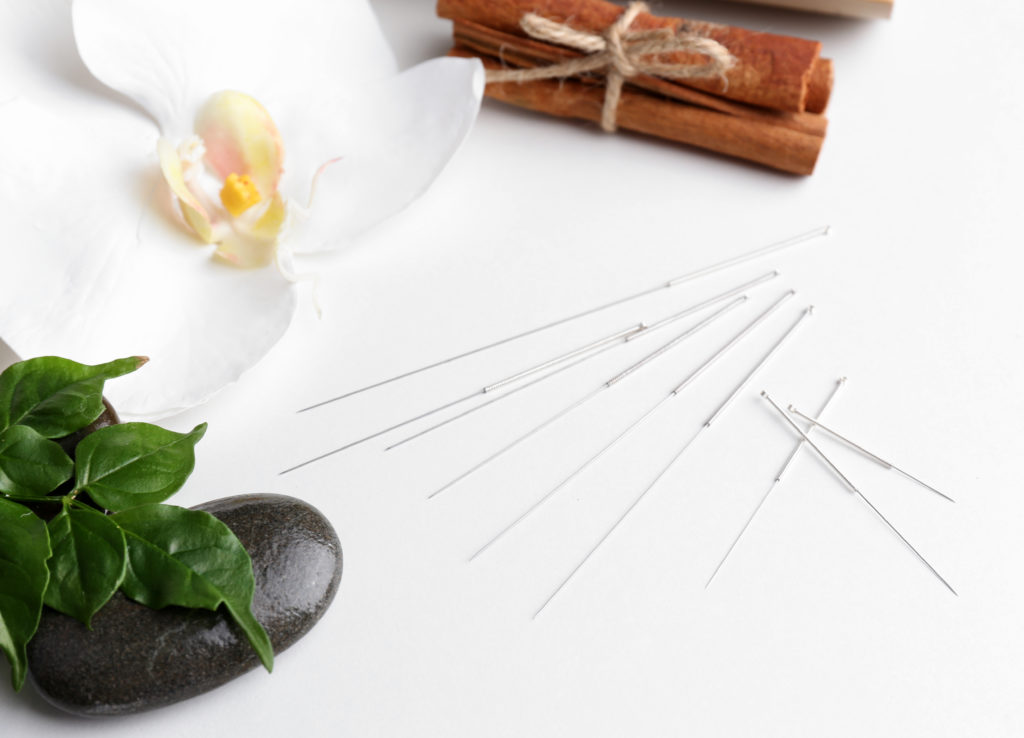
During treatment, sterile single-use needles are inserted into acupuncture points along the meridians. The treatment is painless.
Acupuncture has also been the subject of studies with encouraging but still limited results for tension headaches, back pain (neck pain) and shoulder pain. Acupuncture may therefore be worthwhile alongside medical care.
migraine and osteopathy
Osteopathy: an appealing method for managing migraines
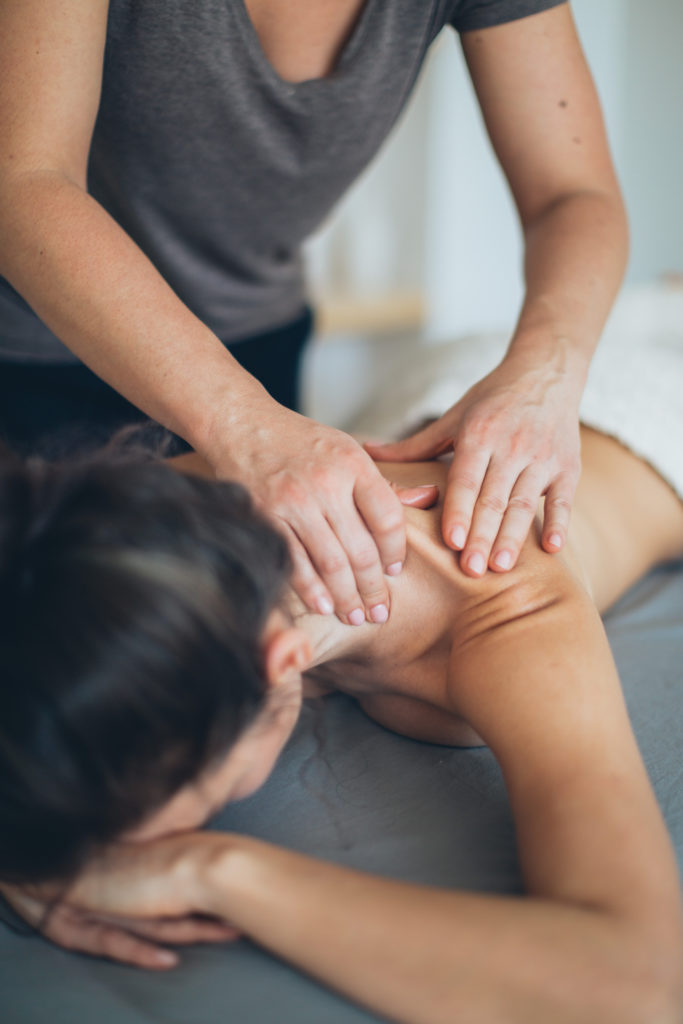
Osteopathy is also of interest for occipital (Arnold’s) neuralgia, tension headaches, ophthalmic migraines and migraines during menstruation. Other symptoms and clinical signs are explored, such as vomiting, nausea, abdominal pain (liver, spleen, stomach), high blood pressure, eyesight problems (unsuitable glasses), migraines that come on at night, on waking in the morning or in the evening, dizziness, allergy, diarrhoea, back pain, chronic illness, hormones, sinusitis, stress, and tension in the jaw. The causes are many. Osteopathy and/or acupuncture seek to identify the cause(s) in order to support patients with migraines, which are often disabling. Massage of the head, neck and shoulders may reduce tension headaches, for example. Indeed, there are different causes of migraines: eyesight problems, high blood pressure, digestive origin, cervical origin, heat, cold, fatigue.
At my practice I offer osteopathy or acupuncture, or I can combine both in the same session.
Chinese medicine can restore radiance and youthfulness to the face through various techniques, including acupuncture.
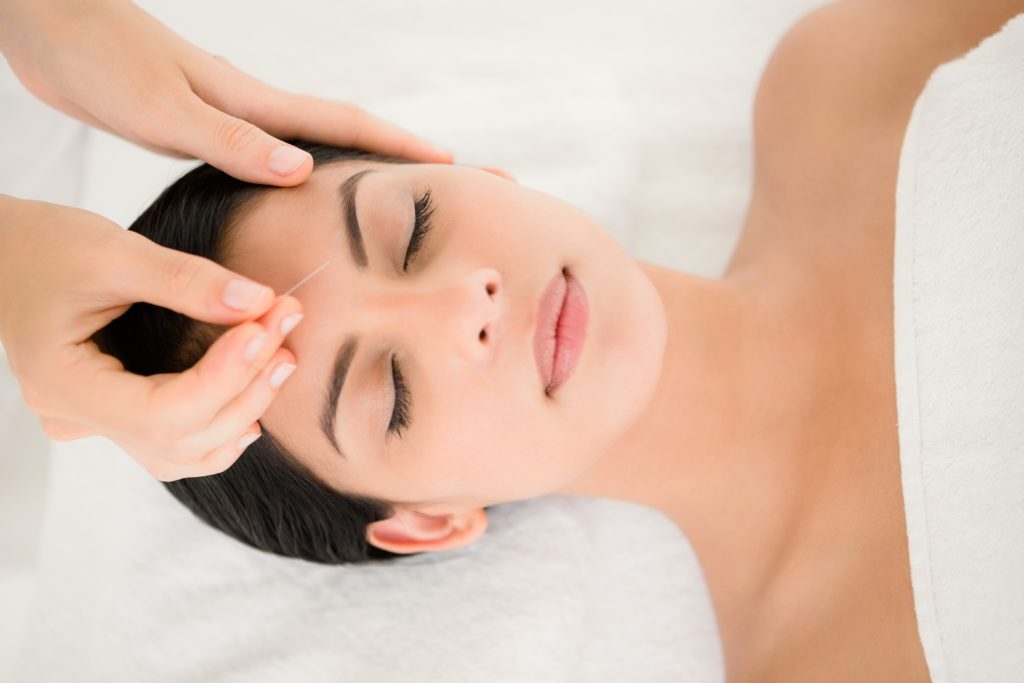
Facial acupuncture, also called acupuncture facelift, anti-ageing acupuncture, or cosmetic acupuncture.
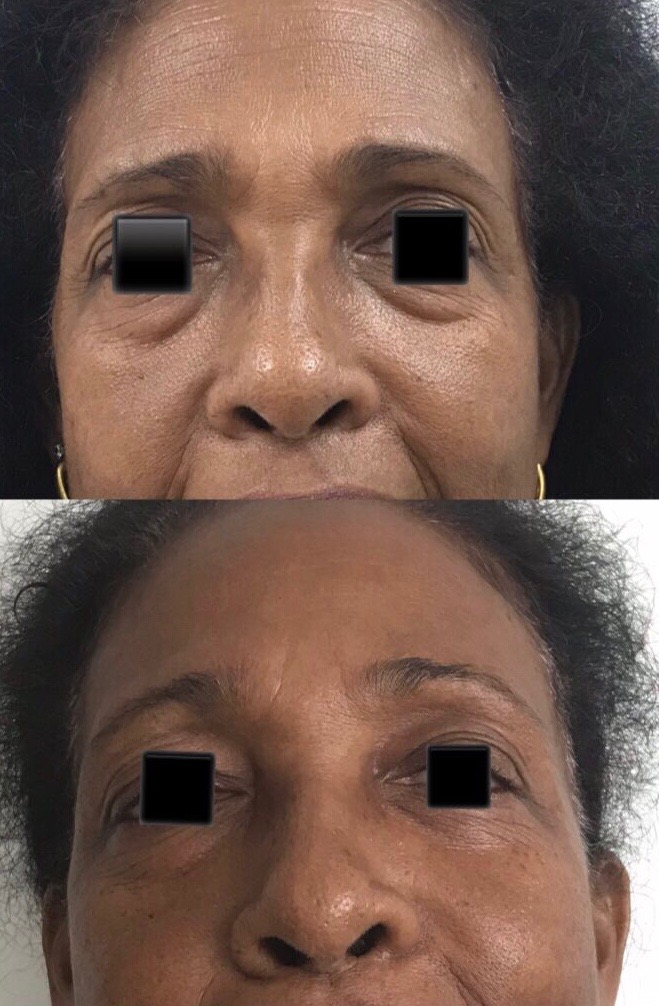
Through an assessment, facial acupuncture makes it possible to determine the origin of wrinkles, sagging features, brown spots, depigmentation, and bags and dark circles under the eyes.
bags under the eyes after two sessions.
Sessions consist of a treatment on acupuncture points on the face, but also on the body, such as acupuncture points on the hand or the legs.
Certain meridians are treated, such as the liver, the stomach or the bladder, in order to restore the balance of yin and yang.
Advice on herbal medicine and diet gives a better result and makes it last longer.
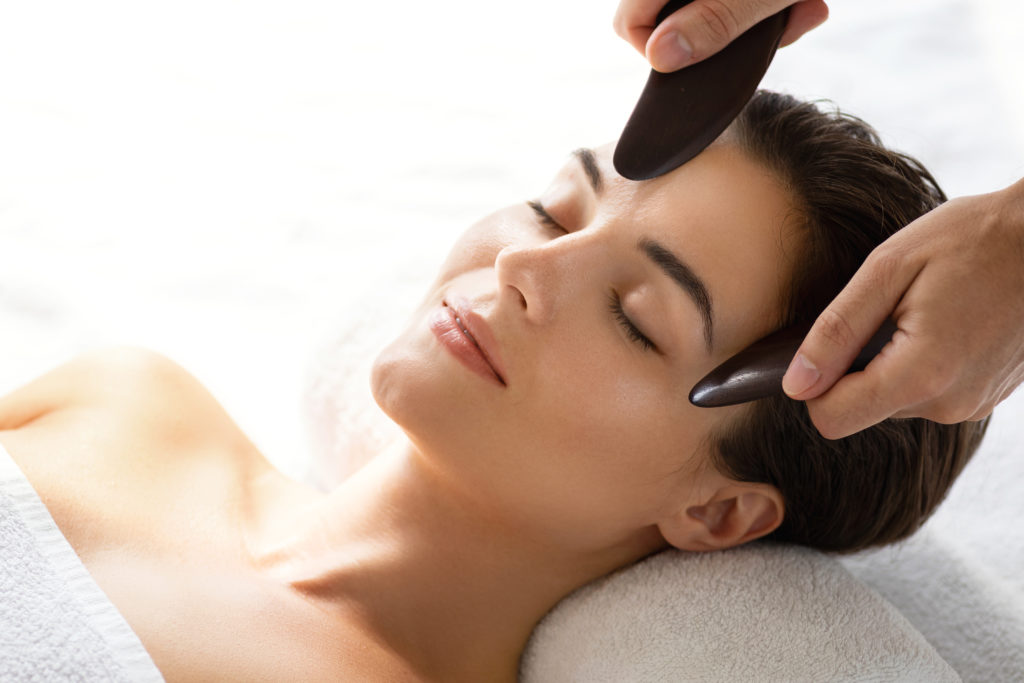
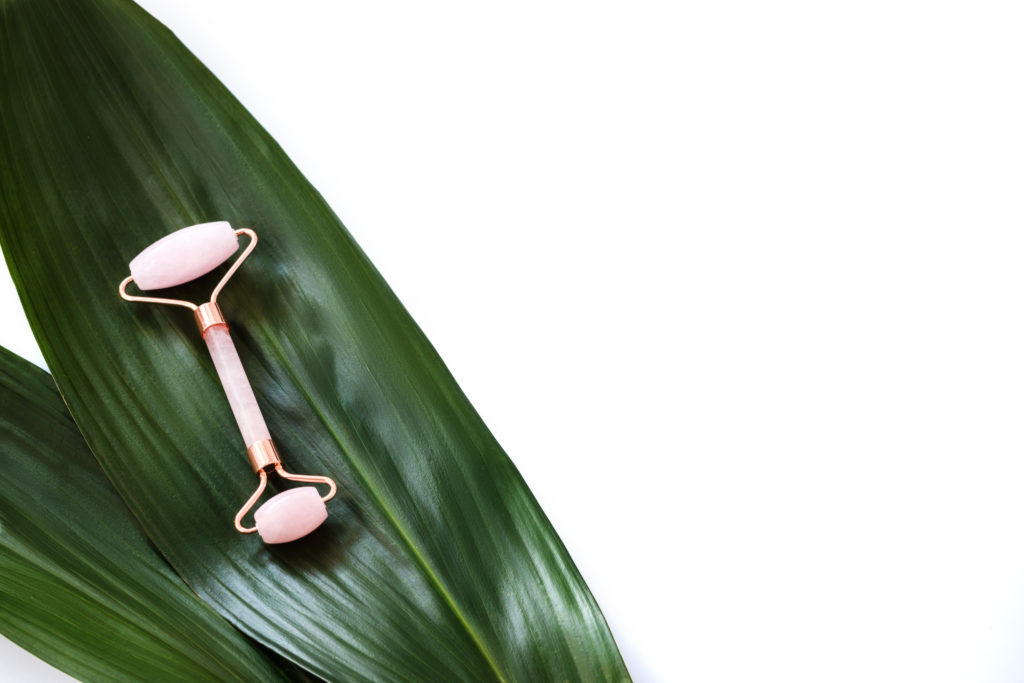
Acupressure points, the jade roller, Gua Sha and cupping are also used.
traditional Chinese massage with gua sha
Facial acupuncture treatment gives a natural result that respects the face. The complexion is even and radiant, a sign of good health.
Acupuncture treats the face but also emotions, stress, sleep disorders, digestive or menstrual disorders, fatigue and migraines.
The main wrinkles treated with acupuncture are:
frown lines,
smile lines,
forehead lines,
marionette lines,
expression lines,
lines between the eyes (glabella),
horizontal lines on the nose,
cheek wrinkles,
jugal fold,
lip lines,
wrinkles under or around the eyes.
Jade Roller
Each treatment protocol is unique and adapted to the person’s needs. The patient is treated as a whole for better results.
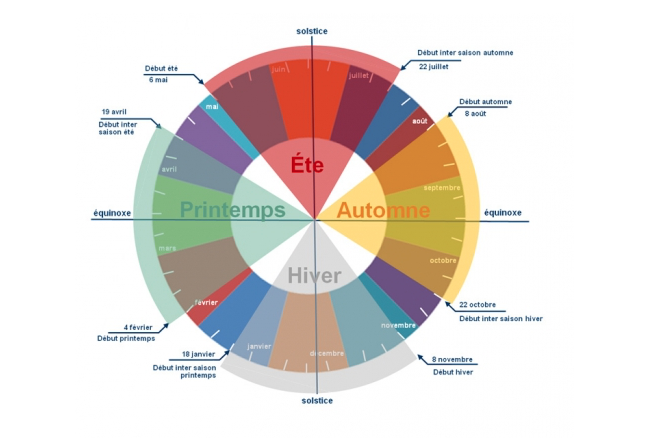
Each season is represented by an element: Water, Wood, Fire, Earth and Metal.
At the end of each season, there is a transition period of 13 days. This surplus of energy returns to the centre, that is to say the Earth, to nourish and regenerate it.
The energy of the Spleen-Stomach becomes more active during this period, both physically and mentally (with the energy of reflection).
During these inter-seasons, it is particularly advisable to take time to reflect (but not too much) and to meditate in order to integrate the experiences of the season that is ending before embarking on the next one.
It is the right time to choose and eat foods that support the spleen.
It is also a good period for gardening, or for working with sand or stone, to nourish our inner Earth energy.
To be in harmony with the Earth element, go hiking in the mountains, visit parks, walk barefoot on the beach, do some gardening.
You can also connect with stones or rocks, study them, etc.
The end of summer and the end of each season also represent the time of harvest and of putting things into storage.
Remember that the role of the Spleen, like that of the Earth, is to condense, gather, contain and distribute fairly.
In Chinese medicine, menopause is seen as a real liberation for women. If it is well prepared for, the transition goes smoothly.
Some women experience symptoms such as hot flushes, night sweats, reduced libido, dryness, headaches, insomnia, heart palpitations, digestive problems or low moods. Joint pain may also be present as a result of bone demineralisation.
Acupuncture may ease these symptoms by regulating the circulation of blood and energy.
It is also possible to regulate menstrual cycle problems (cycles that are too long or too short) for a few months or years.
By restoring harmony on a physical and mental level, women can respond positively to this new stage of life and reach a new maturity and self-confidence, to feel more at ease in their natural and social environment.
Menopause does not mean old age. Indeed, many women know how to maintain a lovely body and a beautiful face well beyond menopause.
To book an appointment with an acupuncturist in Aix-en-Provence or Cadenet, go to Doctolib
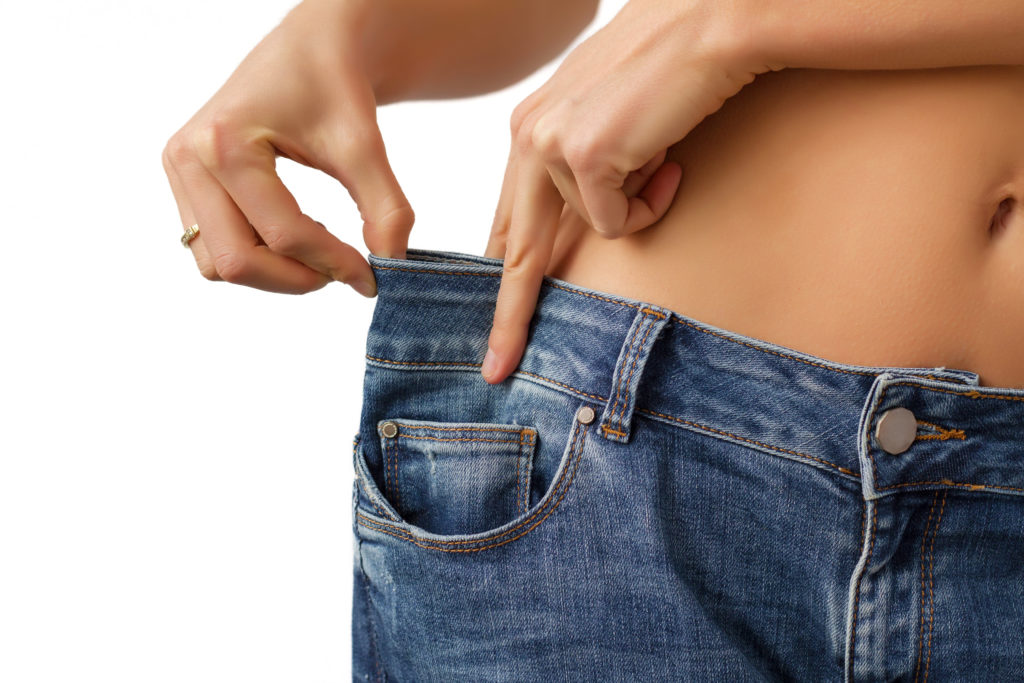
Chinese medicine can support an effort to slim down the stomach, thighs, hips or arms. In particular acupuncture, which aims to stimulate the metabolism and encourage drainage. It may play a role in lymphatic drainage and help reduce water retention and improve blood circulation.
Acupuncture: an ally of choice for slimming down
The aim of acupuncture is to work on all the factors responsible for weight gain: stress, lack of sleep, lack of energy, appetite, etc.
Weight loss comes with dietary advice and relaxation and self-massage techniques (stomach, legs), which provide an anti-cellulite action or help with heavy legs.
Depending on your body type, green teas or herbal teas are recommended. No diet or intermittent fasting is advised in terms of nutrition. Cooking methods suited to the seasons and to your energy guide the weight loss strategy.
Other methods to consider
The pillars of Chinese medicine are breathing, diet and managing emotions. In addition to acupuncture, herbs (herbal medicine) and essential oils are recommended, along with self-massage and acupressure techniques to boost the metabolism and get the energy flowing.
It is important to note that there is no single protocol, but rather specialised protocols adapted to each person. Some foods are therefore to be favoured and others avoided. An assessment with an acupuncturist is needed to take the person into account as a whole.
A series of acupuncture sessions may help you lose centimetres and therefore drop a size.
Menopause is also a particularly good time to consult.
In summary, acupuncture may help boost your metabolism and your energy, regulate your appetite and reduce water retention.
The main meridians involved in acupuncture are: the stomach, the spleen, the liver and the kidneys.
Difficult digestion is a digestive disorder. It includes:
episodes of diarrhoea or constipation, or even alternating between the two,
haemorrhoids,
indigestion,
bloating,
gastritis or stomach ulcers,
irritable bowel syndrome,
nausea…
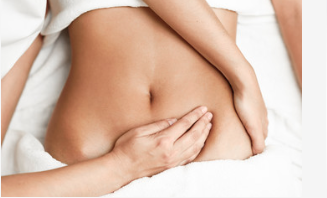
Bothosteopathy and acupuncture may be of interest for the digestive system. Acupuncture may act on organs such as the stomach, the liver, the pancreas and the small intestine. In short, bowel movements may improve.
Fatigue, stress, headaches, back pain and heavy legs are other symptoms that are treated and may be linked to poor digestion.
During the session, dietary advice and breathing exercises for digestion are given, and certain herbal teas, teas or essential oils are recommended.
For example, in the case of diarrhoea, it is recommended to drink tea after each meal. You can also have a bowl of rice soup several times a day, adding chives and a little salt, or ginger, pepper or fennel. Conversely, in the case of constipation, you should limit cured meats, red meat, fried food, spices, strong condiments, chocolate, coffee, alcohol, dairy products and cheese.
In Traditional Chinese Medicine, constipation corresponds to a stagnation of energy and toxins in the digestive tract. Physical activity such as Qi Gong, Tai Chi and breathing can help. Massaging the abdomen clockwise can help. It is also important to drink between meals in order to soften the stools and help bowel movements.
Osteopathy and acupuncture are complementary and are often used in the same session.
Menstrual disorders (premenstrual syndrome, absence of periods, irregular or heavy periods)….
It can become a chronic condition or may have appeared recently (coronavirus, lockdown). Chronic stress has repercussions on health, in particular an increased risk of high blood pressure, reduced immunity, diabetes….
How can you manage stress?
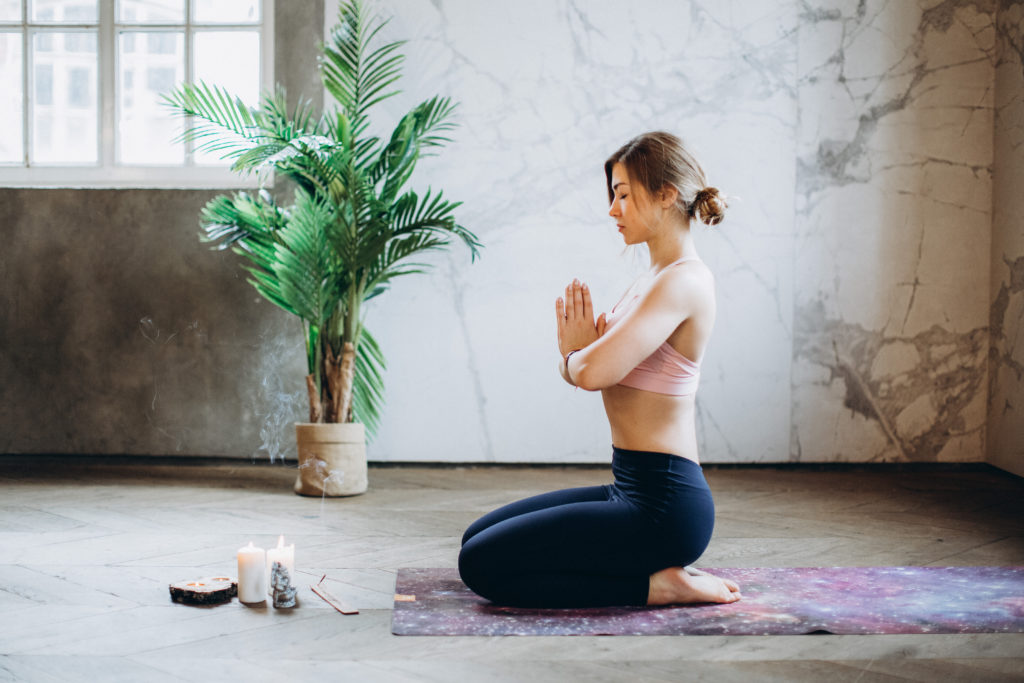
There are several studies on stress and breathing. Gentle activities such as yoga, meditation and walking in nature are beneficial.
stress and breathing
Meditation and yoga encourage relaxation and calm states of anxiety. Breathing exercises may help to quickly calm the nervous system and could change cholesterol levels. As a reminder, stress is harmful to the immune system.
stress, anxiety, acupuncture can support you
Acupuncture
In Traditional Chinese Medicine, there are many acupuncture points for regulating anxious states and stress. Several studies suggest that acupuncture may have a positive impact on stress, an antidepressant effect, a lower heart rate and consequently lower high blood pressure, as well as an anti-inflammatory action.
The acupuncturist often also gives herbs to calm. Many herbs may have an effect on mood, without replacing antidepressant treatment. Others act like neurotransmitters and may increase resistance to stress. Some act as appetite regulators, or regulate sleep and insomnia.
It is World Sleep Day. Sleep disorders are common. Most people describe insomnia, difficulty falling asleep or waking up several times during the night. Others describe sleep apnoea, nightmares or restless sleep. Pregnancy, the menopause, stress and anxiety are also causes that can disrupt a good night. Finally, night sweats, thirst and the need to urinate are causes that often prevent people from getting back to sleep.
There are many remedies for regaining deep, restorative sleep. A session of meditation or yoga before going to bed can be beneficial. Self-hypnosis, homeopathy and essential oils may help you sleep better. Plants such as valerian, for example, are used as a natural solution.
Osteopathy is an interesting technique, particularly cranial osteopathy, which targets areas of the brain linked to the sleep centres.
In Chinese medicine, insomnia can have different causes, so treatment is individual and adapted to each person. Sleep disorders can be insomnia, difficulty getting to sleep, waking up at a particular time(for example 3 or 4 in the morning), waking up several times during the night or waking up too early.
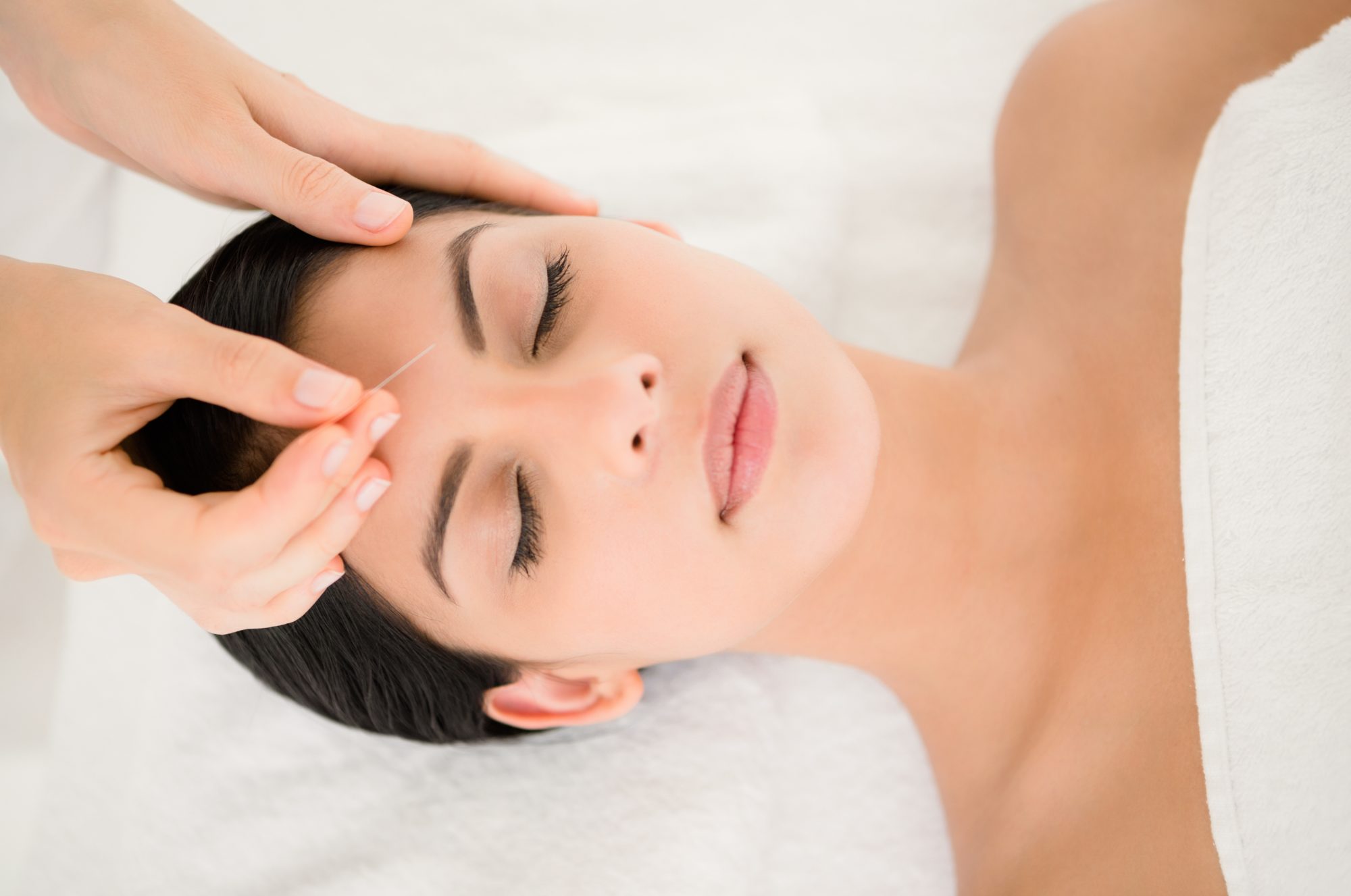
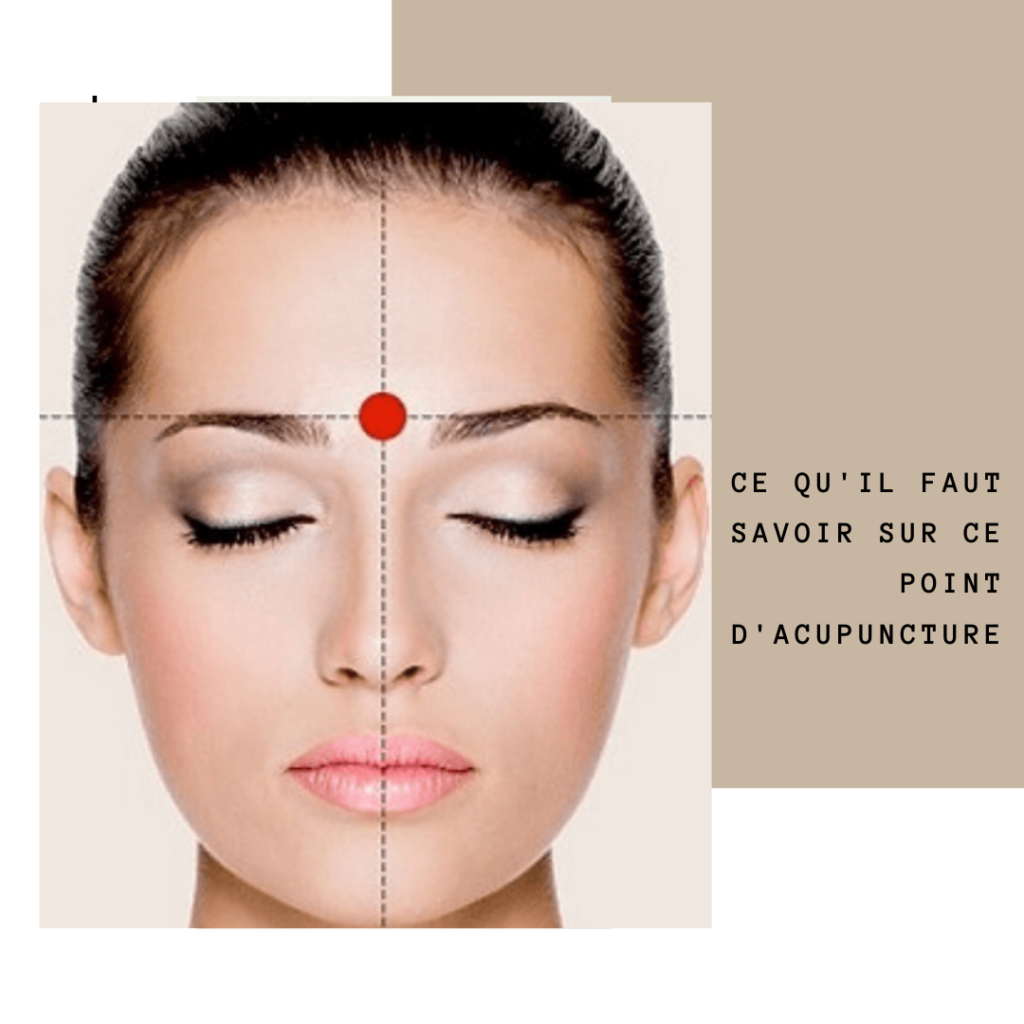
Acupuncture can help with psychological and emotional disorders (stress and anxiety). Widely used in treatments, Yintang is located in the space between the eyebrows.
Called the “palace of the mind”, it is a so-called “extraordinary” point. It is also known as the point of feelings and emotions. It has an effect on the intellect, the emotions and consciousness. It corresponds to the upper Dantian.
It corresponds to the “3rd eye” or sixth chakra: Ajna. This chakra symbolises intuition, clarity, meditation and confidence. “I see”
YinTang may help to calm the mind, improve concentration, release emotions, promote sleep, relieve migraines and support states of depression in liaison with the doctor.
Linked to the Heart meridian, local redness or warmth indicates states of heat or excess yang.
Its colour and texture help to diagnose the person’s state of health.
Indications
Anxiety, depression,
Insomnia,
Mental agitation,
Headaches, migraines,
Sinusitis, nasal congestion, rhinitis
Hangover,
This point is used for many reasons for consultation. It is often used in sessions such as weight loss or stopping smoking.
To provide the best experiences, we use technologies like cookies to store and/or access device information. Consenting to these technologies will allow us to process data such as browsing behaviour or unique IDs on this site. Not consenting or withdrawing consent may adversely affect certain features and functions.
Functional Always active
Le stockage ou l’accès technique est strictement nécessaire dans la finalité d’intérêt légitime de permettre l’utilisation d’un service spécifique explicitement demandé par l’abonné ou l’internaute, ou dans le seul but d’effectuer la transmission d’une communication sur un réseau de communications électroniques.
Preferences
The technical storage or access is necessary for the legitimate purpose of storing preferences that are not requested by the subscriber or user.
Statistics
Le stockage ou l’accès technique qui est utilisé exclusivement à des fins statistiques.The technical storage or access that is used exclusively for anonymous statistical purposes. Without a subpoena, voluntary compliance on the part of your Internet Service Provider, or additional records from a third party, information stored or retrieved for this purpose alone cannot usually be used to identify you.
Marketing
The technical storage or access is required to create user profiles to send advertising, or to track the user on a website or across several websites for similar marketing purposes.