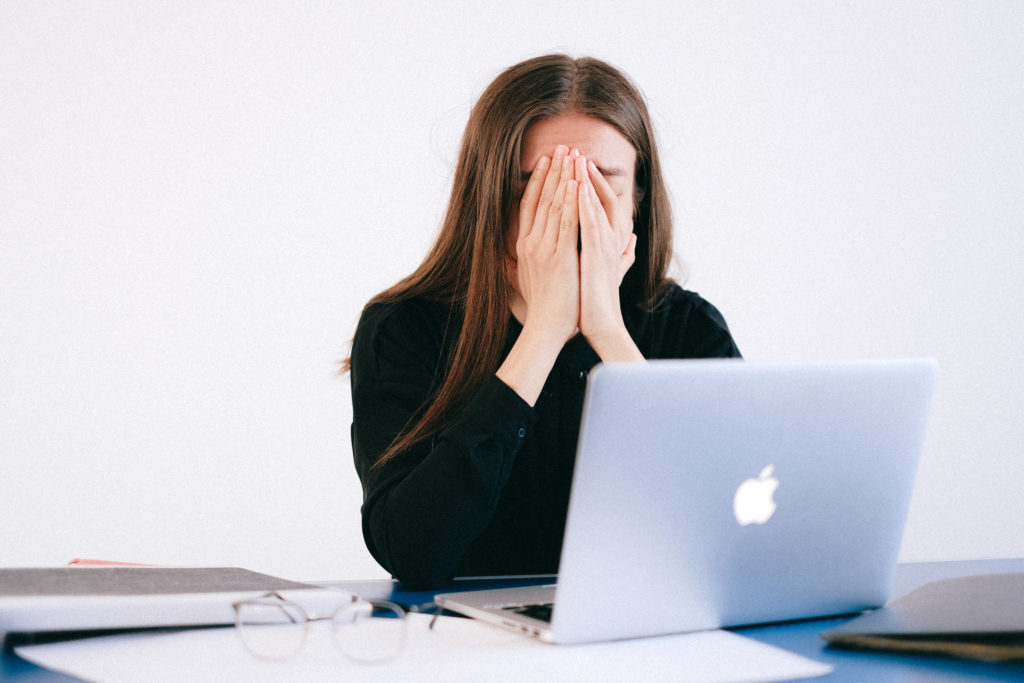
Stress can show itself through many symptoms such as:
- Anxiety, distress, fear, depression, nervousness
- Back pain, muscle pain, shoulder pain, neck pain, chest pain, a feeling of tightness
- Fatigue, lack of concentration, lack of willpower
- Insomnia, difficulty falling asleep, nightmares, sleep problems, frequent waking
- Acne, shingles, psoriasis, eczema
- Digestive problems: constipation, diarrhoea, hiatus hernia, stomach pain. Weight gain, being overweight, sugar cravings
- Headache, migraine, bruxism
- Menstrual disorders (premenstrual syndrome, absence of periods, irregular or heavy periods)….
It can become a chronic condition or may have appeared recently (coronavirus, lockdown). Chronic stress has repercussions on health, in particular an increased risk of high blood pressure, reduced immunity, diabetes….
How can you manage stress?
There are several studies on stress and breathing. Gentle activities such as yoga, meditation and walking in nature are beneficial.
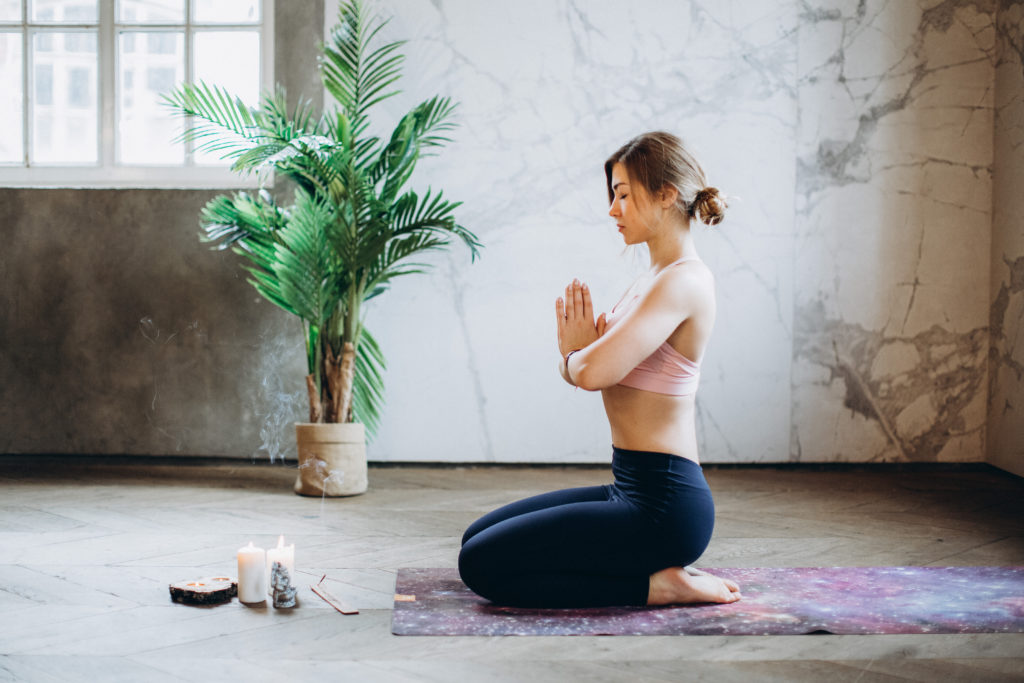
Meditation and yoga encourage relaxation and calm states of anxiety. Breathing exercises may help to quickly calm the nervous system and could change cholesterol levels. As a reminder, stress is harmful to the immune system.
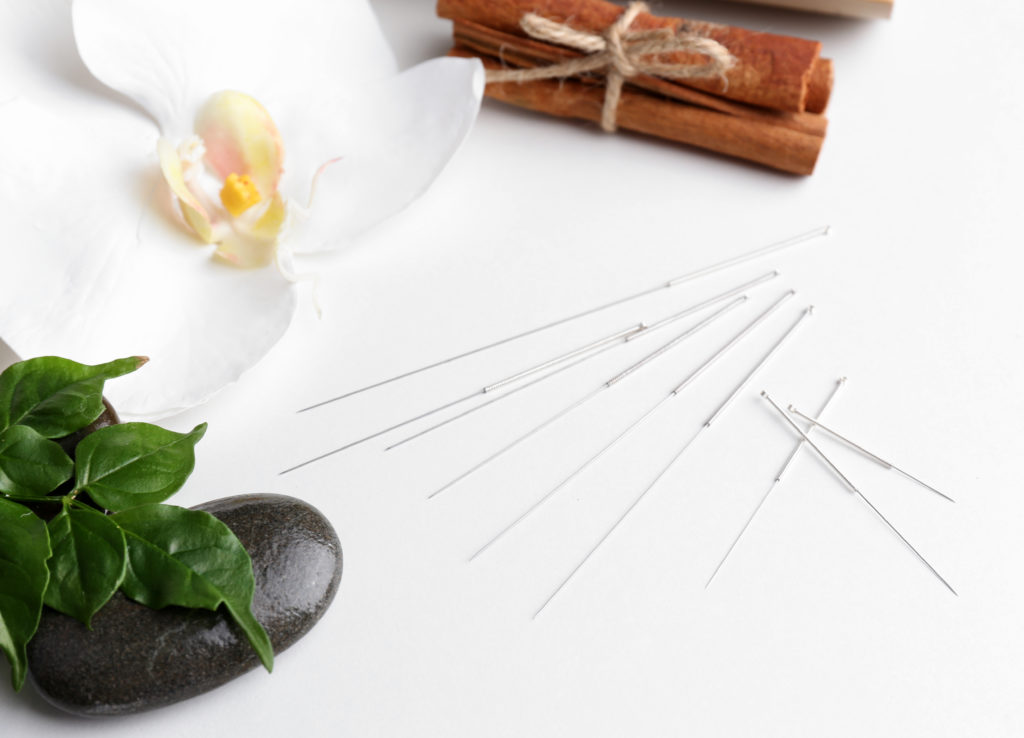
Acupuncture
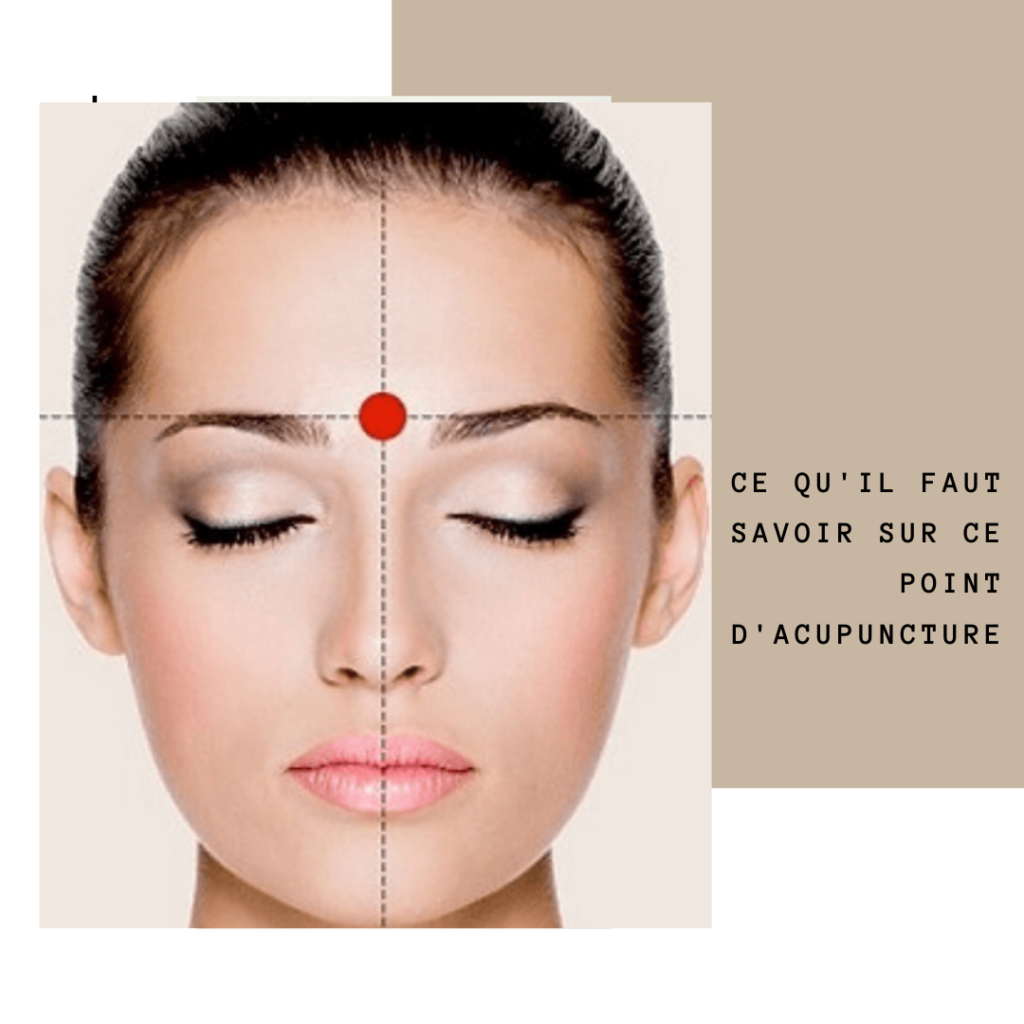
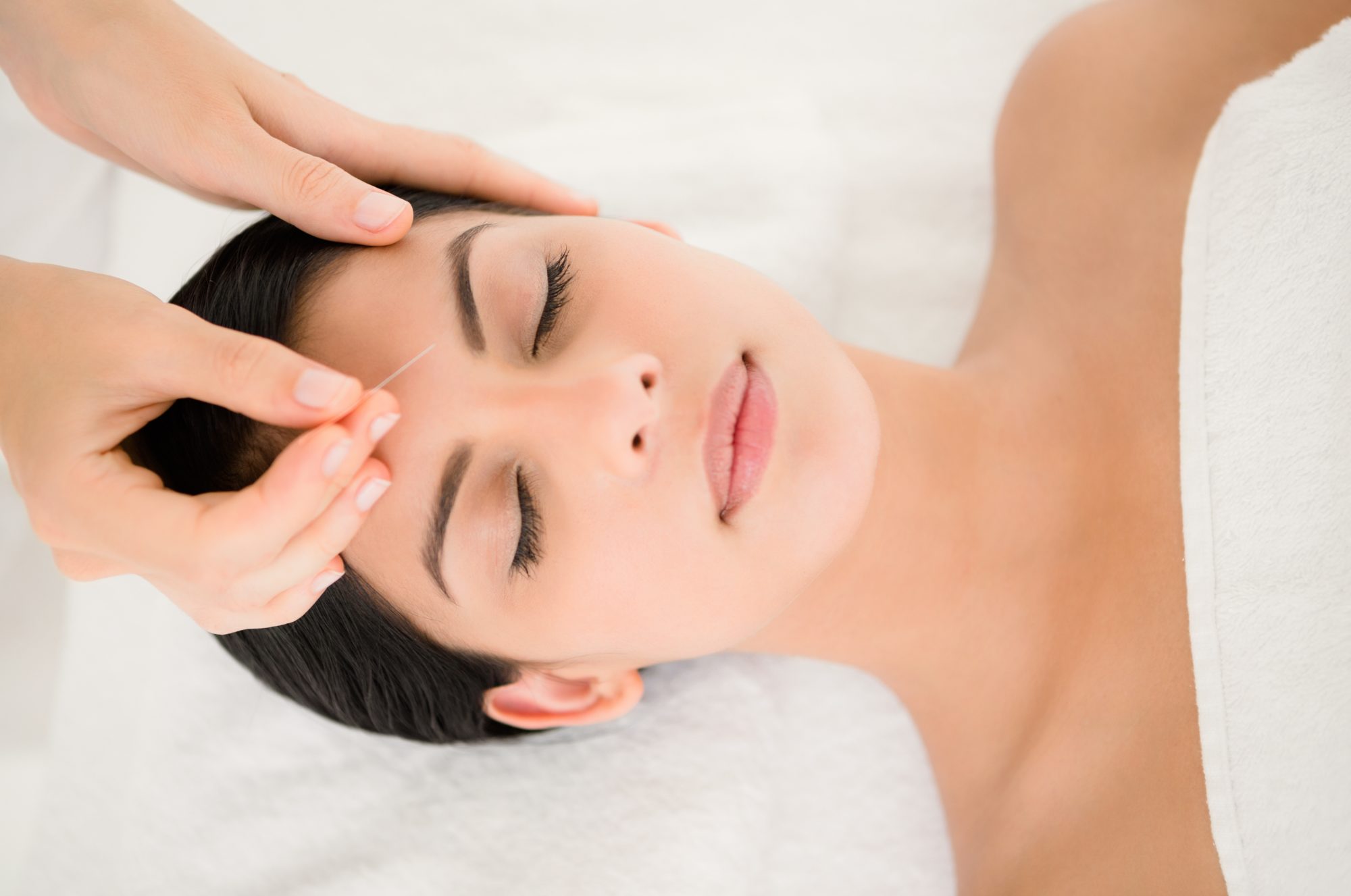
In Traditional Chinese Medicine, there are many acupuncture points for regulating anxious states and stress. Several studies suggest that acupuncture may have a positive impact on stress, an antidepressant effect, a lower heart rate and consequently lower high blood pressure, as well as an anti-inflammatory action.
The acupuncturist often also gives herbs to calm. Many herbs may have an effect on mood, without replacing antidepressant treatment. Others act like neurotransmitters and may increase resistance to stress. Some act as appetite regulators, or regulate sleep and insomnia.
References:
https://www.ncbi.nlm.nih.gov/pmc/articles/PMC4203477/
https://www.ncbi.nlm.nih.gov/pmc/articles/PMC6625224/