Low libido: how can acupuncture help you?

Low libido can affect both men and women at different times in their lives. Stress, fatigue, hormonal imbalance, emotional difficulties or the side effects of certain medicines can be the cause. Acupuncture, which comes from Traditional Chinese Medicine, can be a worthwhile natural approach to supporting intimate life. Let us look together at how it acts on libido and at what studies suggest about it.
low libido acupuncture

What causes low libido?

Reduced sexual desire can be linked to many factors:

  • Stress and anxiety: a heavy mental load can affect libido.
  • Hormonal imbalances: a drop in testosterone in men or an imbalance of oestrogen and progesterone in women influences libido.
  • Chronic fatigue: a lack of physical and mental energy can reduce sexual desire.
  • Circulatory problems: poor blood circulation can lead to erectile dysfunction in men or reduced sensitivity in women.
  • Side effects of certain treatments: antidepressants, contraceptive pills or medicines for high blood pressure can affect sexual desire.

Acupuncture: a natural approach to supporting libido

Acupuncture may act on several levels to support a balanced libido:

1. Regulating the hormonal system

Acupuncture may stimulate the endocrine glands and encourage the production of testosterone and oestrogen. A study published in the Journal of Alternative and Complementary Medicine observed that acupuncture may improve hormone levels and reduce menopause-related symptoms, including low libido.

2. Improving blood circulation

By stimulating certain specific points, acupuncture may encourage blood flow to the genital organs and thereby improve sensitivity and sexual arousal.

3. Reducing stress and anxiety

Acupuncture may act on the nervous system by reducing the production of cortisol, the stress hormone, and encouraging the release of endorphins and serotonin, contributing to better emotional well-being.

4. Increasing vital energy (Qi)

According to Chinese medicine, low libido is often linked to a Kidney energy deficiency (Yin or Yang). Acupuncture aims to strengthen this vital energy and overall vitality.

What studies say about acupuncture and libido

Some studies suggest acupuncture may be of interest for sexual function, with encouraging but still limited results:

  • A review in Medicina (2021) suggests that acupuncture may improve libido problems by regulating hormones and reducing stress.
  • Another study carried out in 2016 observed a significant improvement in erectile problems in men who had acupuncture sessions.
  • In women, research published in Acupuncture in Medicine observed a reduction in symptoms of vaginal dryness and an increase in sexual desire after several sessions.

What to expect during an acupuncture session

At the first consultation, the practitioner will carry out an energy assessment to identify the imbalances behind the low libido. They will then select specific points, often located on the Kidney, Liver and Spleen meridians, in order to restore the overall balance of the body.

Several sessions are usually needed before assessing progress. Acupuncture can also be complemented by herbal medicine and lifestyle advice as part of an overall approach.

Conclusion

Acupuncture is a natural option, whose side effects are uncommon and usually mild when performed by a trained practitioner, that may help you regain a harmonious libido by acting on the underlying causes of the problem. By supporting hormonal balance, stress reduction and blood circulation, it may allow you to approach sexuality with more serenity and pleasure.

If you are experiencing low libido, see an acupuncture practitioner for personalised support and to regain a fulfilling intimate life!
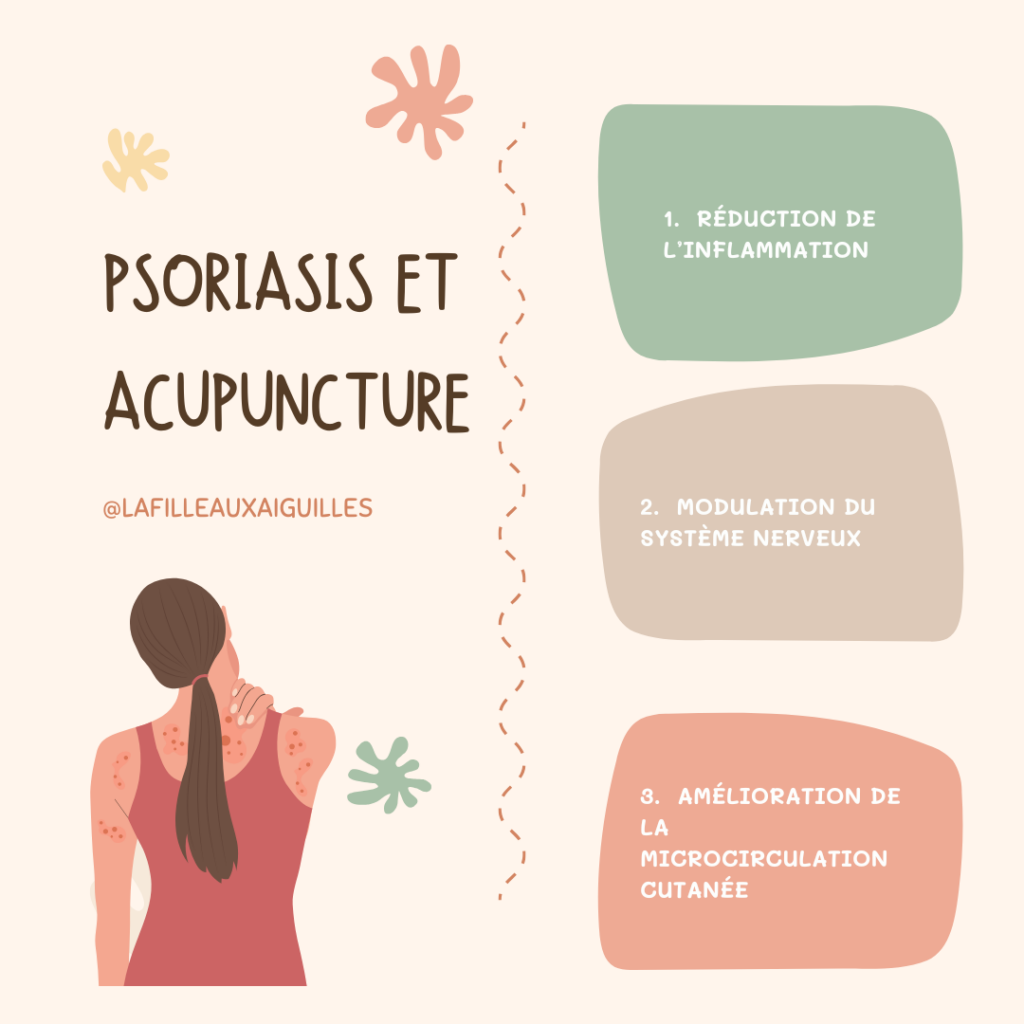
Psoriasis and acupuncture

Chart showing the effects of acupuncture on psoriasis: 55% reduction in the PASI score in a clinical study, improvement in itching and quality of life according to recent studies

Acupuncture and psoriasis: a promising approach

Psoriasis is a chronic inflammatory skin disease, often associated with disabling symptoms such as erythematous plaques, scaling and itching. Although conventional treatments include topical creams, systemic medicines and phototherapy, some complementary approaches, such as acupuncture, are attracting growing interest for their potential to relieve symptoms while improving patients’ quality of life. This article explores the role of acupuncture in managing psoriasis, drawing on scientific data.


The scientific basis of acupuncture in the treatment of psoriasis

Several preliminary studies have assessed the effectiveness of acupuncture in inflammatory skin diseases, including psoriasis:

  • Reduced inflammation: A study published in Evidence-Based Complementary and Alternative Medicine (2021) observed that acupuncture might lower levels of inflammatory cytokines, such as TNF-α and IL-17, which play a key role in the development of psoriasis.
  • Modulation of the nervous system: According to a systematic review published in The Journal of Dermatological Treatment (2019), acupuncture may help to reduce stress and anxiety, factors often associated with psoriasis flare-ups.
  • Improved skin microcirculation: A Chinese study (2020) reported that acupuncture might improve blood circulation in inflamed areas, which could help to reduce psoriatic plaques.
  • Reduced symptoms: Research published in 2022 in Complementary Therapies in Medicine observed that 78% of patients treated with acupuncture reportedly noticed an improvement in their symptoms, including less itching and erythema.
  • Improved general well-being: Some studies suggest an improvement in quality of life with acupuncture, based on the DLQI (Dermatology Life Quality Index).

Examples of clinical studies

  • Randomised clinical trial (2021): A trial reportedly compared patients receiving acupuncture sessions with a control group treated only with topical creams, with a greater improvement in the extent of plaques in the acupuncture group. These results still need to be confirmed.
  • Meta-analysis (2020): Analyses pooling several studies suggest that acupuncture, combined with the treatments prescribed by the dermatologist, may help to reduce skin symptoms and improve psychological well-being.

Case study: acupuncture in action

A 40-year-old man who had suffered from psoriasis for 10 years came for a consultation for extensive erythematous plaques on his elbows and knees. The main symptoms were intense itching and excessive scaling.

  • Results after 6 weeks:
  • Reduced itching.
  • Visible reduction of the plaques.
  • Improved quality of life.

Conclusion

Acupuncture is a promising complementary approach for patients with psoriasis, alongside their medical follow-up. Although large-scale studies are still needed, preliminary data and clinical cases suggest a noticeable improvement in symptoms and quality of life. For optimal results, an accurate diagnosis and treatment adapted to individual needs are essential.

Acupuncture and carpal tunnel: a complementary natural approach

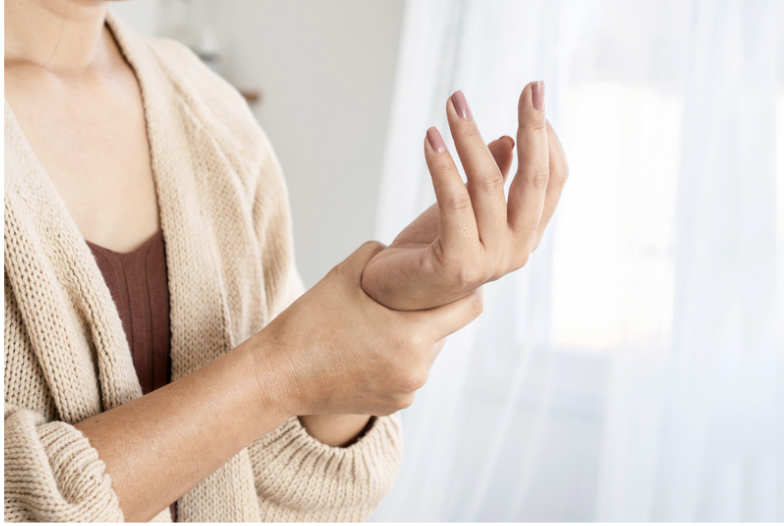
Illustration of carpal tunnel syndrome: compression of the median nerve at the wrist, causing pain, numbness and tingling in the hand.

Carpal tunnel syndrome (CTS) is a common condition caused by compression of the median nerve at the wrist. This disorder can lead to pain, numbness, tingling and muscle weakness in the hand. While conventional treatments include medication, splints and sometimes surgery, acupuncture is emerging as a natural complementary option that may help to relieve these symptoms. This article explores the benefits of acupuncture in treating carpal tunnel syndrome, drawing on scientific studies, statistics and a clinical case.


What is carpal tunnel syndrome?

CTS affects around 1 to 5% of the general population, with a higher prevalence among women and older people. Causes include repetitive movements, inflammatory conditions such as arthritis, and conditions such as pregnancy or diabetes.

Typical symptoms include:

  • Pain and tingling in the fingers, particularly the thumb, index finger and middle finger.
  • Feelings of numbness, often at night.
  • Difficulty with fine movements, such as buttoning a shirt.

Acupuncture, a complementary approach studied by science

How does it work?
Acupuncture works by stimulating specific points on the body to restore energy balance, improve blood circulation and reduce inflammation. In the case of carpal tunnel syndrome, it targets points on the wrist and arm to relieve compression of the median nerve.

What the studies say:

  1. A study published in Brain in 2017 observed that acupuncture might improve nerve conduction and reduce the pain associated with CTS. Participants treated with acupuncture reportedly showed a significant improvement in sensory and motor function compared with the control group.
  2. A 2022 meta-analysis of 12 clinical trials suggests that acupuncture might reduce CTS pain more than non-steroidal anti-inflammatory drugs (NSAIDs).
  3. Some studies suggest that electro-acupuncture, a variant using light electrical pulses, might reduce numbness after six weeks of treatment.

Clinical case: an example of acupuncture support

Background
Marie, 45, a secretary, suffered from night-time pain and loss of sensation in her right hand. After trying splints and painkillers without success, she turned to acupuncture.

Results

  • Reduction in pain felt after the 5th session.
  • Full recovery of sensation after 10 sessions.
  • Six months later, no return of symptoms.

The advantages of acupuncture for carpal tunnel syndrome

  • Uncommon side effects: They are usually mild when performed by a trained practitioner.
  • Holistic approach: It looks not only at the symptoms but also at the underlying causes.
  • Personalised: Each treatment is adapted to the patient’s needs.

Is acupuncture a solution for you?

If you suffer from carpal tunnel syndrome, acupuncture may be a worthwhile option alongside medical care. Consult a qualified practitioner to draw up a personalised treatment plan.


Conclusion

Acupuncture may be a worthwhile natural approach to support people with carpal tunnel syndrome, alongside medical care. It has been the subject of studies with encouraging but still limited results, and may help to improve your quality of life.

Acupuncture and Restless Legs Syndrome

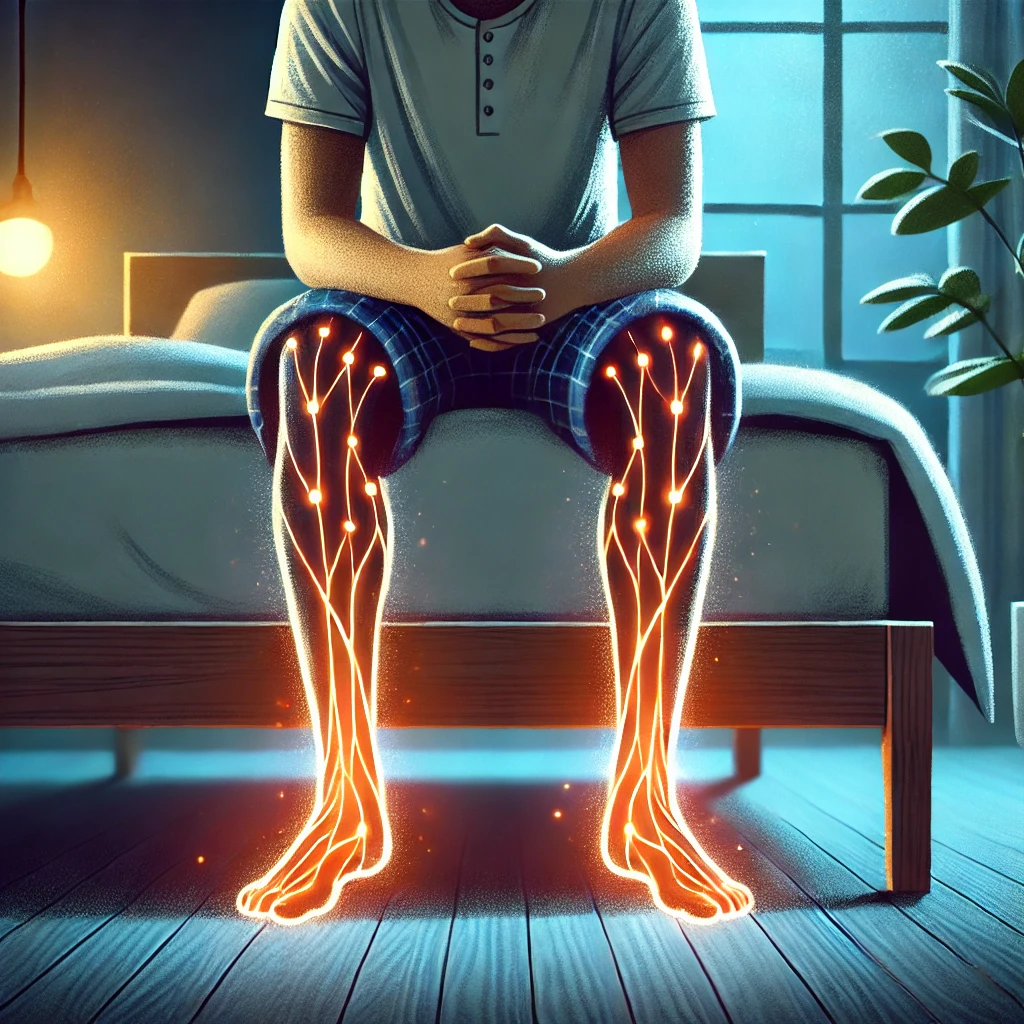
RLS (restless legs syndrome)

Acupuncture and restless legs syndrome: a natural solution?

Restless legs syndrome (RLS) is a neurological disorder that affects the quality of life of many people. This unpleasant sensation in the legs, often described as tingling, pulling or an irresistible urge to move, usually occurs at rest, particularly at night. Although drug treatments exist, many people turn to natural approaches such as acupuncture to relieve their symptoms.

What is acupuncture?

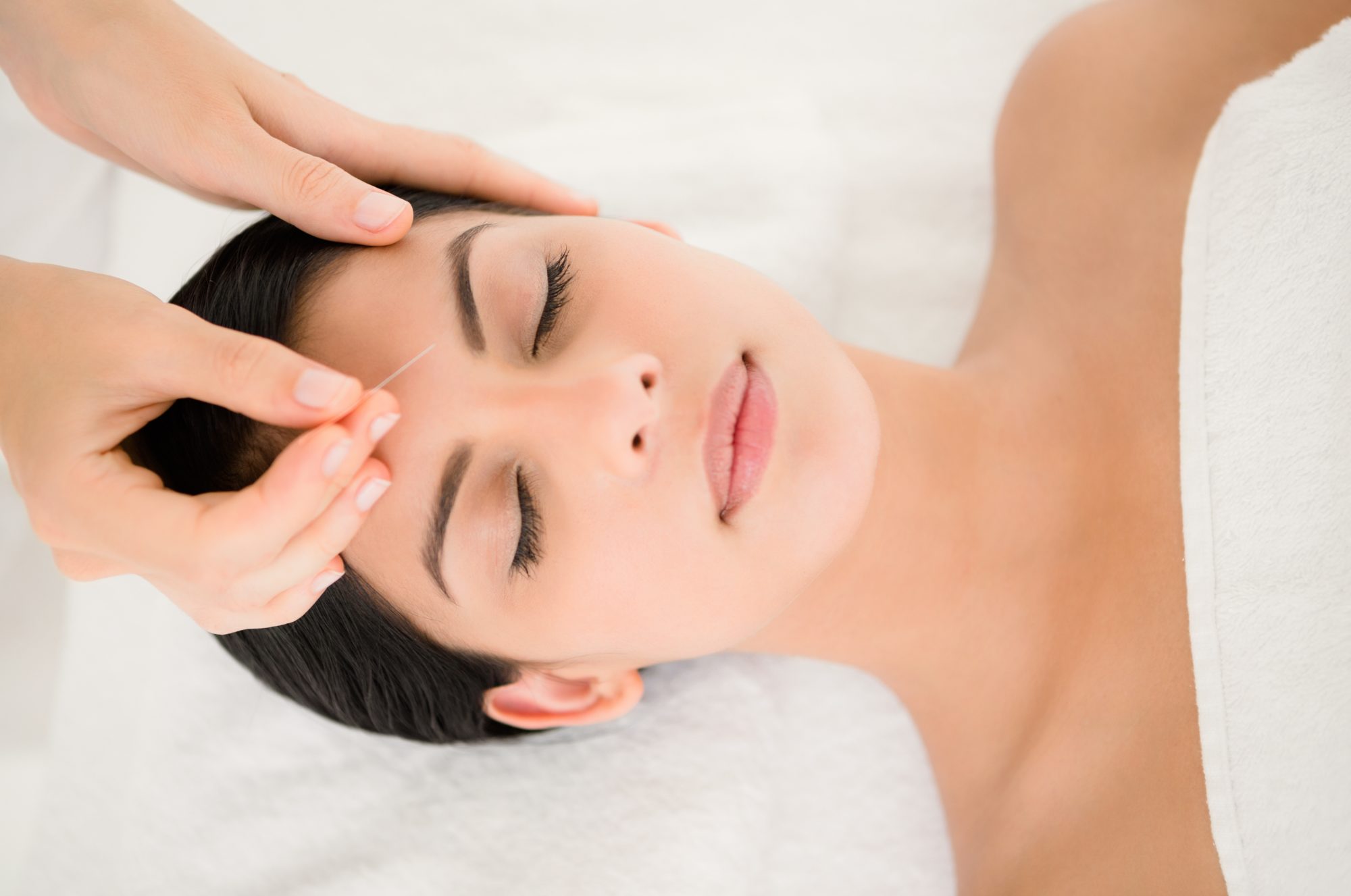
Acupuncture is a practice that comes from Traditional Chinese Medicine. It involves inserting fine needles at precise points on the body to rebalance the vital energy known as “Qi”. In modern medicine, acupuncture is thought to work by stimulating the nerves, muscles and blood circulation, while releasing endorphins, the feel-good hormones.

How can acupuncture help RLS?

Several mechanisms could explain the possible effects of acupuncture on restless legs syndrome:

  • Improved blood circulation: Acupuncture stimulates microcirculation, which may reduce the feeling of discomfort in the legs.
  • Relaxing effect: It may reduce stress and promotes better-quality sleep, both crucial for patients with RLS.
  • Action on the nervous system: Acupuncture may regulate the activity of the nerves responsible for the unpleasant sensations in the legs.

What do scientific studies say?

Although research is still limited, some studies show promising results. A study published in 2021 in the Journal of Traditional Chinese Medicine observed that acupuncture combined with moxibustion techniques (heat applied to acupuncture points) could significantly reduce the intensity and frequency of RLS symptoms.

Other studies suggest that some patients feel an improvement after a few sessions. These results suggest that acupuncture could be a worthwhile complementary option, particularly for those seeking to reduce their reliance on medication, in consultation with their doctor.

What to expect during a session?

An acupuncture session begins with a discussion with the practitioner, who assesses your general condition and your symptoms. Needles are then placed on specific points, often in the legs, back or feet. The treatment is painless, and many patients feel deeply relaxed after each session.

Conclusion: a natural solution to explore

Acupuncture offers a gentle, natural approach that may help relieve the symptoms of restless legs syndrome. If you are looking for a complement to conventional treatments, consulting an experienced acupuncturist could be an option worth considering. As always, speak to your doctor before starting a new therapy.

Cancer and acupuncture

acupuncture breast cancer, Pink October
acupuncture and cancer

Acupuncture is widely used in cases of cancer, particularly during radiotherapy and chemotherapy, alongside care from the medical team. It is thought to stimulate the nervous system to release immune system cells and natural painkillers.

Some studies suggest acupuncture may be worthwhile for fatigue, hot flushes, nausea, vomiting and pain.

The most interesting study on acupuncture and breast cancer was published in the “Journal of the American Medical Association” in 2000. In the study, 104 women on high-dose chemotherapy were suffering from nausea. In the group treated with acupuncture, the study reportedly observed either a complete absence of nausea or very minor episodes.

Another study carried out in 2002 at Duke University (United States) compared the effectiveness of acupuncture with anti-nausea medication before breast cancer surgery. The results were reportedly in favour of acupuncture over the medication.

Some studies suggest that acupuncture may help to relieve pain, alongside care from the medical team.

In a 2004 study at the Memorial Sloan Kettering centre, acupuncture reportedly improved episodes of fatigue by 31% across various types of cancer. In 2005, another study carried out in Sweden reportedly observed hot flushes reduced by half.

Keywords: Pink October, acupuncture, acupuncturist, screening, chemotherapy

Fatigue and Acupuncture

fatigue acupuncture lack of sleep
Acupuncture and fatigue

Acupuncture offers many benefits and may be helpful for fatigue, whether recent or chronic. The patient may feel tired or lacking in drive.

The different types of fatigue

Lack of energy and lethargy have different causes, and there are different types of fatigue: mental, emotional, physical, adrenal, post-covid (long covid).

The causes

In Chinese medicine, we always look for the origin of the symptoms. For example, fatigue may come from a deficiency in vitamins or minerals such as iron or vitamin B12, a thyroid problem, a cortisol problem, a blood sugar problem, a cardiovascular condition, taking certain medicines, a lack of physical activity or, on the contrary, too much physical activity

Emotional stress can also lead to a lack of drive, even more so in people who are empathetic.

Diet can also be an area to investigate. In Chinese medicine, overeating or a diet poor in nutrients and vitamins creates a Spleen deficiency, which leads to exhaustion.

During the session, dietary and lifestyle advice is given to improve quality of life. Regular sessions help you regain energy.

Acupuncture takes the patient as a whole into account, and aims in particular to:

  • Improve the quality and quantity of sleep
  • Reduce stress and anxiety
  • Increase the ability to concentrate
  • Ease headaches or migraines
  • Stimulate the immune system
  • Reduce premenstrual syndrome

Acupuncture

acupuncture
what is acupuncture?

Acupuncture (sometimes spelt “acuponcture” in French) is a very old therapeutic method, born in China 5,000 years ago, which regulates the body by means of needles placed in the skin at precise acupuncture points.

Acupuncture is based on the concept of vital energy and the theory of yin and yang. A state of balance defines good health.

Sometimes, internal or external aggressions disturb this balance, such as climatic changes (cold, heat, wind, dryness, trauma, infection) or eating too little or too much, dietary mistakes, excess or lack of emotions (anger, fear, sadness).

The imbalance may be temporary if the body has good immunity or if the pathogen is eliminated. Otherwise, the imbalance leads to the dysfunction of an organ, which in turn leads to the onset of an illness.

First and foremost preventive, acupuncture’s role is to maintain good health. It is also curative as soon as symptoms appear. It is advisable to have a session every 4 months, that is, at each change of season. This makes it possible to anticipate certain symptoms, such as allergies for example, or to prevent certain illnesses by boosting immunity.

According to Traditional Chinese Medicine, vital energy depends on the quantity and quality of the air we breathe, on diet, on managing emotions as well as on mental and sexual stimulation and on solar radiation.

The autumn season in Chinese medicine

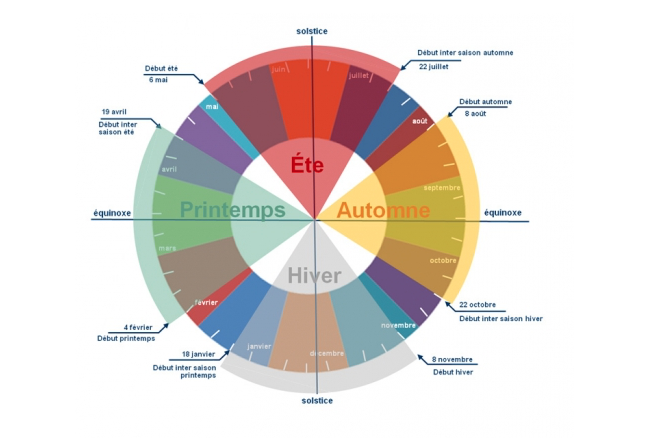
autumn begins on 7 August

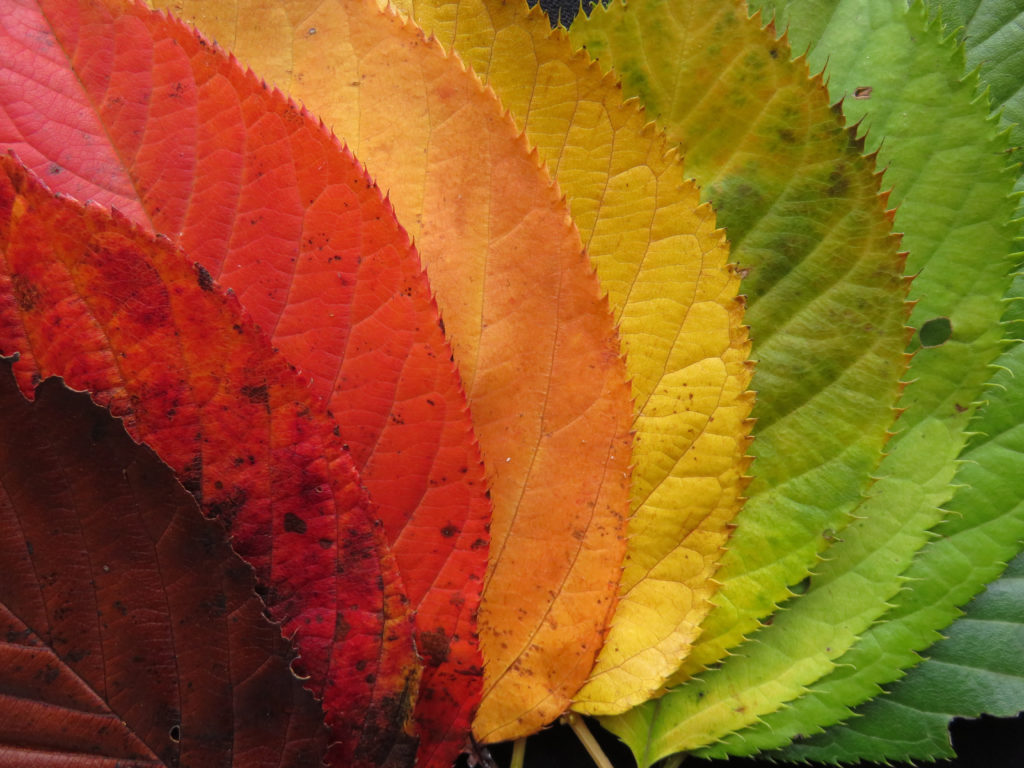
In Chinese medicine, the autumn season corresponds to the Metal element. It begins on 7 August and ends on 19 October. Energy moves from Yang towards Yin, from expansion towards contraction, so it is important to be structured and organised during this period. This applies to the outside world but also to our inner world. As the leaves fall from the trees, we should remember how pleasant it is to let go. Your breathing is a balance between breathing in and breathing out. Breathing out is necessary to get rid of what we no longer need and to be able to fill up again. 

acupuncture Aix-en-Provence constipation digestion sinusitis

It is also the season for getting rid of what we no longer need, which can create stress, confusion or a feeling of being overwhelmed. Cleaning, tidying, sorting and throwing away allow Qi to flow freely and bring more clarity to our choices and decisions. When you are aligned with what is essential, you can connect with your intentions.

The Lung and Large Intestine meridians can be where imbalances appear during this season. The most common symptoms I see in my patients are: breathing problems, allergies, sinus congestion, sore throat, cough, colds, flu, constipation, irritable bowel syndrome, sadness, grief, depression, stress, mental confusion, having no purpose in life, a need for control, and difficulty letting go.

grief and sadness in Chinese medicine

Here are some tips for balancing the Metal element during autumn:

  1. Tidy up and simplify. This is a good time to sort out your wardrobes and cupboards. A good way to do this is to get rid of things you have not worn or used for more than a year. Clean, tidy, give away, sell or throw away whatever is surplus.
  2. Get organised and set up a routine. Plan the tasks to be done for work and at home. It helps to have regular times for each task, such as preparing meals, sleeping, exercising and taking care of yourself. 
  3. Check your alignment. Review your priorities, resources and activities, and check which ones are aligned with who you are today. 
  4. Let go. Take time to discern what has value for you and what no longer serves you. You can ask yourself what you need to let go of from the past in order to move towards the future. This may mean letting go of old thoughts, old emotions, emotions such as shame or guilt, old relationships, old habits. 
  5. Allow yourself to feel sadness or grief. Make sure you listen to your emotions, and avoid judging or burying them. Instead, give thanks for the lessons received. Free yourself from judgement and forgive yourself and others. Have the courage to feel the emptiness created and to consider the space this creates. 

I practise acupuncture in a traditional way and take into account every aspect of well-being: physical, psychological, emotional, mental and spiritual. 

book an appointment on Doctolib

Book an appointment on Doctolib if you would like support to regain balance and alignment. It is beneficial to have a session at each change of season to help the body adapt to its environment.

Fatigue

fatigue
fatigue

There are different types of fatigue: temporary, chronic or extreme. First of all, you need to see your doctor to rule out any medical condition.

Difficulty getting up in the morning and a lack of drive are common symptoms to take into account for your well-being.

There is also physical fatigue, occurring after a chronic illness. The lost energy must therefore be recovered through rest, restorative sleep and a suitable diet. Sleep disorders are common and can include, for example, difficulty falling asleep, waking once or several times, or waking too early…

Stress or overwork linked to professional, sporting or household activities can also be factors.

Finally, there is mental or psychological fatigue, also known as neurasthenia. This can be caused by emotional conflicts, worries, sadness, depression, etc.

Chinese medicine makes it possible to look for the energy imbalance at the root of the symptoms. A few acupuncture sessions can overcome this type of asthenia.

Certain associated symptoms are looked for, such as: cramps, bloating, tinnitus, loss or lack of appetite, dark circles, anaemia, potassium deficiency, liver problems, imbalance in certain hormones, fever, diarrhoea, leg pain.

inter-season, or the end of the seasons

Each season is represented by an element: Water, Wood, Fire, Earth and Metal.

At the end of each season, there is a transition period of 13 days. This surplus of energy returns to the centre, that is to say the Earth, to nourish and regenerate it. 

The energy of the Spleen-Stomach becomes more active during this period, both physically and mentally (with the energy of reflection).

During these inter-seasons, it is particularly advisable to take time to reflect (but not too much) and to meditate in order to integrate the experiences of the season that is ending before embarking on the next one.

It is the right time to choose and eat foods that support the spleen.

It is also a good period for gardening, or for working with sand or stone, to nourish our inner Earth energy.

To be in harmony with the Earth element, go hiking in the mountains, visit parks, walk barefoot on the beach, do some gardening.

You can also connect with stones or rocks, study them, etc.

The end of summer and the end of each season also represent the time of harvest and of putting things into storage. 

Remember that the role of the Spleen, like that of the Earth, is to condense, gather, contain and distribute fairly.