Acupuncture: what are the reasons to consult?

acupuncture Aix-en-Provence sleep

Are you wondering why have acupuncture, in which situations it may be worthwhile, or what acupuncture can support? Rooted in Traditional Chinese Medicine, acupuncture offers a holistic approach that considers the person as a whole.

It can be used on its own or alongside medical care, depending on the reason for the visit and each person’s needs.

What is acupuncture?

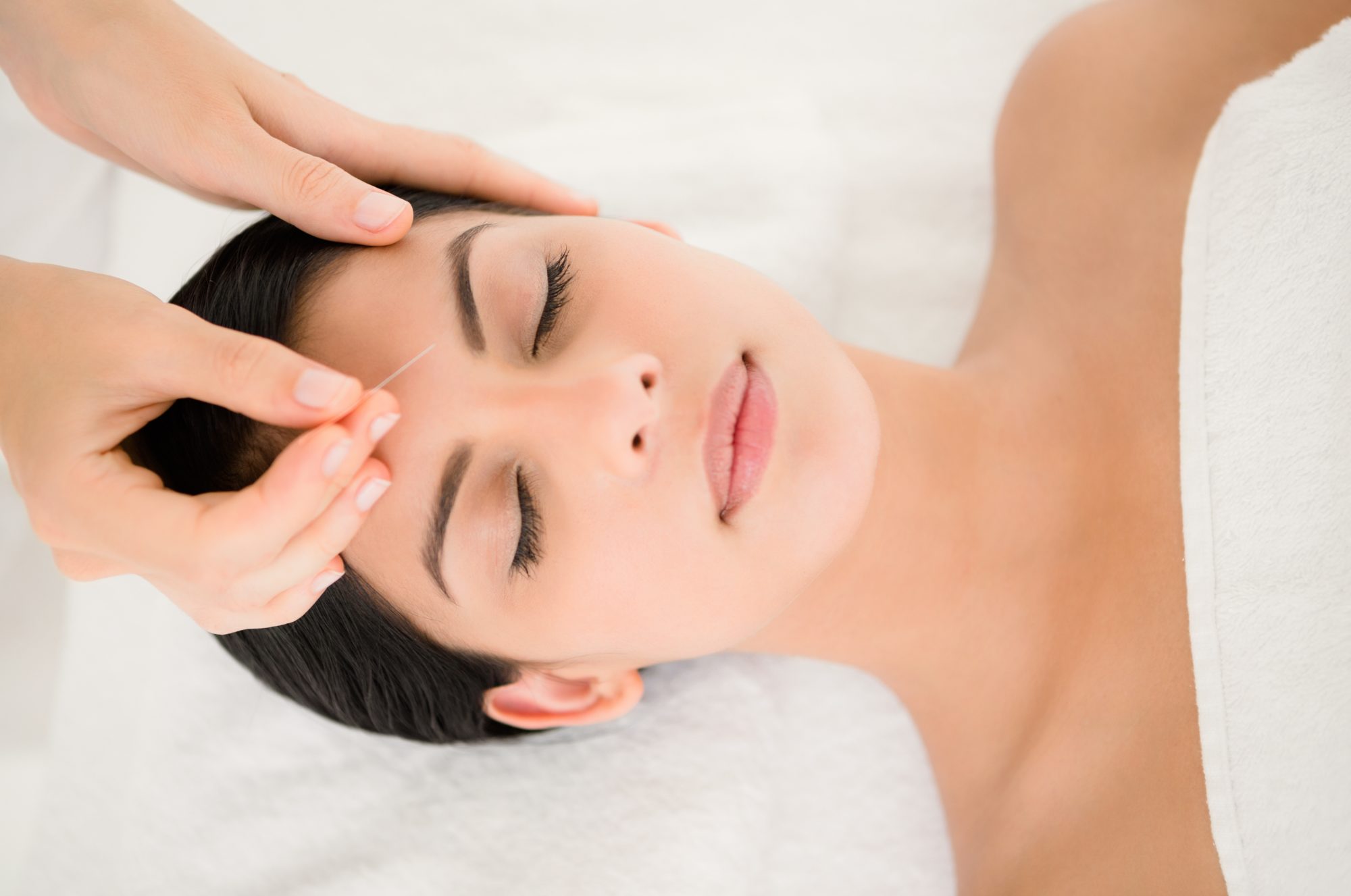
Acupuncture is a Traditional Chinese Medicine practice that involves stimulating specific points on the body, in particular with fine needles.

Traditional Chinese Medicine views the body as a whole in which the different functions are interdependent. During a consultation, the aim is therefore to look not only at the symptom, but also at the general context in which it appears.

A session begins with a conversation to better understand your request, your general health, your sleep, your digestion, your stress levels and, where relevant, your menstrual cycle.

The treatment is then tailored to you.

Why have acupuncture?

There are many reasons to consult. Some people come for a specific problem, while others would like support during a particular period of their life.

Acupuncture may be considered in particular to support:

It is important to remember that acupuncture does not replace a medical diagnosis or treatment when these are needed.

Acupuncture and stress

Stress can show itself in different ways: physical tension, difficulty falling asleep, fatigue, a feeling of not recovering enough, or digestive discomfort.

Acupuncture may be offered as a complementary approach during periods of stress or overload.

The session is also a chance to take some time for yourself and to receive holistic care, adapted to each person’s situation.

Acupuncture and sleep

Sleep difficulties can take different forms: trouble falling asleep, waking in the night or unrefreshing sleep.

In Traditional Chinese Medicine, sleep is taken into account in the overall assessment of the person.

An acupuncture consultation may therefore be considered to support sleep problems, particularly when they arise in a context of stress, fatigue or hormonal changes.

In the case of persistent or severe insomnia, it is also advisable to look for a possible medical cause with a healthcare professional.

Acupuncture and women’s health

Women’s health holds an important place in my practice.

Acupuncture and Traditional Chinese Medicine can support different stages of a woman’s life:

The menstrual cycle

Some women consult for period pain, premenstrual syndrome or various discomforts associated with the cycle.

Acupuncture can then be part of a holistic approach to care.

Endometriosis

Endometriosis can have a significant impact on quality of life.

Acupuncture can be used as a complementary approach to support certain symptoms, in particular pain or fatigue.

It does not make endometriosis lesions disappear and does not replace gynaecological follow-up.

Fertility and assisted reproduction

Some women would also like acupuncture support during a fertility journey or assisted reproduction (ART).

In this context, the aim is to offer complementary support, in coordination with the medical pathway and the professionals overseeing it.

Pregnancy and postpartum

Pregnancy brings many physical and emotional changes.

Acupuncture may be considered in certain situations during pregnancy, with care adapted to the stage of pregnancy and to each woman’s situation.

After the birth, it can also support the postpartum period.

What are the benefits of acupuncture?

People often search online for “acupuncture benefits” or “does acupuncture work?”.

The answer depends a great deal on the reason for the visit and on the person.

Acupuncture has been studied for many indications, with levels of evidence that vary from one condition to another. It should therefore not be presented as a universal solution.

Its value may lie in particular in an individualised and complementary approach, especially when several factors contribute to a discomfort.

The aim of a consultation is above all to understand your situation and to offer appropriate support.

What does acupuncture treat?

People often ask: “What does acupuncture treat?”

It is more accurate to talk about what acupuncture can support, because it does not replace medical treatment and should not be presented as able to cure every illness.

It can in particular be part of the support for certain types of pain, stress, sleep problems, certain functional disorders and various issues related to women’s health.

If symptoms are new, severe or persistent, medical advice is essential.

What happens during an acupuncture session?

The first part of the consultation is devoted to conversation.

I ask about the reason for your visit, but also about different aspects of your daily life: sleep, digestion, diet, stress levels, menstrual cycle where relevant, medical history and how your symptoms have changed.

This approach gives a more complete picture of your situation.

The acupuncture session is then adapted to your needs. The needles used are very fine and the points are stimulated in line with hygiene and safety rules.

The length and frequency of sessions depend on the reason for the visit and on your progress.

Acupuncture or osteopathy: which approach should you choose?

Acupuncture and osteopathy are two different approaches.

Osteopathy looks in particular at the mobility of the body’s different structures and at the tensions that may contribute to certain discomforts.

Acupuncture belongs to the approach of Traditional Chinese Medicine and uses the stimulation of specific points on the body.

In some cases, the two approaches can complement each other. The choice depends on the reason for your visit and on your needs.

Why consult for acupuncture in Aix-en-Provence?

If you are looking for acupuncture in Aix-en-Provence, I offer consultations with a personalised approach in Traditional Chinese Medicine.

My practice focuses particularly on women’s health, with support available around the menstrual cycle, endometriosis, fertility, pregnancy, the postpartum period and menopause.

Acupuncture can also be offered to support stress, sleep, certain types of pain and various functional disorders.

Each consultation is adapted to the person and their situation.

Book an appointment

Would you like to know whether acupuncture may suit your situation?

A first consultation is an opportunity to review your request and determine the most appropriate approach.

Acupuncture and Traditional Chinese Medicine consultations in Aix-en-Provence.


FAQ: Acupuncture

Does acupuncture work?

The effectiveness of acupuncture varies with the reason for the visit. The scientific data are more or less favourable depending on the indication. It can be used as a complementary approach and does not replace necessary medical treatment.

Does acupuncture hurt?

The needles used in acupuncture are very fine. The sensation varies from person to person and with the points stimulated. Some people feel a slight sensation when the needle is inserted.

How many acupuncture sessions are needed?

There is no number of sessions that is the same for everyone. The frequency depends on the reason for the visit, how long the problem has been present and the progress observed from one session to the next.

Can acupuncture be used for stress?

Yes, acupuncture may be offered as a complementary approach during periods of stress or tension, particularly when these come with sleep difficulties or other discomforts.

Can you have acupuncture during pregnancy?

Acupuncture may be considered in certain situations during pregnancy, with appropriately adapted care. It never replaces medical, obstetric or midwife follow-up.

Can acupuncture support endometriosis?

Yes, it can be used as a complementary approach to support certain symptoms of endometriosis, in particular pain. It does not treat the lesions and does not replace gynaecological follow-up.

Where can you have acupuncture in Aix-en-Provence?

I offer acupuncture and Traditional Chinese Medicine consultations in Aix-en-Provence, with an approach focused particularly on women’s health.
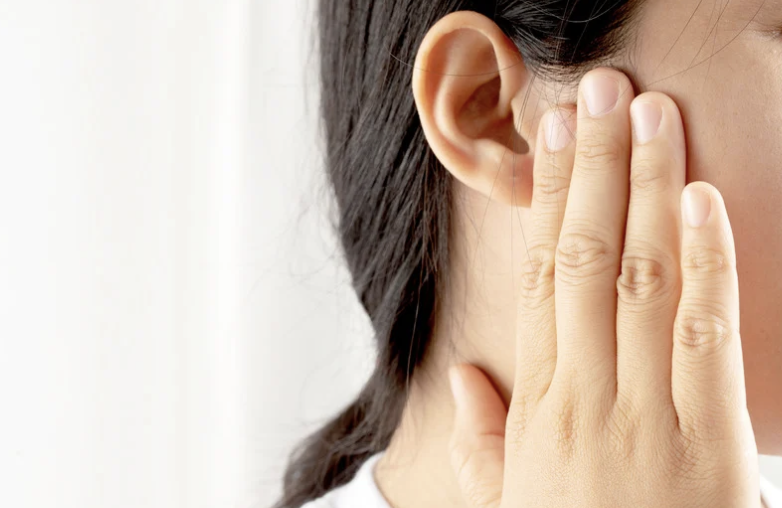
Bruxism in Aix-en-Provence: stress, jaw and neck pain, what can you do?

Do you often have a stiff neck?
Migraines at the end of the day or when you wake up in the morning?
The feeling that you clench your teeth without realising it?

These symptoms are often linked.
What do they have in common? Stress and the jaw.

In Aix-en-Provence, more and more patients come in for chronic neck pain… which actually originates in the temporomandibular joint (TMJ).


Stress acts directly on the jaw

When we are stressed, our nervous system switches into “alert” mode.

The body tenses up:

  • Tight shoulders
  • Stiff neck
  • Shallower, higher breathing
  • Unconscious teeth clenching

This repeated clenching can lead to what is called bruxism (grinding or clenching of the teeth, often at night).

Over time, the chewing muscles become hypertonic and create permanent tension around the TMJ.


Why does the jaw cause neck pain?

The temporomandibular joint is directly connected:

  • to the suboccipital muscles
  • to the upper cervical spine
  • to the trapezius muscles
  • to the postural chains

A tense jaw leads to postural adaptation.

The usual pattern is:

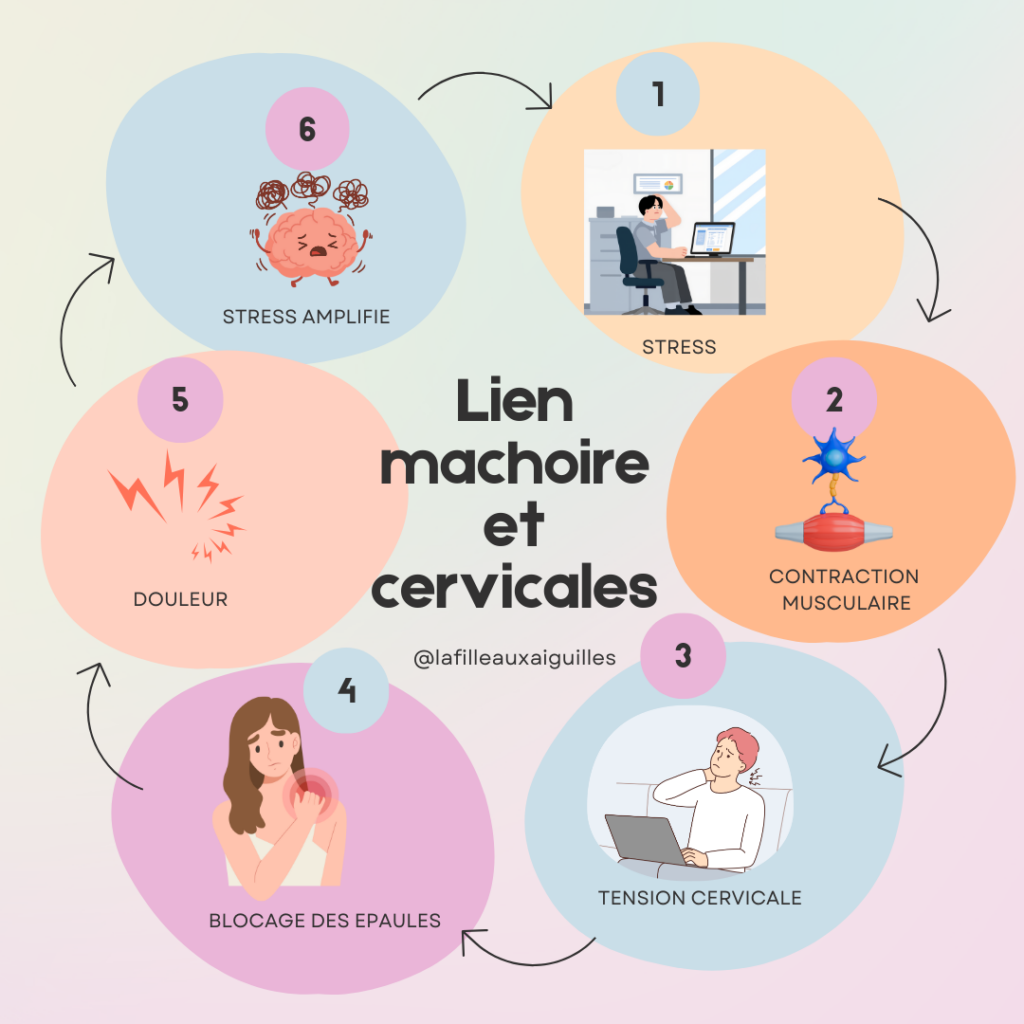
Stress → Jaw contraction → Neck tension → Locked shoulders → Tension migraines

This is why treating only the neck without working on the jaw sometimes gives partial results.


Common symptoms linked to bruxism

You may be affected if you have:

  • Chronic neck pain
  • Migraines or band-like headaches
  • A feeling of pressure in the head
  • Clicking in the jaw
  • Tiredness on waking
  • Tooth sensitivity
  • Constantly tight shoulders

In Aix-en-Provence, these symptoms are very common among people under stress, remote workers and people with a heavy mental load.


Why a targeted approach matters

When stress is chronic, tension becomes automatic.

Specific work on:

  • the temporomandibular joint
  • the chewing muscles
  • the cervical spine
  • the cervical fascia

may allow a deeper and longer-lasting release.

With this in mind, I have developed a specific protocol for jaw and neck tension at my osteopathy practice in Aix-en-Provence.

👉 Discover the Jaw & Neck Protocol


The role of intra-oral techniques

In some cases (established bruxism, deep tension), gentle intra-oral work may be offered.

It acts directly on the muscles responsible for teeth clenching and gives a more precise release.

These techniques are always explained and carried out with consent.


Can this pain really be reduced?

When neck pain is linked to jaw tension, appropriate care may bring:

  • fewer migraines
  • improved neck mobility
  • relaxed shoulders
  • an overall feeling of calm

The aim is not only to “release a blockage” but to reduce the stress → contraction → pain loop.


In summary

If you suffer from:

  • Bruxism
  • Neck pain
  • Tension migraines
  • Stress-related shoulder tension

The jaw may be a key factor.

A targeted osteopathic approach may make it possible to act at the source.

📍 Osteopathy practice in Aix-en-Provence
(consultations also in Cadenet)

👉 Book a session or discover the specific Jaw & Neck protocol

Psoriasis and acupuncture

Chart showing the effects of acupuncture on psoriasis: 55% reduction in the PASI score in a clinical study, improvement in itching and quality of life according to recent studies

Acupuncture and psoriasis: a promising approach

Psoriasis is a chronic inflammatory skin disease, often associated with disabling symptoms such as erythematous plaques, scaling and itching. Although conventional treatments include topical creams, systemic medicines and phototherapy, some complementary approaches, such as acupuncture, are attracting growing interest for their potential to relieve symptoms while improving patients’ quality of life. This article explores the role of acupuncture in managing psoriasis, drawing on scientific data.


The scientific basis of acupuncture in the treatment of psoriasis

Several preliminary studies have assessed the effectiveness of acupuncture in inflammatory skin diseases, including psoriasis:

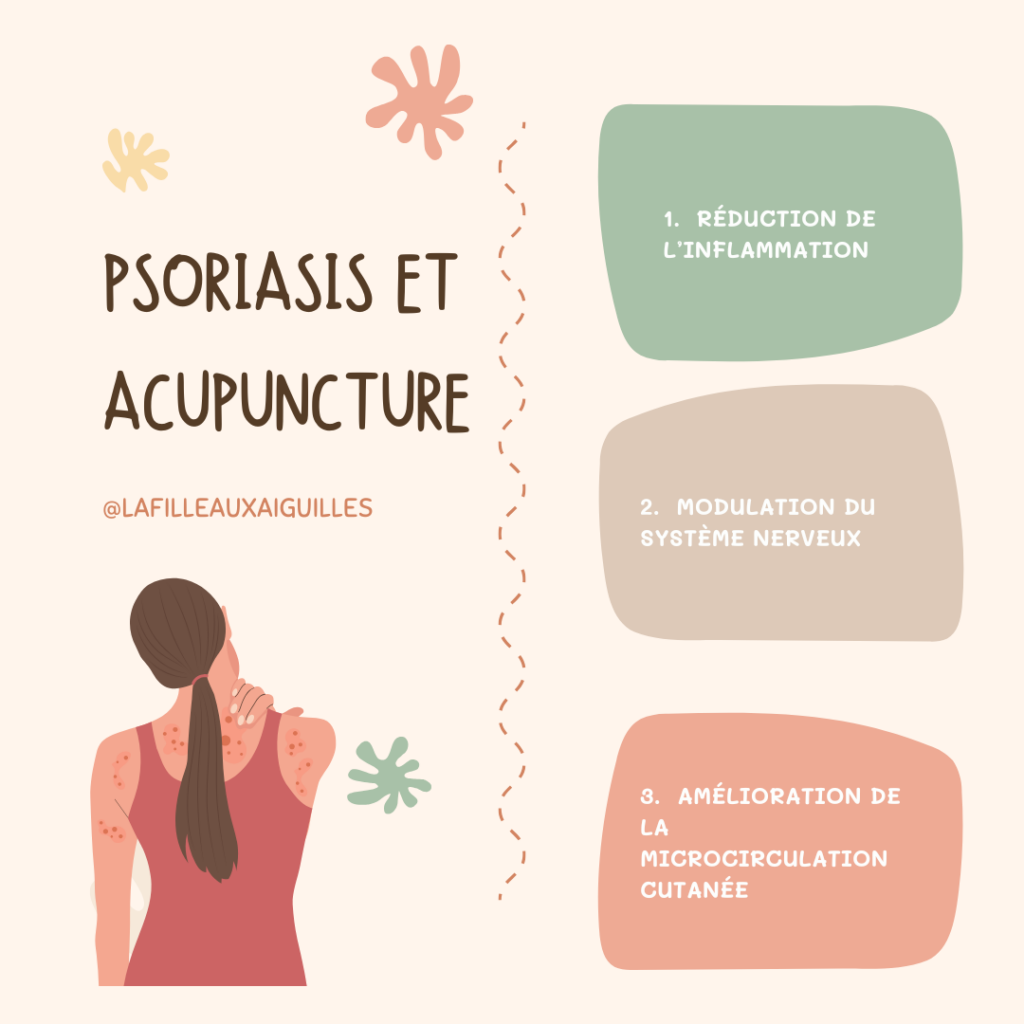
  • Reduced inflammation: A study published in Evidence-Based Complementary and Alternative Medicine (2021) observed that acupuncture might lower levels of inflammatory cytokines, such as TNF-α and IL-17, which play a key role in the development of psoriasis.
  • Modulation of the nervous system: According to a systematic review published in The Journal of Dermatological Treatment (2019), acupuncture may help to reduce stress and anxiety, factors often associated with psoriasis flare-ups.
  • Improved skin microcirculation: A Chinese study (2020) reported that acupuncture might improve blood circulation in inflamed areas, which could help to reduce psoriatic plaques.
  • Reduced symptoms: Research published in 2022 in Complementary Therapies in Medicine observed that 78% of patients treated with acupuncture reportedly noticed an improvement in their symptoms, including less itching and erythema.
  • Improved general well-being: Some studies suggest an improvement in quality of life with acupuncture, based on the DLQI (Dermatology Life Quality Index).

Examples of clinical studies

  • Randomised clinical trial (2021): A trial reportedly compared patients receiving acupuncture sessions with a control group treated only with topical creams, with a greater improvement in the extent of plaques in the acupuncture group. These results still need to be confirmed.
  • Meta-analysis (2020): Analyses pooling several studies suggest that acupuncture, combined with the treatments prescribed by the dermatologist, may help to reduce skin symptoms and improve psychological well-being.

Case study: acupuncture in action

A 40-year-old man who had suffered from psoriasis for 10 years came for a consultation for extensive erythematous plaques on his elbows and knees. The main symptoms were intense itching and excessive scaling.

  • Results after 6 weeks:
  • Reduced itching.
  • Visible reduction of the plaques.
  • Improved quality of life.

Conclusion

Acupuncture is a promising complementary approach for patients with psoriasis, alongside their medical follow-up. Although large-scale studies are still needed, preliminary data and clinical cases suggest a noticeable improvement in symptoms and quality of life. For optimal results, an accurate diagnosis and treatment adapted to individual needs are essential.

Anxiety and acupuncture

anxiety stress acupuncture

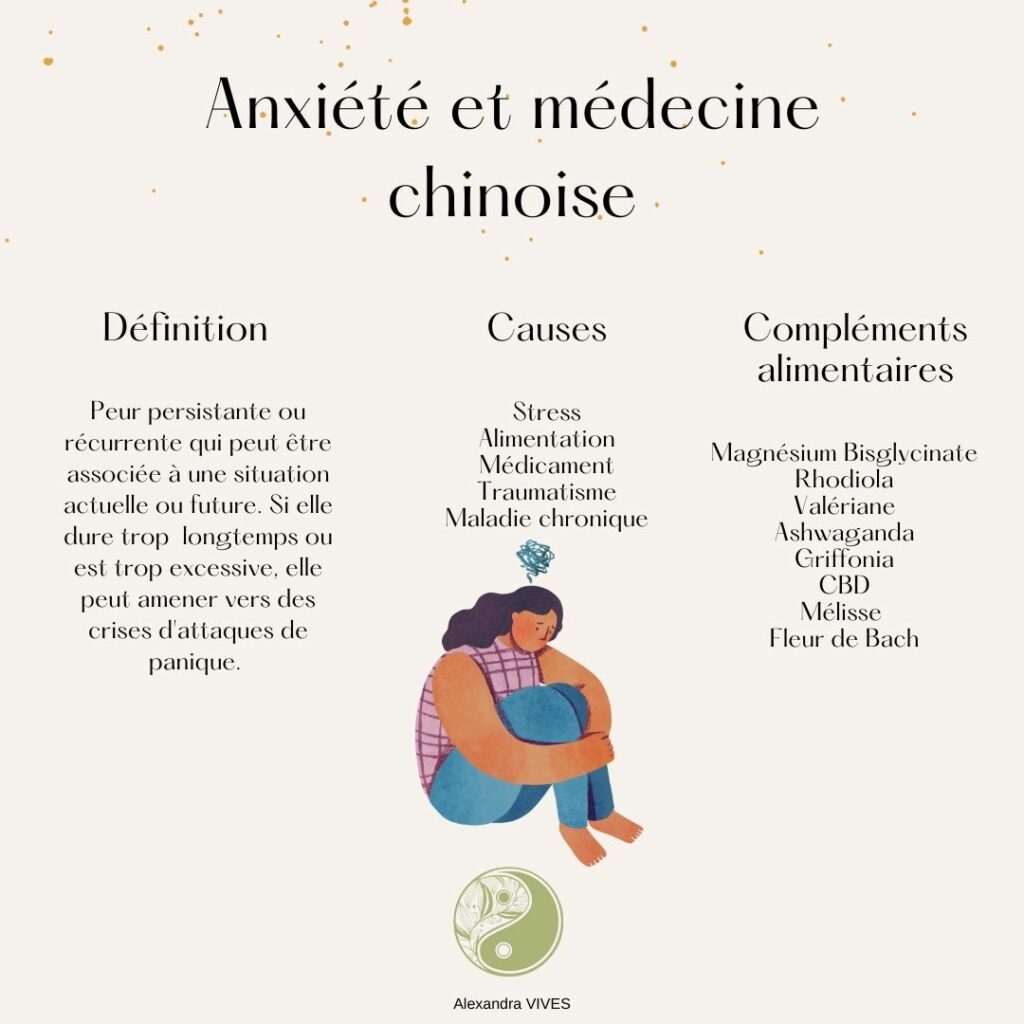
Anxiety is a feeling that covers several emotional disorders, sometimes including panic attacks and phobias.

Some experts believe that biological and psychological links may be the cause of the problem.

The main symptoms are sleep disorders (insomnia), excessive tension and nervousness.

Managing emotions and anxiety with acupuncture

If you experience prolonged or overly intense anxiety with symptoms that disrupt your everyday life, see your doctor.

The food supplements are given here for information only and in no way replace a medical diagnosis. Always ask your doctor or pharmacist for advice in order to avoid drug interactions or contraindications.

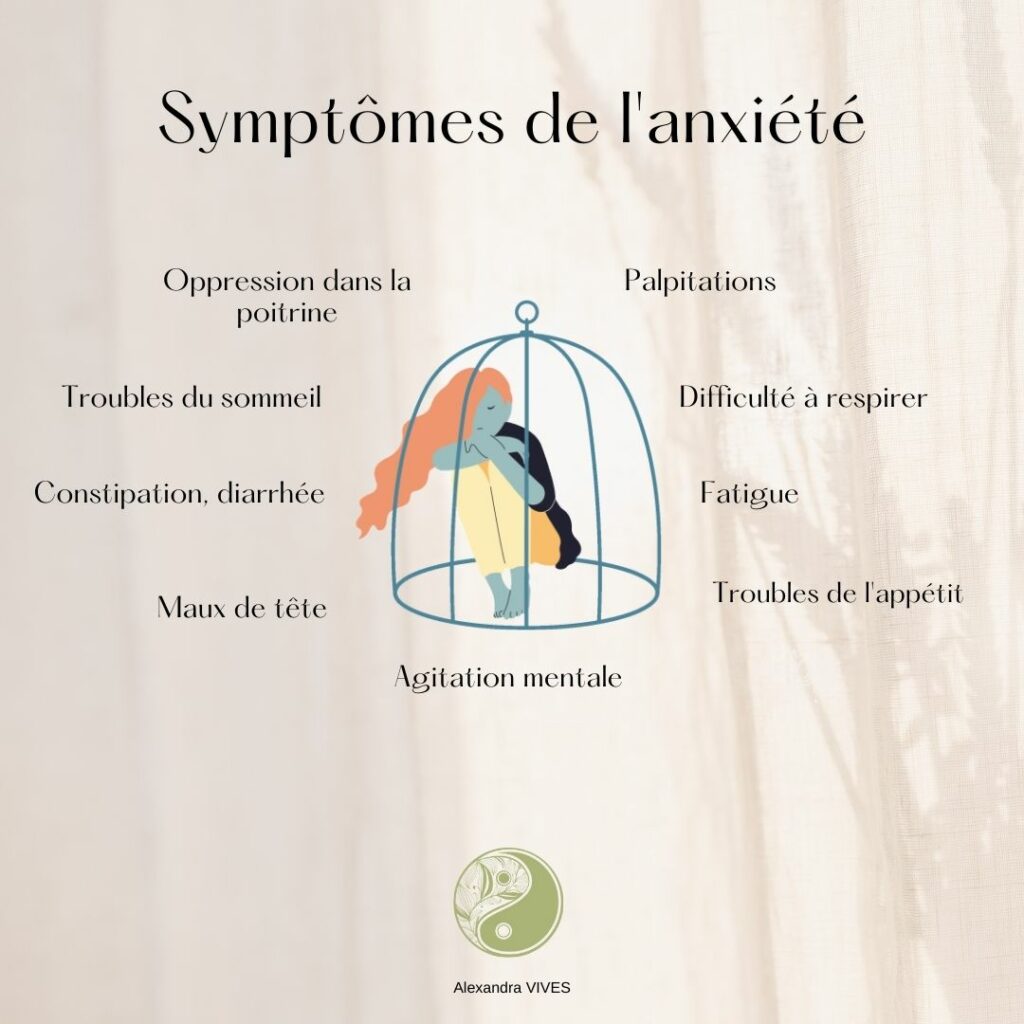
 the symptoms of anxiety
palpitations 
panic attack 
fatigue
tightness in the chest 
headaches
restlessness
symptoms of anxiety

Diet and anxiety

In general, it is good to eat:

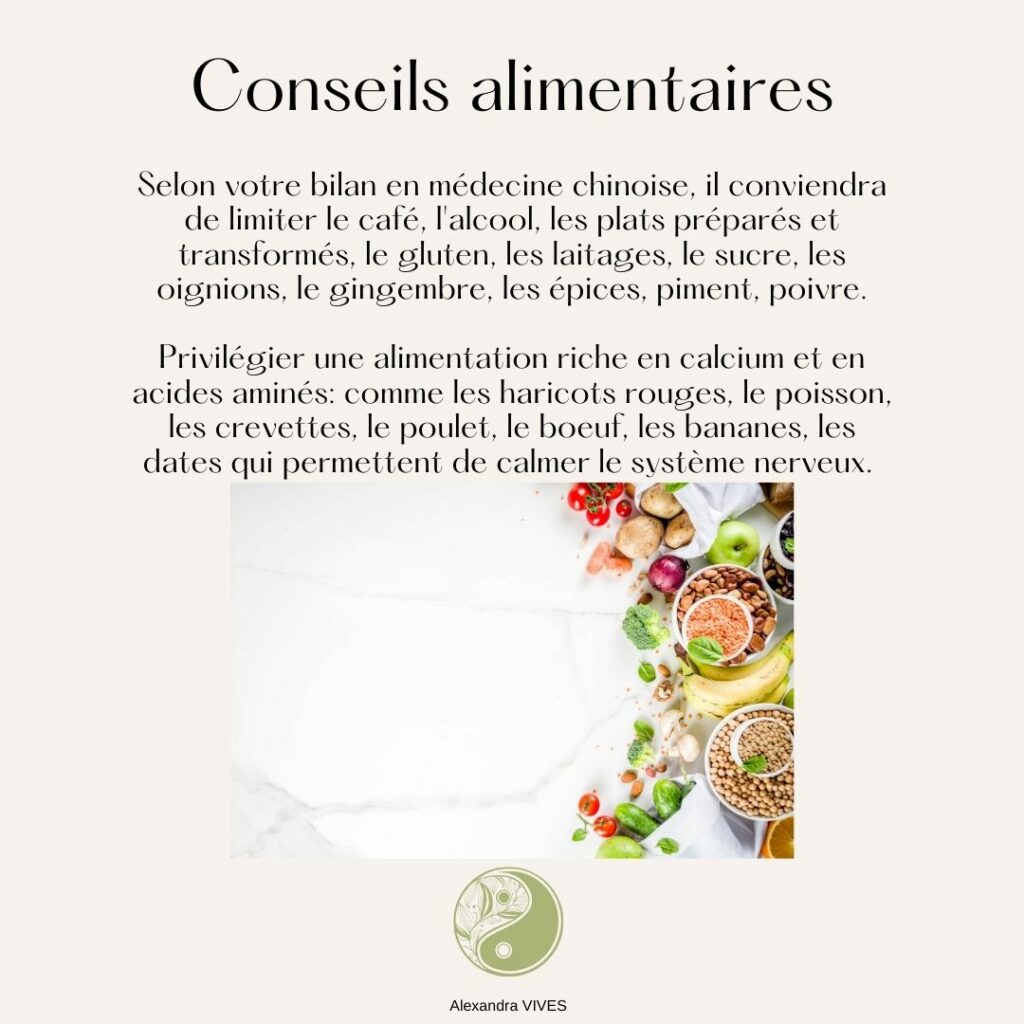
-Fish: carp, trout, sole, pollock, salmon, tuna, seafood (oysters, mussels, prawns, crab)

Cereals and pulses: wheat germ, rye bread, beans (haricot, kidney, green), lentils, maize, barley, rice, sesame.

Vegetables: artichoke, aubergine, avocado, Swiss chard, beetroot, carrot, celery, squash, courgette, pumpkin, chicory, spinach, lamb’s lettuce, turnip.

Fruit: apricot, lemon, orange, mandarin, date, fig, melon, pomegranate, watermelon, pear, apple, grapes.

Meat and cured meats are too stimulating and harmful in cases of distress and anxiety, except duck and chicken.

Conversely, some foods will make the symptoms worse, such as sweets, refined and sugary processed products (biscuits, fizzy drinks), fatty and fermented cheeses, and too much chocolate, coffee and tea. Limit alcohol.

diet and anxiety

Garlic is an excellent ally when cooking dishes, as it improves the general circulation of blood and energy.

Eating hazelnuts, chestnuts or walnuts several times a day may help to offset the effects of stress.

Anxiety: what can you do?

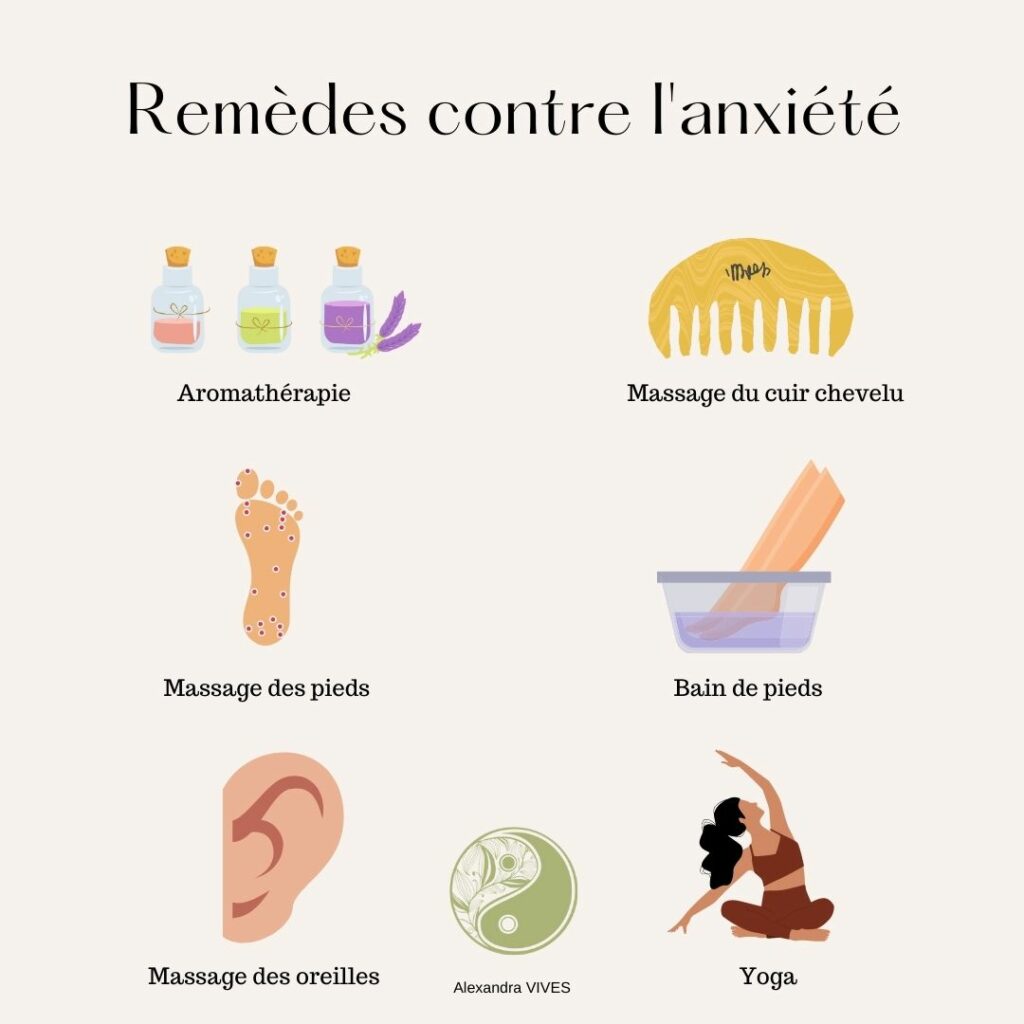
Creating a routine may help to improve the symptoms, for example massaging the areas that reduce tension (the head, the ears and the feet).

Practise a gentle activity such as yoga, stretching, meditation, Qi Gong or Tai Chi.

Taking a foot bath with essential oils for about 20 minutes in the evening may promote better sleep.

Tips for anxiety
Anxiety: what can you do?

Stress and acupuncture

managing stress with herbs, osteopath acupuncture
how to manage stress

Stress can show itself through many symptoms such as:

It can become a chronic condition or may have appeared recently (coronavirus, lockdown). Chronic stress has repercussions on health, in particular an increased risk of high blood pressure, reduced immunity, diabetes….

How can you manage stress?

There are several studies on stress and breathing. Gentle activities such as yoga, meditation and walking in nature are beneficial.

stress and breathing 
stress management in Aix-en-Provence
stress and breathing

Meditation and yoga encourage relaxation and calm states of anxiety. Breathing exercises may help to quickly calm the nervous system and could change cholesterol levels. As a reminder, stress is harmful to the immune system.

stress anxiety acupuncture may help. book an appointment with an acupuncturist in Aix-en-Provence
stress, anxiety, acupuncture can support you

Acupuncture

In Traditional Chinese Medicine, there are many acupuncture points for regulating anxious states and stress. Several studies suggest that acupuncture may have a positive impact on stress, an antidepressant effect, a lower heart rate and consequently lower high blood pressure, as well as an anti-inflammatory action.

The acupuncturist often also gives herbs to calm. Many herbs may have an effect on mood, without replacing antidepressant treatment. Others act like neurotransmitters and may increase resistance to stress. Some act as appetite regulators, or regulate sleep and insomnia.

References:

https://www.ncbi.nlm.nih.gov/pmc/articles/PMC4203477/

https://www.ncbi.nlm.nih.gov/pmc/articles/PMC6625224/

https://www.ncbi.nlm.nih.gov/pubmed/28712475

https://www.ncbi.nlm.nih.gov/pmc/articles/PMC6625224/

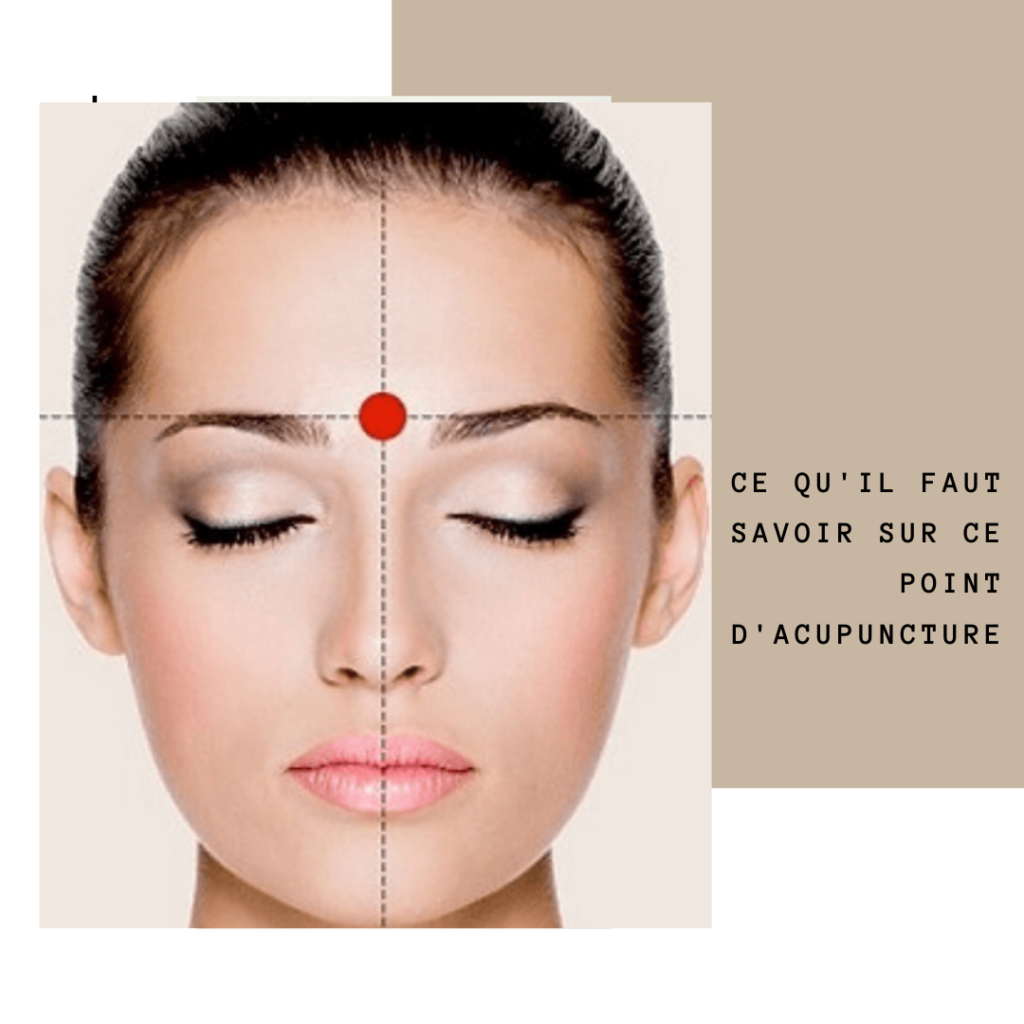
Yintang

YinTang or third eye point for insomnia anxiety depression
yintang point

Origin of the Yintang point

Acupuncture can help with psychological and emotional disorders (stress and anxiety). Widely used in treatments, Yintang is located in the space between the eyebrows.

Called the “palace of the mind”, it is a so-called “extraordinary” point. It is also known as the point of feelings and emotions. It has an effect on the intellect, the emotions and consciousness. It corresponds to the upper Dantian.

It corresponds to the “3rd eye” or sixth chakra: Ajna. This chakra symbolises intuition, clarity, meditation and confidence. “I see”

YinTang may help to calm the mind, improve concentration, release emotions, promote sleep, relieve migraines and support states of depression in liaison with the doctor.

Linked to the Heart meridian, local redness or warmth indicates states of heat or excess yang.

Its colour and texture help to diagnose the person’s state of health.

Indications

  • Anxiety, depression,
  • Insomnia,
  • Mental agitation,
  • Headaches, migraines,
  • Sinusitis, nasal congestion, rhinitis
  • Hangover,

This point is used for many reasons for consultation. It is often used in sessions such as weight loss or stopping smoking.