
acupuncture and PMS
Effects of acupuncture on premenstrual syndrome: a scientific approach
Introduction
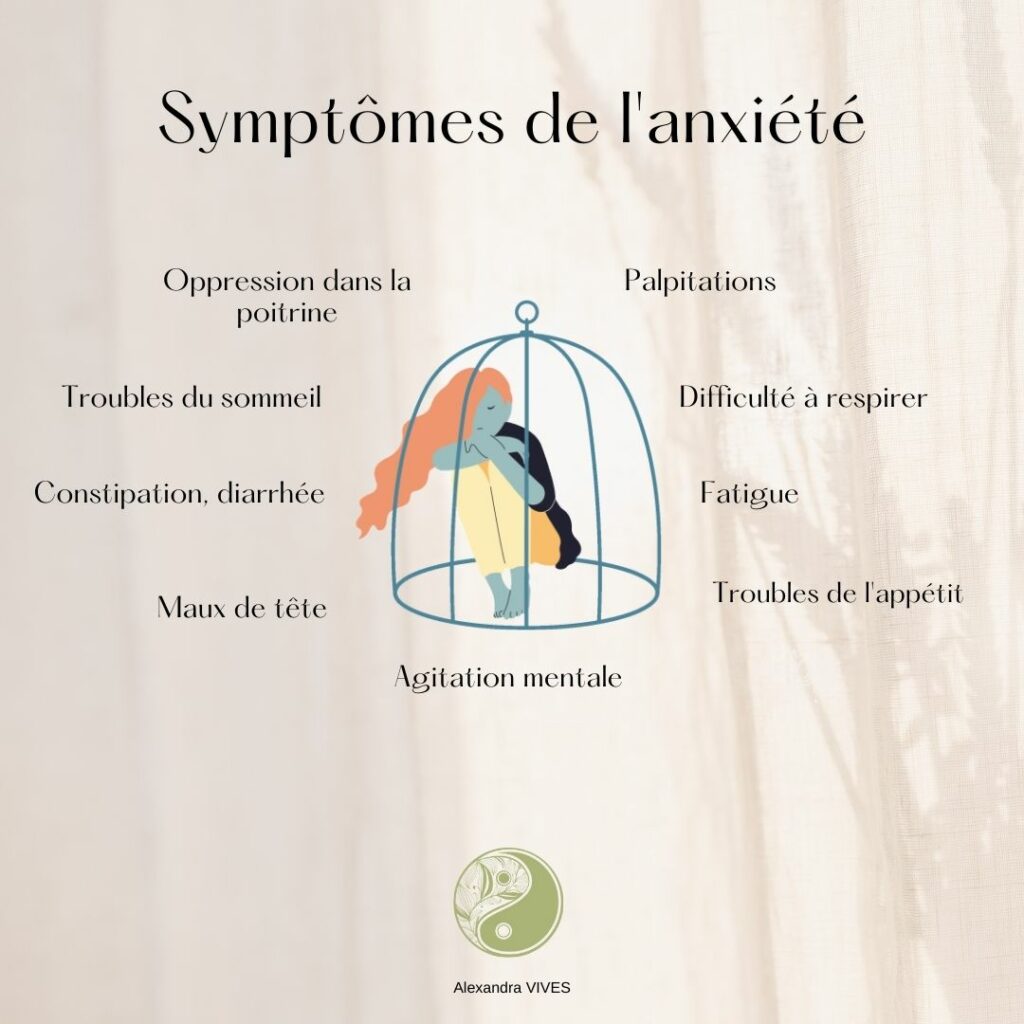
Premenstrual syndrome (PMS) affects a majority of women of childbearing age, with a wide range of symptoms, from abdominal pain, migraines and fatigue to emotional symptoms such as irritability and anxiety. These symptoms, which appear in the days before menstruation, can significantly affect quality of life.
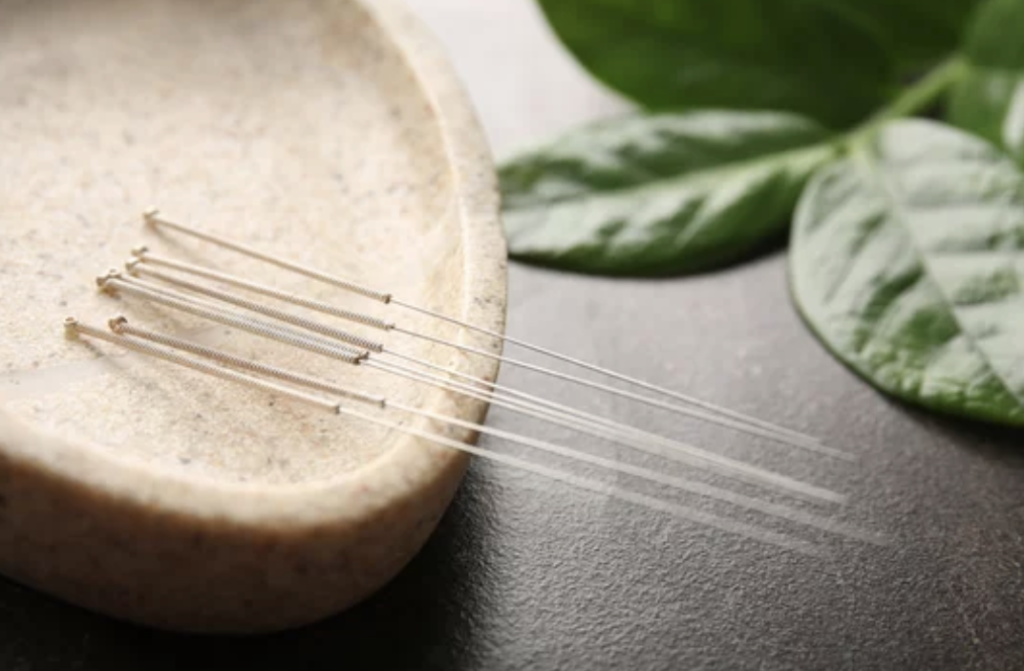
Despite the range of conventional treatments, from anti-inflammatories to hormonal therapies, their effectiveness is often limited by unwanted side effects. In this context, acupuncture, which comes from Traditional Chinese Medicine, is attracting growing interest as a complementary therapy. This article looks at the effect of this practice on PMS, drawing on recent scientific studies to assess its effectiveness and its mechanism of action.
Here is, in detail, how acupuncture works in the context of PMS, from both a traditional and a scientific point of view:
How does acupuncture work for PMS?
According to Traditional Chinese Medicine (TCM)
In TCM, premenstrual syndrome is seen as an energy imbalance linked to the liver, spleen and kidney organs. These imbalances can cause stagnation of Qi (vital energy) and blood, which is often responsible for pain and irritability.
Acupuncture works by:
- Freeing the Qi: by stimulating points such as LR3 (Liver 3) or SP6 (Spleen 6), it helps to restore the flow of energy, relieving the blockages responsible for pain and tension.
- Balancing the emotions: points linked to the liver are often stimulated to calm irritability and regulate the emotions, as this organ is associated with managing stress in TCM.
According to modern science
Scientific research has identified several physiological mechanisms that explain the beneficial effects of acupuncture on PMS:
- Modulation of the nervous system
- Acupuncture stimulates the peripheral nerves, sending signals to the brain and spinal cord.
- This activation leads to the release of endorphins and enkephalins, natural substances that reduce pain and create a feeling of well-being.
- Effect on neurotransmitters
- Some studies suggest that acupuncture influences levels of serotonin and dopamine, two neurotransmitters that are essential to mood regulation.
- This may explain why it may help to reduce the emotional symptoms of PMS, such as anxiety, depression and irritability.
- Hormonal regulation
- Acupuncture acts on the hypothalamic-pituitary-ovarian axis, regulating the production of key hormones such as oestrogen and progesterone.
- This helps to stabilise menstrual cycles and ease the symptoms linked to hormonal variations.
- Reduction of inflammation
- Acupuncture points stimulate the release of anti-inflammatory molecules while decreasing the production of pro-inflammatory cytokines such as TNF-alpha.
- This modulation of inflammatory responses helps to reduce the abdominal and muscular pain often associated with PMS.
- Improved blood circulation
- Menstrual cramps can be made worse by poor circulation in the pelvic area. Acupuncture dilates the blood vessels and improves local blood flow, which may help to relieve pain.
Physiological explanations
The potential benefit of acupuncture in supporting premenstrual syndrome is thought to rest on several identified physiological mechanisms:
- Hormonal regulation
PMS is often associated with a hormonal imbalance, in particular excessive fluctuation of oestrogen and insufficient progesterone. Some studies suggest that acupuncture can influence the hypothalamic-pituitary-ovarian axis, regulating the production of sex hormones. This helps to stabilise menstrual cycles and ease the symptoms of PMS. - Effect on the nervous system
Acupuncture activates the parasympathetic nervous system, promoting a state of relaxation. It also modulates the release of neurotransmitters such as serotonin and endorphins, which may explain its positive impact on the emotional symptoms linked to PMS, such as anxiety and irritability. - Reduction of inflammation
Chronic inflammation plays a role in menstrual pain and in some symptoms of PMS. By stimulating certain specific points, acupuncture can reduce the production of pro-inflammatory cytokines, which helps to relieve pain and muscle tension. - Improved blood circulation
The cramps and pain associated with PMS can be linked to poor blood circulation in the pelvic area. Acupuncture may improve local blood flow by dilating the vessels, which may help to reduce pain and spasms.
Benefits- Non-invasive treatment: unlike medication or surgery, acupuncture carries no major health risks.Minimal side effects: complications are rare and are generally limited to slight pain or redness where the needles were placed.Holistic approach: acupuncture takes all of the body’s imbalances into account, making it possible to support both physical and emotional symptoms.
Review of scientific studies with detailed references
- Randomised clinical trial (2018)
A randomised controlled study published in PLOS ONE compared the effectiveness of real and sham acupuncture in 141 women with PMS. The authors observed a significant reduction in the intensity of abdominal pain and emotional symptoms, with a more marked improvement in the group that received real acupuncture.- Reference: Armour M, Ee C, Hao J, Wilson TM, Yao SS, Smith CA. Acupuncture for premenstrual syndrome (PMS): A randomized controlled trial. PLoS One. 2018;13(2):e0191517. doi:10.1371/journal.pone.0191517.
- Meta-analysis (2020)
A meta-analysis of 11 clinical trials, published in Complementary Therapies in Medicine, observed that acupuncture may significantly reduce the physical symptoms (pain, cramps) and psychological symptoms (anxiety, irritability) of PMS. The authors noted, however, that the heterogeneity of the protocols limited how far the results could be generalised.- Reference: Liu J, Liu S, Yin F. Efficacy of acupuncture in the management of premenstrual syndrome: A systematic review and meta-analysis. Complement Ther Med. 2020;49:102352. doi:10.1016/j.ctim.2020.102352.
- Pilot study (2022)
A trial published in the Journal of Women’s Health examined the effects of acupuncture on cortisol levels, which are often high in women with PMS. After 8 sessions, participants reported a significant improvement in their mood, correlated with a decrease in cortisol levels.- Reference: Zhang X, Huang L, Wang S. Acupuncture and stress regulation in women with premenstrual syndrome: A pilot study. J Women’s Health. 2022;31(5):453-459. doi:10.1089/jwh.2021.0458.
Physiological explanations supported by research
Reference: Li F, Wu J, Song H. The anti-inflammatory effects of acupuncture on cytokine modulation in menstrual pain and PMS. Pain Med. 2021;22(6):815-823. doi:10.1093/pm/pnz126.
Hormonal regulation
Some studies suggest that acupuncture may stabilise oestrogen and progesterone levels by modulating the hypothalamic-pituitary-ovarian axis. Research published in Endocrinology Letters (2019) found a correlation between acupuncture and hormonal balance in women with PMS.
Reference: Kim YJ, Park H. Effect of acupuncture on endocrine and hormonal changes in women with PMS. Endocrinol Lett. 2019;40(3):281-286.
Reduction of inflammation
By stimulating certain specific points, such as SP6 and LR3, acupuncture may reduce pro-inflammatory cytokines. A study published in Pain Medicine (2021) observed that this practice may lower levels of TNF-alpha, which is involved in menstrual pain.
Conclusion
Acupuncture presents itself as an innovative approach, studied with encouraging but still limited results, to managing premenstrual syndrome. Although it does not replace conventional medical treatment, it can offer noticeable relief, especially for women looking for natural, minimally invasive solutions.
However, to confirm these benefits on a large scale, rigorous, well-controlled clinical trials with standardised protocols are still needed. Alongside traditional treatments, acupuncture is a promising avenue in the overall support of PMS.