
Acupuncture and tinnitus: a holistic approach to improve day-to-day comfort

Tinnitus affects many people and can become particularly hard to live with when it persists over time. Buzzing, whistling, permanent or intermittent sound sensations… these symptoms can have a significant impact on sleep, concentration, stress and quality of life.

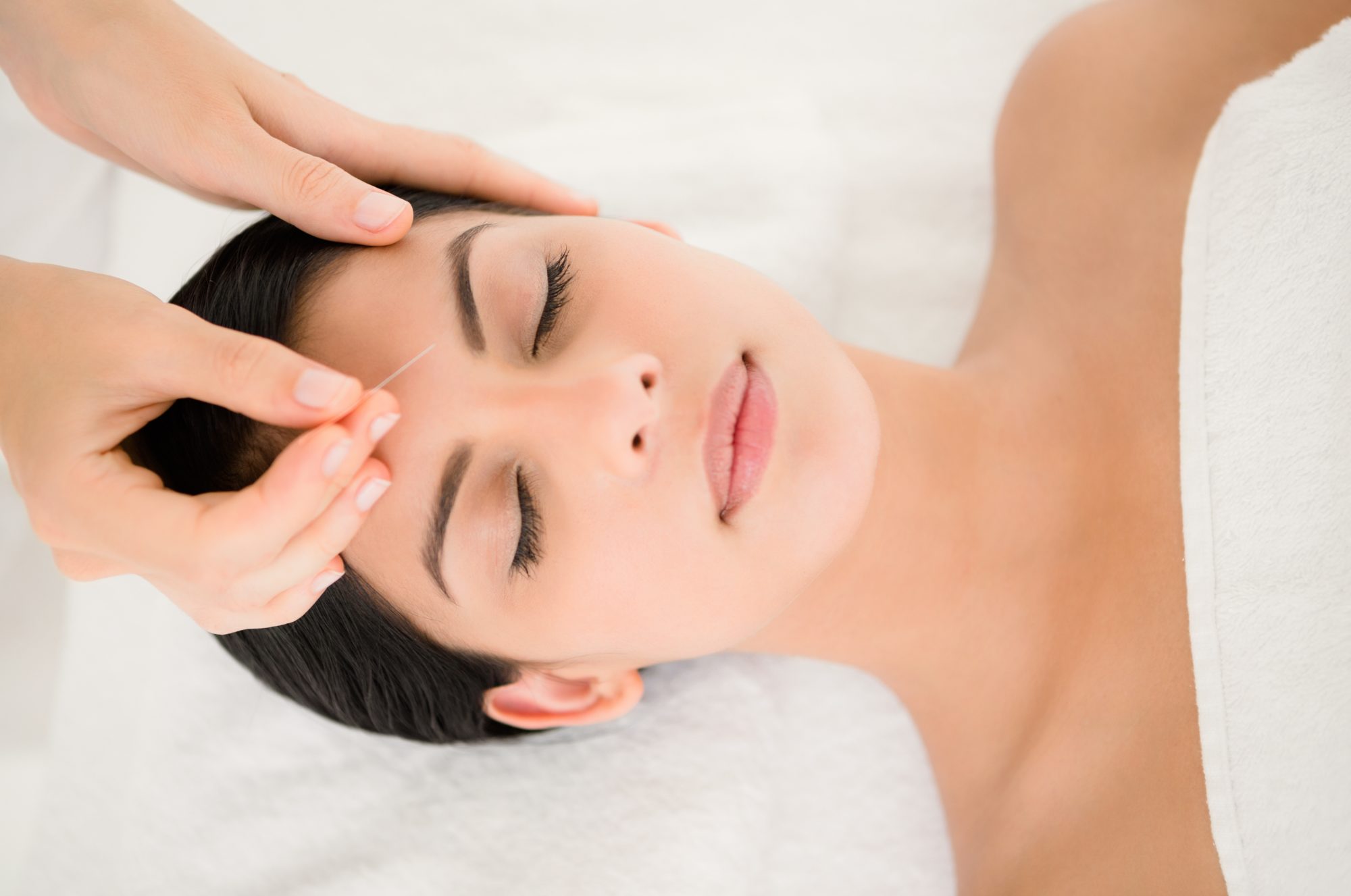
Faced with these often complex disorders, some people turn to acupuncture as part of a complementary, holistic approach.


What is tinnitus?

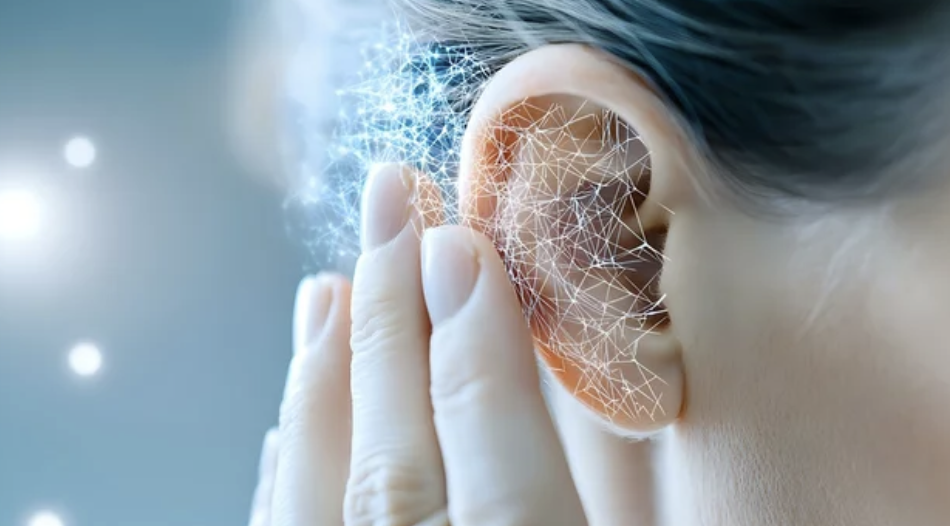
Tinnitus is the perception of sound with no real external source.

People often describe:

  • whistling;
  • buzzing;
  • crackling;
  • pulsing;
  • a sensation of continuous or intermittent noise.

Tinnitus can affect one ear or both.


What can cause tinnitus?

Tinnitus has multiple origins, which are sometimes combined:

  • stress and nervous fatigue;
  • neck tension;
  • jaw disorders (TMJ);
  • exposure to noise;
  • auditory fatigue;
  • sleep disorders;
  • anxiety;
  • certain ear, nose and throat (ENT) conditions.

In some cases, no specific cause is found.


What role does acupuncture play in tinnitus?

In Traditional Chinese Medicine, tinnitus is often associated with energy imbalances involving in particular:

  • the nervous system;
  • circulation;
  • tension;
  • fatigue;
  • certain functional imbalances.

Acupuncture aims to support the body through a holistic approach by working on:

  • relaxation;
  • stress regulation;
  • muscle tension;
  • circulation;
  • the general balance of the body.

Tinnitus and stress: a frequent link

Many people notice their tinnitus increasing during:

  • periods of stress;
  • intense fatigue;
  • overwork;
  • anxiety;
  • lack of sleep.

The nervous system plays an important role in the perception and intensity of the symptoms.

Acupuncture is often sought out to encourage a state of deep relaxation and improve stress management.


Acupuncture and neck tension

Tension in:

  • the neck;
  • the trapezius muscles;
  • the jaw;
  • the temporomandibular joint

can sometimes be associated with certain types of tinnitus.

The holistic approach of acupuncture may then be worthwhile to support these functional tensions.


What does research say about acupuncture and tinnitus?

Several studies have looked at the use of acupuncture in the management of tinnitus. Some suggest a possible improvement in comfort and quality of life for some patients.

However, results remain variable depending on:

  • how long the symptoms have been present;
  • their origin;
  • the person’s constitution;
  • the associated level of stress.

Acupuncture does not replace a medical ENT assessment, particularly in the case of:

  • sudden onset;
  • hearing loss;
  • dizziness;
  • pulsatile tinnitus;
  • unusual symptoms.

How many sessions are needed?

The number of sessions depends on each person.

Recent tinnitus can sometimes respond more quickly than disorders that have been present for several years.

Regular sessions are often suggested at the start in order to assess how the symptoms evolve.


Some additional advice

Alongside the sessions, some habits may help:

  • improving sleep;
  • limiting chronic stress;
  • reducing exposure to noise;
  • working on neck tension;
  • practising breathing or relaxation;
  • maintaining a healthy lifestyle.

FAQ – Acupuncture and tinnitus

Can acupuncture help tinnitus?

Some people consult for support with their tinnitus, particularly when it is associated with stress, fatigue or neck tension.


Can acupuncture make tinnitus go away?

Results vary from person to person and depending on the origin of the symptoms. The aim is often to improve comfort and quality of life.


How long does it take to feel the effects?

Some people feel an improvement quickly, while others need several sessions.


Is acupuncture effective for stress-related tinnitus?

As stress is frequently associated with the intensity of tinnitus, some people consult to work on relaxation and the regulation of the nervous system.


Which acupuncture points are used for tinnitus?

The choice of points depends on each person’s energy assessment and symptoms.


Is acupuncture painful?

The needles are very fine and the sensations are generally mild.


Can acupuncture be combined with ENT follow-up?

Yes, acupuncture is part of a complementary approach and does not replace medical follow-up when this is necessary.


Acupuncture consultations in Aix-en-Provence and Cadenet

I offer a holistic, personalised approach to functional disorders, stress, tension and the discomfort associated with tinnitus.

📍 Consultations in Aix-en-Provence and Cadenet.
Acupuncture and sinusitis: a natural approach to relieving ENT discomfort

Sinusitis can quickly become very uncomfortable in daily life. A feeling of pressure in the face, a blocked nose, headaches, fatigue, congestion… these symptoms can affect sleep, breathing and quality of life.

More and more people are turning to acupuncture to support ENT (ear, nose and throat) problems and improve their breathing comfort naturally.


What is sinusitis?

Sinusitis is an inflammation of the sinuses, the cavities around the nose and eyes.

It can be:

  • acute;
  • chronic;
  • linked to a viral or bacterial infection;
  • encouraged by allergies;
  • made worse by persistent inflammation or poor ventilation of the sinuses.

Common symptoms are:

  • blocked nose;
  • a feeling of pressure in the face;
  • pain in the forehead or cheekbones;
  • nasal discharge;
  • fatigue;
  • headaches;
  • a feeling of congestion.

What role does acupuncture play in ENT problems?

In Traditional Chinese Medicine, ENT problems are often associated with imbalances linked to the flow of energy, dampness, heat or the body’s defences.

Acupuncture aims to restore a better overall balance using fine needles placed on specific points of the body.

For sinusitis and ENT congestion, acupuncture can be used to support:

  • the feeling of a blocked nose;
  • facial tension;
  • congestion;
  • associated headaches;
  • recurring chronic problems;
  • sinusitis linked to seasonal allergies.

Acupuncture and chronic sinusitis

Some people suffer from almost constant congestion or repeated sinusitis throughout the year.

Stress, fatigue, allergies or chronic inflammation can keep these problems going.

Acupuncture then offers a more holistic approach aimed at:

  • improving circulation;
  • supporting the body’s ability to adapt;
  • encouraging drainage;
  • reducing tension;
  • supporting an inflammatory tendency.

What benefits are sought?

Patients often come to try to improve:

Nasal breathing

A better feeling of air passing through and less congestion.

Facial pain and pressure

In particular in the forehead, sinuses and cheekbones.

Associated headaches

ENT tension can sometimes encourage headaches or a “heavy” head.

Overall comfort

Sleep, fatigue and the feeling of well-being can also be affected when breathing is disrupted.


What does research say about acupuncture and sinusitis?

Several studies have looked at the use of acupuncture for ENT problems and chronic sinusitis. Some suggest a potential benefit for quality of life, nasal congestion and patient comfort.

Results vary depending on the person and the origin of the symptoms.

Acupuncture does not replace medical follow-up, in particular in cases of:

  • high fever;
  • severe pain;
  • serious infection;
  • bacterial sinusitis requiring specific treatment.

How many sessions are needed?

The number of sessions depends on:

  • how long the symptoms have been present;
  • the person’s constitution;
  • how often sinusitis occurs;
  • the person’s general health.

Recent problems sometimes respond more quickly than chronic congestion that has been present for several years.


A few additional tips

Alongside sessions, some habits can help:

  • nasal rinsing with saline solution;
  • good hydration;
  • limiting irritants;
  • managing stress;
  • getting enough sleep;
  • regular physical activity.

FAQ: acupuncture and sinusitis

Can acupuncture help with sinusitis?

Acupuncture can be used to support some of the discomforts linked to sinusitis and ENT congestion, in particular the feeling of a blocked nose, facial tension or associated headaches.


Is acupuncture effective for chronic sinusitis?

Some people with chronic or recurring sinusitis come to improve their breathing comfort and reduce episodes of congestion.


How many sessions are needed for sinusitis?

It depends on how long the symptoms have been present and on the person’s constitution. Acute and recent problems can sometimes improve more quickly than chronic congestion.


Which acupuncture points are used for sinusitis?

The choice of points depends on each person and on the assessment carried out during the session. In Traditional Chinese Medicine, points are adapted according to the symptoms and the person’s constitution.


Can you have acupuncture for seasonal allergies?

Yes, some people come during the pollen season or for allergic rhinitis to support ENT symptoms and congestion.


Is acupuncture painful?

The needles used are very fine and the sensations are generally mild.


Acupuncture consultations in Aix-en-Provence and Cadenet

I support you with a holistic and personalised approach to functional ENT problems, congestion and the tension that goes with them.

📍 Consultations in Aix-en-Provence and Cadenet.
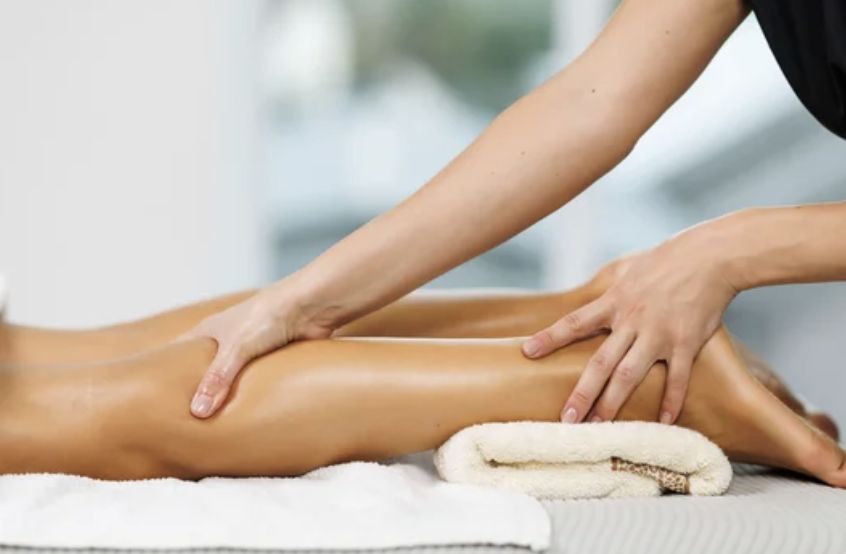
Heavy legs and oedema: what can you do to improve circulation?

The feeling of heavy legs affects many people, especially at the end of the day. It is often accompanied by swelling, known as oedema, linked to a build-up of fluid in the tissues.

This phenomenon is generally a sign of slower venous and lymphatic circulation.

👉 Fortunately, there are solutions to improve the situation.


💡 Why do we get heavy legs?

Heavy legs appear when blood and lymph circulate less efficiently. Several factors can be at the root of this:

  • Prolonged standing or sitting
  • Heat (summer, heating)
  • Venous return problems
  • Hormonal changes (menstrual cycle, PMS)
  • Intense physical activity
  • Lack of movement

👉 Result: fluids stagnate in the lower limbs, causing swelling and discomfort.


⚠️ When should you be concerned?

In some cases, medical advice is essential, particularly if you have:

  • Sudden, painful swelling
  • Suspected phlebitis
  • Significant, persistent oedema
  • A history of heart or kidney problems

👉 These situations require a medical assessment before any treatment.


👐 How can osteopathy help?

Osteopathy offers a holistic approach to improve the circulation of fluids in the body.

Treatment is not limited to the legs. It aims to act on the key structures of venous and lymphatic return:

  • The pelvis, an essential passageway
  • The diaphragm, which acts as a circulatory pump
  • The abdomen, involved in deep lymphatic drainage
  • The lower limbs

👉 The aim is to restart circulatory exchanges and to limit the stagnation of fluids.


🌿 What results can you expect?

After appropriate treatment, some people notice:

  • Less swelling
  • A feeling of lighter legs
  • Improved comfort at the end of the day
  • Better recovery after sport

🧠 A holistic approach

To optimise the effects of treatment, it is often recommended to act on several levers:

  • Moving regularly (walking, mobility)
  • Adapting your physical activity
  • Working on your breathing (diaphragm)
  • Adapting your lifestyle

👉 The aim is to support both the symptoms and their causes.


📍 When should you see an osteopath?

You can come if:

  • Your legs regularly feel heavy
  • You have swelling at the end of the day
  • You feel you recover poorly after sport
  • You are prone to water retention

📍 Osteopathy consultations in Aix-en-Provence and Cadenet

I see patients for personalised care of heavy legs and oedema, taking into account your lifestyle, your physical activity and your hormonal context.


🚀 Book an appointment

Early treatment may help to limit circulation problems becoming established.

👉 Book now for a personalised assessment
👉 Take care of your circulation and the feeling of heavy legs


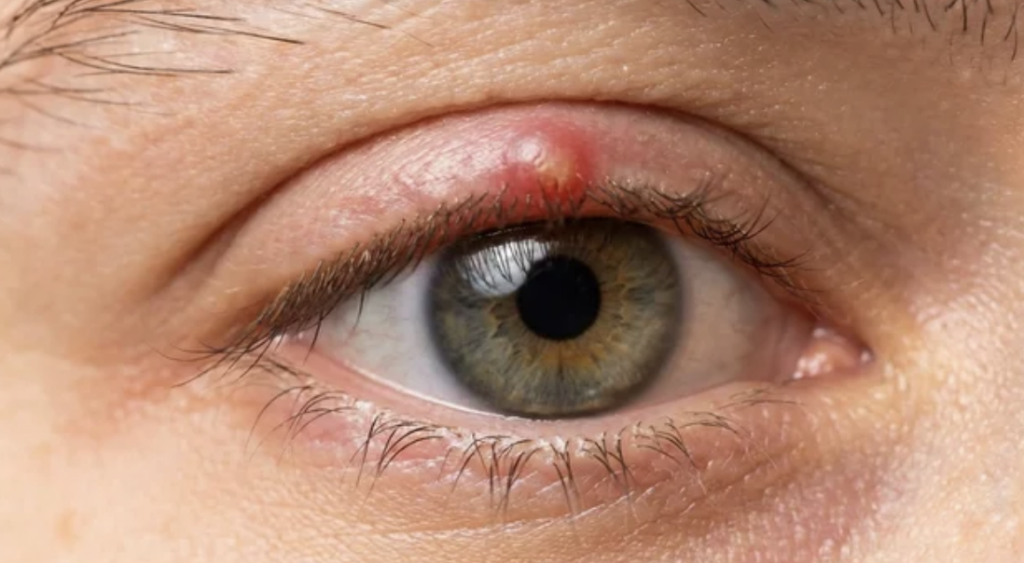
Chalazion: natural support with acupuncture and osteopathy in Aix-en-Provence and Cadenet

A chalazion is a common inflammation of the eyelid, often benign but sometimes slow to go away.
Although it can be treated medically, some complementary approaches such as acupuncture and osteopathy may help to act in depth, in particular when it recurs.

👉 Find out how a holistic approach may help reduce inflammation and limit relapses.


🔎 What is a chalazion?

A chalazion is an inflammation of a gland in the eyelid (Meibomian gland), linked to its blockage.

Common symptoms:

  • Small lump on the eyelid
  • Localised swelling
  • Feeling of discomfort
  • Sometimes associated redness

👉 Unlike a stye, it is generally not infectious and not very painful.

⚠️ Medical advice: an essential step

Before any treatment, it is important to consult a health professional (doctor or ophthalmologist) in order to:

  • confirm the diagnosis
  • rule out another condition
  • adapt the treatment if necessary

👉 Acupuncture and osteopathy are used as a complement, and not as a replacement for medical follow-up.


🌿 Why does a chalazion appear?

🔬 The Western view

  • Blocked sebaceous glands
  • Local inflammation
  • Predisposing factors (oily skin, dry eyes…)

🌱 The Traditional Chinese Medicine view

In Traditional Chinese Medicine, a chalazion is often linked to:

  • 🔥 accumulation of Heat (Liver / Stomach)
  • 🧠 stress → stagnation of energy (Qi)
  • 🍔 a rich diet (fat, sugar, dairy products)
  • 💧 poor circulation of fluids

👉 We do not treat only the eyelid, but the whole constitution.

🪡 Acupuncture for chalazion

Acupuncture aims to rebalance the body and reduce inflammation.

Aims:

  • reduce inflammation
  • encourage drainage
  • improve local circulation
  • act on internal causes (stress, digestion)

👉 Particularly useful in cases of:

  • persistent chalazion
  • frequent recurrences
  • an inflammatory tendency

👐 Osteopathy: restoring circulation

Osteopathy complements acupuncture well by acting on the mechanics of the body.

Work carried out:

  • release of cranial tension
  • improvement of microcirculation in the face
  • drainage of the ENT area (sinuses, eye area)

👉 Aim: to encourage the chalazion to resolve naturally

🔄 Why combine acupuncture and osteopathy?

Combining the two approaches allows holistic care:

  • ✔️ internal action (acupuncture)
  • ✔️ mechanical and circulatory action (osteopathy)
  • ✔️ work on the causes and not only the symptoms

🎯 Aim: a complete approach to:

  • speed up recovery
  • improve comfort
  • limit recurrences

🥗 Tips to prevent chalazia

✔️ Diet

  • limit sugar and dairy products
  • avoid too much fat
  • favour an anti-inflammatory diet

✔️ Lifestyle

  • sleep well
  • manage stress
  • avoid touching or rubbing your eyes

✔️ Local care

  • warm compresses
  • eyelid hygiene
  • gentle massage (if recommended)

📍 Consultations in Aix-en-Provence and Cadenet

I offer personalised support with acupuncture and osteopathy, adapted to your constitution and your particular problem.

👉 Each treatment is holistic, with particular attention paid to:

  • your general health
  • your diet
  • your stress levels

🎯 In summary

A chalazion is a common condition that can become chronic.
A combined acupuncture + osteopathy approach, alongside medical follow-up, may help to act on:

  • inflammation
  • circulation
  • the underlying causes

👉 For lasting, holistic care.

Stress and the menstrual cycle: understanding the link and restoring balance naturally

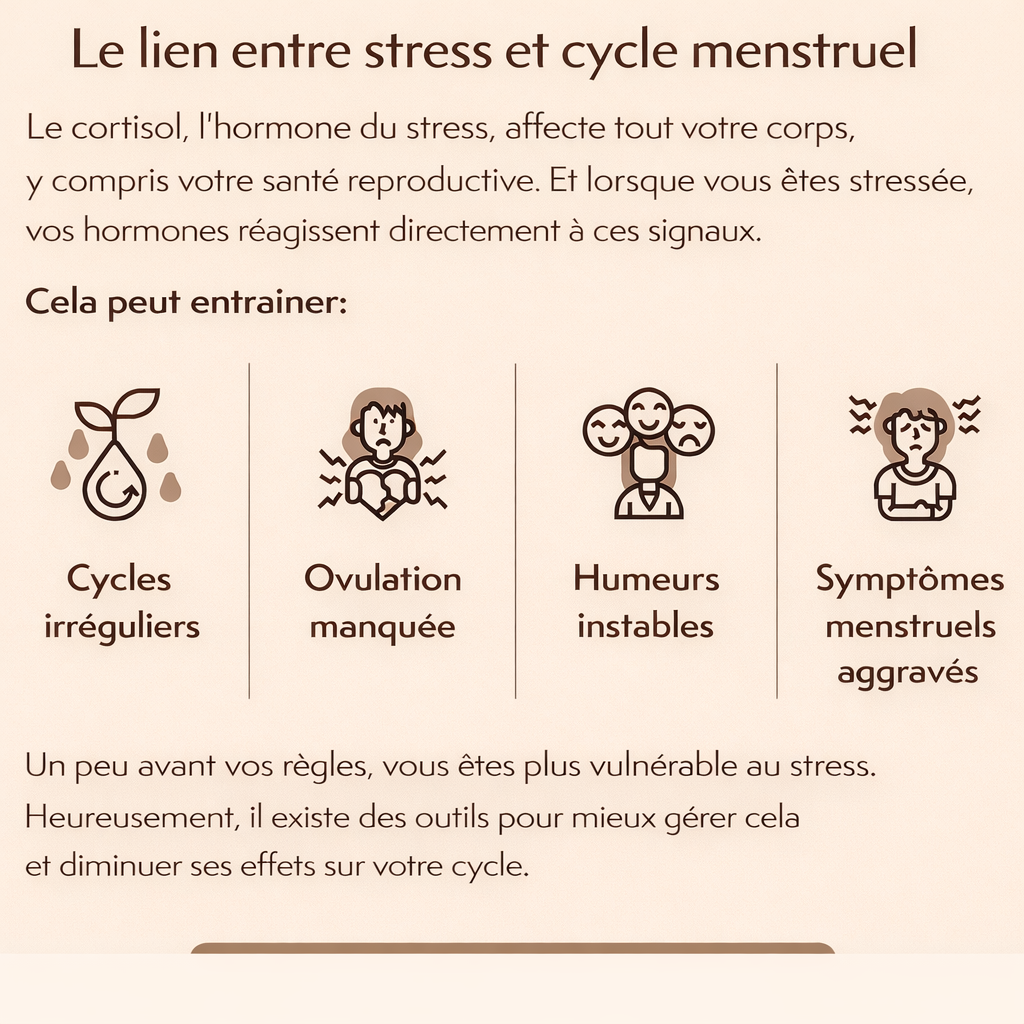
Stress is now part of everyday life… but its impact goes well beyond fatigue or mental load. It directly influences your hormonal balance and can disrupt your menstrual cycle.

Irregular cycles, no ovulation, more intense premenstrual syndrome… If this applies to you, stress may well be one of the main causes.

In this article, find out about the link between stress and the menstrual cycle, as well as natural solutions for restoring lasting balance.


The role of cortisol in your menstrual cycle

Cortisol is the main stress hormone. When it is released occasionally, it is useful. But when it becomes chronic, it deeply disrupts the hormonal system.

The body works to a simple priority: survival before reproduction.

👉 In a stressful situation, your body puts certain functions on hold, including ovulation.

The result:

  • A disrupted cycle
  • Delayed or absent ovulation
  • Oestrogen / progesterone imbalance

Stress and the menstrual cycle: what are the concrete effects?

Chronic stress can lead to several visible disruptions:

🔸 Irregular cycles

Longer, shorter or unpredictable cycles.

🔸 Disrupted or absent ovulation

Stress can block the hormonal signal needed for ovulation.

🔸 Worse premenstrual syndrome (PMS)

Irritability, anxiety, fatigue, more intense pain.

🔸 Unstable moods

Cortisol acts directly on the nervous and emotional system.


Why are you more sensitive to stress before your period?

The premenstrual phase (luteal phase) is a time of hormonal vulnerability.

👉 Progesterone gradually falls
👉 The nervous system becomes more reactive
👉 Stress tolerance decreases

This is why you may feel:

  • More irritable
  • More tired
  • More emotionally sensitive

How can you regulate your cycle naturally despite stress?

Good news: it is possible to act on your hormonal balance by reducing the impact of stress.

🌿 Acupuncture: a useful lever

Acupuncture may help to:

  • Regulate the nervous system
  • Lower cortisol
  • Support ovulation
  • Relieve PMS

Some studies suggest that it may improve cycle regularity and reduce menstrual symptoms.


🌿 Breathing and stress management

Simple techniques such as cardiac coherence breathing help to regulate the nervous system quickly.


🌿 A suitable diet

Favour:

  • Foods rich in magnesium
  • Omega-3s
  • An anti-inflammatory diet

🌿 Rest and recovery

Lack of sleep increases cortisol and disrupts hormones even further.


When should you seek help?

If you notice:

  • Persistently irregular cycles
  • No ovulation
  • Intense PMS
  • Chronic fatigue

Personalised support can help you to restore balance.


Acupuncture support in Aix-en-Provence and Cadenet

I support you in consultation to:
✔️ Rebalance your menstrual cycle
✔️ Reduce the impact of stress
✔️ Improve your hormonal comfort

📍 Practices in Aix-en-Provence and Cadenet
📅 Online appointment booking


Conclusion

Stress is a key factor in menstrual cycle disorders that is often underestimated. By understanding its impact and putting suitable solutions in place, it is possible to restore lasting hormonal balance.


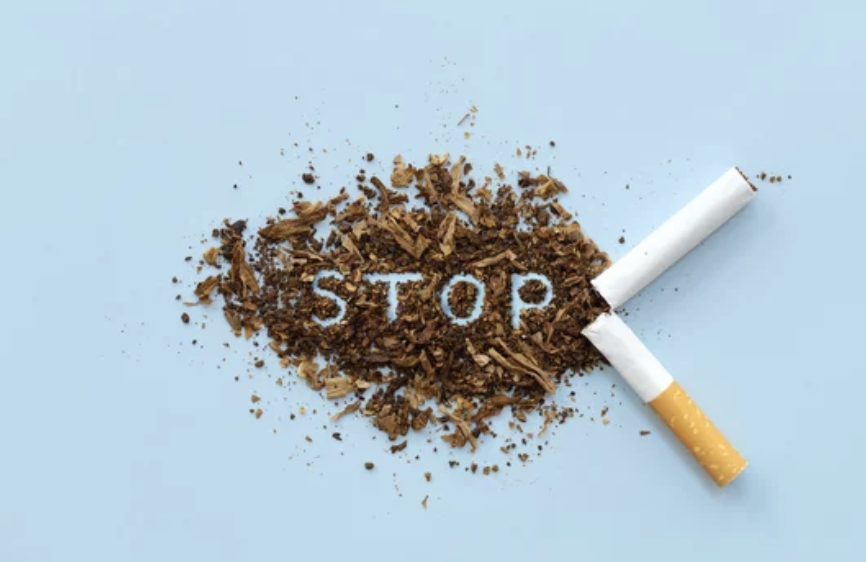
Acupuncture and stopping smoking: what can you really expect?

Stopping smoking is a difficult process, often marked by withdrawal symptoms, stress and relapses. More and more patients are turning to acupuncture as a natural option to support them.

But does it really work? And above all, what can you realistically expect from it?

This article gives you a clear, honest and realistic picture.


🔎 Can acupuncture help you stop smoking?

Yes, acupuncture can be a valuable aid when giving up smoking.
It acts mainly on the nervous and emotional system, which makes stopping easier to live with.

However, it is important to understand that it does not replace personal motivation.

👉 Acupuncture is a support tool, not a miracle cure.


✅ The real effects of acupuncture

1. Reduced withdrawal symptoms

When you stop smoking, the body reacts to the absence of nicotine. This can cause:

Acupuncture may help to ease these symptoms by regulating the nervous system.


2. Fewer cravings

Some patients experience:

  • a reduced urge to smoke
  • a feeling of “distance” from cigarettes
  • sometimes even a feeling of distaste

⚠️ This effect varies from person to person and depends heavily on motivation.


3. Managing stress and emotions

Stress is one of the main causes of relapse.

Acupuncture may help to:

  • reduce anxiety
  • improve relaxation
  • avoid compensating behaviours (snacking, nervousness)

4. Limiting weight gain

In some patients, it helps to:


❗ The limits you should know about (essential)

To avoid any disappointment, it is important to be transparent:

  • Acupuncture does not completely eliminate withdrawal
  • It does not make you “stop effortlessly”
  • It does not guarantee that you will stop for good

👉 The deciding factor remains: your decision to stop

A patient who is not ready will see few results, even with several sessions.


📊 What do the studies say?

Scientific studies show variable results:

  • improved comfort during withdrawal
  • interesting short-term results
  • but more worthwhile results when it is combined with other methods

👉 Conclusion:
Acupuncture is more worthwhile as a complement to overall support.


💡 What does the support involve?

A typical programme includes:

  • 1 to 2 sessions a week at the start
  • then sessions gradually spaced out
  • work on:
    • stress management
    • cravings
    • the overall balance of the body

Techniques such as auriculotherapy can be used to extend the effects between sessions.


🔁 How can you maximise your chances of success?

For better results, it is advisable to combine acupuncture with:

  • behavioural support
  • nicotine replacement therapy if needed
  • good stress management (breathing, physical activity)

⚠️ Acupuncture, laser or “pointer”: beware of confusion. Many patients confuse traditional acupuncture with techniques that use a laser or a needle-free stimulation “pen”. 👉 It is important to know that these methods have not shown greater effectiveness in stopping smoking. Some may bring a temporary relaxing effect, but they do not reproduce the full effects of a traditional acupuncture session, particularly on regulating the nervous system and managing withdrawal symptoms. 👉 Result: the effects are often short-lived, with a higher risk of relapse if they are used on their own.

This is why acupuncture support, as part of an overall approach, remains today the most consistent strategy for maximising your chances of stopping.

🧠 In summary

Acupuncture can:
✔️ make stopping smoking more comfortable
✔️ reduce cravings
✔️ reduce stress

But it requires:
✔️ real motivation
✔️ an overall approach


🎯 The right frame of mind

Think of acupuncture as support that helps you get through a difficult stage, not as a magic solution.

👉 It is the combination of your commitment + suitable support that will make the difference.


Would you like support to stop smoking?
Personalised follow-up means sessions can be adapted to your profile to maximise your chances of success.

Auriculotherapy in Aix-en-Provence: benefits, indications and what happens in a session

🔎 What is auriculotherapy?

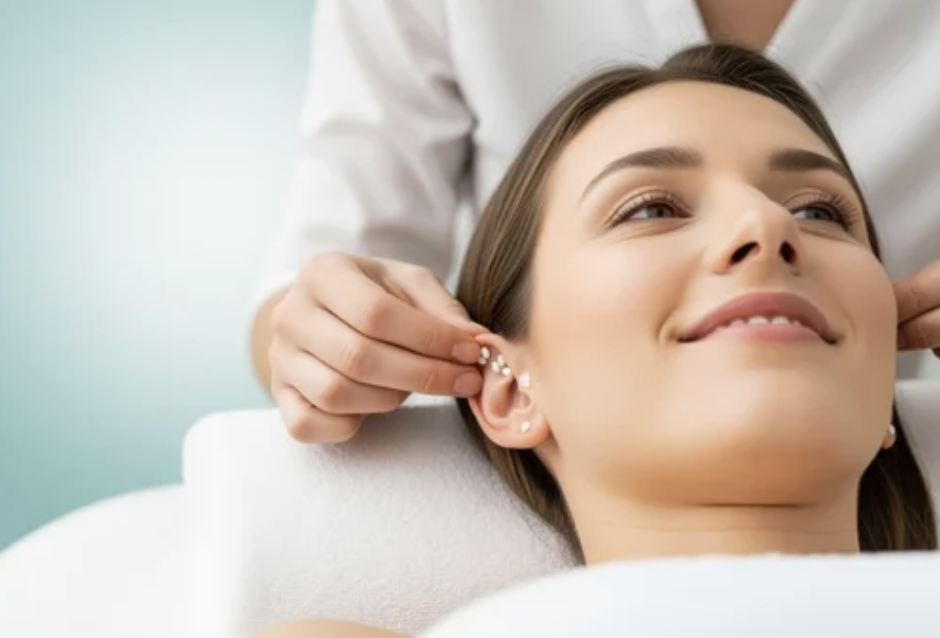
Auriculotherapy is a therapeutic technique inspired by Traditional Chinese Medicine and developed in Europe, which involves stimulating specific points on the ear.

The ear is considered a complete map of the human body: each area corresponds to an organ, a function or a region of the body.

👉 By stimulating these points (needles, seeds, laser or pressure), it is possible to act at a distance on various disorders.


🧠 How does auriculotherapy work?

Auriculotherapy is based on a close connection between the ear and the central nervous system.

Stimulating the ear points makes it possible:

  • to send signals to the brain
  • to regulate the nervous system
  • to rebalance certain physiological functions

👉 It acts in particular on:

  • stress and emotions
  • pain
  • hormonal imbalances
  • circulation

🌿 The benefits of auriculotherapy

💆‍♀️ Reducing stress and anxiety

Auriculotherapy helps calm the nervous system:

  • reduced stress
  • improved sleep
  • a feeling of deep relaxation

🔥 Pain relief

It may help to relieve:

  • neck and lower back pain
  • migraines
  • muscle tension

👉 Some people notice an improvement from the first sessions.


🌸 Hormonal and women’s health disorders

It may also be offered for:

  • premenstrual syndrome (PMS)
  • period pain
  • irregular cycles
  • fertility problems

👉 It aims to regulate the hormonal axis and reduce energy stagnation.


💧 Water retention and heavy legs

Auriculotherapy may help to:

  • improve circulation
  • reduce the feeling of heaviness
  • promote drainage

⚖️ Help with weight management and cravings

It can be used as a complement to:

  • regulate appetite
  • reduce food cravings
  • act on emotional stress

🎯 What are the main indications?

Auriculotherapy may be offered, alongside medical care, in many cases:

✔️ stress, anxiety, burnout
✔️ chronic or acute pain
✔️ digestive disorders
✔️ sleep disorders
✔️ hormonal imbalances
✔️ addictions (tobacco, sugar, food, screens)


🪡 What happens in an auriculotherapy session?

During a session at the practice:

  1. Personalised assessment (symptoms, constitution, cycle…)
  2. Detection of sensitive points on the ear
  3. Stimulation of the points:
    • very fine needles
    • or application of ear seeds

👉 The seeds help prolong the effect between sessions.


⏱️ How many sessions are needed?

It depends on the problem:

  • recent disorders: 1 to 3 sessions
  • chronic disorders: 3 to 6 sessions
  • hormonal support: regular follow-up recommended

📍 Auriculotherapy in Aix-en-Provence or Cadenet

I support you at my practice in Aix-en-Provence or Cadenet with a personalised approach based on the principles of Traditional Chinese Medicine.

Each session is adapted to your constitution and your goals:

  • pain relief
  • hormonal regulation
  • improved circulation
  • stress management
  • addiction

⭐ Why choose auriculotherapy?

✔️ Natural, gentle method
✔️ Minimally invasive
✔️ Complementary to acupuncture
✔️ Some people notice an improvement from the first sessions


🔑 Conclusion

Auriculotherapy is a solution that may help in rebalancing the body and relieving many disorders, particularly those linked to stress, pain and hormonal imbalances.

👉 An ideal approach if you are looking for natural, personalised treatment.

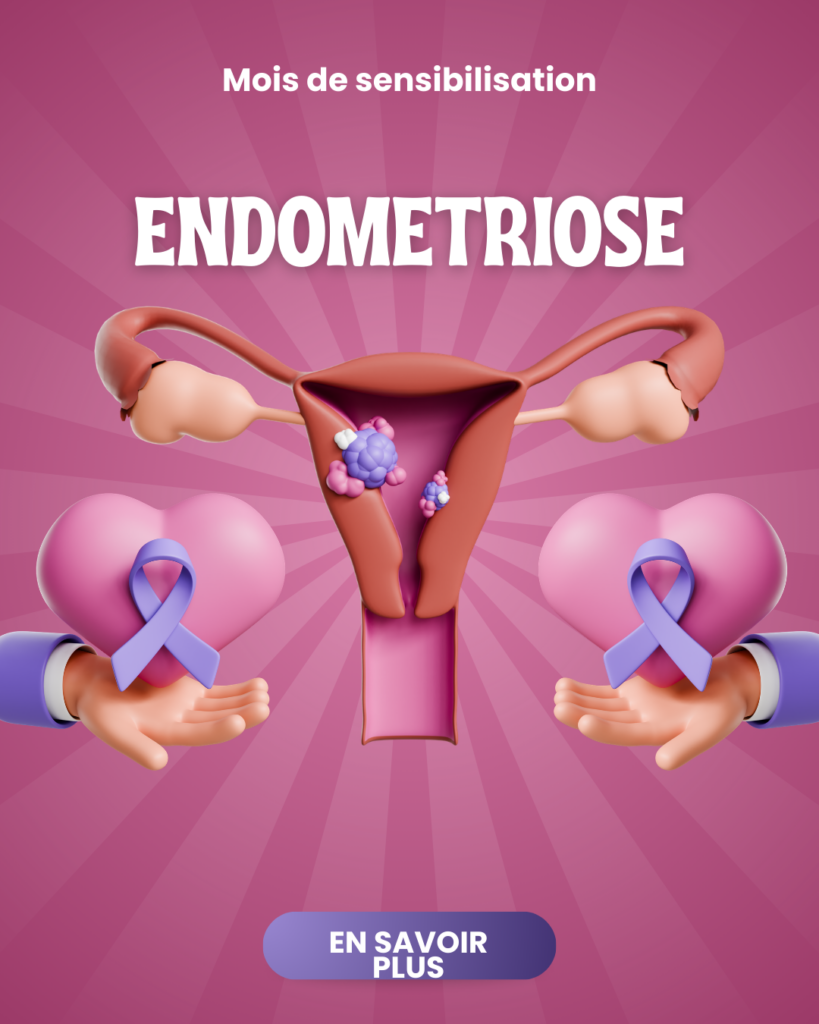
Acupuncture and endometriosis in Cadenet: a natural and holistic approach

Natural support for endometriosis in Cadenet

Endometriosis is a systemic disease involving:

  • Chronic inflammation
  • Hormonal imbalances
  • Immune dysfunction
  • Sensitisation of the nervous system

In Cadenet, more and more women are looking for an approach that complements their medical follow-up.


The role of inflammation

Chronic inflammation sustains pain and the progression of lesions.

Working on this underlying terrain is essential.


Gut, liver and hormones

The liver metabolises oestrogen.
An imbalanced microbiota can disrupt its elimination.

Work on the gut-liver axis may support hormonal balance.


The nervous system: an often forgotten pillar

Chronic pain changes how the nervous system works.

Acupuncture may help to:

  • Reduce nervous hypervigilance
  • Improve sleep
  • Reduce the intensity of flare-ups

The approach offered at the Cadenet practice

Support includes:

  • Personalised acupuncture
  • Anti-inflammatory dietary advice
  • Natural hormonal support
  • Stress regulation

Always alongside specialist medical follow-up.


FAQ: endometriosis in Cadenet

Can I come even without an official diagnosis?
Yes, if persistent pain is present, support can be put in place alongside medical tests.

Is acupuncture painful?
The needles are very fine and sessions are generally well tolerated.


Book an appointment in Cadenet

📍 Acupuncture practice in Cadenet
📅 Consultations by appointment

Lymphatic drainage and osteopathy in Aix-en-Provence and Cadenet

A natural approach to improving lymphatic circulation

Water retention, heavy legs, swelling or a feeling of congestion in the body are frequent reasons for consulting in osteopathy, particularly among women.
At my osteopathy practices in Aix-en-Provence and Cadenet, I regularly see patients who are unsure whether to choose lymphatic drainage or osteopathy.

So what is the best way to get lymphatic circulation going again in a lasting way?

Lymphatic drainage: what is it for?

Lymphatic drainage is a gentle manual technique designed to stimulate the circulation of lymph.
Lymph plays an essential role in:

  • eliminating toxins
  • regulating body fluids
  • the proper functioning of the immune system

Poor lymphatic circulation can lead to:

  • heavy legs
  • water retention
  • oedema
  • persistent fatigue
  • localised swelling (thighs, abdomen, ankles, groin)

Osteopathy: a holistic action on lymphatic circulation

In osteopathy, we do not simply stimulate the lymph locally.
The aim is to treat the mechanical causes that prevent it from circulating properly.

During a session at my osteopathy practice in Aix-en-Provence or Cadenet, the work may focus on:

  • the diaphragm, the main driver of lymphatic drainage
  • the pelvis and hips, essential for lymphatic return from the legs
  • the spine
  • the fasciae, which govern the circulation of fluids

By restoring mobility to the body, osteopathy can encourage natural lymphatic drainage, which may last longer over time.

Lymphatic drainage or osteopathy: do you have to choose?

This is a frequent question in consultations.

👉 Lymphatic drainage acts directly on the lymph.
👉 Osteopathy acts on the body as a whole so that the lymph can circulate freely.

Some people find that osteopathy:

  • prolongs the effects of drainage
  • reduces the recurrence of symptoms
  • improves recovery and the feeling of lightness

The two approaches are complementary, but osteopathy allows for personalised, holistic care.

Why see an osteopath in Aix-en-Provence or Cadenet for lymphatic problems?

Osteopathy is particularly suited to cases of:

  • chronic heavy legs
  • water retention
  • circulation problems
  • premenstrual syndrome with swelling
  • persistent fatigue
  • difficult recovery after sport

Each session is adapted to your body, your lifestyle and your symptoms.

👉 The aim is not to “force drainage”, but to free the body so that it works better on its own.


FAQ – Lymphatic drainage and osteopathy

Can osteopathy replace lymphatic drainage?

In some cases, yes.
Some people notice a lasting improvement when osteopathy acts on the mechanical causes of sluggish lymphatic flow. For other patients, it complements manual lymphatic drainage.

How many osteopathy sessions are needed?

It depends on how long you have had the symptoms and on your constitution.
Some people notice an improvement in lymphatic circulation after 1 to 3 sessions.

Can osteopathy help with heavy legs?

It may be worthwhile, particularly when heavy legs are linked to:

  • poor mobility of the pelvis
  • abdominal tension
  • a diaphragm with little mobility
  • a hormonal or stress-related context

Are there any contraindications to lymphatic drainage and osteopathy?

Yes, and it is essential to respect them.

Lymphatic drainage (manual or osteopathic) is contraindicated or requires medical advice in cases of:

  • an ongoing acute infection
  • recent phlebitis or thrombosis
  • active, unstabilised cancer
  • uncontrolled heart failure
  • severe kidney failure
  • fever

In osteopathy, a full case history is always taken in order to adapt the care and refer you to a doctor if necessary.

Can I have a consultation during pregnancy?

Yes, osteopathy can be worthwhile during pregnancy for circulation and heavy legs, in liaison with the midwife or doctor, provided the care is adapted and contraindicated techniques are avoided.


Conclusion

The link between lymphatic drainage and osteopathy is clear:
when the body regains its mobility, the lymph circulates again.

If you suffer from water retention, heavy legs or circulation problems, an osteopathy consultation in Aix-en-Provence or Cadenet may help you regain lasting lightness and comfort.

👉 Seeing an osteopath means acting on the cause, not only on the symptom.

Jaw tension and pelvic pain: what is the real link?

Many people suffering from pelvic pain, endometriosis or period pain also report jaw tension, bruxism or temporomandibular pain.
Coincidence? Not really.
Research and clinical practice suggest that there are functional, nervous and emotional links between the pelvis and the jaw.

👉 Understanding this link makes it possible to approach pain more holistically… and sometimes more appropriately.


The link between the pelvis and the jaw: a little-known connection

1. The key role of the nervous system

The pelvic floor and the jaw are strongly influenced by the autonomic nervous system.

In situations of stress, chronic pain or trauma, the body adopts a protective response, also called bracing:

  • unconscious clenching of the jaw
  • tension in the diaphragm
  • pelvic floor hypertonia

👉 This co-contraction is common in people suffering from:

  • endometriosis
  • dysmenorrhoea
  • chronic pelvic pain
  • bruxism or TMJ disorders

2. Pelvic pain and central sensitisation

In conditions such as endometriosis or chronic gynaecological pain, the nervous system can become hypersensitive.

This is known as central sensitisation:

  • the brain amplifies pain signals
  • several areas of the body can become painful at the same time
  • tension appears at a distance, particularly in the jaw and neck

👉 This is not inflammation that “travels”, but neuromuscular and fascial communication between different regions of the body.


3. The role of emotions and trauma

Emotional trauma (chronic stress, anxiety, repeated pain, invasive medical experiences) has a profound influence on the body.

It can lead to:

  • permanent hypervigilance
  • involuntary contraction of key areas: jaw, diaphragm, perineum
  • difficulty letting go, even at rest

👉 The body keeps the memory of stress, and pain can become long-lasting.


4. The influence of hormones

Hormonal fluctuations also play an important role.

Oestrogens are involved in:

  • pain modulation
  • tissue flexibility
  • regulating inflammation

During periods of low oestrogen (PMS, postpartum, perimenopause, menopause), we often observe:

  • an increase in pelvic pain
  • more jaw tension
  • more migraines or bruxism

Natural approaches to release the jaw and the pelvis

🌿 Acupuncture

Acupuncture is a useful complementary approach, alongside medical care, to:

  • calm the nervous system
  • reduce muscle hypertonia
  • reduce the perception of pain

In practice, certain points are frequently used to act at the same time on:

  • jaw tension
  • pelvic pain
  • stress and hormonal imbalances


🌿 Myofascial work and manual therapies

The body works in muscular and fascial chains.

✔️ Releasing the jaw can improve hip mobility
✔️ Working on the pelvis can reduce neck and jaw tension

Useful approaches:

  • myofascial therapies
  • osteopathy
  • physiotherapy specialising in the perineum

🌿 Breathing and stress regulation

 Diaphragmatic breathing is a simple and powerful tool:

  • it calms the nervous system
  • it helps relax the diaphragm and the perineum
  • it reduces jaw tension

👉 Breathing slowly through the nose, letting the belly relax, can already reduce everyday tension.


Should you release the jaw to relieve pelvic pain?

✔️ Yes, in many cases, especially when the pain is chronic and linked to stress
❌ No, it is not a miracle solution on its own

👉 It is one key among others, which makes full sense within a holistic approach that takes in:

  • the body
  • the nervous system
  • emotions
  • the hormonal cycle

Conclusion

Jaw tension and pelvic pain are often two expressions of the same neuromuscular and emotional imbalance.
By working on relaxing the jaw, the pelvis and the nervous system, it is possible to improve comfort and quality of life over the long term.

👉 A holistic, personalised approach remains essential, particularly in cases of endometriosis or chronic gynaecological pain.