
Constipation and acupuncture: a natural solution in Cadenet and Aix-en-Provence

Constipation is a common digestive disorder that can have a strong impact on quality of life: bloating, abdominal discomfort, a feeling of heaviness or fatigue. If you are looking for a natural solution, acupuncture may help you restore more regular bowel movements by acting deeply on your digestive system.

🌿 Acupuncture, a holistic approach to constipation

Acupuncture may help to:

  • Stimulate intestinal peristalsis (the contractions that move stools along)
  • Reduce stress, often a factor in digestive disorders
  • Rehydrate the intestines by encouraging the circulation of fluids
  • Regulate the energy of the digestive organs and clear blockages

Each treatment is personalised according to your constitution, your symptoms and your medical history.

🔬 What studies suggest

Some studies suggest that acupuncture may improve stool frequency and consistency, and reduce abdominal pain, in people suffering from chronic functional constipation.
A systematic review published in the “World Journal of Gastroenterology” even suggested that acupuncture may be more worthwhile than certain drug treatments, with fewer side effects.

👥 Who is acupuncture suitable for? Acupuncture can support different forms of constipation:

  • Constipation linked to stress or anxiety

  • Constipation in pregnant women (with gentle techniques, in liaison with your midwife or doctor)

  • Constipation after antibiotics or after surgery

  • Constipation linked to a sedentary lifestyle or to diet

  • Chronic functional constipation

  • 📍 Two practices to support you. I see patients at two practices for personalised sessions

    :➡️ Acupuncture practice in Cadenet📍 Centre de soins naturels – 15 route de Pertuis🗓 By appointment, Monday to Saturday

    ➡️ Acupuncture practice in Aix-en-Provence📍 75 Avenue Marcelin Berthelot (Les Milles business park)🗓 Consultations also by appointment

    Each session lasts about 45 minutes to 1 hour and begins with a full energy assessment.


    ⚠️ Important: see a doctor if constipation persistsAcupuncture is a complementary approach. In the event of persistent constipation, severe abdominal pain, blood in the stools or any other unusual sign, it is essential to see a doctor to rule out any organic cause or underlying condition.


    📞 Book an appointment. Do you suffer from constipation and would like to try acupuncture? Contact me for tailored support:

     Book an appointment on Doctolib


    💬 Google review

    “Since my acupuncture sessions, my bowel movements have become regular naturally, without medication. I recommend it!”⭐⭐⭐⭐⭐ – Marie, Aix-en-Provence
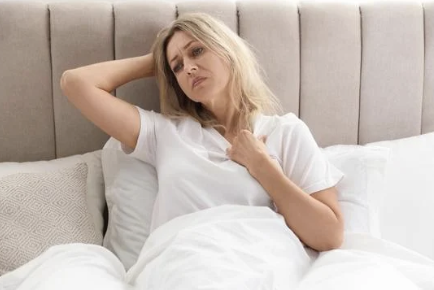

    Hot flushes: what does Traditional Chinese Medicine say?

    Do you suffer from hot flushes, especially at night or during hormonal changes? These sudden sensations of heat, often accompanied by sweating, redness and irritability, are common, particularly at menopause. In Traditional Chinese Medicine (TCM), hot flushes are not seen as a simple symptom, but as an energy imbalance that can be supported naturally, in particular with acupuncture.

    🔥 What is a hot flush according to TCM?

    In TCM, hot flushes are generally linked to Yin Deficiency, in particular Kidney Yin, which can no longer temper the Yang. This creates a rise of internal heat, responsible for episodes of sudden heat, sweating and redness, sometimes accompanied by palpitations, sleep problems or dryness.

    Sometimes there is also Liver Fire or Blood Deficiency, depending on the person’s history, emotional state and age.


    ⚖️ Common causes according to TCM:

    • Menopause (Kidney Yin Deficiency)
    • Physical or mental overwork
    • Unexpressed grief or anger (Liver heat)
    • Chronic insomnia
    • Irregular menstrual cycles
    • Postpartum or prolonged breastfeeding

    🪡 What can acupuncture do for hot flushes?

    Acupuncture seeks to rebalance Yin and Yang, calm the rising heat and support the Kidneys. It may act on the nervous and hormonal systems, encouraging a natural regulation of the body’s functions.

    The possible benefits of acupuncture:

    • Reduced frequency and intensity of flushes
    • Improved sleep
    • Less irritability and anxiety
    • Hormonal regulation
    • General sense of calm

    🧪 A clinical study published in 2016 observed that acupuncture may reduce the frequency of hot flushes by more than 50% after a few weeks of treatment (source: Menopause. 2016;23(6):602-610).

    🌿 Alongside treatment: herbal medicine and lifestyle

    Depending on your energy assessment, plants such as chasteberry or maca may be recommended to nourish the Yin or harmonise the Liver.

    You can also be given personalised advice on:

    📍 Where to book a session

    You can receive personalised support in Chinese medicine at my two practices:

    ➡️ Acupuncture practice in Cadenet
    📍 In the heart of the Luberon, between Pertuis and Lourmarin.
    🌿 Consultations by appointment in a calm and welcoming setting.

    ➡️ Acupuncture practice in Aix-en-Provence
    📍 A few minutes from the town centre, easy to reach.
    🌿 Gentle, natural care, specialising in hormonal problems and menopause support.


    🤲 A natural, whole-person treatment

    Hot flushes are not inevitable. In Chinese medicine, each person is unique: this is why a full energy assessment is carried out at the first session in order to adapt the treatment to your needs.

    Acupuncture and stopping smoking: natural and personalised support

    Would you like to stop smoking, but are you worried about cravings or relapses?

    Stopping smoking is a real challenge, both physically and psychologically. If you are looking for a natural method without nicotine replacement, acupuncture can be valuable support in this process. Please note, however: it is not a miracle solution, but personalised support that respects your pace and your needs.

    🎯 How does acupuncture help you stop smoking?

    Acupuncture may act on several levels:

    • Reduction of withdrawal symptoms (irritability, nervousness, sleep problems, food cravings)
    • Less desire to smoke
    • Emotional stabilisation: better management of stress, emotions and anxiety
    • Overall energy balancing to support the body as it detoxifies

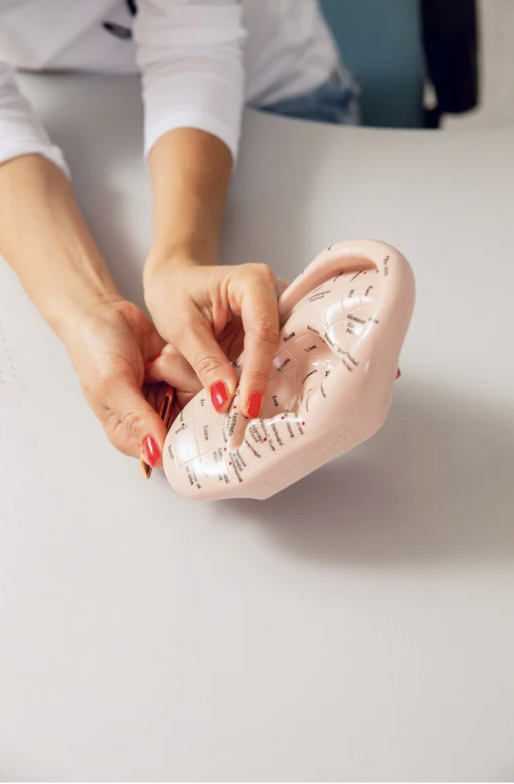
    It is based on stimulating precise points, in particular on the ears and the body, which regulate the nervous, digestive and hormonal systems.

    ⏳ Gradual support, adapted to your profile

    Each person is unique: some feel relief from the first session, others need longer follow-up.

    💡 Sessions are held every 15 days, then spaced out as you progress.

    👉 The aim is to support you step by step, with kindness, by strengthening your motivation and reducing your dependence.

    🙏 No miracle solution, but real natural help

    Let’s be clear: acupuncture does not “make you stop” overnight. It may help you cope better with withdrawal, to manage cravings, and above all to reconnect with your deep wish to stop.

    It is a therapeutic partnership, in which you play an active part in your own process.

    📍 Where can you see me?

    I welcome you at my acupuncture practices:

    • In Aix-en-Provence (town centre, easily accessible)
    • In Cadenet, in the heart of the Luberon

    Each session begins with a conversation to adapt the treatment to your progress.

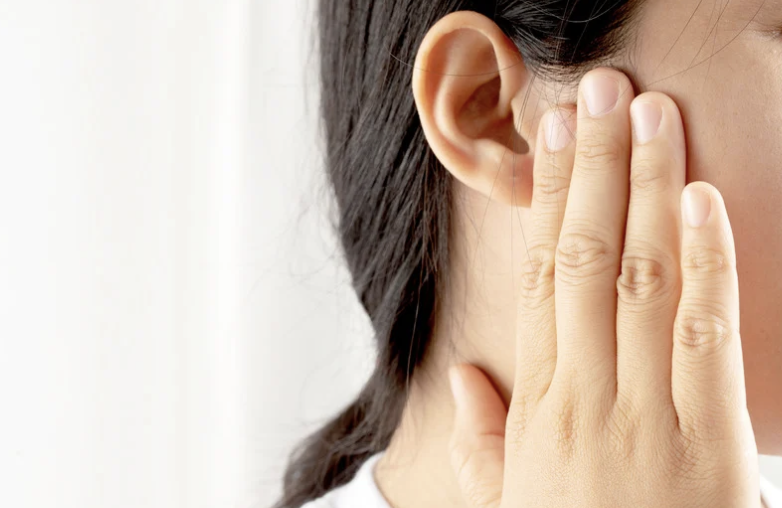
    🎧 Acupuncture and tinnitus: a natural approach that may help to relieve ringing in the ears

    Tinnitus, those unwanted noises (whistling, buzzing, clicking…) heard without any external sound source, affects nearly 15% of the population. It can be temporary or chronic, and can greatly affect quality of life: sleep problems, anxiety, difficulty concentrating, irritability…

    But did you know that acupuncture may help ease these symptoms naturally, with side effects that are uncommon and usually mild when performed by a trained practitioner?

    🎯 What is tinnitus?

    Tinnitus is an abnormal perception of sound that can affect one or both ears, continuously or intermittently. It is often linked to:

    Conventional medical treatment is often limited and does not offer a definitive solution. This is where acupuncture, which comes from Traditional Chinese Medicine, can come in alongside medical care.


    🌿 How does acupuncture act on tinnitus?

    Acupuncture aims to restore the flow of energy (Qi) and to correct imbalances between the organs according to Chinese medicine.

    For tinnitus, sessions can have several aims:

    • Relaxing the nervous system, which is often under chronic tension
    • Improving blood circulation in the head and ears
    • Rebalancing the organs involved in hearing (Kidney, Liver, Spleen)
    • Reducing stress and auditory hypervigilance

    The acupuncture points selected vary according to the patient’s profile: how long the symptoms have been present, their intensity, triggering factors, emotional background…


    📊 What do scientific studies say?

    Several studies have looked at acupuncture for hearing problems, with encouraging but still limited results:

    • A 2020 systematic review (Journal of Acupuncture and Meridian Studies) observed a reduction in tinnitus intensity in patients treated with acupuncture.
    • A Chinese study (Zhao et al., 2015) observed a significant improvement in quality of life in patients with chronic tinnitus after 6 acupuncture sessions.

    The holistic approach of acupuncture therefore aims to support both the symptom (the noise) and the underlying constitution (stress, tension, circulation…).


    🧘‍♀️ Why choose acupuncture for your tinnitus?

    ✅ Natural, non-invasive method
    ✅ Personalised treatment
    ✅ Overall support (sleep, stress, fatigue)
    ✅ A complementary approach to ENT care


    📍 Where can you get support?

    We offer acupuncture sessions specialising in support for tinnitus at our two practices:

    ➡️ Aix-en-Provence
    ➡️ Cadenet (Vaucluse)

    Each course of treatment begins with a full assessment in order to adapt the protocol to your situation. Support may also include lifestyle or herbal medicine advice if necessary.


    📅 Book an appointment

    Don’t let tinnitus dominate your daily life. Acupuncture may help to relieve your symptoms, naturally.

    📞 Contact us today for a session in Aix-en-Provence or Cadenet.

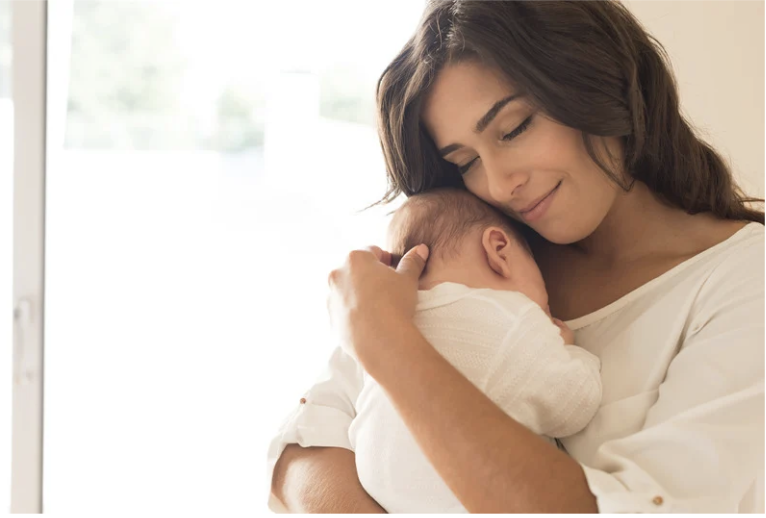
    🌿 Getting your periods back after childbirth: how acupuncture can help while breastfeeding

    🔍 Why are periods delayed while breastfeeding? After childbirth, many women notice a prolonged absence of periods, sometimes for several months. This is called lactational amenorrhoea. It is perfectly natural and results from a high level of prolactin, a hormone that stimulates milk production but inhibits ovulation. However, some women would like their cycle to return more quickly, in particular when they:
  • are planning another pregnancy, feel a hormonal imbalance (fatigue, mood swings, sleep problems), or are worried about a prolonged absence of periods.

  • This is where acupuncture can play a valuable role.


    🧬 Acupuncture, an ally for rebalancing the hormonal cycle. Acupuncture is a method from Traditional Chinese Medicine that involves stimulating specific points on the body using fine needles. It acts on the flow of energy (Qi), but also on hormones via the nervous and endocrine systems. In the case of a delayed return of periods while breastfeeding, acupuncture can:
  • 🔄 Stimulate ovulation, ⚖️ Rebalance hormones such as prolactin, progesterone and oestrogen, 🌙 Improve sleep and recovery, 💆‍♀️ Reduce stress, which can also disrupt the menstrual cycle.


  • 📊 What do studies say? Some research suggests that acupuncture may influence the hypothalamic-pituitary-ovarian function, which regulates reproductive hormones. A study published in Complementary Therapies in Medicine (2020) observed that acupuncture may help regulate menstrual cycles in women with postpartum amenorrhoea, by encouraging ovulation to resume.


    🤱 Is it compatible with breastfeeding?Yes.Acupuncture is natural and gentle, and side effects are uncommon and usually mild when performed by a trained practitioner. It does not disrupt milk production and can even:
  • relieve postpartum fatigue, help manage milk surges, improve the mother’s general well-being.


  • 📍 When should you seek advice? It is advisable to see an acupuncturist if:
  • your periods have not returned 6 to 12 months after giving birth, you have partially or fully weaned, but your cycle is still absent, you feel a hormonal imbalance (hot flushes, sleep problems, pelvic pain, etc.), you would like to get pregnant again quickly.


  • 💡 In summary: the absence of periods while breastfeeding is normal, but if you would like to get your cycle back more quickly, acupuncture can be a worthwhile natural tool. By working on hormonal balance, fatigue and stress, it gently supports the female body during this transitional phase.


    Are you breastfeeding and waiting for your periods to return?Consult a specialised professional for personalised and natural support.


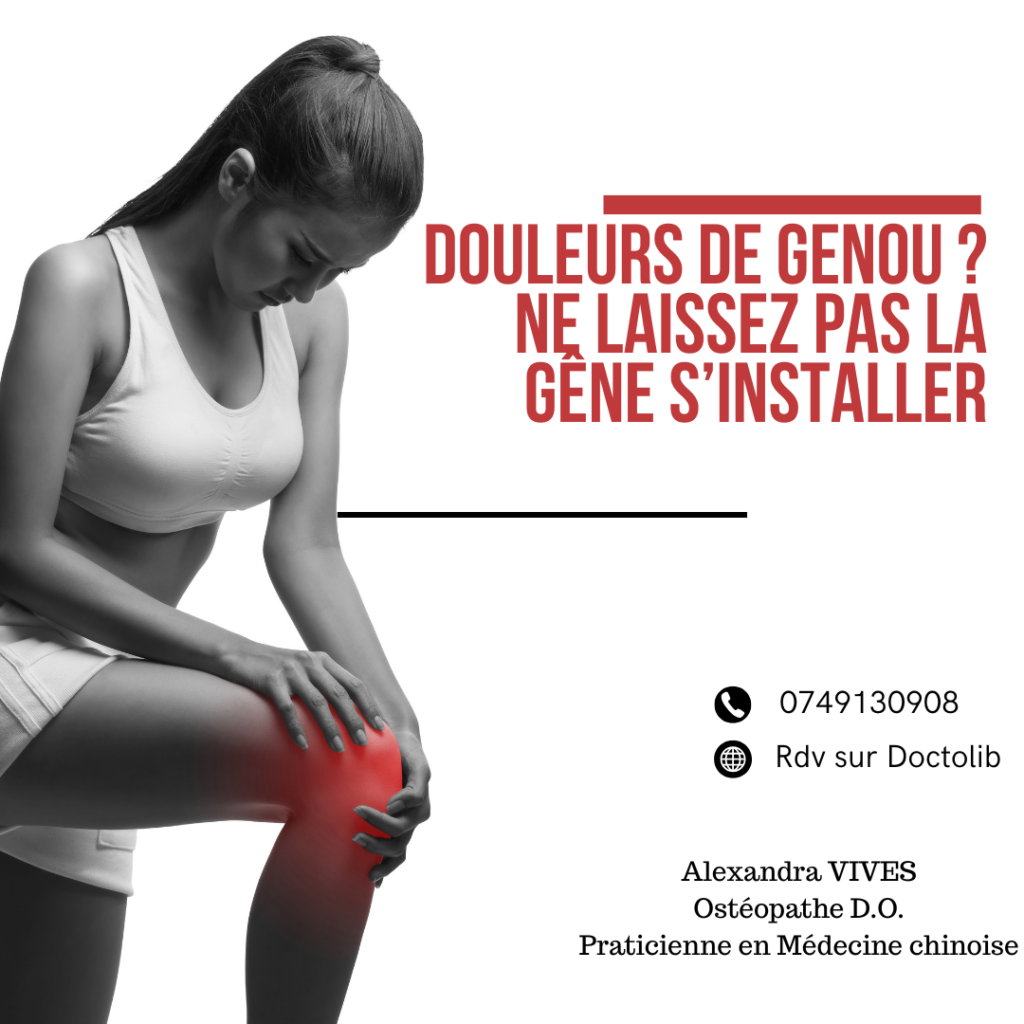
    Knee pain: causes, natural solutions and prevention

    Knee pain is common and can affect anyone: athletes, older people or even young adults. Whether the pain is acute or chronic, it is essential to identify its cause in order to act effectively.

    What are the possible causes of knee pain?

    A painful knee can have several causes:

    • Knee osteoarthritis (gonarthrosis): wear of the cartilage with age
    • Tendinitis or bursitis: inflammation caused by overuse
    • Patellofemoral syndrome: poor alignment of the kneecap
    • Sprain or meniscus injury: following trauma
    • Muscular or postural imbalances: often overlooked but common

    This pain can appear when walking, climbing stairs, after sport or even at rest.

    How can knee pain be relieved naturally?

    At our practice in Aix-en-Provence or Cadenet, we offer natural and personalised approaches, alongside medical care, to address knee pain in depth:

    • Osteopathy: to rebalance joint and muscle tension
    • Acupuncture : to reduce inflammation and stimulate circulation
    • Advice on gentle exercises: to strengthen the knee without straining it
    • Lifestyle and posture: to prevent recurrence

    These methods aim not only to relieve the pain but also to act on its cause.

    When should you see someone about a painful knee?

    If the pain lasts more than a few days, restricts your movement or keeps coming back, it is time to consult. Early care can help prevent the problem from getting worse and help you regain comfort and mobility.


    Do you have knee pain?
    Do not wait to act. Book an appointment at our practice in Aix-en-Provence or Cadenet for tailored support.

    Book an appointment on Doctolib

    Acupuncture and egg maturation in ART: a natural and complementary approach

    egg quality acupuncture

    Introduction

    Assisted reproduction (ART) is a solution for many couples facing infertility. The quality and maturation of eggs (oocytes) play a crucial role in the success of treatments such as IVF (in vitro fertilisation). However, some hormonal treatments can have side effects and do not always guarantee an optimal result. A growing body of research suggests that acupuncture could improve egg maturation and thus optimise the chances of conception naturally. How does this Traditional Chinese Medicine work, and what are its effects on ART?

    Acupuncture and how it acts on fertility

    Acupuncture, which comes from Traditional Chinese Medicine, is based on stimulating strategic points on the body to restore energy balance. It is part of a holistic approach that takes into account the patient’s general condition, including their level of stress, their diet and the quality of their sleep.

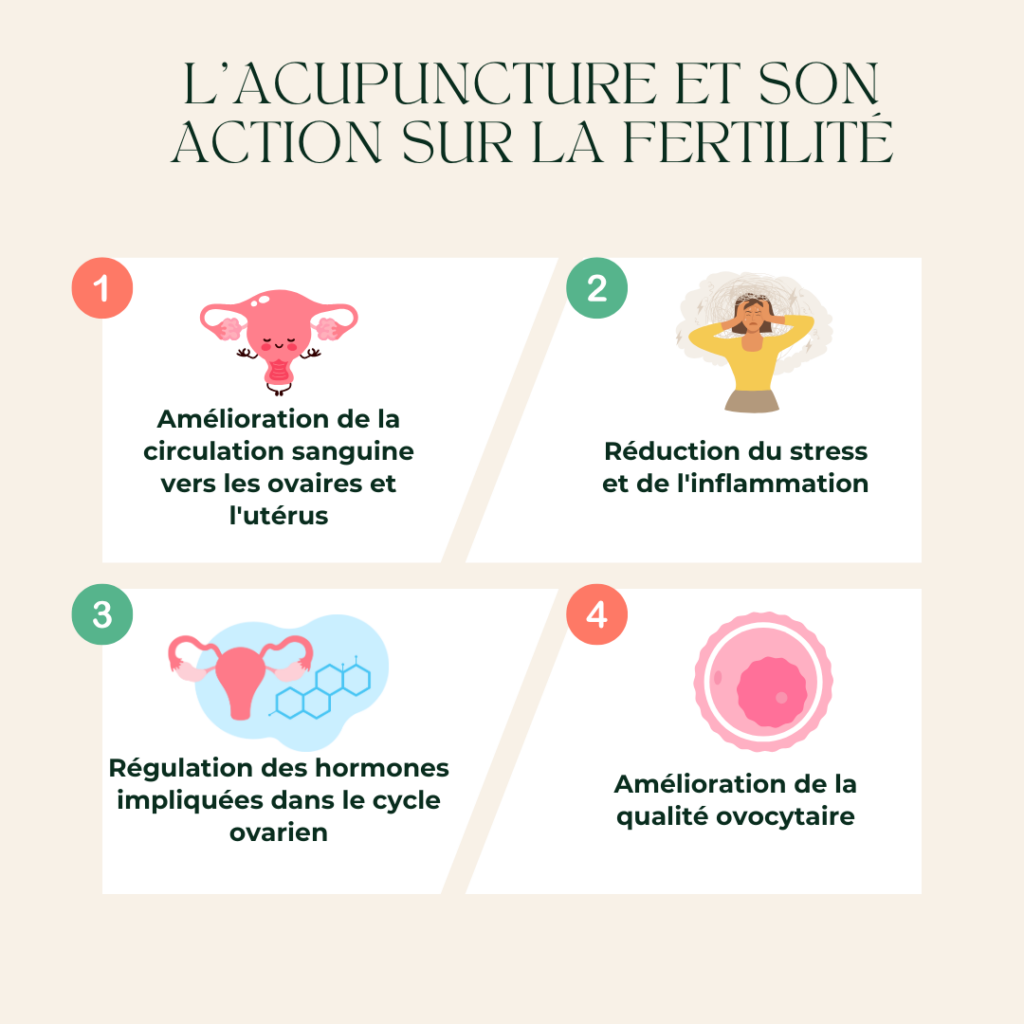
    In the context of fertility, it may act on several biological mechanisms:

    • Improved blood circulation to the ovaries and uterus: a better supply of oxygen and nutrients supports egg maturation.
    • Reduced stress and inflammation: high cortisol levels can affect the ovarian response to hormonal treatments.
    • Regulation of the hormones involved in the ovarian cycle: acupuncture may help to balance FSH (follicle-stimulating hormone), LH (luteinising hormone) and oestradiol.
    • Improved egg quality: a stable hormonal environment supports the production of mature, viable eggs.
    ACUPUNCTURE ART EGG

    Acupuncture and egg maturation: what the studies say

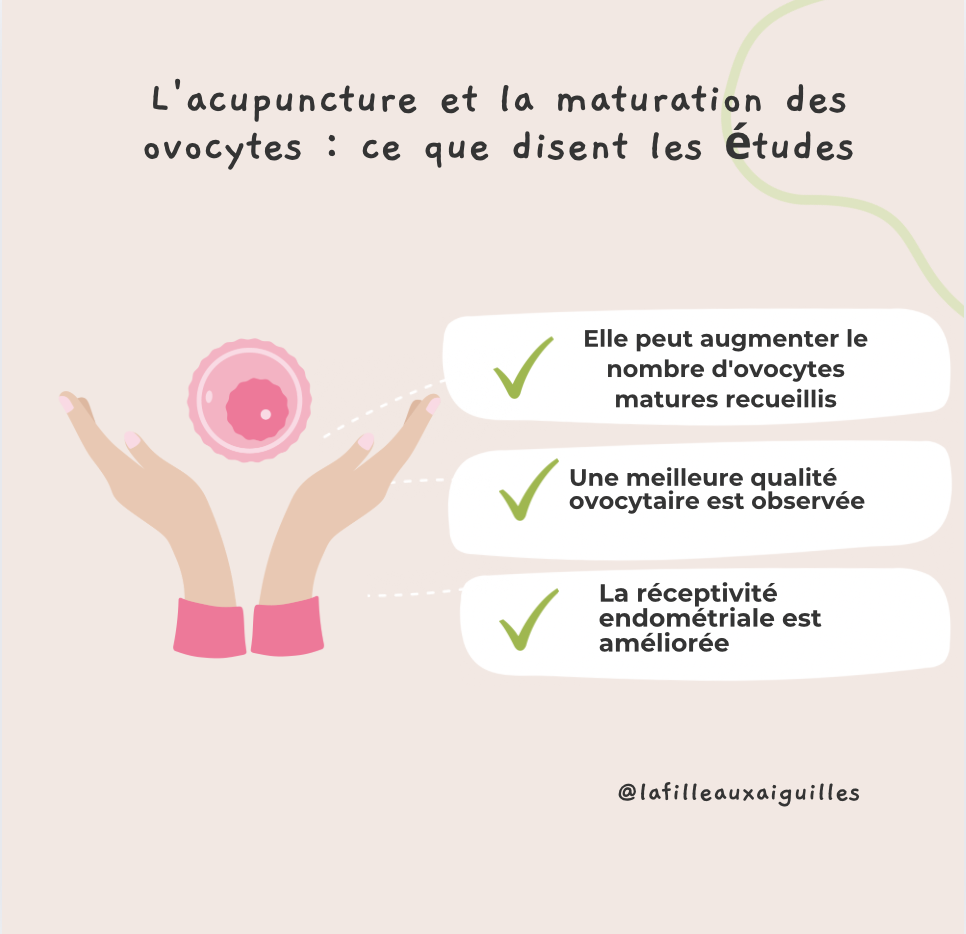
    Scientific research has examined the effect of acupuncture on egg maturation in ART. Some studies indicate that:

    • Acupuncture may increase the number of mature eggs collected during egg retrieval, which may improve the chances of obtaining viable embryos.
    • Better egg quality has been observed in some studies in patients having acupuncture sessions alongside ovarian stimulation.
    • Endometrial receptivity may be improved, which might support embryo implantation and reduce the risk of miscarriage.

    For example, a meta-analysis published in Fertility and Sterility observed that acupuncture as support for ART might increase the clinical pregnancy rate by 26% on average. Other studies suggest that patients receiving regular acupuncture sessions might have a higher rate of mature eggs and a better fertilisation rate.

    How can acupuncture be included in an ART journey?

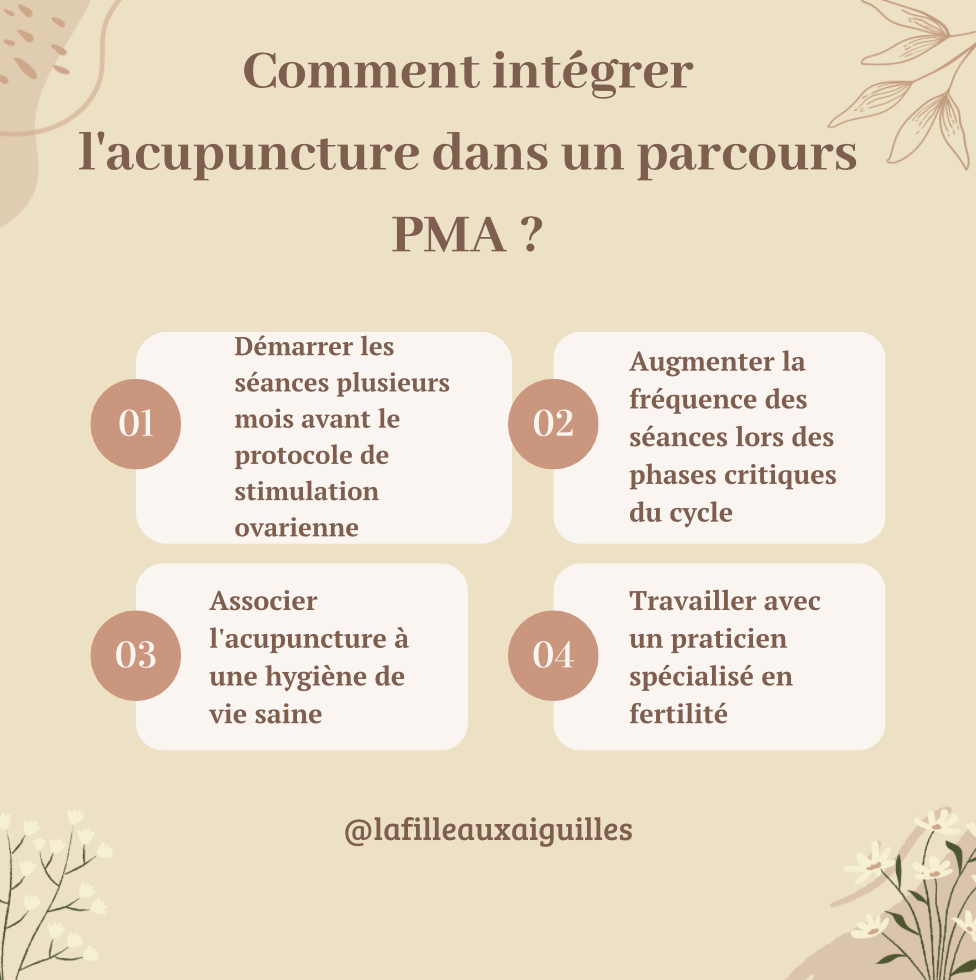
    To optimise the benefits of acupuncture on egg maturation, it is recommended, in liaison with the medical team overseeing the protocol, to:

    • Start sessions several months before the ovarian stimulation protocol to prepare the body and regulate hormones.
    • Increase the frequency of sessions during the critical phases of the cycle (stimulation, egg retrieval, embryo transfer) to maximise the effects.
    • Combine acupuncture with a healthy lifestyle: a balanced diet, stress management and suitable physical activity.
    • Work with a practitioner specialising in fertility for a personalised protocol suited to your situation.

    Some techniques, such as electro-acupuncture (applying micro electrical pulses to the needles), may be used to reinforce the effects on ovarian stimulation.

    Conclusion

    Acupuncture is a worthwhile complementary approach that might help to improve egg maturation in ART. By supporting an optimal hormonal and circulatory environment, it might contribute to the success of fertility treatments. For those who wish to maximise their reproductive potential, combining ART and acupuncture can be a worthwhile natural strategy, alongside medical care.

    If you are considering ART and would like to explore the benefits of acupuncture, feel free to consult a specialist to develop a protocol suited to your needs.

    Acupuncture and hormones

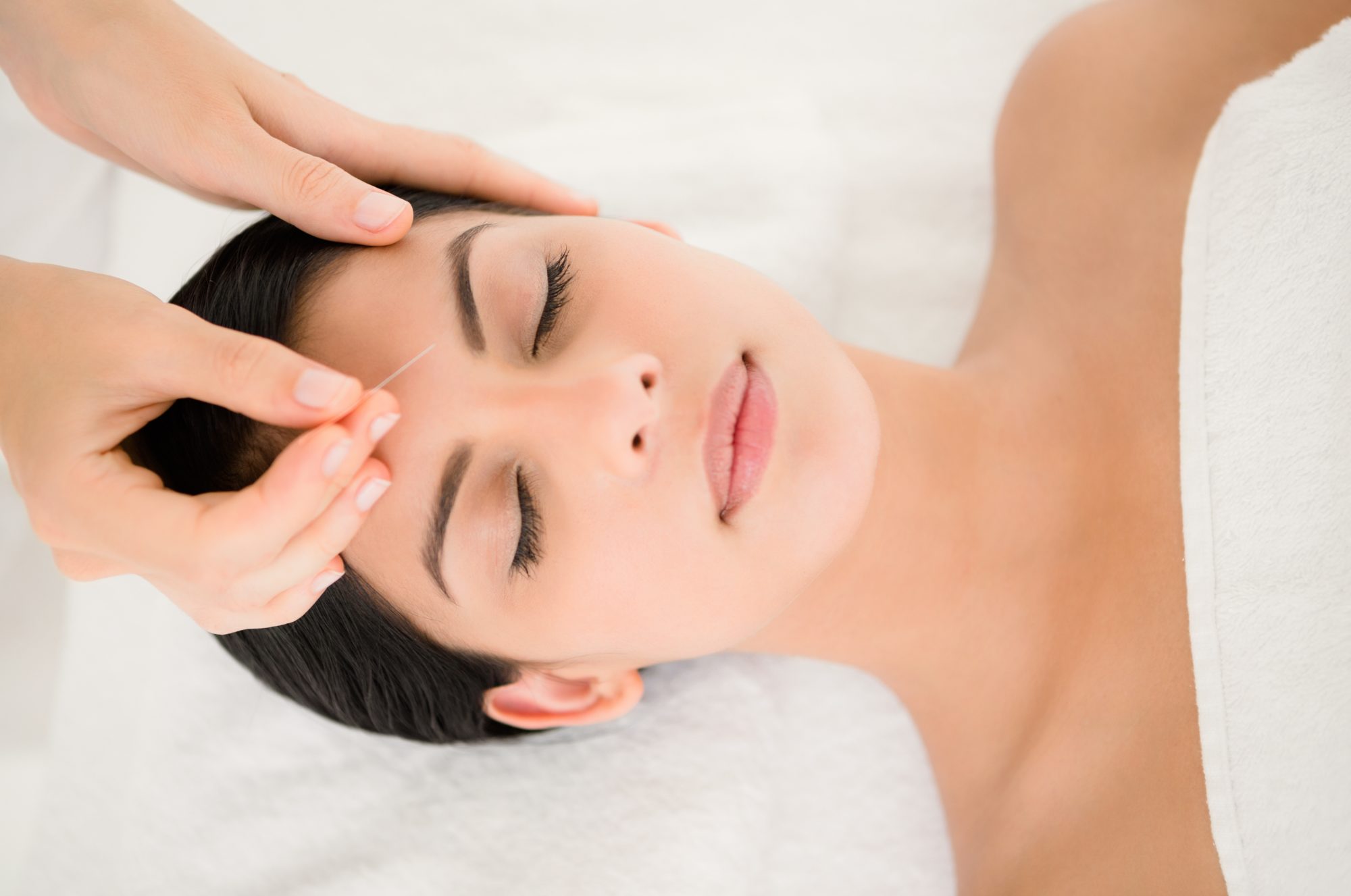
    An acupuncture session in progress: a patient lying on a treatment table receives fine needles placed on strategic points of the body to rebalance her hormones and promote her well-being.

    Acupuncture and hormonal balance: a natural approach

    Hormonal balance plays a fundamental role in our general well-being. When our hormones are out of balance, this can lead to various problems such as fatigue, sleep disorders, weight problems, stress or menstrual imbalances. Acupuncture, a Traditional Chinese Medicine practised for thousands of years, offers a natural approach to support and rebalance the endocrine system.

    How does acupuncture act on hormones?

    Acupuncture involves inserting fine needles at precise points on the body in order to stimulate the flow of energy (Qi) and regulate physiological functions. Some studies suggest that this technique may help modulate hormones by acting on the central nervous system and influencing hormone secretion.

    Some studies suggest that acupuncture may:

    • Regulate cortisol production, the stress hormone, thereby reducing the negative effects of chronic stress. Excessive cortisol secretion can lead to fatigue, sleep disorders, weight gain and immune imbalances. By stimulating certain acupuncture points, a relaxation response of the parasympathetic nervous system is encouraged, contributing to better management of stress and anxiety.
    • Stimulate the secretion of endorphins, the feel-good hormones that help reduce pain and improve mood. This can be particularly beneficial for people suffering from chronic pain or mild to moderate depression, alongside their medical care.
    • Act on the hypothalamic-pituitary-adrenal axis, which regulates many hormonal functions, including the management of metabolism, energy and the stress response. Acupuncture may help improve communication between these glands to encourage a more stable balance.
    • Modulate the production of sex hormones, such as oestrogen, progesterone and testosterone. These hormones are essential for regulating the menstrual cycle, fertility, libido and bone health. A good balance of these hormones is crucial for reproductive health and general well-being.

    Acupuncture for different hormonal imbalances

    1. Acupuncture and menstrual disorders

    Hormonal imbalances can cause irregular periods, period pain or premenstrual syndrome (PMS). Acupuncture helps restore a harmonious hormonal cycle by acting on the meridians associated with the reproductive organs, in particular the liver, kidneys and spleen.

    • Improved blood circulation in the pelvic area, encouraging a better supply of nutrients to the uterus and ovaries.
    • Reduced inflammation and pain by releasing endorphins and regulating prostaglandins, which are involved in menstrual cramps.
    • Stabilised hormonal fluctuations, thereby reducing the irritability, bloating and fatigue linked to premenstrual syndrome.

    2. Acupuncture and the menopause

    Hot flushes, night sweats, insomnia and mood swings are common symptoms of the menopause linked to hormonal fluctuations. Some studies suggest that acupuncture may ease these symptoms by regulating oestrogen levels and stimulating the production of feel-good hormones.

    • Fewer hot flushes through its action on the autonomic nervous system and the regulation of body temperature.
    • Better sleep by balancing melatonin production and reducing the anxiety linked to hormonal imbalances.
    • Support for bone density by modulating oestrogen levels and stimulating blood circulation in the bones.

    3. Acupuncture and fertility problems

    Whether to support natural conception or to accompany assisted reproduction (ART), acupuncture can support fertility, in liaison with the medical team, by helping to balance the hormones involved in ovulation and to improve blood flow to the uterus.

    • Regulation of the menstrual cycle, encouraging regular ovulation and better egg quality.
    • Improved endometrial receptivity, which is essential for embryo implantation.
    • Reduced stress, which can have a negative impact on fertility by affecting the hypothalamic-pituitary axis.
    • Optimised FSH, LH and progesterone levels, key hormones in the reproductive process.

    4. Acupuncture and thyroid disorders

    Hypothyroidism and hyperthyroidism are often associated with hormonal imbalances affecting metabolism, mood and energy. Acupuncture helps regulate thyroid activity by stimulating the energy points corresponding to endocrine functions.

    • Support for thyroid hormone production, by improving communication between the hypothalamus, the pituitary gland and the thyroid gland.
    • Less fatigue and more energy by stimulating the kidney and spleen meridians, which are essential for healthy thyroid function.
    • Reduced inflammation, which can worsen autoimmune thyroid diseases such as Hashimoto’s or Graves’ disease.

    Conclusion

    Acupuncture is a natural solution, complementary to medical treatment, for supporting hormonal balance. By working on the body’s energy imbalances, it may encourage harmonious functioning of the endocrine system and so improve quality of life. Whether you suffer from menstrual disorders, the menopause, infertility or thyroid imbalances, acupuncture can be a valuable aid in restoring hormonal harmony. For personalised support, it is advisable to consult a qualified acupuncturist so that the treatment can be adapted to your specific needs.

    Osteopathy and endometriosis: a natural way to relieve pain?

    An osteopath performing a gentle manipulation on the abdomen of a patient with endometriosis

    Endometriosis is a chronic disease that affects millions of women around the world. Characterised by the presence of endometrial tissue outside the uterus, it causes intense pain, digestive problems and sometimes fertility problems. While medical treatments exist, many patients look for other approaches, alongside their medical follow-up, to improve their quality of life. Among them, osteopathy is a worthwhile complementary approach. But how does it work and what effects does it have on endometriosis?

    What is endometriosis and why is it painful?

    Endometriosis is characterised by the presence of tissue similar to the endometrium outside the uterine cavity. This tissue responds to hormonal cycles, causing inflammation, adhesions and intense pelvic pain. The pain can spread to the back and legs and come with digestive problems (bloating, constipation, diarrhoea).

    Conventional treatments include painkillers, anti-inflammatories, hormonal treatments and even surgery. However, these solutions are not always enough, which is where osteopathy comes in as a complementary approach.

    How can osteopathy relieve endometriosis?

    Osteopathy relies on gentle manipulations to restore the body’s balance and improve tissue mobility. Several mechanisms may explain its beneficial effects on endometriosis:

    Reduced pelvic pain and muscle tension

    Endometriosis causes significant muscular and fascial tension, particularly in the pelvis and lower back. The osteopath works on mobilising the fascia and deep muscles to release this tension and ease the pain.

    Improved blood and lymphatic circulation

    Poor blood circulation can encourage inflammation and the build-up of toxins. Through specific techniques, osteopathy aims to stimulate blood and lymphatic circulation, which may help to reduce inflammation and pelvic oedema.

    Regulation of stress and the nervous system

    The chronic pain caused by endometriosis can heighten stress and create a vicious circle in which stress intensifies pain. Osteopathy acts on the autonomic nervous system, encouraging a state of relaxation that helps you manage pain better.

    Effect on digestive problems linked to endometriosis

    Patients with endometriosis often suffer from digestive problems. Visceral osteopathy works on the digestive organs to improve their mobility and function, which can reduce bloating and intestinal pain.

    What do studies and testimonials say?

    Although osteopathy does not cure endometriosis, several patients report a clear improvement in their symptoms after a few sessions. A study published in the Journal of Bodywork and Movement Therapies suggests that osteopathic techniques may reduce pain and improve pelvic mobility.

    What to expect during an osteopathy session?

    An osteopathy consultation begins with an overall assessment of the body. The osteopath assesses posture and tissue mobility and looks for areas of tension. The techniques used vary with each patient, but they are generally gentle and non-invasive.

    Recommended frequency

    The number of sessions needed depends on each case. In general, a regular approach with one session every 3 to 4 weeks can be beneficial for maintaining the effects.

    Conclusion

    Osteopathy is a natural and complementary approach that may help relieve the pain and problems associated with endometriosis. By working on tissue mobility, blood circulation and stress management, it offers a worthwhile complement to medical follow-up for improving patients’ quality of life. If you have endometriosis, consulting a specialised osteopath may be an avenue to explore for greater comfort in everyday life.


    Need personalised support?

    Book an appointment with a qualified osteopath near you and start your journey towards natural wellbeing!

    Sinusitis and acupuncture

    "Illustration of the benefits of acupuncture in relieving the symptoms of sinusitis, by promoting circulation and reducing inflammation."

    Acupuncture: a natural approach to supporting sinusitis

    Sinusitis, whether acute or chronic, often means intense pain, nasal congestion and prolonged discomfort. While conventional treatments, such as antibiotics or decongestants, are not always enough, acupuncture may be worth considering alongside medical follow-up. Let us look at how this ancient method may help to relieve the symptoms of sinusitis, supported by studies, scientific data and a clinical case.

    Understanding sinusitis

    Sinusitis is characterised by inflammation of the lining of the sinuses, often caused by a viral or bacterial infection or an allergy. The most common symptoms include:

    • Nasal congestion.
    • Headaches around the sinuses.
    • A feeling of pressure in the face.
    • Nasal discharge.

    When these symptoms persist, they can considerably affect quality of life. This is where acupuncture can come in.

    How does acupuncture work on sinusitis?

    By stimulating specific points on the body, acupuncture aims to restore energy balance and to promote better circulation of body fluids. In the case of sinusitis, the main aims are:

    • To reduce inflammation of the sinuses.
    • To improve circulation in the nasal area.
    • To stimulate the immune system to fight infections better.
    • To relieve pain associated with sinus pressure.

    The points often stimulated include those around the nose, the forehead and the hands, such as the LI-4 (Hegu) point, reputed to relieve pain and decongest, or Yin Tang, located between the eyebrows, reputed to soothe headaches and nasal tension.

    What scientific studies say

    Some studies suggest that acupuncture may be of interest for sinusitis:

    1. A study published in the Journal of Alternative and Complementary Medicine (2018) observed that patients suffering from chronic sinusitis reportedly felt an improvement in their symptoms after 6 acupuncture sessions. 78% of participants are reported to have noticed a reduction in nasal congestion and headaches.
    2. A systematic review of 12 studies (2020) suggests that acupuncture, combined with conventional care, may improve clinical outcomes in patients suffering from recurrent sinusitis. These results still need to be confirmed by larger studies.
    3. Other studies suggest that patients treated with acupuncture for chronic sinusitis noticed an improvement in their quality of life, notably thanks to a reduction in facial pain and congestion.

    Clinical case: a patient relieved by acupuncture

    Patient profile:

    • Name: Marie
    • Age: 42.
    • Medical history: Chronic sinusitis for 5 years, with frequent acute episodes (3 to 4 a year). Standard treatments (antibiotics, nasal sprays) gave temporary relief, but the symptoms always came back.

    Acupuncture treatment:
    Marie consulted an acupuncturist after hearing about the benefits of this method. A personalised treatment plan was put in place, including:

    • 8 sessions spread over 6 weeks.
    • Use of the points LI-4 (Hegu), Yin Tang, and ST-36 (Zu San Li) to stimulate immunity and improve nasal circulation.
    • Advice on avoiding triggers, such as prolonged exposure to allergens.

    Results:
    From the 3rd session, Marie noticed a reduction in nasal congestion and facial pain. By the end of the 8 sessions, her episodes of acute sinusitis had decreased considerably. Three months after the end of treatment, she reported better breathing and good-quality sleep.

    Conclusion

    Acupuncture may be a worthwhile natural approach to help relieve sinusitis, whether acute or chronic. Drawing on centuries of practice, modern studies and real clinical cases, it may offer lasting relief; side effects are uncommon and usually mild when performed by a trained practitioner. If you regularly suffer from sinusitis, consulting a qualified therapist could transform your daily life.