

Acupuncture and egg maturation in ART: a natural and complementary approach

egg quality acupuncture

Introduction

Assisted reproduction (ART) is a solution for many couples facing infertility. The quality and maturation of eggs (oocytes) play a crucial role in the success of treatments such as IVF (in vitro fertilisation). However, some hormonal treatments can have side effects and do not always guarantee an optimal result. A growing body of research suggests that acupuncture could improve egg maturation and thus optimise the chances of conception naturally. How does this Traditional Chinese Medicine work, and what are its effects on ART?

Acupuncture and how it acts on fertility

Acupuncture, which comes from Traditional Chinese Medicine, is based on stimulating strategic points on the body to restore energy balance. It is part of a holistic approach that takes into account the patient’s general condition, including their level of stress, their diet and the quality of their sleep.

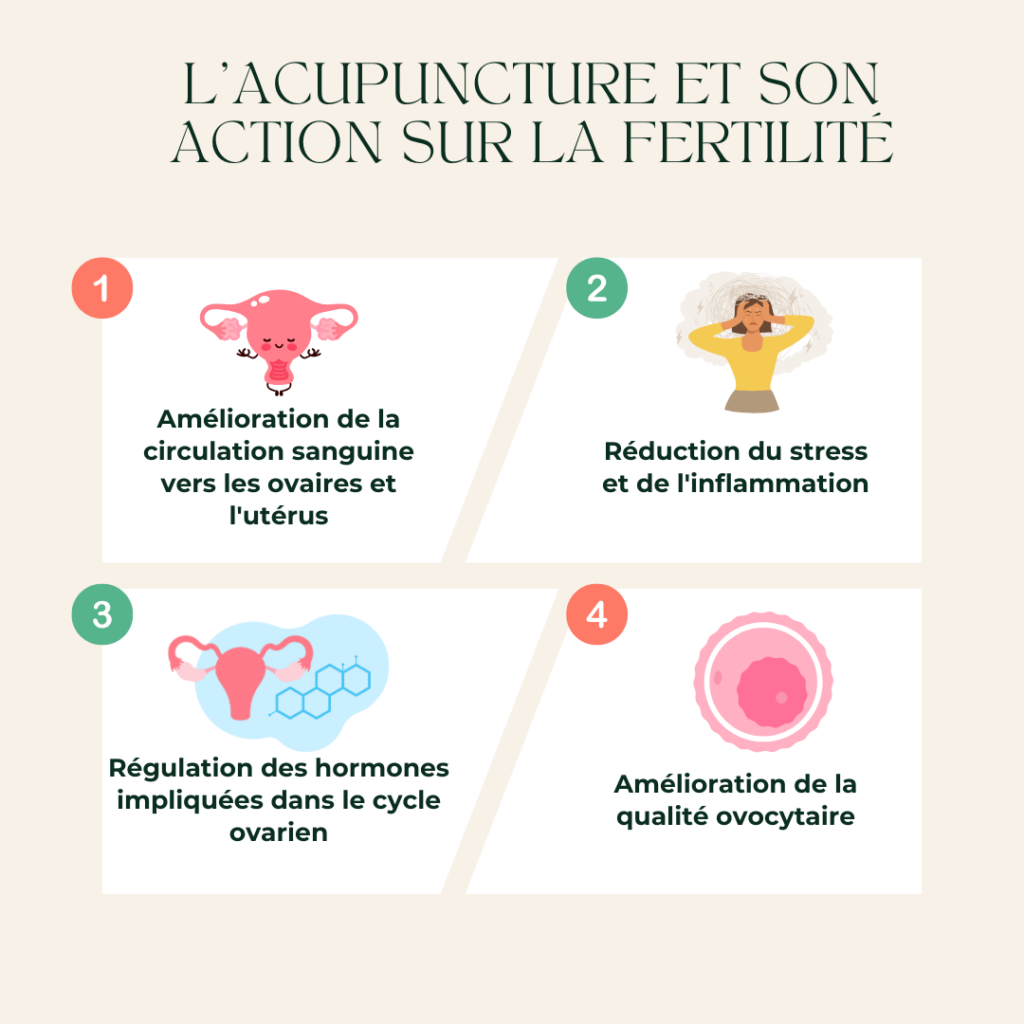
In the context of fertility, it may act on several biological mechanisms:

  • Improved blood circulation to the ovaries and uterus: a better supply of oxygen and nutrients supports egg maturation.
  • Reduced stress and inflammation: high cortisol levels can affect the ovarian response to hormonal treatments.
  • Regulation of the hormones involved in the ovarian cycle: acupuncture may help to balance FSH (follicle-stimulating hormone), LH (luteinising hormone) and oestradiol.
  • Improved egg quality: a stable hormonal environment supports the production of mature, viable eggs.
ACUPUNCTURE ART EGG

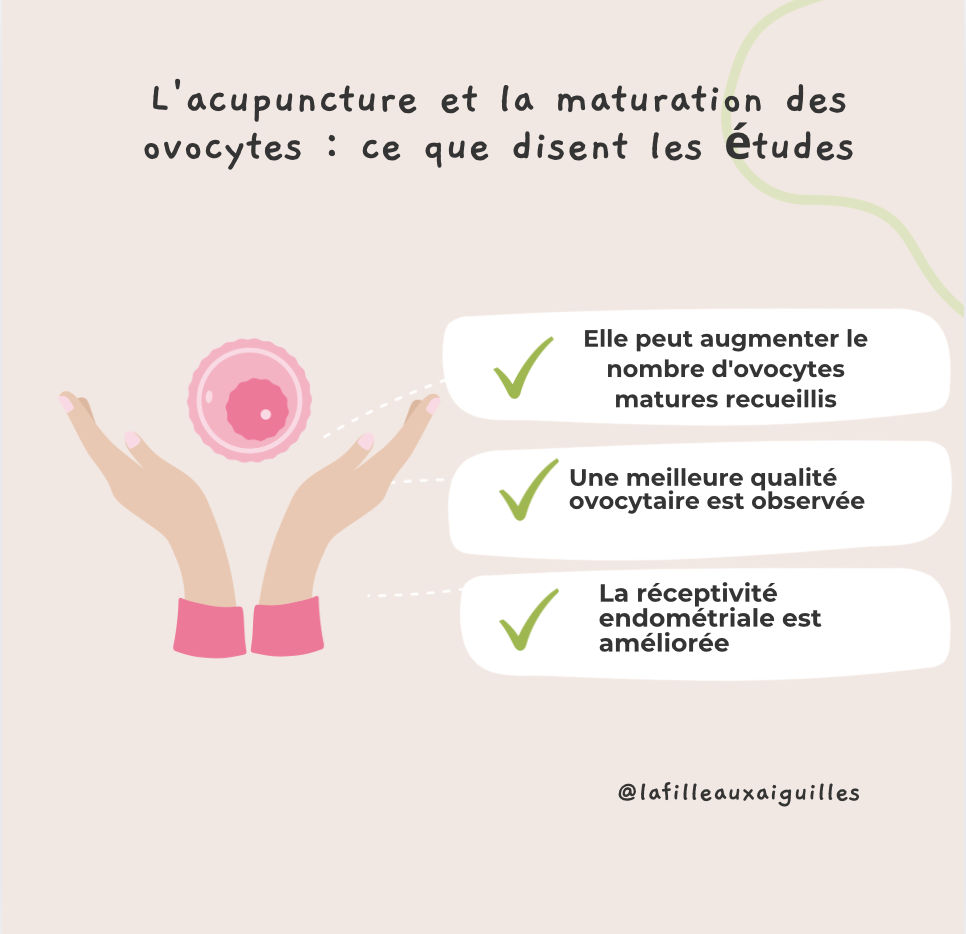
Acupuncture and egg maturation: what the studies say

Scientific research has examined the effect of acupuncture on egg maturation in ART. Some studies indicate that:

  • Acupuncture may increase the number of mature eggs collected during egg retrieval, which may improve the chances of obtaining viable embryos.
  • Better egg quality has been observed in some studies in patients having acupuncture sessions alongside ovarian stimulation.
  • Endometrial receptivity may be improved, which might support embryo implantation and reduce the risk of miscarriage.

For example, a meta-analysis published in Fertility and Sterility observed that acupuncture as support for ART might increase the clinical pregnancy rate by 26% on average. Other studies suggest that patients receiving regular acupuncture sessions might have a higher rate of mature eggs and a better fertilisation rate.
How can acupuncture be included in an ART journey?

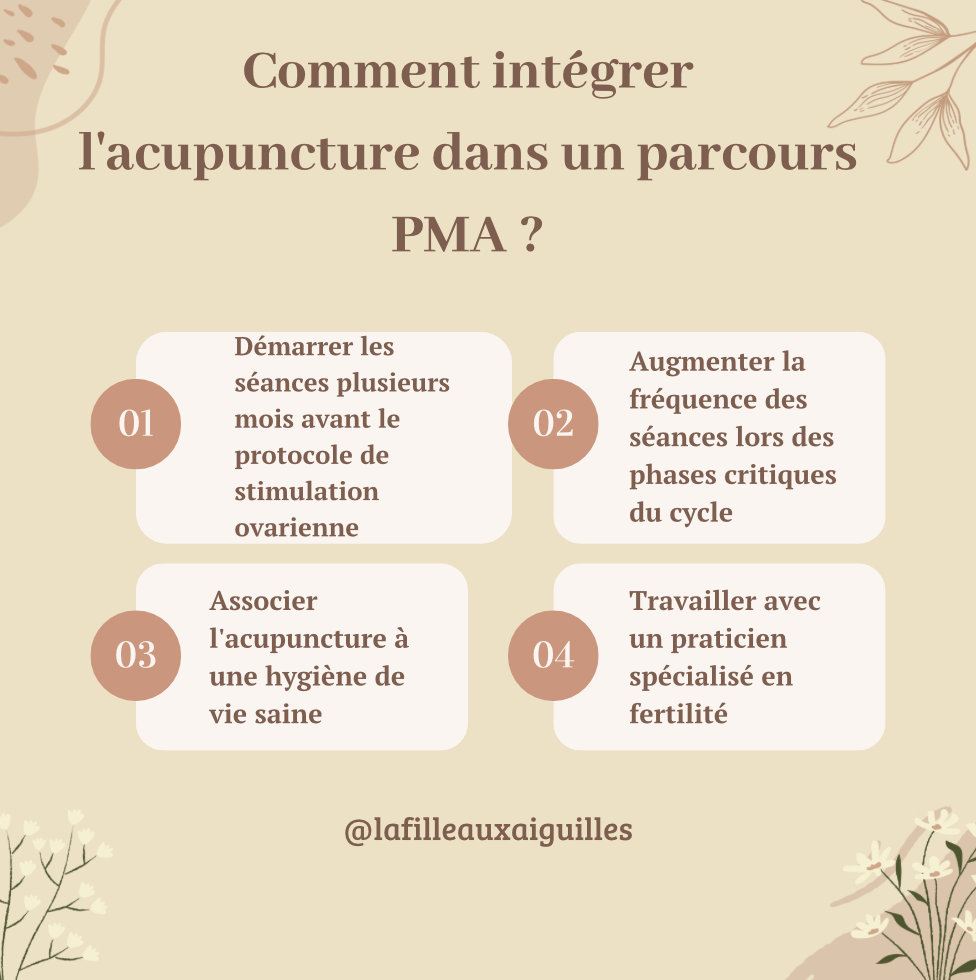
To optimise the benefits of acupuncture on egg maturation, it is recommended, in liaison with the medical team overseeing the protocol, to:

  • Start sessions several months before the ovarian stimulation protocol to prepare the body and regulate hormones.
  • Increase the frequency of sessions during the critical phases of the cycle (stimulation, egg retrieval, embryo transfer) to maximise the effects.
  • Combine acupuncture with a healthy lifestyle: a balanced diet, stress management and suitable physical activity.
  • Work with a practitioner specialising in fertility for a personalised protocol suited to your situation.

Some techniques, such as electro-acupuncture (applying micro electrical pulses to the needles), may be used to reinforce the effects on ovarian stimulation.
Conclusion

Acupuncture is a worthwhile complementary approach that might help to improve egg maturation in ART. By supporting an optimal hormonal and circulatory environment, it might contribute to the success of fertility treatments. For those who wish to maximise their reproductive potential, combining ART and acupuncture can be a worthwhile natural strategy, alongside medical care.

If you are considering ART and would like to explore the benefits of acupuncture, feel free to consult a specialist to develop a protocol suited to your needs.

Acupuncture and hormones

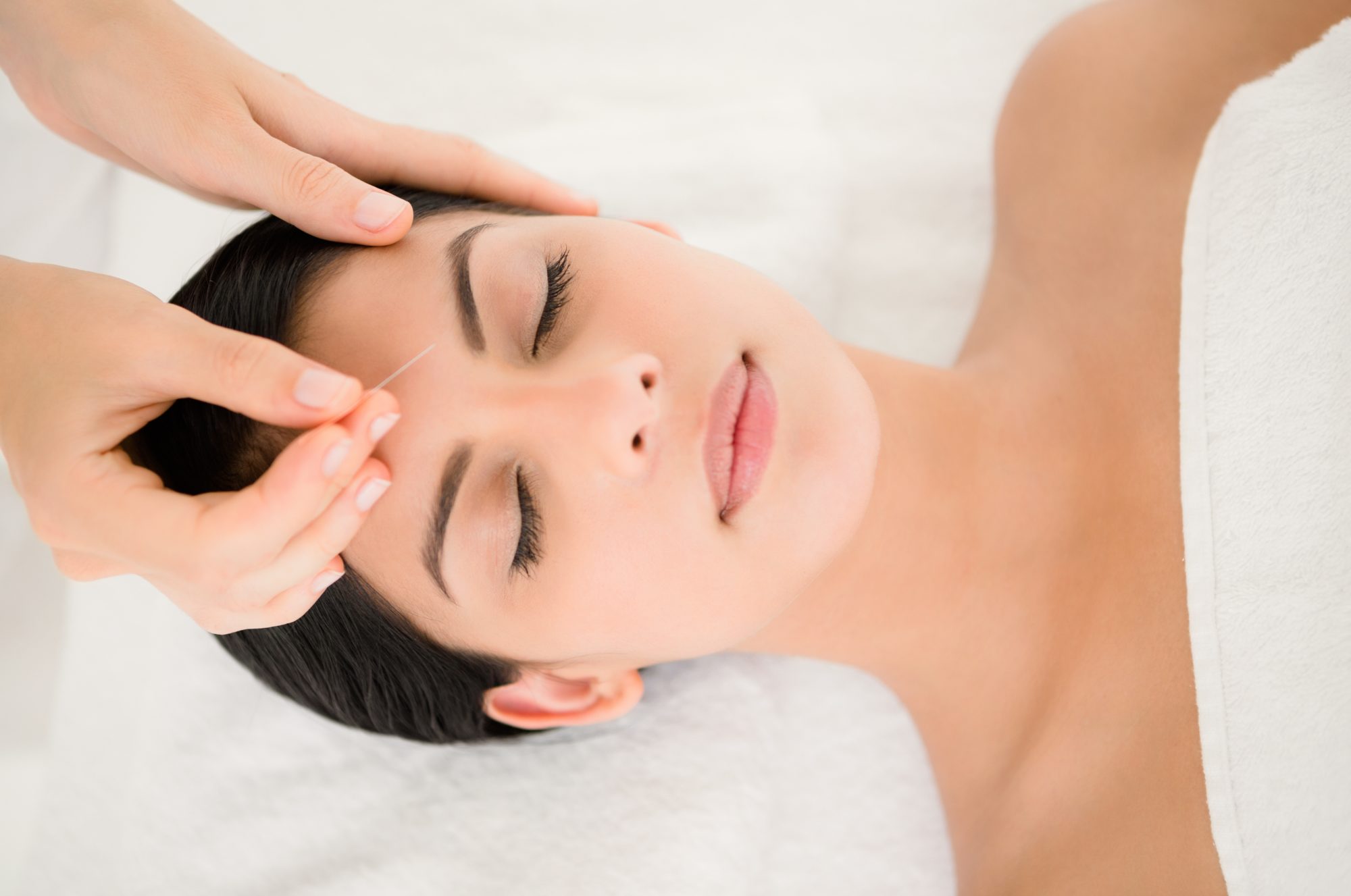
An acupuncture session in progress: a patient lying on a treatment table receives fine needles placed on strategic points of the body to rebalance her hormones and promote her well-being.

Acupuncture and hormonal balance: a natural approach

Hormonal balance plays a fundamental role in our general well-being. When our hormones are out of balance, this can lead to various problems such as fatigue, sleep disorders, weight problems, stress or menstrual imbalances. Acupuncture, a Traditional Chinese Medicine practised for thousands of years, offers a natural approach to support and rebalance the endocrine system.

How does acupuncture act on hormones?

Acupuncture involves inserting fine needles at precise points on the body in order to stimulate the flow of energy (Qi) and regulate physiological functions. Some studies suggest that this technique may help modulate hormones by acting on the central nervous system and influencing hormone secretion.

Some studies suggest that acupuncture may:

  • Regulate cortisol production, the stress hormone, thereby reducing the negative effects of chronic stress. Excessive cortisol secretion can lead to fatigue, sleep disorders, weight gain and immune imbalances. By stimulating certain acupuncture points, a relaxation response of the parasympathetic nervous system is encouraged, contributing to better management of stress and anxiety.
  • Stimulate the secretion of endorphins, the feel-good hormones that help reduce pain and improve mood. This can be particularly beneficial for people suffering from chronic pain or mild to moderate depression, alongside their medical care.
  • Act on the hypothalamic-pituitary-adrenal axis, which regulates many hormonal functions, including the management of metabolism, energy and the stress response. Acupuncture may help improve communication between these glands to encourage a more stable balance.
  • Modulate the production of sex hormones, such as oestrogen, progesterone and testosterone. These hormones are essential for regulating the menstrual cycle, fertility, libido and bone health. A good balance of these hormones is crucial for reproductive health and general well-being.

Acupuncture for different hormonal imbalances

1. Acupuncture and menstrual disorders

Hormonal imbalances can cause irregular periods, period pain or premenstrual syndrome (PMS). Acupuncture helps restore a harmonious hormonal cycle by acting on the meridians associated with the reproductive organs, in particular the liver, kidneys and spleen.

  • Improved blood circulation in the pelvic area, encouraging a better supply of nutrients to the uterus and ovaries.
  • Reduced inflammation and pain by releasing endorphins and regulating prostaglandins, which are involved in menstrual cramps.
  • Stabilised hormonal fluctuations, thereby reducing the irritability, bloating and fatigue linked to premenstrual syndrome.

2. Acupuncture and the menopause

Hot flushes, night sweats, insomnia and mood swings are common symptoms of the menopause linked to hormonal fluctuations. Some studies suggest that acupuncture may ease these symptoms by regulating oestrogen levels and stimulating the production of feel-good hormones.

  • Fewer hot flushes through its action on the autonomic nervous system and the regulation of body temperature.
  • Better sleep by balancing melatonin production and reducing the anxiety linked to hormonal imbalances.
  • Support for bone density by modulating oestrogen levels and stimulating blood circulation in the bones.

3. Acupuncture and fertility problems

Whether to support natural conception or to accompany assisted reproduction (ART), acupuncture can support fertility, in liaison with the medical team, by helping to balance the hormones involved in ovulation and to improve blood flow to the uterus.

  • Regulation of the menstrual cycle, encouraging regular ovulation and better egg quality.
  • Improved endometrial receptivity, which is essential for embryo implantation.
  • Reduced stress, which can have a negative impact on fertility by affecting the hypothalamic-pituitary axis.
  • Optimised FSH, LH and progesterone levels, key hormones in the reproductive process.

4. Acupuncture and thyroid disorders

Hypothyroidism and hyperthyroidism are often associated with hormonal imbalances affecting metabolism, mood and energy. Acupuncture helps regulate thyroid activity by stimulating the energy points corresponding to endocrine functions.

  • Support for thyroid hormone production, by improving communication between the hypothalamus, the pituitary gland and the thyroid gland.
  • Less fatigue and more energy by stimulating the kidney and spleen meridians, which are essential for healthy thyroid function.
  • Reduced inflammation, which can worsen autoimmune thyroid diseases such as Hashimoto’s or Graves’ disease.

Conclusion

Acupuncture is a natural solution, complementary to medical treatment, for supporting hormonal balance. By working on the body’s energy imbalances, it may encourage harmonious functioning of the endocrine system and so improve quality of life. Whether you suffer from menstrual disorders, the menopause, infertility or thyroid imbalances, acupuncture can be a valuable aid in restoring hormonal harmony. For personalised support, it is advisable to consult a qualified acupuncturist so that the treatment can be adapted to your specific needs.

Osteopathy and endometriosis: a natural way to relieve pain?

An osteopath performing a gentle manipulation on the abdomen of a patient with endometriosis

Endometriosis is a chronic disease that affects millions of women around the world. Characterised by the presence of endometrial tissue outside the uterus, it causes intense pain, digestive problems and sometimes fertility problems. While medical treatments exist, many patients look for other approaches, alongside their medical follow-up, to improve their quality of life. Among them, osteopathy is a worthwhile complementary approach. But how does it work and what effects does it have on endometriosis?

What is endometriosis and why is it painful?

Endometriosis is characterised by the presence of tissue similar to the endometrium outside the uterine cavity. This tissue responds to hormonal cycles, causing inflammation, adhesions and intense pelvic pain. The pain can spread to the back and legs and come with digestive problems (bloating, constipation, diarrhoea).

Conventional treatments include painkillers, anti-inflammatories, hormonal treatments and even surgery. However, these solutions are not always enough, which is where osteopathy comes in as a complementary approach.

How can osteopathy relieve endometriosis?

Osteopathy relies on gentle manipulations to restore the body’s balance and improve tissue mobility. Several mechanisms may explain its beneficial effects on endometriosis:

Reduced pelvic pain and muscle tension

Endometriosis causes significant muscular and fascial tension, particularly in the pelvis and lower back. The osteopath works on mobilising the fascia and deep muscles to release this tension and ease the pain.

Improved blood and lymphatic circulation

Poor blood circulation can encourage inflammation and the build-up of toxins. Through specific techniques, osteopathy aims to stimulate blood and lymphatic circulation, which may help to reduce inflammation and pelvic oedema.

Regulation of stress and the nervous system

The chronic pain caused by endometriosis can heighten stress and create a vicious circle in which stress intensifies pain. Osteopathy acts on the autonomic nervous system, encouraging a state of relaxation that helps you manage pain better.

Effect on digestive problems linked to endometriosis

Patients with endometriosis often suffer from digestive problems. Visceral osteopathy works on the digestive organs to improve their mobility and function, which can reduce bloating and intestinal pain.

What do studies and testimonials say?

Although osteopathy does not cure endometriosis, several patients report a clear improvement in their symptoms after a few sessions. A study published in the Journal of Bodywork and Movement Therapies suggests that osteopathic techniques may reduce pain and improve pelvic mobility.

What to expect during an osteopathy session?

An osteopathy consultation begins with an overall assessment of the body. The osteopath assesses posture and tissue mobility and looks for areas of tension. The techniques used vary with each patient, but they are generally gentle and non-invasive.

Recommended frequency

The number of sessions needed depends on each case. In general, a regular approach with one session every 3 to 4 weeks can be beneficial for maintaining the effects.

Conclusion

Osteopathy is a natural and complementary approach that may help relieve the pain and problems associated with endometriosis. By working on tissue mobility, blood circulation and stress management, it offers a worthwhile complement to medical follow-up for improving patients’ quality of life. If you have endometriosis, consulting a specialised osteopath may be an avenue to explore for greater comfort in everyday life.


Need personalised support?

Book an appointment with a qualified osteopath near you and start your journey towards natural wellbeing!

Sinusitis and acupuncture

"Illustration of the benefits of acupuncture in relieving the symptoms of sinusitis, by promoting circulation and reducing inflammation."

Acupuncture: a natural approach to supporting sinusitis

Sinusitis, whether acute or chronic, often means intense pain, nasal congestion and prolonged discomfort. While conventional treatments, such as antibiotics or decongestants, are not always enough, acupuncture may be worth considering alongside medical follow-up. Let us look at how this ancient method may help to relieve the symptoms of sinusitis, supported by studies, scientific data and a clinical case.

Understanding sinusitis

Sinusitis is characterised by inflammation of the lining of the sinuses, often caused by a viral or bacterial infection or an allergy. The most common symptoms include:

  • Nasal congestion.
  • Headaches around the sinuses.
  • A feeling of pressure in the face.
  • Nasal discharge.

When these symptoms persist, they can considerably affect quality of life. This is where acupuncture can come in.

How does acupuncture work on sinusitis?

By stimulating specific points on the body, acupuncture aims to restore energy balance and to promote better circulation of body fluids. In the case of sinusitis, the main aims are:

  • To reduce inflammation of the sinuses.
  • To improve circulation in the nasal area.
  • To stimulate the immune system to fight infections better.
  • To relieve pain associated with sinus pressure.

The points often stimulated include those around the nose, the forehead and the hands, such as the LI-4 (Hegu) point, reputed to relieve pain and decongest, or Yin Tang, located between the eyebrows, reputed to soothe headaches and nasal tension.

What scientific studies say

Some studies suggest that acupuncture may be of interest for sinusitis:

  1. A study published in the Journal of Alternative and Complementary Medicine (2018) observed that patients suffering from chronic sinusitis reportedly felt an improvement in their symptoms after 6 acupuncture sessions. 78% of participants are reported to have noticed a reduction in nasal congestion and headaches.
  2. A systematic review of 12 studies (2020) suggests that acupuncture, combined with conventional care, may improve clinical outcomes in patients suffering from recurrent sinusitis. These results still need to be confirmed by larger studies.
  3. Other studies suggest that patients treated with acupuncture for chronic sinusitis noticed an improvement in their quality of life, notably thanks to a reduction in facial pain and congestion.

Clinical case: a patient relieved by acupuncture

Patient profile:

  • Name: Marie
  • Age: 42.
  • Medical history: Chronic sinusitis for 5 years, with frequent acute episodes (3 to 4 a year). Standard treatments (antibiotics, nasal sprays) gave temporary relief, but the symptoms always came back.

Acupuncture treatment:
Marie consulted an acupuncturist after hearing about the benefits of this method. A personalised treatment plan was put in place, including:

  • 8 sessions spread over 6 weeks.
  • Use of the points LI-4 (Hegu), Yin Tang, and ST-36 (Zu San Li) to stimulate immunity and improve nasal circulation.
  • Advice on avoiding triggers, such as prolonged exposure to allergens.

Results:
From the 3rd session, Marie noticed a reduction in nasal congestion and facial pain. By the end of the 8 sessions, her episodes of acute sinusitis had decreased considerably. Three months after the end of treatment, she reported better breathing and good-quality sleep.

Conclusion

Acupuncture may be a worthwhile natural approach to help relieve sinusitis, whether acute or chronic. Drawing on centuries of practice, modern studies and real clinical cases, it may offer lasting relief; side effects are uncommon and usually mild when performed by a trained practitioner. If you regularly suffer from sinusitis, consulting a qualified therapist could transform your daily life.


Acupuncture and carpal tunnel: a complementary natural approach

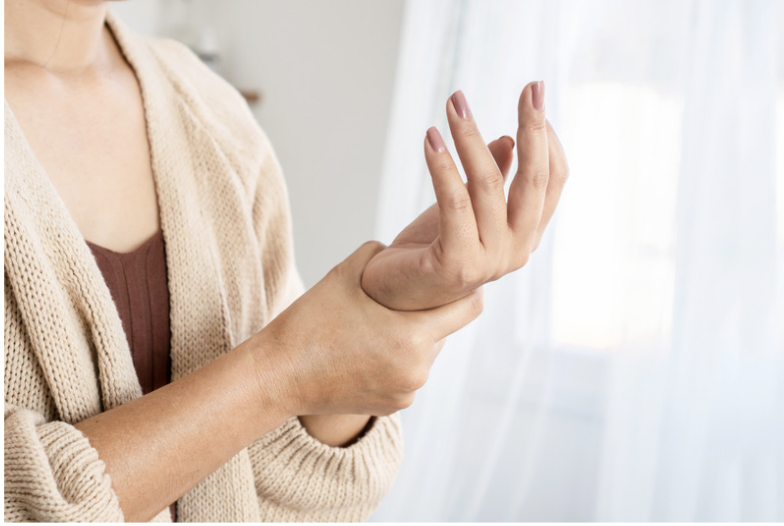
Illustration of carpal tunnel syndrome: compression of the median nerve at the wrist, causing pain, numbness and tingling in the hand.

Carpal tunnel syndrome (CTS) is a common condition caused by compression of the median nerve at the wrist. This disorder can lead to pain, numbness, tingling and muscle weakness in the hand. While conventional treatments include medication, splints and sometimes surgery, acupuncture is emerging as a natural complementary option that may help to relieve these symptoms. This article explores the benefits of acupuncture in treating carpal tunnel syndrome, drawing on scientific studies, statistics and a clinical case.


What is carpal tunnel syndrome?

CTS affects around 1 to 5% of the general population, with a higher prevalence among women and older people. Causes include repetitive movements, inflammatory conditions such as arthritis, and conditions such as pregnancy or diabetes.

Typical symptoms include:

  • Pain and tingling in the fingers, particularly the thumb, index finger and middle finger.
  • Feelings of numbness, often at night.
  • Difficulty with fine movements, such as buttoning a shirt.

Acupuncture, a complementary approach studied by science

How does it work?
Acupuncture works by stimulating specific points on the body to restore energy balance, improve blood circulation and reduce inflammation. In the case of carpal tunnel syndrome, it targets points on the wrist and arm to relieve compression of the median nerve.

What the studies say:

  1. A study published in Brain in 2017 observed that acupuncture might improve nerve conduction and reduce the pain associated with CTS. Participants treated with acupuncture reportedly showed a significant improvement in sensory and motor function compared with the control group.
  2. A 2022 meta-analysis of 12 clinical trials suggests that acupuncture might reduce CTS pain more than non-steroidal anti-inflammatory drugs (NSAIDs).
  3. Some studies suggest that electro-acupuncture, a variant using light electrical pulses, might reduce numbness after six weeks of treatment.

Clinical case: an example of acupuncture support

Background
Marie, 45, a secretary, suffered from night-time pain and loss of sensation in her right hand. After trying splints and painkillers without success, she turned to acupuncture.

Results

  • Reduction in pain felt after the 5th session.
  • Full recovery of sensation after 10 sessions.
  • Six months later, no return of symptoms.

The advantages of acupuncture for carpal tunnel syndrome

  • Uncommon side effects: They are usually mild when performed by a trained practitioner.
  • Holistic approach: It looks not only at the symptoms but also at the underlying causes.
  • Personalised: Each treatment is adapted to the patient’s needs.

Is acupuncture a solution for you?

If you suffer from carpal tunnel syndrome, acupuncture may be a worthwhile option alongside medical care. Consult a qualified practitioner to draw up a personalised treatment plan.


Conclusion

Acupuncture may be a worthwhile natural approach to support people with carpal tunnel syndrome, alongside medical care. It has been the subject of studies with encouraging but still limited results, and may help to improve your quality of life.

Ginger and digestion

ginger and digestion Chinese medicine


Ginger: a natural ally for better digestion

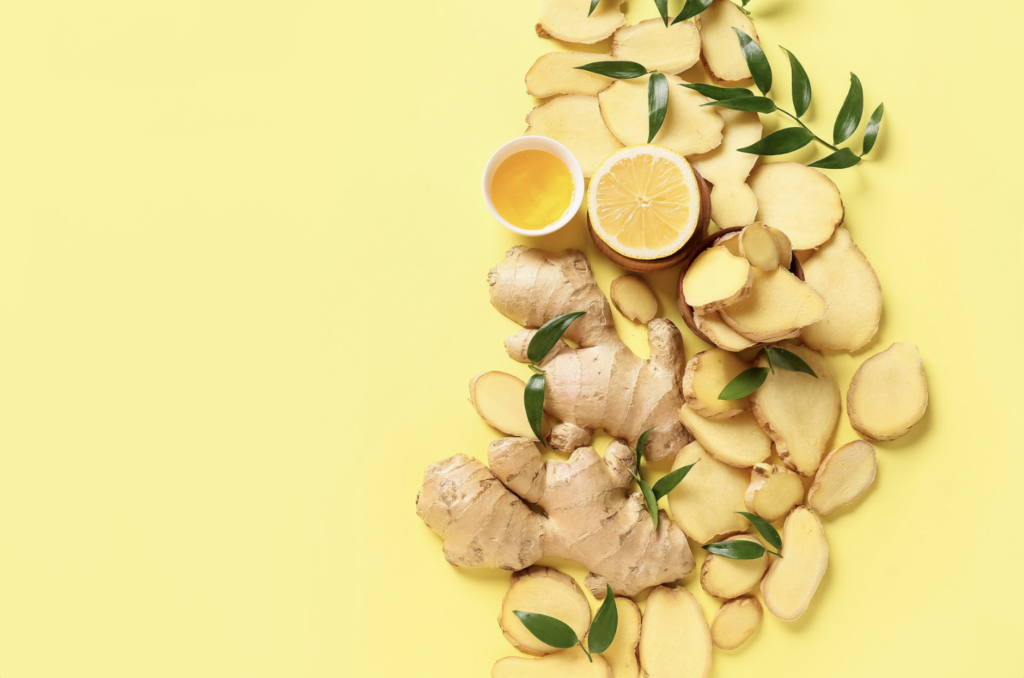
Ginger, the spicy root native to Asia, is not only a key ingredient in cooking. For centuries, it has been used in traditional medicine for its many health benefits, notably to improve digestion. Let us find out together how this plant may contribute to your digestive well-being.


1. The digestive properties of ginger

Ginger is reputed to stimulate digestion thanks to its active components, such as gingerols and shogaols. These substances:

  • Activate the production of digestive enzymes : they promote more efficient breakdown of food.
  • Soothe inflammation of the digestive tract : useful in cases of bloating or abdominal discomfort.
  • Reduce nausea : notably nausea caused by travel sickness or pregnancy.

2. The effects of ginger on common digestive problems

  • Bloating and wind : thanks to its carminative properties, ginger helps to expel gas built up in the intestine.
  • Indigestion : it stimulates gastric emptying, thereby relieving the feeling of heaviness after a large meal.
  • Acid reflux : in small amounts, ginger may calm irritation caused by stomach acid.

3. How should you take ginger for digestion?

  • As an infusion : Steep a few slices of fresh ginger in hot water for a soothing tea.
  • As a juice : Add a small amount of ginger juice to your smoothie or to lemon water.
  • In cooking : Add it grated to your dishes or soups for a spicy flavour and health benefits.
  • As a food supplement : in capsule or extract form, for more concentrated use.

4. Precautions for use

Although ginger is generally safe, a few precautions should be observed:

  • Limit your intake if you take anticoagulants, as it can thin the blood.
  • In case of allergy or severe gastric problems, consult a health professional before using it.

Conclusion: a root with many benefits

As well as adding a touch of flavour to your dishes, ginger is a real treasure for your digestion. Whether it is eaten fresh, powdered or as an infusion, it may be a natural aid for relieving everyday digestive complaints. So why not include this root in your routine? I recommend a small shot of ginger after lunch if you get energy slumps in the afternoon, or else some crystallised ginger. Enjoy.


Acupuncture and Insomnia

Acupuncture and insomnia

Insomnia and acupuncture: understanding its role, its benefits and how it works

Insomnia, a sleep disorder that affects millions of people around the world, can have harmful effects on physical and mental health. While conventional solutions such as medication or behavioural therapies are often offered, acupuncture stands out as a natural approach that may help improve sleep quality. In this article, we explore the role of acupuncture in treating insomnia, its benefits, and how this ancient practice works.


What is acupuncture?

Originating in Traditional Chinese Medicine (TCM), acupuncture involves stimulating specific points on the body by inserting fine needles. According to TCM, this technique restores the balance of vital energy, called Qi (pronounced “chee”), which flows through specific channels called meridians.

In modern terms, acupuncture is the subject of research into its effects on the nervous system, hormones and blood circulation, and it can support various disorders, including insomnia.


The role of acupuncture in treating insomnia

Insomnia can be caused by various factors such as stress, anxiety, hormonal imbalance or chronic pain. Acupuncture acts on several levels:

  1. Reducing stress and anxiety:
    Acupuncture encourages the release of endorphins and lowers the level of cortisol, the stress hormone. This helps calm the mind and reduce the intrusive thoughts that prevent you from falling asleep.
  2. Regulating the sleep-wake cycle:
    By stimulating specific points, acupuncture influences the production of melatonin, a hormone essential for regulating sleep cycles.
  3. Improving the flow of energy:
    According to TCM, insomnia can be linked to imbalances of Qi in organs such as the heart, liver or kidneys. Acupuncture helps restore this balance, thereby promoting restorative sleep.
  4. Relieving pain and tension:
    Muscular or chronic pain can disrupt sleep. Acupuncture may act as a natural painkiller by improving blood circulation and reducing inflammation.

The benefits of acupuncture for better sleep

  • Better sleep quality: acupuncture may help lengthen the phases of deep sleep, which are essential for good recovery.
  • Fewer night-time awakenings: it helps stabilise sleep cycles, thereby reducing frequent interruptions.
  • A natural approach: unlike sleeping pills, acupuncture does not cause dependence, and its side effects are uncommon and usually mild when performed by a trained practitioner.
  • Lasting relief: the benefits can last long after the end of treatment, especially when combined with lifestyle changes.

How does an acupuncture session for insomnia work?

  1. Initial assessment:
    The practitioner begins with a personalised diagnosis. They may ask about your sleep habits, your emotional state or your general health.
  2. Choosing the acupuncture points:
    The points targeted vary according to the causes of your insomnia. For example:
  • Shenmen (spirit gate): to calm the mind and reduce anxiety.
  • Anmian (peaceful sleep point): used specifically to promote sleep.
  • Points related to the liver, heart or kidneys to rebalance internal energy.
  1. Inserting the needles:
    Very fine needles are inserted painlessly at the chosen points. The session generally lasts between 20 and 40 minutes.
  2. Relaxation and side effects:
    Most patients report a feeling of deep calm during and after the session. Slight redness or tingling may occur, but it disappears quickly.

Acupuncture: who is it suitable for?

Acupuncture may suit:

  • Those who suffer from chronic or short-term insomnia.
  • People who are stressed or anxious.
  • Those who wish to reduce their use of sleeping pills, in consultation with their doctor.
  • Individuals with sleep disorders related to other conditions, such as chronic pain.

Conclusion: acupuncture to support sleep

Acupuncture is a natural, non-invasive method that may help with insomnia. By acting on both body and mind, it offers a holistic solution for improving sleep quality. If you are looking for a complement to your medical care or to an existing therapy, acupuncture could help you find peaceful nights again.

Before starting, it is recommended to consult a qualified practitioner for treatment adapted to your specific needs. This age-old practice may help you find restorative sleep again.


Acupuncture and uterine fibroids

acupuncture and uterine fibroids
benefits of acupuncture for uterine fibroids

Acupuncture and uterine fibroids: benefits and how it works

Uterine fibroids, also called myomas, are benign tumours that develop in or around the uterus. Although they often cause no symptoms, they can cause pelvic pain, heavy bleeding, irregular periods or difficulty conceiving. Faced with these symptoms, many women look for complementary solutions to relieve their discomfort, and acupuncture is emerging as a natural option, alongside medical care.

What is acupuncture?

Acupuncture is a practice from Traditional Chinese Medicine (TCM) that involves inserting fine needles at specific points on the body. According to TCM, this technique aims to restore the balance of vital energy, called Qi(pronounced “chee”), which flows through the body via energy channels or meridians. When the flow of this energy is disrupted, this can lead to imbalances and illness.

In the case of fibroids, acupuncture may help restore this energy balance and reduce the symptoms linked to the condition.

The benefits of acupuncture for uterine fibroids

  1. Reducing pelvic pain
    Fibroids can cause cramps or a feeling of pressure in the pelvic area. Acupuncture stimulates the release of endorphins, the body’s natural painkilling hormones, which may help to relieve discomfort.
  2. Improving blood circulation
    Poor blood circulation in the uterine area is sometimes associated with the development of fibroids. Acupuncture may encourage better blood supply to the uterus, which may help to reduce inflammation.
  3. Regulating hormones
    Hormonal imbalances, in particular high oestrogen levels, play a key role in the formation of fibroids. By targeting certain specific points, acupuncture may help to harmonise hormone levels and support optimal functioning of the endocrine system.
  4. Reducing stress and anxiety
    Chronic stress can make fibroid symptoms worse. Acupuncture may encourage deep relaxation and lower the level of cortisol, the stress hormone, thereby helping to minimise flare-ups of symptoms.
  5. Reducing heavy bleeding
    Acupuncture may help balance menstrual flow by strengthening the energy functions of the spleen and liver, according to the principles of TCM, which helps reduce heavy or prolonged periods.

How does it work?

During an acupuncture session for fibroids, the practitioner begins by carrying out a personalised energy assessment. This involves a discussion of the symptoms, an examination of the tongue and taking the pulse to assess the imbalances. The practitioner then inserts needles at specific points, often located on the abdomen, legs, arms or back. These points may be linked to the uterus, to hormones or to stress management.

The effects are generally not instant; several sessions are often needed to see significant improvements. Each treatment is adapted to the patient’s unique needs.

The limits of acupuncture

Although acupuncture offers many benefits, it does not replace conventional medical treatment. If fibroids are very large or cause serious complications (such as severe anaemia or intense pain), surgery or other medical treatments may be necessary. Acupuncture should be used as a complement to improve overall well-being.

Key points

Acupuncture offers a gentle and natural approach that may help to relieve the symptoms of uterine fibroids. It may act on pain, hormonal imbalances and stress, and so help to improve the quality of life of the women affected. If you are considering this practice, it is essential to consult a qualified practitioner and to discuss it with your doctor for complete medical follow-up.

By combining traditional and modern approaches, it is possible to live better with fibroids and regain a better balance of body and mind.

Digestion and weight

weight regulation 
digestion

Digestion: digestive health and the microbiome

Digestion, and therefore the digestive system, is important in various biological and physiological processes. A healthy digestive and intestinal system is linked to the level of inflammation as well as to mental health.

In the event of inflammation or symptoms such as bloating, diarrhoea, constipation, cramps, etc., there may be inflammation throughout the body.

Our body works holistically, which means that one part of the body or mind will affect another part. In other words, the foundation of the immune system and of fertility depends on the gut working properly.

Signs that your microbiome and digestive health are not at their best:

  • Constipation
  • Diarrhoea
  • Alternating diarrhoea and constipation
  • Bloating, wind
  • Irritable bowel syndrome, colitis
  • Crohn’s disease
  • Lower abdominal pain
  • Gastritis, ulcers
  • Anxiety, difficulty concentrating
  • Skin problems: psoriasis, eczema, acne
  • Diabetes
  • High blood pressure
  • Unwanted weight gain or weight loss
  • Thyroid disorders
  • Food allergy or intolerance
  • Joint inflammation
  • Period pain, PMS
  • Vaginal infections
  • Cystitis
  • Insomnia
  • Infertility (unexplained, implantation failure, poor egg quality).

Weight control

Regulating your weight depends on your body’s ability to eliminate toxins, limit inflammation, balance hormones, maintain good lymphatic circulation and find the right balance around your healthy weight to optimise your vitality.

Chinese medicine is an approach that looks at the individual as a whole (body, mind, spirit and organs).

Signs that you are outside your ideal weight:

  • Unwanted weight gain
  • Unwanted weight loss
  • Fatigue
  • Feeling of heaviness
  • Digestive problems
  • No appetite or excessive appetite
  • Skin or hair problems
  • Water retention or oedema
  • Emotional eating
  • Infertility or lack of ovulation

Food for beautiful skin

facial beauty anti-ageing foods
food and beauty

To have beautiful skin, you need to eat foods rich in antioxidants.

The essential vitamins for beautiful skin

Vitamin A or retinol

Retinol stimulates cell turnover, reduces blemishes and acne, brightens the complexion and gives that “glow” effect. It plays a role in skin firmness and boosts collagen. Finally, it is anti-ageing, anti-wrinkle and ideal for dry skin.

Foods rich in retinol: spirulina, carrot, beetroot, melon, apricot, mango, nectarine, melon, squash, butternut squash, red kuri squash, lettuce, spinach, cabbage, kale, sweet potato, dark green leafy vegetables.

B vitamins

Vitamin B1 or thiamine

Thiamine is responsible for the beauty, strength and shine of the hair.

Foods rich in thiamine: beetroot, broccoli, peas, romaine lettuce, spinach.

Vitamin B2 or riboflavin

Riboflavin plays a role in the beauty of the skin, nails and hair.

Foods rich in riboflavin: asparagus, beetroot, broccoli, kale, Swiss chard, cabbage, spinach, turnip

Vitamin B3 or niacinamide

Niacinamide helps to keep the skin hydrated.

Foods rich in niacinamide: asparagus, peas

Vitamin B5 or pantothenic acid

Vitamin B5 hydrates, repairs and protects the skin.

Foods rich in vitamin B5: avocado, broccoli, shiitake mushroom, sunflower seeds, sun-dried tomatoes.

Vitamin B6 or pyridoxine

Vitamin B6 is an essential antioxidant for collagen production, which contributes to the strength of hair and nails.

Foods rich in vitamin B6: asparagus, pepper, cashew nuts, pistachios, sesame seeds, sunflower seeds.

Vitamin B7 or biotin

Biotin is the vitamin that contributes to the strength of the hair.

Foods rich in biotin: avocado, banana, cauliflower, walnuts, sunflower seeds

Vitamin B9 or folic acid

Folic acid helps hair growth and repairs DNA and skin cells.

Foods rich in folic acid: asparagus, avocado, broccoli, lettuce, orange, spinach.

Vitamin B12

Vitamin B12 helps you have strong, shiny hair

Foods rich in vitamin B12: mushrooms, fermented foods, kombucha, miso, nori

Other vitamins

Vitamin C or ascorbic acid

The antioxidant par excellence, it repairs damaged tissue and produces collagen, whether taken internally or applied externally. It helps to reduce facial sagging, wrinkles and fine lines. It protects against UV by increasing the effectiveness of sunscreens. It boosts immunity.

Foods rich in vitamin C: broccoli, melon, cauliflower, curly kale, oranges and all citrus fruits, papaya, almonds, pepper, strawberry, blackberry, blueberries, redcurrants, grapefruit, kiwi, mango, pomegranate, raspberry.

Vitamin D

Essential for immunity and mental well-being. It plays a central role in building muscle strength and bone density, repairs skin damage and supports heart health. Minimal sun exposure (20 minutes) may help the natural production of vitamin D. The minimum body exposure is 20% of the body’s surface area. A vitamin D deficiency is responsible for low energy, insomnia, a weak immune system and mood changes.

Foods rich in vitamin D: shiitake mushroom

Vitamin E

Vitamin E helps skin firmness. It is an antioxidant and helps to combat the damage and effects of free radicals from UV and pollution. It also hydrates the skin from the inside and the outside. It is involved in immunity, gene expression, blood circulation and vision. The body does not produce it.

Foods rich in vitamin E: almond, avocado, butternut squash, kale, olive, papaya, parsley, spinach, sunflower seeds, sweet potato, Swiss chard, anchovies, broccoli, carrot, salmon, apricot, hazelnut, olive oil, peanut, prawn.

Vitamin K

It is found mainly in vegetables and dairy products. It helps to minimise scars, stretch marks, varicose veins and bruises. It helps to boost skin elasticity, which prevents wrinkles and fine lines.

With age, the eye area develops more dark circles and darkens. Taking vitamin K helps to brighten the complexion and dark spots, and to reduce puffiness.

Foods rich in vitamin K: basil, broccoli, Brussels sprouts, cucumber, ghee, spring onion, kale, butter, parsley

Antioxidants

ALA or alpha-lipoic acid

It is an antioxidant that fights free radicals. It protects vitamins C and E to boost their ability to fight free radicals and the ageing process and inflammation, and protects against UV, wrinkles and fine lines.

Foods rich in ALA: beetroot, carrot, broccoli, Brussels sprouts, spinach, tomatoes.

Alongside a suitable diet, a facial skincare routine suited to your skin type is essential.

Finally, to complete this, acupuncture or osteopathy sessions may help to give a “glow” by working on the organs, the muscles and circulation to oxygenate the skin.