
Bruxism in Aix-en-Provence: stress, jaw and neck pain, what can you do?

Do you often have a stiff neck?
Migraines at the end of the day or when you wake up in the morning?
The feeling that you clench your teeth without realising it?

These symptoms are often linked.
What do they have in common? Stress and the jaw.

In Aix-en-Provence, more and more patients come in for chronic neck pain… which actually originates in the temporomandibular joint (TMJ).


Stress acts directly on the jaw

When we are stressed, our nervous system switches into “alert” mode.

The body tenses up:

  • Tight shoulders
  • Stiff neck
  • Shallower, higher breathing
  • Unconscious teeth clenching

This repeated clenching can lead to what is called bruxism (grinding or clenching of the teeth, often at night).

Over time, the chewing muscles become hypertonic and create permanent tension around the TMJ.


Why does the jaw cause neck pain?

The temporomandibular joint is directly connected:

  • to the suboccipital muscles
  • to the upper cervical spine
  • to the trapezius muscles
  • to the postural chains

A tense jaw leads to postural adaptation.

The usual pattern is:

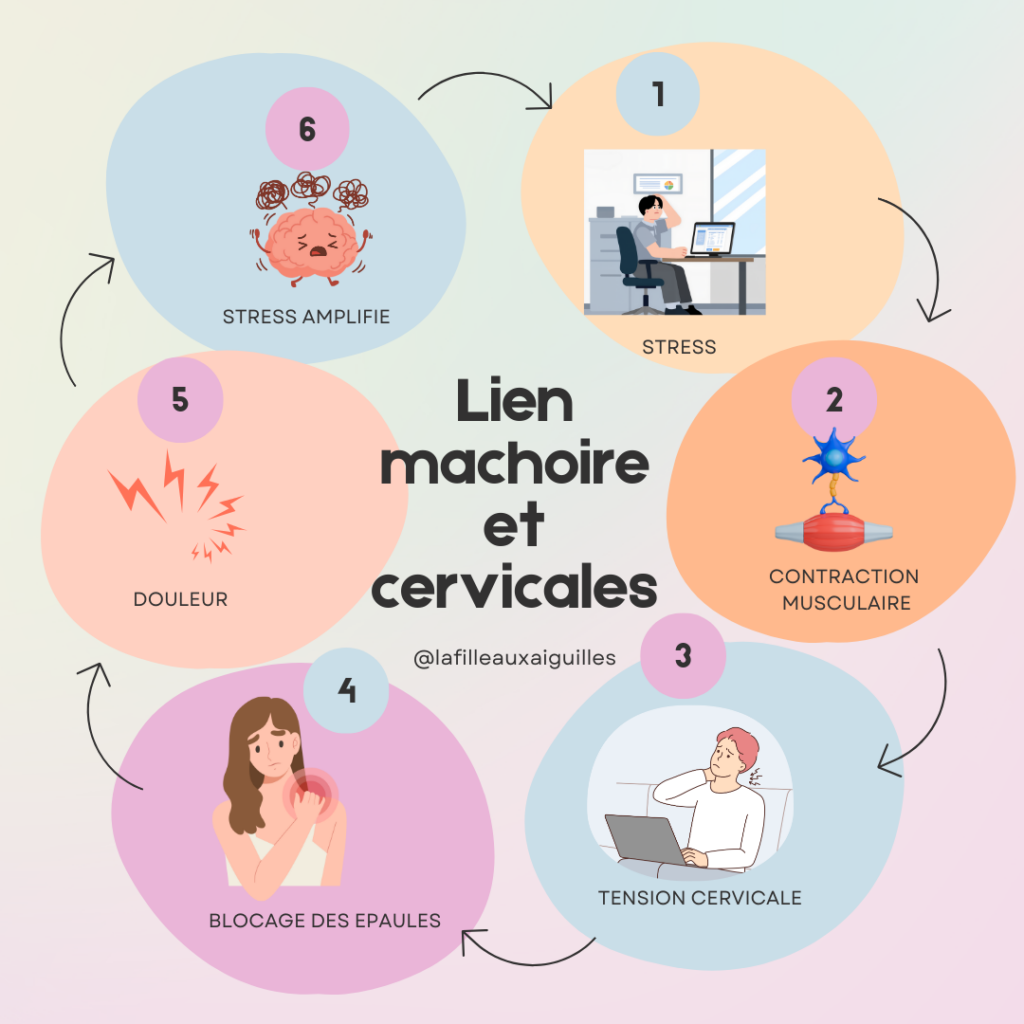
Stress → Jaw contraction → Neck tension → Locked shoulders → Tension migraines

This is why treating only the neck without working on the jaw sometimes gives partial results.

Common symptoms linked to bruxism

You may be affected if you have:

  • Chronic neck pain
  • Migraines or band-like headaches
  • A feeling of pressure in the head
  • Clicking in the jaw
  • Tiredness on waking
  • Tooth sensitivity
  • Constantly tight shoulders

In Aix-en-Provence, these symptoms are very common among people under stress, remote workers and people with a heavy mental load.


Why a targeted approach matters

When stress is chronic, tension becomes automatic.

Specific work on:

  • the temporomandibular joint
  • the chewing muscles
  • the cervical spine
  • the cervical fascia

may allow a deeper and longer-lasting release.

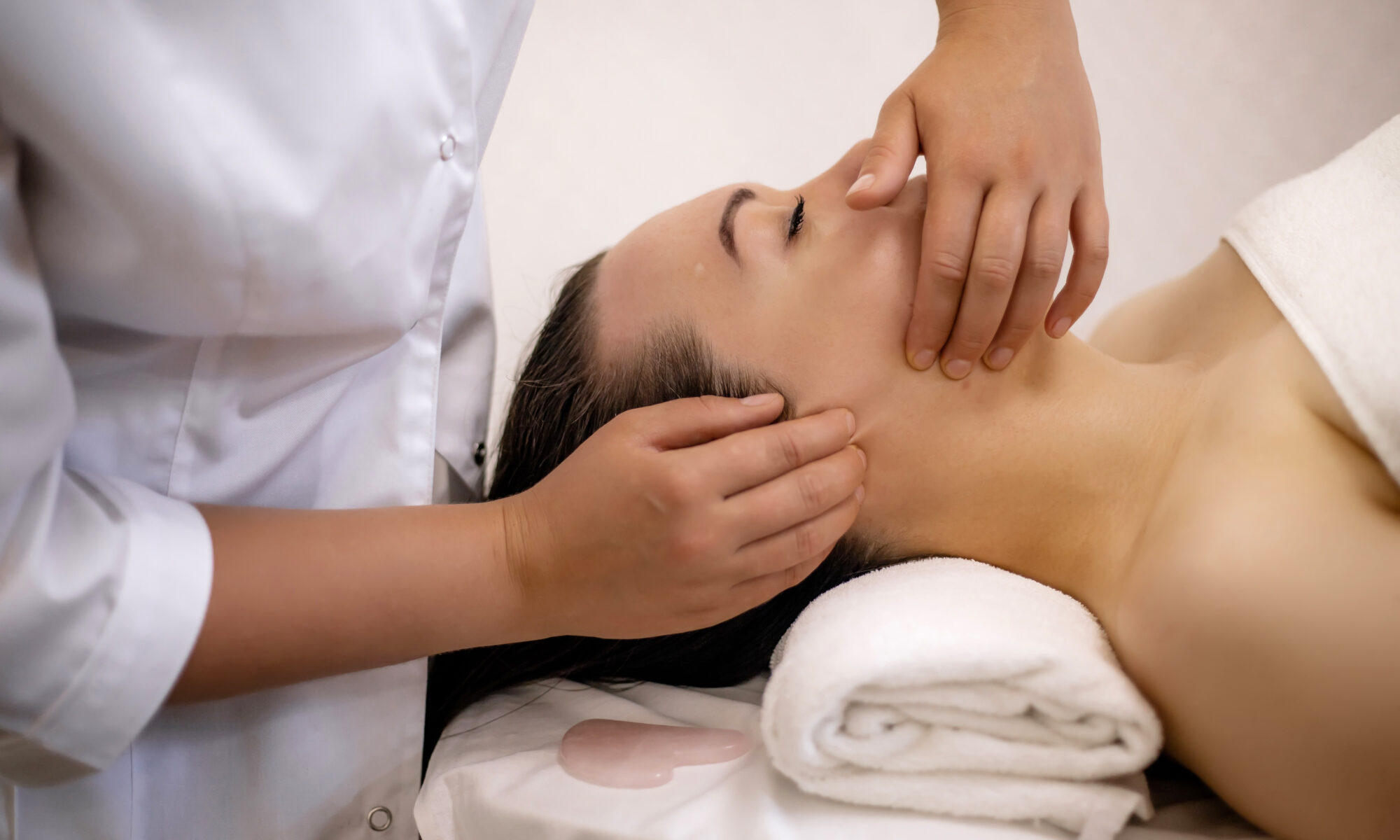
With this in mind, I have developed a specific protocol for jaw and neck tension at my osteopathy practice in Aix-en-Provence.

👉 Discover the Jaw & Neck Protocol


The role of intra-oral techniques

In some cases (established bruxism, deep tension), gentle intra-oral work may be offered.

It acts directly on the muscles responsible for teeth clenching and gives a more precise release.

These techniques are always explained and carried out with consent.


Can this pain really be reduced?

When neck pain is linked to jaw tension, appropriate care may bring:

  • fewer migraines
  • improved neck mobility
  • relaxed shoulders
  • an overall feeling of calm

The aim is not only to “release a blockage” but to reduce the stress → contraction → pain loop.


In summary

If you suffer from:

  • Bruxism
  • Neck pain
  • Tension migraines
  • Stress-related shoulder tension

The jaw may be a key factor.

A targeted osteopathic approach may make it possible to act at the source.

📍 Osteopathy practice in Aix-en-Provence
(consultations also in Cadenet)

👉 Book a session or discover the specific Jaw & Neck protocol
Low libido: how can acupuncture help you?

Low libido can affect both men and women at different times in their lives. Stress, fatigue, hormonal imbalance, emotional difficulties or the side effects of certain medicines can be the cause. Acupuncture, which comes from Traditional Chinese Medicine, can be a worthwhile natural approach to supporting intimate life. Let us look together at how it acts on libido and at what studies suggest about it.

low libido acupuncture

What causes low libido?

Reduced sexual desire can be linked to many factors:

  • Stress and anxiety: a heavy mental load can affect libido.
  • Hormonal imbalances: a drop in testosterone in men or an imbalance of oestrogen and progesterone in women influences libido.
  • Chronic fatigue: a lack of physical and mental energy can reduce sexual desire.
  • Circulatory problems: poor blood circulation can lead to erectile dysfunction in men or reduced sensitivity in women.
  • Side effects of certain treatments: antidepressants, contraceptive pills or medicines for high blood pressure can affect sexual desire.

Acupuncture: a natural approach to supporting libido

Acupuncture may act on several levels to support a balanced libido:

1. Regulating the hormonal system

Acupuncture may stimulate the endocrine glands and encourage the production of testosterone and oestrogen. A study published in the Journal of Alternative and Complementary Medicine observed that acupuncture may improve hormone levels and reduce menopause-related symptoms, including low libido.

2. Improving blood circulation

By stimulating certain specific points, acupuncture may encourage blood flow to the genital organs and thereby improve sensitivity and sexual arousal.

3. Reducing stress and anxiety

Acupuncture may act on the nervous system by reducing the production of cortisol, the stress hormone, and encouraging the release of endorphins and serotonin, contributing to better emotional well-being.

4. Increasing vital energy (Qi)

According to Chinese medicine, low libido is often linked to a Kidney energy deficiency (Yin or Yang). Acupuncture aims to strengthen this vital energy and overall vitality.

What studies say about acupuncture and libido

Some studies suggest acupuncture may be of interest for sexual function, with encouraging but still limited results:

  • A review in Medicina (2021) suggests that acupuncture may improve libido problems by regulating hormones and reducing stress.
  • Another study carried out in 2016 observed a significant improvement in erectile problems in men who had acupuncture sessions.
  • In women, research published in Acupuncture in Medicine observed a reduction in symptoms of vaginal dryness and an increase in sexual desire after several sessions.

What to expect during an acupuncture session

At the first consultation, the practitioner will carry out an energy assessment to identify the imbalances behind the low libido. They will then select specific points, often located on the Kidney, Liver and Spleen meridians, in order to restore the overall balance of the body.

Several sessions are usually needed before assessing progress. Acupuncture can also be complemented by herbal medicine and lifestyle advice as part of an overall approach.

Conclusion

Acupuncture is a natural option, whose side effects are uncommon and usually mild when performed by a trained practitioner, that may help you regain a harmonious libido by acting on the underlying causes of the problem. By supporting hormonal balance, stress reduction and blood circulation, it may allow you to approach sexuality with more serenity and pleasure.

If you are experiencing low libido, see an acupuncture practitioner for personalised support and to regain a fulfilling intimate life!

Acupuncture and fertility: a natural approach to support conception

Acupuncture session to support fertility, with needles placed on strategic points of the body.

Acupuncture is increasingly used to support fertility, whether on a natural path or alongside assisted reproduction (ART). How does it work? What are its benefits? An explanation.

Acupuncture and fertility: how does it work?

Acupuncture, which comes from Traditional Chinese Medicine, is based on stimulating specific points on the body with fine needles. The aim is to restore energy balance and optimise physiological functions, particularly those involved in reproduction.

1. Improved blood circulation

Acupuncture may promote better blood circulation to the uterus and ovaries. This could contribute to the quality of the endometrium and thereby to implantation of the embryo.

2. Hormonal regulation and stimulation of ovulation

Hormonal disorders such as polycystic ovary syndrome (PCOS) or luteal insufficiency can impair fertility. Acupuncture may help regulate the menstrual cycle and support ovulation and egg quality.

3. Reducing stress and anxiety

Stress is a major factor in infertility. By stimulating the production of endorphins and reducing cortisol levels, acupuncture can contribute to better emotional balance, which is favourable to conception.

4. Improving male fertility

Acupuncture is not only for women. It can also improve sperm quality by acting on the concentration, motility and morphology of sperm.

Acupuncture and ART: an ally of in vitro fertilisation (IVF)

Acupuncture is often used alongside ART treatments, in liaison with the medical team. Some studies suggest that it may increase IVF success rates by improving the receptivity of the uterus and reducing the side effects of hormonal treatments.

A meta-analysis published in Fertility and Sterility observed an increase in the chances of pregnancy in women who received acupuncture sessions before and after embryo transfer.

When should you start acupuncture to support your fertility?

It is recommended to start acupuncture several months before trying to conceive, naturally or with assistance. An approach over 3 to 6 months helps support cycles, egg quality and the body’s general condition.

Conclusion

Acupuncture is a natural and complementary approach that may be helpful in supporting fertility. By helping to regulate the cycle, support egg quality and reduce stress, it can be a real asset, whether for natural conception or as part of ART.

Would you like to try acupuncture to support your fertility? Consult a specialised practitioner for personalised support.

Psoriasis and acupuncture

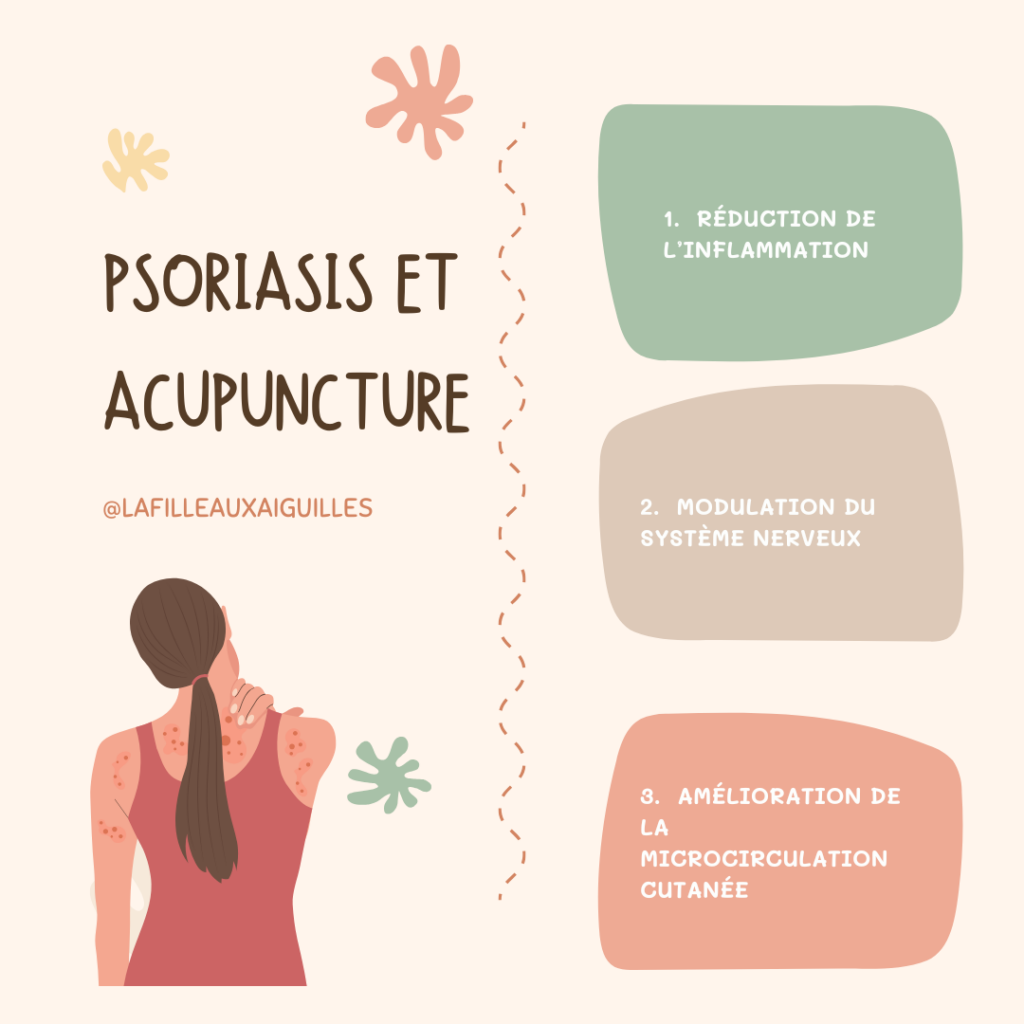
Chart showing the effects of acupuncture on psoriasis: 55% reduction in the PASI score in a clinical study, improvement in itching and quality of life according to recent studies

Acupuncture and psoriasis: a promising approach

Psoriasis is a chronic inflammatory skin disease, often associated with disabling symptoms such as erythematous plaques, scaling and itching. Although conventional treatments include topical creams, systemic medicines and phototherapy, some complementary approaches, such as acupuncture, are attracting growing interest for their potential to relieve symptoms while improving patients’ quality of life. This article explores the role of acupuncture in managing psoriasis, drawing on scientific data.


The scientific basis of acupuncture in the treatment of psoriasis

Several preliminary studies have assessed the effectiveness of acupuncture in inflammatory skin diseases, including psoriasis:

  • Reduced inflammation: A study published in Evidence-Based Complementary and Alternative Medicine (2021) observed that acupuncture might lower levels of inflammatory cytokines, such as TNF-α and IL-17, which play a key role in the development of psoriasis.
  • Modulation of the nervous system: According to a systematic review published in The Journal of Dermatological Treatment (2019), acupuncture may help to reduce stress and anxiety, factors often associated with psoriasis flare-ups.
  • Improved skin microcirculation: A Chinese study (2020) reported that acupuncture might improve blood circulation in inflamed areas, which could help to reduce psoriatic plaques.
  • Reduced symptoms: Research published in 2022 in Complementary Therapies in Medicine observed that 78% of patients treated with acupuncture reportedly noticed an improvement in their symptoms, including less itching and erythema.
  • Improved general well-being: Some studies suggest an improvement in quality of life with acupuncture, based on the DLQI (Dermatology Life Quality Index).

Examples of clinical studies

  • Randomised clinical trial (2021): A trial reportedly compared patients receiving acupuncture sessions with a control group treated only with topical creams, with a greater improvement in the extent of plaques in the acupuncture group. These results still need to be confirmed.
  • Meta-analysis (2020): Analyses pooling several studies suggest that acupuncture, combined with the treatments prescribed by the dermatologist, may help to reduce skin symptoms and improve psychological well-being.

Case study: acupuncture in action

A 40-year-old man who had suffered from psoriasis for 10 years came for a consultation for extensive erythematous plaques on his elbows and knees. The main symptoms were intense itching and excessive scaling.

  • Results after 6 weeks:
  • Reduced itching.
  • Visible reduction of the plaques.
  • Improved quality of life.

Conclusion

Acupuncture is a promising complementary approach for patients with psoriasis, alongside their medical follow-up. Although large-scale studies are still needed, preliminary data and clinical cases suggest a noticeable improvement in symptoms and quality of life. For optimal results, an accurate diagnosis and treatment adapted to individual needs are essential.

Anxiety and acupuncture

anxiety stress acupuncture

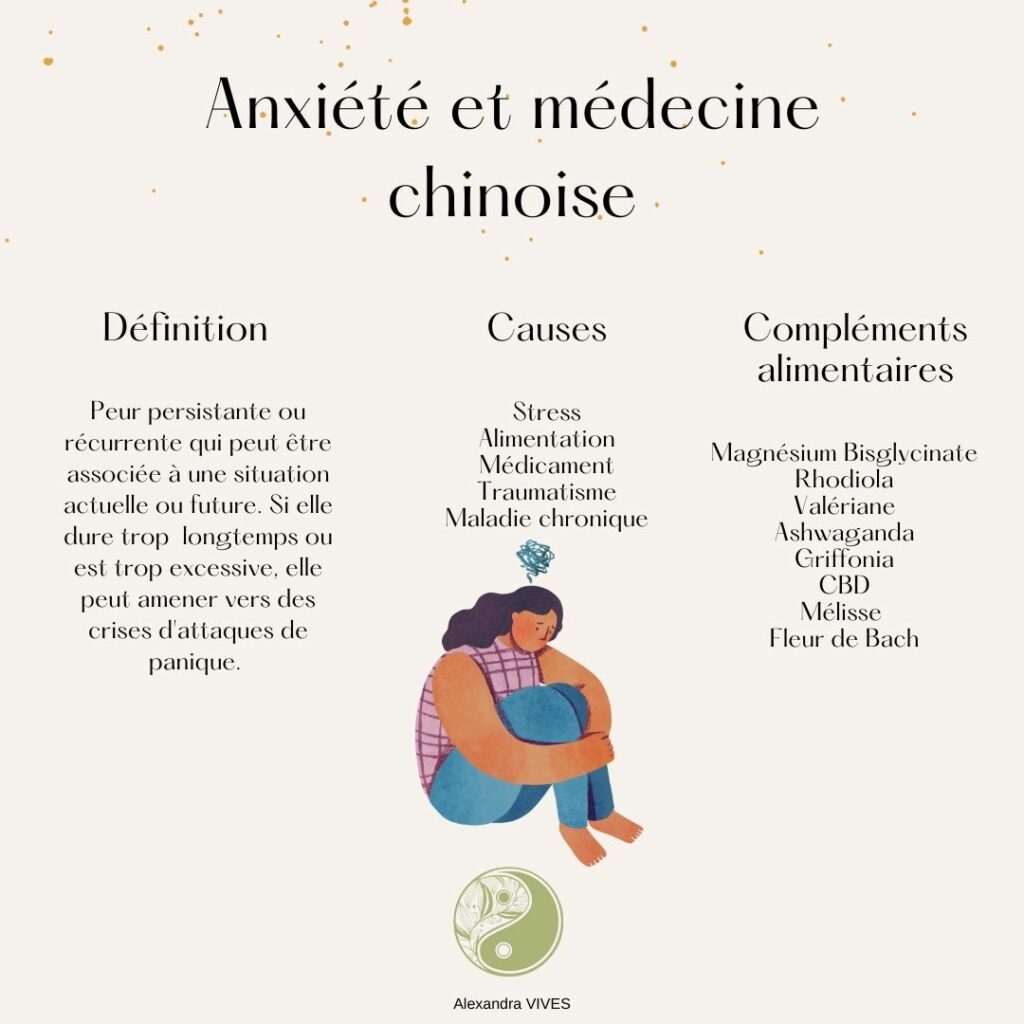
Anxiety is a feeling that covers several emotional disorders, sometimes including panic attacks and phobias.

Some experts believe that biological and psychological links may be the cause of the problem.

The main symptoms are sleep disorders (insomnia), excessive tension and nervousness.

Managing emotions and anxiety with acupuncture

If you experience prolonged or overly intense anxiety with symptoms that disrupt your everyday life, see your doctor.

The food supplements are given here for information only and in no way replace a medical diagnosis. Always ask your doctor or pharmacist for advice in order to avoid drug interactions or contraindications.

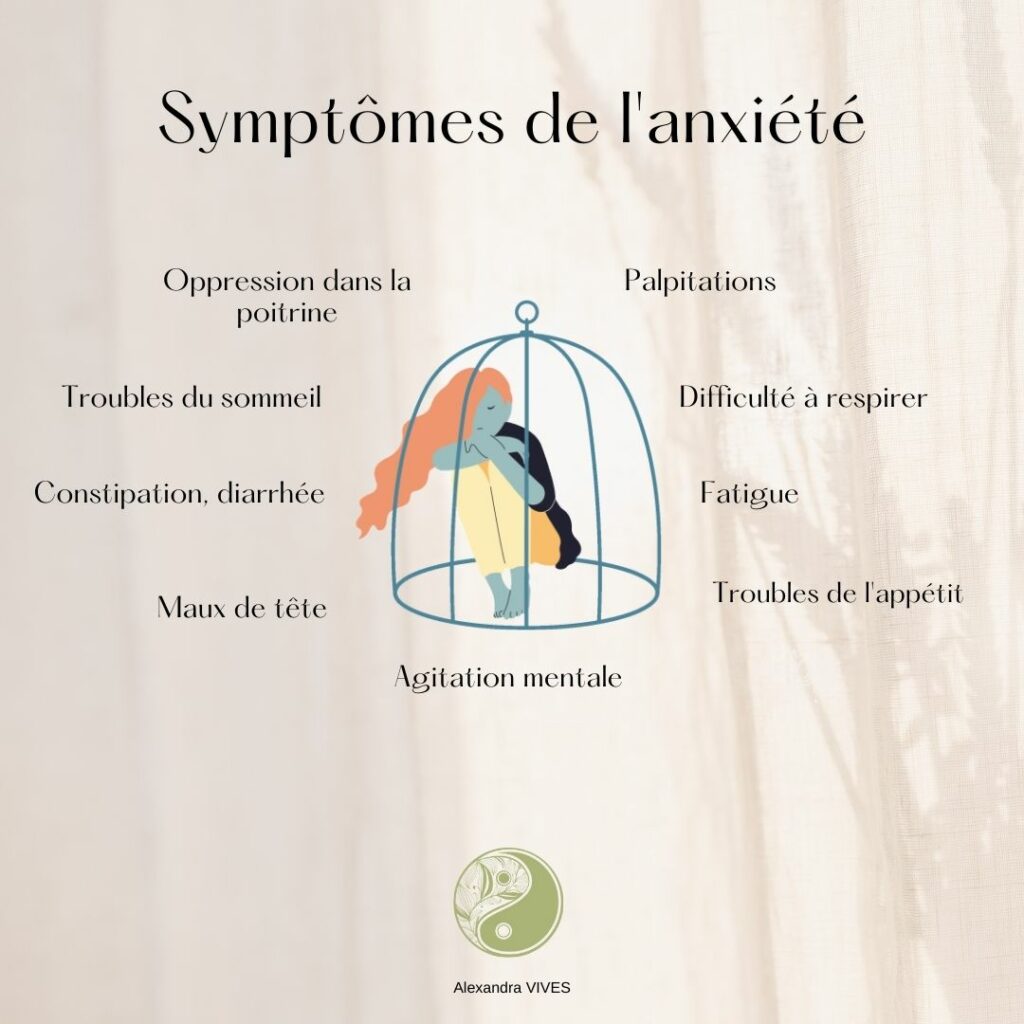
 the symptoms of anxiety
palpitations 
panic attack 
fatigue
tightness in the chest 
headaches
restlessness
symptoms of anxiety

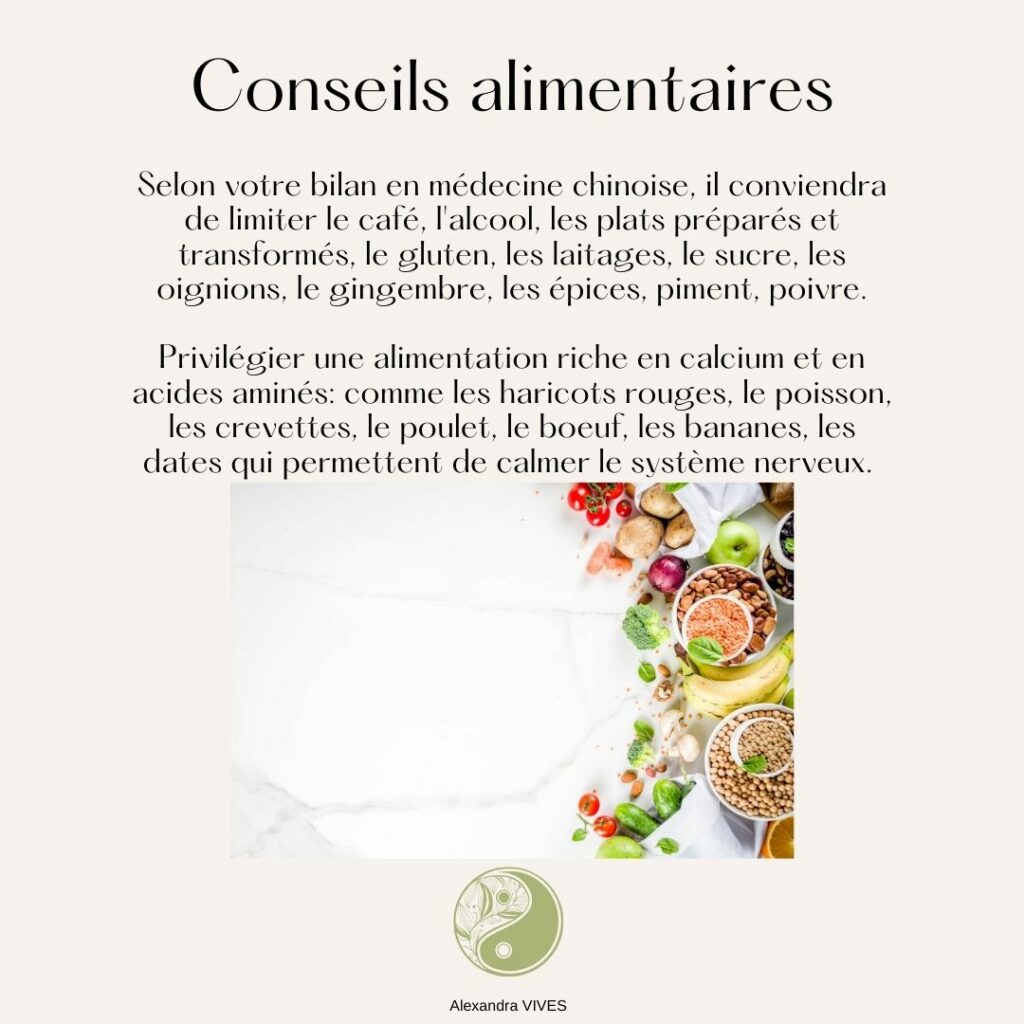
Diet and anxiety

In general, it is good to eat:

-Fish: carp, trout, sole, pollock, salmon, tuna, seafood (oysters, mussels, prawns, crab)

Cereals and pulses: wheat germ, rye bread, beans (haricot, kidney, green), lentils, maize, barley, rice, sesame.

Vegetables: artichoke, aubergine, avocado, Swiss chard, beetroot, carrot, celery, squash, courgette, pumpkin, chicory, spinach, lamb’s lettuce, turnip.

Fruit: apricot, lemon, orange, mandarin, date, fig, melon, pomegranate, watermelon, pear, apple, grapes.

Meat and cured meats are too stimulating and harmful in cases of distress and anxiety, except duck and chicken.

Conversely, some foods will make the symptoms worse, such as sweets, refined and sugary processed products (biscuits, fizzy drinks), fatty and fermented cheeses, and too much chocolate, coffee and tea. Limit alcohol.

diet and anxiety

Garlic is an excellent ally when cooking dishes, as it improves the general circulation of blood and energy.

Eating hazelnuts, chestnuts or walnuts several times a day may help to offset the effects of stress.

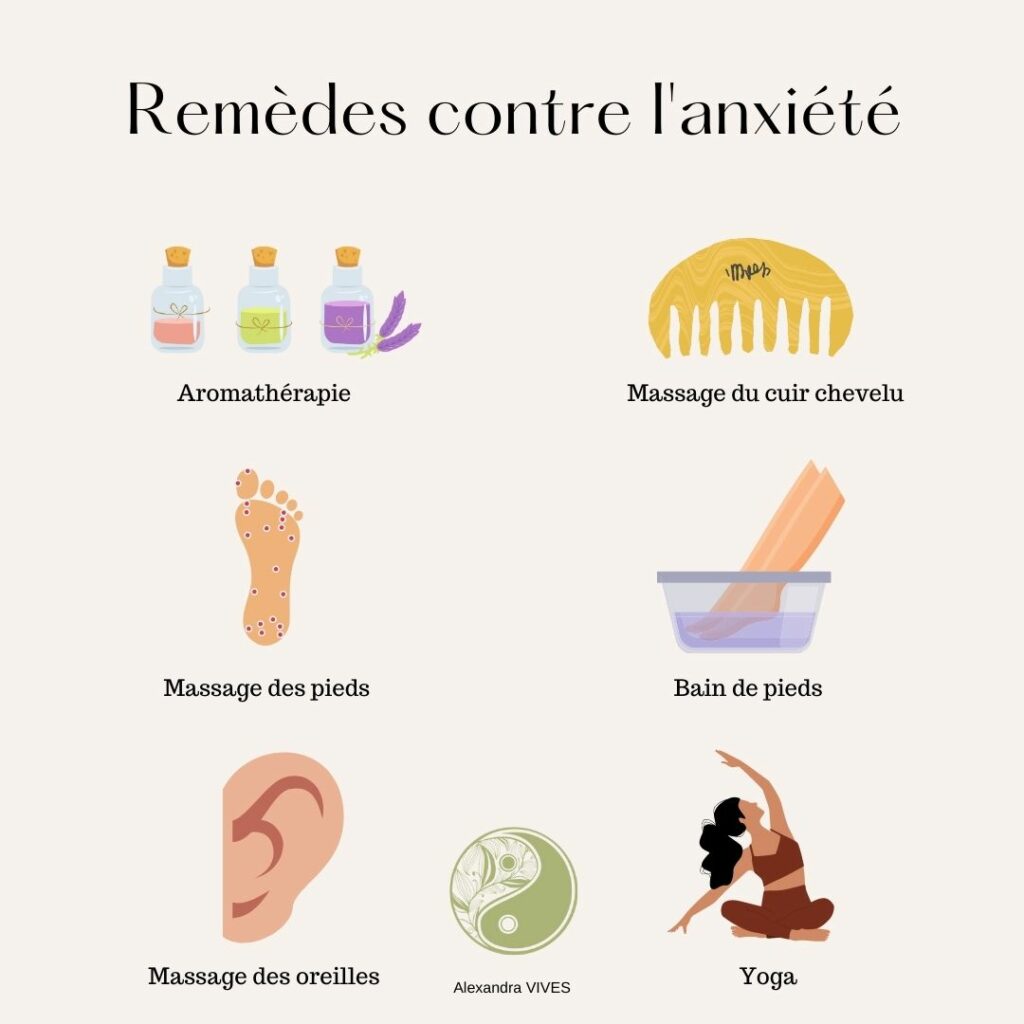
Anxiety: what can you do?

Creating a routine may help to improve the symptoms, for example massaging the areas that reduce tension (the head, the ears and the feet).

Practise a gentle activity such as yoga, stretching, meditation, Qi Gong or Tai Chi.

Taking a foot bath with essential oils for about 20 minutes in the evening may promote better sleep.

Tips for anxiety
Anxiety: what can you do?

Acupuncture

acupuncture
what is acupuncture?

Acupuncture (sometimes spelt “acuponcture” in French) is a very old therapeutic method, born in China 5,000 years ago, which regulates the body by means of needles placed in the skin at precise acupuncture points.

Acupuncture is based on the concept of vital energy and the theory of yin and yang. A state of balance defines good health.

Sometimes, internal or external aggressions disturb this balance, such as climatic changes (cold, heat, wind, dryness, trauma, infection) or eating too little or too much, dietary mistakes, excess or lack of emotions (anger, fear, sadness).

The imbalance may be temporary if the body has good immunity or if the pathogen is eliminated. Otherwise, the imbalance leads to the dysfunction of an organ, which in turn leads to the onset of an illness.

First and foremost preventive, acupuncture’s role is to maintain good health. It is also curative as soon as symptoms appear. It is advisable to have a session every 4 months, that is, at each change of season. This makes it possible to anticipate certain symptoms, such as allergies for example, or to prevent certain illnesses by boosting immunity.

According to Traditional Chinese Medicine, vital energy depends on the quantity and quality of the air we breathe, on diet, on managing emotions as well as on mental and sexual stimulation and on solar radiation.

Weight loss

weight loss and acupuncture
acupuncture weight loss

Weight loss through acupuncture is a major reason for consultation. Many patients wonder how to lose weight, slim down or tone their thighs or stomach. As each patient is unique, the protocol will be personalised according to various factors.

Eating disorders, stress, sleep problems, fatigue disrupt your energy and so lead to excess weight. The menopause and thyroid disorders are also factors that can alter your vitality in Chinese medicine. Some treatments or medications also contribute to weight gain.

nutrition weight loss
Nutritional advice for weight loss

By working on certain organs such as the liver, gallbladder, spleen, stomach and kidneys, the patient may regain fitness and energy naturally. Nutritional advice complements the session.

meditation yoga migraine

During a session, the practitioner gives advice such as acupressure. The aim is to encourage relaxation and regulate appetite, sugar cravings, sleep, stress, etc. For example, yoga, breathing techniques and hiking are excellent activities.

Other symptoms can be supported at the same time, such as neck pain, low back pain, water retention, cellulite and abdominal pain.

It should be noted that no scientific evidence has shown the effectiveness of the acupuncture pen.

The autumn season in Chinese medicine

autumn begins on 7 August

In Chinese medicine, the autumn season corresponds to the Metal element. It begins on 7 August and ends on 19 October. Energy moves from Yang towards Yin, from expansion towards contraction, so it is important to be structured and organised during this period. This applies to the outside world but also to our inner world. As the leaves fall from the trees, we should remember how pleasant it is to let go. Your breathing is a balance between breathing in and breathing out. Breathing out is necessary to get rid of what we no longer need and to be able to fill up again. 

acupuncture Aix-en-Provence constipation digestion sinusitis

It is also the season for getting rid of what we no longer need, which can create stress, confusion or a feeling of being overwhelmed. Cleaning, tidying, sorting and throwing away allow Qi to flow freely and bring more clarity to our choices and decisions. When you are aligned with what is essential, you can connect with your intentions.

The Lung and Large Intestine meridians can be where imbalances appear during this season. The most common symptoms I see in my patients are: breathing problems, allergies, sinus congestion, sore throat, cough, colds, flu, constipation, irritable bowel syndrome, sadness, grief, depression, stress, mental confusion, having no purpose in life, a need for control, and difficulty letting go.

grief and sadness in Chinese medicine

Here are some tips for balancing the Metal element during autumn:

  1. Tidy up and simplify. This is a good time to sort out your wardrobes and cupboards. A good way to do this is to get rid of things you have not worn or used for more than a year. Clean, tidy, give away, sell or throw away whatever is surplus.
  2. Get organised and set up a routine. Plan the tasks to be done for work and at home. It helps to have regular times for each task, such as preparing meals, sleeping, exercising and taking care of yourself. 
  3. Check your alignment. Review your priorities, resources and activities, and check which ones are aligned with who you are today. 
  4. Let go. Take time to discern what has value for you and what no longer serves you. You can ask yourself what you need to let go of from the past in order to move towards the future. This may mean letting go of old thoughts, old emotions, emotions such as shame or guilt, old relationships, old habits. 
  5. Allow yourself to feel sadness or grief. Make sure you listen to your emotions, and avoid judging or burying them. Instead, give thanks for the lessons received. Free yourself from judgement and forgive yourself and others. Have the courage to feel the emptiness created and to consider the space this creates. 

I practise acupuncture in a traditional way and take into account every aspect of well-being: physical, psychological, emotional, mental and spiritual. 

book an appointment on Doctolib

Book an appointment on Doctolib if you would like support to regain balance and alignment. It is beneficial to have a session at each change of season to help the body adapt to its environment.

Migraine

migraine with or without aura

As a former migraine sufferer, I managed to get rid of my migraines with natural care. I was on beta blockers and another neurological medication, but nothing worked. 

Today I support patients suffering from migraines. Some patients had had migraines for more than 20 years.

For migraines or  headaches, the first treatment offered is unfortunately still  anti-migraine medication. However, some studies suggest that medications for migraines (paracetamol, Lamaline,  beta blockers,  ibuprofen) may be effective only for a short time. And they can have long-term side effects.

Often, for headaches or migraines, we ask patients to keep a diary or to change their lifestyle. Some therapies, such as relaxation and cognitive behavioural therapy, can improve them. 

meditation yoga migraine

Taking coenzyme Q10 is reported to significantly reduce the frequency of migraines. Magnesium is reported to be effective in teenage girls who suffer from migraines during menstruation (catamenial migraines).

As for homeopathy, no reliable study shows whether or not it is effective on migraines, in the short or long term, for this chronic condition.

acupuncture migraine
acupuncture and migraine

Acupuncture and the management of migraines

There are a great many studies on acupuncture and migraines. Some studies suggest that acupuncture may have an effect comparable to that of medication. Its side effects are uncommon and usually mild when performed by a trained practitioner. Other studies suggest that a course of acupuncture sessions may have an effect close to that of beta blockers. Of course, it is the patient’s choice to opt for such support, alongside medical care.

Acupuncture may help relieve and/or prevent migraines with or without aura, thanks to its pain-relieving effect. Some study data suggest a change in brain biochemistry linked to migraines after acupuncture treatment. It may contribute to a reduction in the frequency of attacks as well as a decrease in the intensity of pain.

During treatment, sterile single-use needles are inserted into acupuncture points along the meridians. The treatment is painless.

Acupuncture has also been the subject of studies with encouraging but still limited results for tension headaches, back pain (neck pain) and shoulder pain. Acupuncture may therefore be worthwhile alongside medical care.

migraine and osteopathy

Osteopathy: an appealing method for managing migraines

Osteopathy is also of interest for occipital (Arnold’s) neuralgia, tension headaches, ophthalmic migraines and migraines during menstruation. Other  symptoms and clinical signs  are explored, such as vomiting, nausea, abdominal pain (liver, spleen, stomach), high blood pressure, eyesight problems (unsuitable glasses), migraines that come on at night, on waking in the morning or in the evening, dizziness, allergy, diarrhoea, back pain, chronic illness, hormones, sinusitis, stress, and tension in the jaw. The causes are many. Osteopathy and/or acupuncture seek to identify the cause(s) in order to support patients with migraines, which are often disabling. Massage of the head, neck and shoulders may reduce tension headaches, for example. Indeed, there are different causes of migraines: eyesight problems, high blood pressure, digestive origin, cervical origin, heat, cold, fatigue.  

At my practice I offer osteopathy or acupuncture, or I can combine both in the same session.

https://www.ncbi.nlm.nih.gov/pmc/articles/PMC3291665/

https://www.ncbi.nlm.nih.gov/pubmed/30007828

Menopause in Chinese medicine

menopause, menstrual cycle, acupuncturist Aix-en-Provence
menopause in Chinese medicine

In Chinese medicine, menopause is seen as a real liberation for women. If it is well prepared for, the transition goes smoothly.

Some women experience symptoms such as hot flushes, night sweats, reduced libido, dryness, headaches, insomnia, heart palpitations, digestive problems or low moods. Joint pain may also be present as a result of bone demineralisation.

Acupuncture may ease these symptoms by regulating the circulation of blood and energy.

It is also possible to regulate menstrual cycle problems (cycles that are too long or too short) for a few months or years.

By restoring harmony on a physical and mental level, women can respond positively to this new stage of life and reach a new maturity and self-confidence, to feel more at ease in their natural and social environment.

Menopause does not mean old age. Indeed, many women know how to maintain a lovely body and a beautiful face well beyond menopause.

To book an appointment with an acupuncturist in Aix-en-Provence or Cadenet, go to Doctolib